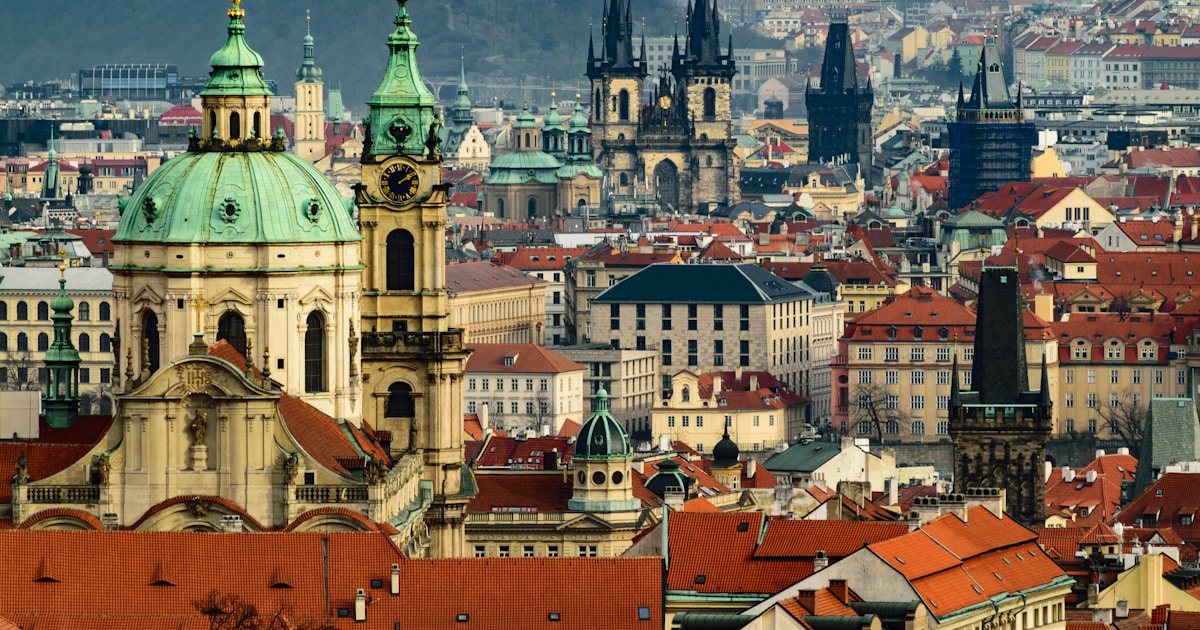
A Vienna study abroad student’s wild weekend in Budapest covering ruin bars, thermal baths, epic food, and budget travel hacks — perfect for students, Gen Z travelers, and active retirees
Last weekend, six of us from The Social Hub in Vienna spontaneously decided to hit Budapest.
We booked Friday morning, left Friday afternoon, and returned Sunday night absolutely exhausted
but convinced that Budapest might be the most fun weekend trip in Europe.
This isn’t your typical tourist guide. This is the real deal — where to party until 5 AM in
abandoned buildings turned bars, which thermal baths won’t be packed with screaming children,
what street food will blow your mind for €3, and how to do Budapest on a student budget while
still experiencing everything that makes this city legendary.
But here’s what surprised me: Budapest isn’t just for 20-somethings. My friend’s parents visited
at the same time (retirees in their 60s), and they had a completely different but equally incredible
experience — opera, elegant cafes, luxury thermal spas, and river cruises. This guide covers it all.
Whether you’re a student studying abroad in Vienna, a Gen Z backpacker, or an active retiree looking
for culture and relaxation, Budapest delivers. Let me show you how.
Getting from Vienna to Budapest: The Easy 2.5-Hour Journey
One of Budapest’s biggest advantages as a weekend destination? It’s ridiculously close to Vienna
and insanely cheap to reach.
🚂 Train (Best Option for Most Travelers)
ÖBB Railjet trains run multiple times daily, taking 2 hours 40 minutes from
Wien Hauptbahnhof (Vienna Main Station) to Budapest Keleti. The trains are modern, comfortable,
with WiFi, power outlets, and cafe cars.
Pricing:
- Standard ticket: €19-39 if booked 1-2 weeks ahead
- Last-minute: €40-60
- Student discount: Available with ISIC card or Austrian student ID
- ÖBB Sparschiene deals: Sometimes as low as €13 if you book early and are flexible
We paid €24 each for Friday afternoon departure, €27 for Sunday evening return. Book at
oebb.at or use the ÖBB app (works in English).
🚌 Bus (Budget Champion)
FlixBus and RegioJet run frequent routes for €10-20, taking 3-3.5 hours.
Buses are comfortable enough with WiFi and toilets, but slower than trains. Best for extreme
budget travelers or if train times don’t work.
✈️ Flight (Not Recommended)
Flights exist but make zero sense for this route. By the time you factor in airport travel,
security, and check-in, trains are faster and cheaper.
is superior, and you arrive in central Budapest ready to go. Plus, the Railjet has great views
of the Hungarian countryside.
Ready to Plan Your Budapest Weekend?
Use TravelDiari to search Budapest hotels, create your custom itinerary, and build a wishlist of must-see attractions.
Search Budapest Hotels
Plan My Itinerary
4 Day Dinner Cruise with Live Music
Budapest Pub Crawl
St. Stephen’s Basilica Tour
Where to Stay in Budapest: Options for Every Budget & Vibe

Budapest accommodations are significantly cheaper than Vienna or most Western European cities.
Here’s where to stay based on your travel style:
For Students & Budget Backpackers (€10-30/night)
🏨 Carpe Noctem Vitae
STUDENTS
GEN Z
Price: €12-18/night (dorms), €40-50 (private rooms)
This is THE legendary party hostel. Located in the Jewish Quarter near ruin bars, it’s where
we stayed and where the wildest people gather. Nightly pub crawls, rooftop parties, communal
dinners. Fair warning: if you want sleep, stay elsewhere. If you want to meet people and rage,
this is heaven.
Vibe: 18-25 crowd, international backpackers, constant party energy
Book via: TravelDiari
🏨 Maverick City Lodge
STUDENTS
GEN Z
Price: €15-22/night (dorms)
Similar party vibe to Carpe Noctem but slightly more chill. Great common areas, free breakfast,
organized activities. Near Oktogon metro station, central to everything.
Vibe: Social but you can actually sleep if needed
🏨 Wombat’s City Hostel Budapest
STUDENTS
GEN Z
Price: €18-25/night (dorms), €55-70 (private)
Chain hostel that balances social atmosphere with actual amenities. Clean, modern, secure lockers,
good breakfast. Less party-focused than Carpe Noctem. Two locations: one near Keleti Station,
one near Opera House.
Vibe: Students and young professionals, international mix
For Gen Z Travelers Wanting Comfort (€40-80/night)
🏨 The Hive Party Hostel
GEN Z
Price: €50-75/night (private rooms)
Boutique hostel with hotel-quality private rooms plus social spaces and bar. You get privacy
when you want it, party when you don’t. Rooftop terrace, design-forward aesthetic perfect for
Instagram. Located in District VII (Jewish Quarter).
Vibe: 23-30 crowd, digital nomads, stylish travelers
🏨 Airbnb in District V or VII
GEN Z
Price: €50-90/night (entire apartment)
Split between 2-4 people, you can get beautiful apartments for €15-25 per person. District V
(Belváros) is central and elegant. District VII (Jewish Quarter) is trendy and near nightlife.
Tip: Search on TravelDiari’s platform which aggregates best Airbnb deals
For Active Retirees & Luxury Seekers (€100-250/night)
🏨 Four Seasons Hotel Gresham Palace
RETIREES
Price: €250-400/night
The crown jewel. Art Nouveau palace overlooking the Chain Bridge and Danube. World-class spa,
Michelin-star dining, impeccable service. My friend’s parents stayed here and called it “the
best hotel experience of their lives.”
Vibe: Luxury, sophistication, older affluent travelers
🏨 Aria Hotel Budapest
RETIREES
GEN Z
Price: €180-280/night
Music-themed luxury hotel near St. Stephen’s Basilica. Each floor dedicated to different music
genres. Rooftop bar, afternoon tea service, personal concierge. Great for music-loving travelers
who appreciate elegance.
Vibe: Cultured, refined, excellent for 50+ travelers
🏨 Corinthia Hotel Budapest
RETIREES
Price: €150-220/night
Grand 19th-century hotel with original thermal spa built in 1886. Royal Spa has original marble,
pool, and treatments. Classic luxury at slightly lower price than Four Seasons. Excellent for
retirees wanting historic charm with modern amenities.
Vibe: Historic elegance, spa focus, mature travelers
- District V (Belváros): Central, upscale, near Parliament — best for luxury travelers
- District VII (Jewish Quarter): Ruin bars, nightlife, hipster cafes — best for students/Gen Z
- District I (Castle District): Historic, quiet, scenic — best for retirees
- District VI (Terézváros): Opera, elegant streets — good mix for all ages
Search and compare all Budapest accommodations on
TravelDiari
to find the perfect match for your budget and style.
When to Visit Budapest: Seasonal Guide for Different Travelers
🌸 Spring (April-May)
STUDENTS
GEN Z
RETIREES
Perfect for everyone. Temperatures 15-22°C (59-72°F), gardens blooming, outdoor
terraces open, thermal baths comfortable. Easter markets appear. Not too hot, not too crowded,
prices moderate. Ideal time for first-time visitors.
☀️ Summer (June-August)
STUDENTS
GEN Z
Best for nightlife and festivals. Hot (25-35°C / 77-95°F), Danube island parties,
rooftop bars in full swing, Sziget Festival in August (one of Europe’s biggest music festivals).
Peak tourist season means crowds and higher prices, but maximum energy. Thermal baths can be too
hot during day — go evening instead.
Note for retirees: July-August can be uncomfortably hot. If you visit in summer, stick
to mornings and evenings for sightseeing, rest midday.
🍂 Fall (September-October)
STUDENTS
GEN Z
RETIREES
Underrated gem. Comfortable 12-20°C (54-68°F), autumn colors in parks, wine
harvest season (try Tokaji wine!), fewer tourists, lower prices. September especially lovely —
still warm enough for outdoor activities but summer crowds gone. Great for cultural travelers.
❄️ Winter (November-March)
RETIREES
STUDENTS
Best for thermal baths and Christmas markets. Cold (0-5°C / 32-41°F), December
Christmas markets are magical, thermal baths feel incredible when it’s freezing outside (nothing
beats Széchenyi in winter), lowest prices and crowds. January-February can be gray and very cold
but budget-friendly. Not ideal for party-focused trips.
We visited in February — it was cold AF, but honestly perfect for thermal baths and cozy ruin bars.
June-July for maximum nightlife. December for Christmas market magic. Avoid January-February
unless you’re on extreme budget or thermal bath obsessed (which, fair).
What to Do in Budapest: Activities for Different Vibes
🎉 For Students & Gen Z: Party, Adventure & Street Culture
Ruin Bars (Absolute Must-Do)
STUDENTS
GEN Z
This is what makes Budapest BUDAPEST. Ruin bars are abandoned buildings transformed into bars
with mismatched furniture, graffiti, indoor gardens, and the most eclectic vibe you’ll ever experience.
Top ruin bars we hit:
- Szimpla Kert: The OG ruin bar. Massive multi-room complex, live music,
farmers market on Sundays. Gets touristy but essential first-timer experience. Beer €2-3. - Instant-Fogas: Mega-complex with 26 rooms across three buildings. Different
music in every room — EDM, hip-hop, indie rock. Where we spent most of Saturday night. €3-4 drinks. - Kuplung: More local, less touristy, bike-themed decor, great live music.
Unpretentious and chill. - Anker’t: Outdoor courtyard bar (winter = massive heated tent), street food,
concerts, young crowd.
Pro tip: Start at Szimpla around 9 PM, bar hop through the Jewish Quarter, end
at Instant around midnight. Everything’s walkable. Cover charges rare (€2-5 if any). Drinks
shockingly cheap compared to Vienna.
Free Walking Tours
STUDENTS
GEN Z
We did the “Communist Budapest” walking tour Saturday morning (10 AM start, perfect hangover cure).
Technically free but tip €5-10. Learned about Soviet occupation, 1956 uprising, life under
communism. Guide was hilarious and irreverent. Highly recommend.
Other tours: General city tour, Jewish Quarter tour, Communist-era buildings tour.
Budapest Street Food & Market Halls
STUDENTS
GEN Z
Great Market Hall (Central Market Hall): Three floors of Hungarian deliciousness.
Ground floor = fresh produce, meats, paprika. Upper floor = food stalls. We demolished lángos
(deep-fried flatbread with sour cream and cheese) for €3. Life-changing.
Other street food spots: Karavan street food court (near Szimpla), Tram Depot (food hall with
craft beer), chimney cakes (kürtőskalács) from street vendors.
Thermal Baths at Night (Sparty)
STUDENTS
GEN Z
Széchenyi Baths hosts “Sparty” (spa + party) on Saturday nights — thermal pools
with DJs, laser lights, and drinks. It’s wild. Entry €30-35, expensive by Budapest standards but
unique experience. We skipped (too tired from Friday), but friends rave about it.
🏛️ For Retirees & Culture Seekers: History, Art & Elegance
Hungarian Parliament Building Tour
RETIREES
GEN Z
One of Europe’s most beautiful parliament buildings. Neo-Gothic architecture, ornate interiors,
crown jewels of Hungary on display. Tours run in English throughout the day.
Tickets: €8-15 depending on nationality (EU citizens cheaper). Book online days
ahead — sells out. Tours last 45 minutes. No mobility issues — mostly flat, elevators available.
Buda Castle & Fisherman’s Bastion
RETIREES
GEN Z
Historic castle district on the Buda side of Danube. Fisherman’s Bastion offers postcard views
of Parliament and Pest side (some areas free, €3 for upper terraces). Matthias Church is stunning.
Take funicular up from Chain Bridge (€4 round trip) or bus 16 from Deák Ferenc tér.
Plan 3-4 hours to wander at leisure. Cafes overlook the Danube — perfect for coffee and contemplation.
Hungarian State Opera House
RETIREES
Neo-Renaissance masterpiece. Guided tours (€10, English available) show incredible interior —
frescoes, gold leaf, marble. Or attend an actual opera/ballet performance (€20-80 tickets).
My friend’s parents saw La Bohème for €45 — world-class performance at fraction of Vienna prices.
Classical Danube River Cruise
RETIREES
Evening cruises with dinner and live music (€50-80), or simple sightseeing cruises (€15-20).
See illuminated Parliament, Chain Bridge, Buda Castle from water. Romantic and relaxing. Book
through TravelDiari for best deals.
St. Stephen’s Basilica
RETIREES
GEN Z
Budapest’s largest church. Free entry (donations appreciated), €5 to climb dome for panoramic
views. Houses mummified right hand of St. Stephen (Hungary’s first king) — macabre but historically
significant. Evening organ concerts frequently held.
🧖 For Everyone: Thermal Baths (Universal Budapest Experience)
Széchenyi Thermal Baths
STUDENTS
GEN Z
RETIREES
Largest medicinal bath in Europe, iconic yellow building in City Park. 18 pools (3 outdoor),
saunas, steam rooms. The outdoor pools in winter steam dramatically — surreal experience.
Ticket: €25 weekdays, €27 weekends (all day). Student discounts available.
Bring your own towel/swimsuit or rent there. Go weekday morning for fewer crowds, weekend
evening for social vibe.
We went Sunday morning at 9 AM — practically empty, peaceful, perfect hangover recovery. Three
hours of soaking in 38°C (100°F) thermal water while it’s 2°C outside = absolute bliss.
Gellért Thermal Bath
RETIREES
Art Nouveau masterpiece, more elegant and refined than Széchenyi. Stunning architecture, smaller
and quieter. Better for older travelers wanting sophisticated atmosphere. Wave pool is fun.
Ticket: €28. More expensive but worth it for ambiance.
Rudas Thermal Bath
GEN Z
RETIREES
Ottoman-era bath with rooftop pool overlooking Danube and bridges. Stunning at night. Mix of
historic Turkish baths downstairs, modern facilities upstairs. Night bathing (10 PM-4 AM) Friday-Saturday.
Ticket: €20-26 depending on time/day.
- Bring flip-flops — floors get wet and slippery
- Lockers require €1-2 coin deposit (refunded)
- Stay hydrated — hot water + alcohol from night before = dizziness
- Weekday mornings = locals, peaceful. Weekends = tourists, party vibe
- Some pools gender-segregated on certain days — check schedules
Create Your Perfect Budapest Itinerary
Let TravelDiari’s AI build a personalized 48-hour Budapest plan based on your interests, budget, and travel style.
What to Eat in Budapest: Food Guide for Every Appetite

Traditional Hungarian Dishes (Must-Try)
Gulyás (Goulash)
Hearty beef and vegetable soup with paprika, served with crusty bread. This is Hungary’s national
dish. Best version we had: Café Kör (mid-range, €8-10) or For Sale Pub (budget-friendly, €6).
Lángos
Deep-fried flatbread typically topped with sour cream, cheese, and garlic. Cheap street food
(€2-4), incredibly filling, best hangover cure known to humanity. Get it at Central Market Hall
or any market.
Chicken Paprikash (Paprikás Csirke)
Chicken in creamy paprika sauce served with nokedli (small dumplings). Comfort food at its finest.
Try at Frici Papa Kifőzdéje (local canteen-style, €5-6).
Töltött Káposzta (Stuffed Cabbage)
Cabbage rolls stuffed with pork and rice in tomato sauce. Traditional grandma food. Heavy but
delicious. Best at traditional Hungarian restaurants.
Chimney Cake (Kürtőskalács)
Spiral-shaped sweet pastry cooked over charcoal, coated in cinnamon, sugar, or nuts. Sold by
street vendors everywhere. €3-4. Instagram gold.
Dobos Torte
Layered sponge cake with chocolate buttercream and caramel topping. Hungarian cake royalty.
Try at Café Gerbeaud (upscale, €6-8 slice) or any traditional cafe.
Budget Eating (€5-10 per meal)
- Karavan: Street food court, everything €4-8, international options
- Central Market Hall: Upstairs food stalls, lángos, sausages, €3-6
- Hummus Bar: Middle Eastern chain, huge portions, €5-7
- Bors GasztroBar: Soups in bread bowls, €4-5, always a line (worth it)
- For Sale Pub: Traditional Hungarian, massive portions, €6-10 mains
Mid-Range Restaurants (€10-20 per meal)
- Café Kör: Traditional Hungarian, excellent quality, €10-15 mains
- Mazel Tov: Middle Eastern in gorgeous courtyard, trendy, €12-18
- Két Szerecsen: Hungarian fusion, breakfast through dinner, €10-16
- Menza: Communist-era cafeteria theme, good Hungarian food, €8-14
Upscale Dining (€30+ per meal)
RETIREES
- Onyx: Michelin two-star, tasting menu €100-150, ultimate splurge
- Costes: Michelin one-star, Hungarian fine dining, €80-120
- Gundel: Historic restaurant since 1894, traditional elegance, €30-50 mains
- New York Café: World’s most beautiful cafe, afternoon tea €40, worth it
for atmosphere (book ahead!)
for lunch (€3), market snacks (€5), dinner at mid-range spot (€10), late-night street food (€4).
Budapest food prices are insanely good.
Our Actual 48-Hour Budapest Itinerary (Feel Free to Steal)
Friday: Arrival & First Night
3:20 PM: Train arrives Budapest Keleti. Metro M4 to Deák Ferenc tér (connection
point for all metro lines). Walk 10 minutes to Carpe Noctem hostel in Jewish Quarter.
4:00 PM: Check in, drop bags, quick shower
5:00 PM: Walk around Jewish Quarter, stumble into Kazinczy Street Synagogue
(beautiful, free to admire exterior)
6:30 PM: Dinner at Mazel Tov — hummus, shakshuka, sharing plates (€15 each)
8:30 PM: Hostel pre-game with new friends from hostel
10:00 PM: Ruin bar crawl — Szimpla Kert → Kuplung → Instant (close at 5 AM,
we left at 3 AM)
Saturday: Recovery, Culture & More Partying
9:30 AM: Wake up destroyed, free hostel breakfast (coffee = life)
10:00 AM: Communist walking tour (3 hours, hilarious guide, learned tons)
1:30 PM: Lunch at Central Market Hall — lángos, sausages, beer (€8 total)
3:00 PM: Walk across Chain Bridge to Buda side, funicular up to Castle District
3:30 PM: Fisherman’s Bastion, Matthias Church, panoramic photos
5:30 PM: Walk down, across bridge back to Pest side
6:00 PM: Power nap at hostel (essential)
8:00 PM: Dinner at For Sale Pub — chicken paprikash, goulash, too much food (€10 each)
10:00 PM: Round 2 ruin bars — straight to Instant, stayed until 4 AM
Sunday: Thermal Baths & Departure
9:00 AM: Force ourselves awake, metro to Széchenyi Baths
9:30 AM – 12:30 PM: Thermal bath heaven, outdoor pools steaming in cold air,
perfect hangover recovery
1:00 PM: Chimney cakes from street vendor while walking back
2:00 PM: Pack up, check out, store bags at hostel
2:30 PM: St. Stephen’s Basilica, quick climb to dome
3:30 PM: Coffee at Café Gerbeaud, Dobos torte
5:00 PM: Grab bags, metro to Keleti
5:40 PM: Train back to Vienna (sleep entire way)
(worth the Sunday exhaustion), thermal baths for recovery (genius), eating cheap so we could spend
on experiences.
What we’d change: Maybe one fewer hours at Instant Saturday (4 AM was ambitious),
booking Parliament tour in advance (sold out), eating actual vegetables at some point.
Sample Itinerary for Retirees (Elegant & Relaxed)
RETIREES
Based on my friend’s parents’ trip (simultaneous to ours but VERY different experience):
Friday: Arrival & River Views
Afternoon: Check into Four Seasons Gresham Palace, rest from journey
Evening: Sunset walk along Danube Promenade, dinner at Costes (Michelin-star),
early night
Saturday: Culture & Thermal Relaxation
Morning: Parliament building tour (pre-booked), coffee at New York Café
Lunch: Traditional Hungarian at Gundel
Afternoon: Gellért Thermal Baths (3-4 hours, spa treatments)
Evening: Opera performance at Hungarian State Opera House, dinner at Onyx
Sunday: Historic Buda & Departure
Morning: Leisurely breakfast at hotel, Buda Castle District exploration
Lunch: Café at Fisherman’s Bastion with Danube views
Afternoon: Matthias Church, last-minute shopping on Váci Street
Evening: Private car back to Vienna (they booked driver, €150 but comfortable)
Their verdict: “One of the most cultured, relaxing weekends we’ve ever had.
Budapest has the elegance of Vienna at half the price.”
Budapest Money & Practical Tips
💰 Currency & Costs
Currency: Hungarian Forint (HUF). €1 ≈ 390-400 HUF (rate fluctuates)
Budget breakdown (48 hours):
- Train: €51 (round trip)
- Hostel: €36 (2 nights)
- Food: €40 (very well-fed)
- Drinks/bars: €25
- Attractions: €30 (thermal baths, walking tour, museums)
- Transport: €10 (Budapest metro/tram)
- Total: ~€192 for incredible weekend
💳 Payment Tips
- Many places take cards, but carry some HUF cash for markets, street food, small vendors
- Withdraw from ATMs (avoid exchange bureaus — terrible rates)
- Use card with no foreign transaction fees
- Tip 10% in restaurants (not mandatory but appreciated)
🚇 Transportation
Budapest has excellent metro (M1, M2, M3, M4 lines), trams, and buses. Buy 72-hour
Budapest travel card for €17 — unlimited transport entire weekend. Or single tickets
€1.20 each. Download BKK FUTÁR app for routes/schedules.
📱 Phone & Internet
EU roaming works if you have European SIM. If not, get temporary Hungarian SIM (Vodafone/Telekom
shops in Keleti station) or just use WiFi at hostel/cafes/restaurants.
🗣️ Language
Hungarian is HARD and totally different from anything you know. Young people speak English in
tourist areas. Older folks less so, but people are helpful. Learn “köszönöm” (thank you), “szia”
(hi/bye), “egészségére” (cheers).
⚠️ Safety
Budapest is very safe. Normal city precautions apply: watch belongings in crowded areas, don’t
accept unsolicited help with ATMs, be aware in District VIII at night (slightly sketchy but we
were fine). Ruin bars get wild but generally safe.
(European Uber) instead — rides around city cost €3-6. We used metro mostly, walked a ton
(Budapest is walkable).
Ready to Book Your Budapest Adventure?
Search hotels, compare prices, read reviews, and create your Budapest wishlist on TravelDiari.
Day Trip Options from Budapest (If You Have Extra Time)
If you extend to 3-4 days, consider these:
Szentendre (1 hour)
Charming riverside town with art galleries, museums, Mediterranean vibe. Take HÉV suburban train
from Batthyány tér (€3 return). Perfect half-day trip for retirees or anyone wanting quaint escape.
Lake Balaton (1.5-2 hours)
Central Europe’s largest lake, “Hungarian Sea.” Summer = swimming, water sports, beach clubs.
Winter = quieter but still scenic. Town of Balatonfüred is prettiest.
Eger (2 hours)
Baroque town famous for wine (Egri Bikavér – Bull’s Blood), castle, thermal baths. Wine tasting
in historic cellars. Great for wine-loving retirees.
Visegrád & Esztergom (1 hour)
Danube Bend region with medieval castles and Hungary’s largest basilica. Beautiful Danube views.
Combine both in one day trip.
Why Budapest Should Be Your Next Weekend Trip

Here’s what makes Budapest special: it’s a city that doesn’t try to be something it’s not.
The ruin bars embrace decay and turn it into art. The thermal baths mix 400-year-old Turkish
architecture with rooftop infinity pools. Michelin-star restaurants operate in buildings that
survived Communist occupation and World War II.
For students and Gen Z travelers, Budapest offers the perfect weekend escape — cheap enough
to not destroy your budget, wild enough to create stories you’ll tell forever, and interesting
enough that it’s not just about partying (though the partying is exceptional).
For retirees, Budapest provides Old World elegance at New World prices. World-class opera,
stunning architecture, thermal spa culture that’s been refined over centuries, and a pace of
life that encourages lingering over coffee and contemplation.
The city is easy to reach from Vienna (2.5 hours), easy to navigate (compact center, good public
transport), and easy to afford (seriously, the value is insane). Whether you’re 22 or 72, there’s
a Budapest experience waiting for you.
I got that, but also incredible history, genuinely kind people, food that surprised me, thermal
baths that healed my soul, and a city that felt simultaneously gritty and beautiful. We’re already
planning to go back in summer for Sziget Festival. That’s how good it is.
Quick Budapest Weekend Checklist
- ✅ Book Vienna-Budapest train tickets 1-2 weeks ahead for best prices
- ✅ Reserve accommodation early (hostels fill up, especially party hostels)
- ✅ Book Parliament tour online in advance (sells out days ahead)
- ✅ Download: Bolt (taxi), BKK FUTÁR (transport), Google Maps, WhatsApp
- ✅ Bring: Swimsuit and towel for thermal baths, comfortable walking shoes
- ✅ Get: 72-hour Budapest travel card (€17, unlimited transport)
- ✅ Cash: Withdraw HUF from ATM upon arrival (avoid exchange bureaus)
- ✅ Must-try food: Lángos, goulash, chimney cake
- ✅ Must-do experiences: Ruin bars (especially Szimpla and Instant), thermal baths (Széchenyi),
Parliament exterior at night - ✅ Budget: €150-250 for comfortable 48-hour weekend (students), €400-600 (luxury travelers)
- ✅ Use TravelDiari to search
hotels, plan itinerary, and save wishlist items
Related Travel Resources
More European weekend trips from Vienna:
Start Planning Your Budapest Trip Today
Search accommodations, compare prices, build your itinerary, and create a wishlist of must-see attractions on TravelDiari.