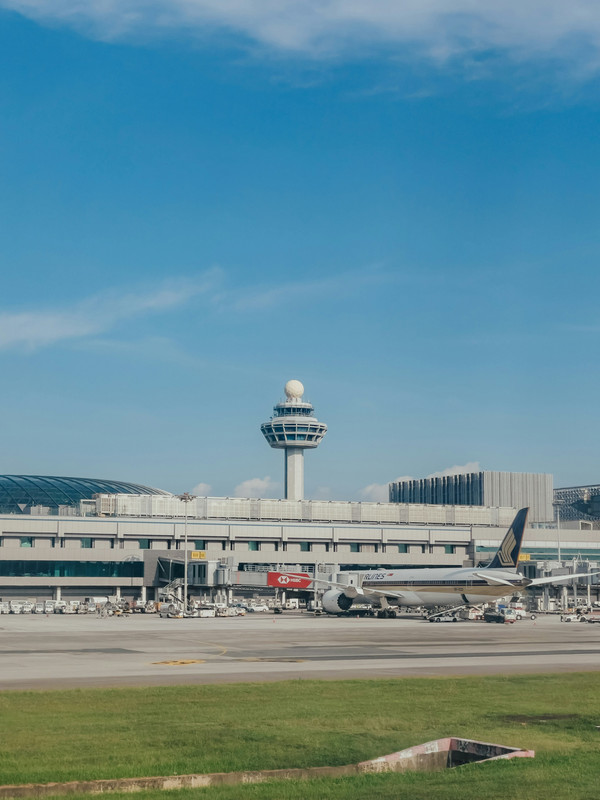
The recent military escalation involving the United States and Israel targeting sites in Iran has created immediate ripple effects across global travel corridors.
While the conflict is geographically concentrated in the Middle East, the aviation and tourism consequences are far broader — affecting long-haul flights between North America, Europe, Asia, and Africa.
If you have upcoming travel plans — especially with Middle East connections — here’s what you need to know and how to proactively manage potential disruptions.
Several Middle Eastern air corridors have been temporarily restricted or rerouted. Airlines are:
Avoiding Iranian airspace
Adjusting flight paths over Gulf regions
Increasing flight durations on Europe–Asia routes
Canceling select regional routes
Even if your destination isn’t in the Middle East, your flight could be impacted if it normally passes through that airspace or going through the Middle east airport hubs like Dubai, Doha and others.
Example: Europe to India, US to Southeast Asia, and Africa to Asia routes are commonly affected when Gulf airspace is restricted.
2️⃣ Major Hub Disruptions
Middle Eastern hubs are some of the world’s busiest transit points. When instability rises:
Layovers become uncertain
Rebooking queues grow
Missed connections increase
Aircraft rotations fall behind schedule
This can create a domino effect impacting global airline networks for days or even weeks. So make sure to monitor the events, status and call your airlines early to make changes (if there is flexibility).
3️⃣ Rising Ticket Prices & Operational Costs
When airlines reroute flights:
Fuel costs increase
Flight times extend
Aircraft scheduling tightens
That often leads to:
Higher short-term ticket prices
Reduced seat availability
Limited last-minute booking flexibility
Travelers planning trips in the next 2–4 weeks should expect price volatility.
🌍 Which Travelers Are Most Affected?
You are at higher risk of disruption if:
Your flight transits through the Middle East
You’re traveling to Israel or nearby countries
You booked non-refundable tickets
You’re flying long-haul Europe–Asia or US–Asia routes
Even indirect exposure through connecting hubs can create delays.
🧳 What Travelers With Existing Bookings Should Do
Here’s your practical action plan:
✔ 1. Do NOT Cancel Immediately
If your airline cancels first, you are typically entitled to:
Full refund
Free rebooking
Alternate routing
If you cancel preemptively, you may lose flexibility or refund eligibility.
Smart move: Wait for official airline communication unless you are within 24–48 hours of departure.
✔ 2. Monitor Airline Alerts Daily
Check:
Airline app notifications
Email updates
Flight status 72 hours before departure
Pro tip: Turn on push notifications for real-time alerts.
✔ 3. Review Your Travel Insurance Policy
If you purchased travel insurance before escalation:
Check coverage for trip interruption
Review “war or military action” clauses
File claims promptly if delays occur
If you did not purchase insurance, consider flexible bookings for future trips during geopolitical uncertainty.
✔ 4. Consider Alternate Routes
If your flight passes through affected airspace:
Ask about routing through alternative hubs
Look for direct flights if available
Consider postponing non-essential travel
Flexibility is your biggest asset right now.
✔ 5. Keep Hotel Bookings Flexible
At Traveldiari, we always recommend:
Refundable hotel rates
Free cancellation options
Booking through trusted affiliate partners
If you booked via traveldiari.nuitee.link, log in to your reservation portal to check cancellation terms immediately.
🛑 Should You Cancel Travel to the Region?
If your destination is directly impacted by military activity:
Follow official government advisories
Avoid non-essential travel
Prioritize safety over sunk costs
If your trip is unrelated geographically but connects via the region, disruption risk is logistical — not necessarily safety-based.
💡 How Long Will Travel Disruptions Last?
Historically, aviation disruptions tied to geopolitical events can last:
Several days (if tensions de-escalate quickly)
Several weeks (if retaliatory actions continue)
Longer if airspace restrictions remain in place
Airlines adapt quickly, but uncertainty causes temporary instability in schedules and pricing.
A Vienna study abroad student’s wild weekend in Budapest covering ruin bars, thermal baths, epic food, and budget travel hacks — perfect for students, Gen Z travelers, and active retirees
Budapest weekend trip Vienna to Budapest Student travel Hungary Ruin bars Budapest Budget weekend trip
Last weekend, six of us from The Social Hub in Vienna spontaneously decided to hit Budapest.
We booked Friday morning, left Friday afternoon, and returned Sunday night absolutely exhausted
but convinced that Budapest might be the most fun weekend trip in Europe.
This isn’t your typical tourist guide. This is the real deal — where to party until 5 AM in
abandoned buildings turned bars, which thermal baths won’t be packed with screaming children,
what street food will blow your mind for €3, and how to do Budapest on a student budget while
still experiencing everything that makes this city legendary.
But here’s what surprised me: Budapest isn’t just for 20-somethings. My friend’s parents visited
at the same time (retirees in their 60s), and they had a completely different but equally incredible
experience — opera, elegant cafes, luxury thermal spas, and river cruises. This guide covers it all.
Whether you’re a student studying abroad in Vienna, a Gen Z backpacker, or an active retiree looking
for culture and relaxation, Budapest delivers. Let me show you how.
Getting from Vienna to Budapest: The Easy 2.5-Hour Journey
One of Budapest’s biggest advantages as a weekend destination? It’s ridiculously close to Vienna
and insanely cheap to reach.
🚂 Train (Best Option for Most Travelers)
ÖBB Railjet trains run multiple times daily, taking 2 hours 40 minutes from
Wien Hauptbahnhof (Vienna Main Station) to Budapest Keleti. The trains are modern, comfortable,
with WiFi, power outlets, and cafe cars.
Pricing:
Standard ticket: €19-39 if booked 1-2 weeks ahead
Last-minute: €40-60
Student discount: Available with ISIC card or Austrian student ID
ÖBB Sparschiene deals: Sometimes as low as €13 if you book early and are flexible
We paid €24 each for Friday afternoon departure, €27 for Sunday evening return. Book at oebb.at or use the ÖBB app (works in English).
🚌 Bus (Budget Champion)
FlixBus and RegioJet run frequent routes for €10-20, taking 3-3.5 hours.
Buses are comfortable enough with WiFi and toilets, but slower than trains. Best for extreme
budget travelers or if train times don’t work.
✈️ Flight (Not Recommended)
Flights exist but make zero sense for this route. By the time you factor in airport travel,
security, and check-in, trains are faster and cheaper.
My take: Train is worth the extra €5-10 over bus. You save an hour, the comfort
is superior, and you arrive in central Budapest ready to go. Plus, the Railjet has great views
of the Hungarian countryside.
Ready to Plan Your Budapest Weekend?
Use TravelDiari to search Budapest hotels, create your custom itinerary, and build a wishlist of must-see attractions.
This is THE legendary party hostel. Located in the Jewish Quarter near ruin bars, it’s where
we stayed and where the wildest people gather. Nightly pub crawls, rooftop parties, communal
dinners. Fair warning: if you want sleep, stay elsewhere. If you want to meet people and rage,
this is heaven.
Vibe: 18-25 crowd, international backpackers, constant party energy
Similar party vibe to Carpe Noctem but slightly more chill. Great common areas, free breakfast,
organized activities. Near Oktogon metro station, central to everything.
Vibe: Social but you can actually sleep if needed
🏨 Wombat’s City Hostel Budapest
STUDENTS GEN Z
Price:€18-25/night (dorms), €55-70 (private)
Chain hostel that balances social atmosphere with actual amenities. Clean, modern, secure lockers,
good breakfast. Less party-focused than Carpe Noctem. Two locations: one near Keleti Station,
one near Opera House.
Vibe: Students and young professionals, international mix
For Gen Z Travelers Wanting Comfort (€40-80/night)
🏨 The Hive Party Hostel
GEN Z
Price:€50-75/night (private rooms)
Boutique hostel with hotel-quality private rooms plus social spaces and bar. You get privacy
when you want it, party when you don’t. Rooftop terrace, design-forward aesthetic perfect for
Instagram. Located in District VII (Jewish Quarter).
Vibe: 23-30 crowd, digital nomads, stylish travelers
🏨 Airbnb in District V or VII
GEN Z
Price:€50-90/night (entire apartment)
Split between 2-4 people, you can get beautiful apartments for €15-25 per person. District V
(Belváros) is central and elegant. District VII (Jewish Quarter) is trendy and near nightlife.
Tip: Search on TravelDiari’s platform which aggregates best Airbnb deals
For Active Retirees & Luxury Seekers (€100-250/night)
🏨 Four Seasons Hotel Gresham Palace
RETIREES
Price:€250-400/night
The crown jewel. Art Nouveau palace overlooking the Chain Bridge and Danube. World-class spa,
Michelin-star dining, impeccable service. My friend’s parents stayed here and called it “the
best hotel experience of their lives.”
Music-themed luxury hotel near St. Stephen’s Basilica. Each floor dedicated to different music
genres. Rooftop bar, afternoon tea service, personal concierge. Great for music-loving travelers
who appreciate elegance.
Vibe: Cultured, refined, excellent for 50+ travelers
🏨 Corinthia Hotel Budapest
RETIREES
Price:€150-220/night
Grand 19th-century hotel with original thermal spa built in 1886. Royal Spa has original marble,
pool, and treatments. Classic luxury at slightly lower price than Four Seasons. Excellent for
retirees wanting historic charm with modern amenities.
District V (Belváros): Central, upscale, near Parliament — best for luxury travelers
District VII (Jewish Quarter): Ruin bars, nightlife, hipster cafes — best for students/Gen Z
District I (Castle District): Historic, quiet, scenic — best for retirees
District VI (Terézváros): Opera, elegant streets — good mix for all ages
Search and compare all Budapest accommodations on TravelDiari
to find the perfect match for your budget and style.
When to Visit Budapest: Seasonal Guide for Different Travelers
🌸 Spring (April-May)
STUDENTS GEN Z RETIREES
Perfect for everyone. Temperatures 15-22°C (59-72°F), gardens blooming, outdoor
terraces open, thermal baths comfortable. Easter markets appear. Not too hot, not too crowded,
prices moderate. Ideal time for first-time visitors.
☀️ Summer (June-August)
STUDENTS GEN Z
Best for nightlife and festivals. Hot (25-35°C / 77-95°F), Danube island parties,
rooftop bars in full swing, Sziget Festival in August (one of Europe’s biggest music festivals).
Peak tourist season means crowds and higher prices, but maximum energy. Thermal baths can be too
hot during day — go evening instead.
Note for retirees: July-August can be uncomfortably hot. If you visit in summer, stick
to mornings and evenings for sightseeing, rest midday.
🍂 Fall (September-October)
STUDENTS GEN Z RETIREES
Underrated gem. Comfortable 12-20°C (54-68°F), autumn colors in parks, wine
harvest season (try Tokaji wine!), fewer tourists, lower prices. September especially lovely —
still warm enough for outdoor activities but summer crowds gone. Great for cultural travelers.
❄️ Winter (November-March)
RETIREES STUDENTS
Best for thermal baths and Christmas markets. Cold (0-5°C / 32-41°F), December
Christmas markets are magical, thermal baths feel incredible when it’s freezing outside (nothing
beats Széchenyi in winter), lowest prices and crowds. January-February can be gray and very cold
but budget-friendly. Not ideal for party-focused trips.
We visited in February — it was cold AF, but honestly perfect for thermal baths and cozy ruin bars.
My recommendation: May or September for balanced weather and reasonable prices.
June-July for maximum nightlife. December for Christmas market magic. Avoid January-February
unless you’re on extreme budget or thermal bath obsessed (which, fair).
What to Do in Budapest: Activities for Different Vibes
🎉 For Students & Gen Z: Party, Adventure & Street Culture
Ruin Bars (Absolute Must-Do)
STUDENTS GEN Z
This is what makes Budapest BUDAPEST. Ruin bars are abandoned buildings transformed into bars
with mismatched furniture, graffiti, indoor gardens, and the most eclectic vibe you’ll ever experience.
Top ruin bars we hit:
Szimpla Kert: The OG ruin bar. Massive multi-room complex, live music,
farmers market on Sundays. Gets touristy but essential first-timer experience. Beer €2-3.
Instant-Fogas: Mega-complex with 26 rooms across three buildings. Different
music in every room — EDM, hip-hop, indie rock. Where we spent most of Saturday night. €3-4 drinks.
Kuplung: More local, less touristy, bike-themed decor, great live music.
Unpretentious and chill.
Anker’t: Outdoor courtyard bar (winter = massive heated tent), street food,
concerts, young crowd.
Pro tip: Start at Szimpla around 9 PM, bar hop through the Jewish Quarter, end
at Instant around midnight. Everything’s walkable. Cover charges rare (€2-5 if any). Drinks
shockingly cheap compared to Vienna.
Free Walking Tours
STUDENTS GEN Z
We did the “Communist Budapest” walking tour Saturday morning (10 AM start, perfect hangover cure).
Technically free but tip €5-10. Learned about Soviet occupation, 1956 uprising, life under
communism. Guide was hilarious and irreverent. Highly recommend.
Other tours: General city tour, Jewish Quarter tour, Communist-era buildings tour.
Budapest Street Food & Market Halls
STUDENTS GEN Z
Great Market Hall (Central Market Hall): Three floors of Hungarian deliciousness.
Ground floor = fresh produce, meats, paprika. Upper floor = food stalls. We demolished lángos
(deep-fried flatbread with sour cream and cheese) for €3. Life-changing.
Other street food spots: Karavan street food court (near Szimpla), Tram Depot (food hall with
craft beer), chimney cakes (kürtőskalács) from street vendors.
Thermal Baths at Night (Sparty)
STUDENTS GEN Z
Széchenyi Baths hosts “Sparty” (spa + party) on Saturday nights — thermal pools
with DJs, laser lights, and drinks. It’s wild. Entry €30-35, expensive by Budapest standards but
unique experience. We skipped (too tired from Friday), but friends rave about it.
🏛️ For Retirees & Culture Seekers: History, Art & Elegance
Hungarian Parliament Building Tour
RETIREES GEN Z
One of Europe’s most beautiful parliament buildings. Neo-Gothic architecture, ornate interiors,
crown jewels of Hungary on display. Tours run in English throughout the day.
Tickets: €8-15 depending on nationality (EU citizens cheaper). Book online days
ahead — sells out. Tours last 45 minutes. No mobility issues — mostly flat, elevators available.
Buda Castle & Fisherman’s Bastion
RETIREES GEN Z
Historic castle district on the Buda side of Danube. Fisherman’s Bastion offers postcard views
of Parliament and Pest side (some areas free, €3 for upper terraces). Matthias Church is stunning.
Take funicular up from Chain Bridge (€4 round trip) or bus 16 from Deák Ferenc tér.
Plan 3-4 hours to wander at leisure. Cafes overlook the Danube — perfect for coffee and contemplation.
Hungarian State Opera House
RETIREES
Neo-Renaissance masterpiece. Guided tours (€10, English available) show incredible interior —
frescoes, gold leaf, marble. Or attend an actual opera/ballet performance (€20-80 tickets).
My friend’s parents saw La Bohème for €45 — world-class performance at fraction of Vienna prices.
Classical Danube River Cruise
RETIREES
Evening cruises with dinner and live music (€50-80), or simple sightseeing cruises (€15-20).
See illuminated Parliament, Chain Bridge, Buda Castle from water. Romantic and relaxing. Book
through TravelDiari for best deals.
St. Stephen’s Basilica
RETIREES GEN Z
Budapest’s largest church. Free entry (donations appreciated), €5 to climb dome for panoramic
views. Houses mummified right hand of St. Stephen (Hungary’s first king) — macabre but historically
significant. Evening organ concerts frequently held.
🧖 For Everyone: Thermal Baths (Universal Budapest Experience)
Széchenyi Thermal Baths
STUDENTS GEN Z RETIREES
Largest medicinal bath in Europe, iconic yellow building in City Park. 18 pools (3 outdoor),
saunas, steam rooms. The outdoor pools in winter steam dramatically — surreal experience.
Ticket: €25 weekdays, €27 weekends (all day). Student discounts available.
Bring your own towel/swimsuit or rent there. Go weekday morning for fewer crowds, weekend
evening for social vibe.
We went Sunday morning at 9 AM — practically empty, peaceful, perfect hangover recovery. Three
hours of soaking in 38°C (100°F) thermal water while it’s 2°C outside = absolute bliss.
Gellért Thermal Bath
RETIREES
Art Nouveau masterpiece, more elegant and refined than Széchenyi. Stunning architecture, smaller
and quieter. Better for older travelers wanting sophisticated atmosphere. Wave pool is fun.
Ticket: €28. More expensive but worth it for ambiance.
Rudas Thermal Bath
GEN Z RETIREES
Ottoman-era bath with rooftop pool overlooking Danube and bridges. Stunning at night. Mix of
historic Turkish baths downstairs, modern facilities upstairs. Night bathing (10 PM-4 AM) Friday-Saturday.
Ticket: €20-26 depending on time/day.
Thermal Bath Tips:
Bring flip-flops — floors get wet and slippery
Lockers require €1-2 coin deposit (refunded)
Stay hydrated — hot water + alcohol from night before = dizziness
Weekday mornings = locals, peaceful. Weekends = tourists, party vibe
Some pools gender-segregated on certain days — check schedules
Create Your Perfect Budapest Itinerary
Let TravelDiari’s AI build a personalized 48-hour Budapest plan based on your interests, budget, and travel style.
What to Eat in Budapest: Food Guide for Every Appetite
Traditional Hungarian Dishes (Must-Try)
Gulyás (Goulash)
Hearty beef and vegetable soup with paprika, served with crusty bread. This is Hungary’s national
dish. Best version we had: Café Kör (mid-range, €8-10) or For Sale Pub (budget-friendly, €6).
Lángos
Deep-fried flatbread typically topped with sour cream, cheese, and garlic. Cheap street food
(€2-4), incredibly filling, best hangover cure known to humanity. Get it at Central Market Hall
or any market.
Chicken Paprikash (Paprikás Csirke)
Chicken in creamy paprika sauce served with nokedli (small dumplings). Comfort food at its finest.
Try at Frici Papa Kifőzdéje (local canteen-style, €5-6).
Töltött Káposzta (Stuffed Cabbage)
Cabbage rolls stuffed with pork and rice in tomato sauce. Traditional grandma food. Heavy but
delicious. Best at traditional Hungarian restaurants.
Chimney Cake (Kürtőskalács)
Spiral-shaped sweet pastry cooked over charcoal, coated in cinnamon, sugar, or nuts. Sold by
street vendors everywhere. €3-4. Instagram gold.
Dobos Torte
Layered sponge cake with chocolate buttercream and caramel topping. Hungarian cake royalty.
Try at Café Gerbeaud (upscale, €6-8 slice) or any traditional cafe.
Budget Eating (€5-10 per meal)
Karavan: Street food court, everything €4-8, international options
Central Market Hall: Upstairs food stalls, lángos, sausages, €3-6
Hummus Bar: Middle Eastern chain, huge portions, €5-7
Bors GasztroBar: Soups in bread bowls, €4-5, always a line (worth it)
For Sale Pub: Traditional Hungarian, massive portions, €6-10 mains
Mid-Range Restaurants (€10-20 per meal)
Café Kör: Traditional Hungarian, excellent quality, €10-15 mains
Mazel Tov: Middle Eastern in gorgeous courtyard, trendy, €12-18
Két Szerecsen: Hungarian fusion, breakfast through dinner, €10-16
Menza: Communist-era cafeteria theme, good Hungarian food, €8-14
Upscale Dining (€30+ per meal)
RETIREES
Onyx: Michelin two-star, tasting menu €100-150, ultimate splurge
Costes: Michelin one-star, Hungarian fine dining, €80-120
Gundel: Historic restaurant since 1894, traditional elegance, €30-50 mains
New York Café: World’s most beautiful cafe, afternoon tea €40, worth it
for atmosphere (book ahead!)
Real talk: We ate like kings for €15-20/day. Breakfast at hostel (free), lángos
for lunch (€3), market snacks (€5), dinner at mid-range spot (€10), late-night street food (€4).
Budapest food prices are insanely good.
Our Actual 48-Hour Budapest Itinerary (Feel Free to Steal)
Friday: Arrival & First Night
3:20 PM: Train arrives Budapest Keleti. Metro M4 to Deák Ferenc tér (connection
point for all metro lines). Walk 10 minutes to Carpe Noctem hostel in Jewish Quarter.
4:00 PM: Check in, drop bags, quick shower
5:00 PM: Walk around Jewish Quarter, stumble into Kazinczy Street Synagogue
(beautiful, free to admire exterior)
5:30 PM: Walk down, across bridge back to Pest side
6:00 PM: Power nap at hostel (essential)
8:00 PM: Dinner at For Sale Pub — chicken paprikash, goulash, too much food (€10 each)
10:00 PM: Round 2 ruin bars — straight to Instant, stayed until 4 AM
Sunday: Thermal Baths & Departure
9:00 AM: Force ourselves awake, metro to Széchenyi Baths
9:30 AM – 12:30 PM: Thermal bath heaven, outdoor pools steaming in cold air,
perfect hangover recovery
1:00 PM: Chimney cakes from street vendor while walking back
2:00 PM: Pack up, check out, store bags at hostel
2:30 PM: St. Stephen’s Basilica, quick climb to dome
3:30 PM: Coffee at Café Gerbeaud, Dobos torte
5:00 PM: Grab bags, metro to Keleti
5:40 PM: Train back to Vienna (sleep entire way)
What worked: Staying in Jewish Quarter (everything walkable), going hard Friday/Saturday
(worth the Sunday exhaustion), thermal baths for recovery (genius), eating cheap so we could spend
on experiences.
What we’d change: Maybe one fewer hours at Instant Saturday (4 AM was ambitious),
booking Parliament tour in advance (sold out), eating actual vegetables at some point.
Sample Itinerary for Retirees (Elegant & Relaxed)
RETIREES
Based on my friend’s parents’ trip (simultaneous to ours but VERY different experience):
Friday: Arrival & River Views
Afternoon: Check into Four Seasons Gresham Palace, rest from journey
Evening: Sunset walk along Danube Promenade, dinner at Costes (Michelin-star),
early night
Saturday: Culture & Thermal Relaxation
Morning: Parliament building tour (pre-booked), coffee at New York Café
Many places take cards, but carry some HUF cash for markets, street food, small vendors
Withdraw from ATMs (avoid exchange bureaus — terrible rates)
Use card with no foreign transaction fees
Tip 10% in restaurants (not mandatory but appreciated)
🚇 Transportation
Budapest has excellent metro (M1, M2, M3, M4 lines), trams, and buses. Buy 72-hour
Budapest travel card for €17 — unlimited transport entire weekend. Or single tickets
€1.20 each. Download BKK FUTÁR app for routes/schedules.
📱 Phone & Internet
EU roaming works if you have European SIM. If not, get temporary Hungarian SIM (Vodafone/Telekom
shops in Keleti station) or just use WiFi at hostel/cafes/restaurants.
🗣️ Language
Hungarian is HARD and totally different from anything you know. Young people speak English in
tourist areas. Older folks less so, but people are helpful. Learn “köszönöm” (thank you), “szia”
(hi/bye), “egészségére” (cheers).
⚠️ Safety
Budapest is very safe. Normal city precautions apply: watch belongings in crowded areas, don’t
accept unsolicited help with ATMs, be aware in District VIII at night (slightly sketchy but we
were fine). Ruin bars get wild but generally safe.
Scam alert: Taxi drivers at train station overcharge tourists. Use Bolt app
(European Uber) instead — rides around city cost €3-6. We used metro mostly, walked a ton
(Budapest is walkable).
Ready to Book Your Budapest Adventure?
Search hotels, compare prices, read reviews, and create your Budapest wishlist on TravelDiari.
Day Trip Options from Budapest (If You Have Extra Time)
If you extend to 3-4 days, consider these:
Szentendre (1 hour)
Charming riverside town with art galleries, museums, Mediterranean vibe. Take HÉV suburban train
from Batthyány tér (€3 return). Perfect half-day trip for retirees or anyone wanting quaint escape.
Lake Balaton (1.5-2 hours)
Central Europe’s largest lake, “Hungarian Sea.” Summer = swimming, water sports, beach clubs.
Winter = quieter but still scenic. Town of Balatonfüred is prettiest.
Eger (2 hours)
Baroque town famous for wine (Egri Bikavér – Bull’s Blood), castle, thermal baths. Wine tasting
in historic cellars. Great for wine-loving retirees.
Visegrád & Esztergom (1 hour)
Danube Bend region with medieval castles and Hungary’s largest basilica. Beautiful Danube views.
Combine both in one day trip.
Why Budapest Should Be Your Next Weekend Trip
Here’s what makes Budapest special: it’s a city that doesn’t try to be something it’s not.
The ruin bars embrace decay and turn it into art. The thermal baths mix 400-year-old Turkish
architecture with rooftop infinity pools. Michelin-star restaurants operate in buildings that
survived Communist occupation and World War II.
For students and Gen Z travelers, Budapest offers the perfect weekend escape — cheap enough
to not destroy your budget, wild enough to create stories you’ll tell forever, and interesting
enough that it’s not just about partying (though the partying is exceptional).
For retirees, Budapest provides Old World elegance at New World prices. World-class opera,
stunning architecture, thermal spa culture that’s been refined over centuries, and a pace of
life that encourages lingering over coffee and contemplation.
The city is easy to reach from Vienna (2.5 hours), easy to navigate (compact center, good public
transport), and easy to afford (seriously, the value is insane). Whether you’re 22 or 72, there’s
a Budapest experience waiting for you.
Final thought: I went to Budapest expecting a party weekend and cheap beer.
I got that, but also incredible history, genuinely kind people, food that surprised me, thermal
baths that healed my soul, and a city that felt simultaneously gritty and beautiful. We’re already
planning to go back in summer for Sziget Festival. That’s how good it is.
Quick Budapest Weekend Checklist
✅ Book Vienna-Budapest train tickets 1-2 weeks ahead for best prices
✅ Reserve accommodation early (hostels fill up, especially party hostels)
✅ Book Parliament tour online in advance (sells out days ahead)
✅ Download: Bolt (taxi), BKK FUTÁR (transport), Google Maps, WhatsApp
✅ Bring: Swimsuit and towel for thermal baths, comfortable walking shoes
✅ Get: 72-hour Budapest travel card (€17, unlimited transport)
✅ Cash: Withdraw HUF from ATM upon arrival (avoid exchange bureaus)
✅ Must-try food: Lángos, goulash, chimney cake
✅ Must-do experiences: Ruin bars (especially Szimpla and Instant), thermal baths (Széchenyi),
Parliament exterior at night
Toronto World Cup 2026: Ultimate Travel Guide, Hotels & Match Experience | Travel Diari
BMO Field (Toronto Stadium): Home to Canada’s opening match of FIFA World Cup 2026
🍁⚽ Toronto 2026
History is coming to Toronto. On June 12, 2026, Canada’s largest and most diverse city will host the first-ever men’s FIFA World Cup match on Canadian soil, as the Canadian Men’s National Team takes the field at BMO Field in front of 45,000 roaring fans. This isn’t just a soccer tournament—it’s a watershed moment for Canadian sports and a celebration of everything that makes Toronto one of the world’s great cities.
Toronto brings an electric energy to the World Cup that few cities can match. With over 230 nationalities represented, the city transforms into a global village during major soccer tournaments, with every neighborhood flying different flags and celebrating together. From the iconic CN Tower to the vibrant streets of Little Italy and Portugal Village, from world-class museums to the shores of Lake Ontario, Toronto offers an unforgettable World Cup experience where multicultural passion meets Canadian hospitality.
🏟️ BMO Field (Toronto Stadium) – Canada’s World Cup Venue
Location: 170 Princes’ Boulevard, Exhibition Place, Toronto, ON M6K 3C3
Capacity: 45,736 (expanded for World Cup with 17,756 temporary seats)
What makes it special: BMO Field is the only soccer-specific stadium in North America selected to host World Cup 2026 matches. Home to Toronto FC since 2007 and the Toronto Argonauts since 2016, the stadium sits on the historic Exhibition Place grounds along Lake Ontario’s waterfront. The $146 million renovation for the World Cup includes new luxury boxes, a rooftop patio for 1,000 fans, enhanced player facilities, state-of-the-art videoboards, and upgraded technology throughout.
World Cup matches: Toronto will host 6 matches total, including 5 group stage matches (June 12, 17, 20, 23, 26) and 1 Round of 32 match (July 2). Most significantly, Canada’s opening match on June 12 at 3:00 PM ET will be the first men’s World Cup match ever played on Canadian soil.
🎫 Insider Tip: Getting Tickets
World Cup tickets are distributed through FIFA’s official lottery system, with sales typically opening 12-18 months before the tournament. As a Canadian host city, Toronto may have additional ticket allocations for Canadian residents. The atmosphere for Canada’s opening match will be absolutely electric—this is Canadian sports history in the making. Register early at FIFA.com and join the Travel Diari community for alerts when ticket sales open and strategies for securing seats!
🏨 Where to Stay: Best Hotels for World Cup Travelers
Toronto offers accommodation for every budget, from luxury hotels downtown to charming neighborhoods across the city. BMO Field’s location at Exhibition Place makes it accessible from multiple areas. Here are our top recommendations based on proximity, local character, and value. Find personalized hotel recommendations from TravelDiari
Near BMO Field & Liberty Village
Hotel X Toronto
⭐⭐⭐⭐
Distance to BMO Field: 0.5 km (6-minute walk)
Modern lifestyle hotel literally across from Exhibition Place and BMO Field. Features rooftop pool with CN Tower views, multiple restaurants including Italian and Asian fusion, sports bar, and direct waterfront access. The closest hotel to the stadium with premium amenities.
Why we love it: You can walk to matches in minutes while enjoying resort-style amenities. The rooftop pool area is perfect for pre-match celebrations with fellow fans.
Estimated rate: $280-420 CAD/night during World Cup
Distance to BMO Field: 3.5 km (35-minute walk or 10-minute transit)
Sleek boutique luxury in the heart of King West, Toronto’s entertainment district. Rooftop lounge with panoramic city views, Michelin-level dining at Scarpetta, and surrounded by the city’s best restaurants, bars, and nightlife. Easy streetcar access to BMO Field.
Why we love it: Perfect for those who want the full Toronto experience with nightlife and dining at their doorstep.
Estimated rate: $450-650 CAD/night during World Cup
Distance to BMO Field: 5 km (15-minute transit via GO Train)
Historic landmark hotel directly across from Union Station, Toronto’s central transit hub. Built in 1929, this grand château-style hotel combines old-world elegance with modern luxury. The location provides instant access to GO Transit for direct service to Exhibition Station (2-minute walk to BMO Field).
Why we love it: Classic Toronto elegance with unbeatable transit access. You’re in the heart of everything—Financial District, waterfront, shopping, and sports.
Estimated rate: $380-550 CAD/night during World Cup
Canada’s largest hotel with 1,590 rooms, renowned for being incredibly family-friendly. Features indoor waterslide, children’s creative center, multiple restaurants, and excellent value. Located near Yonge Street with easy subway access to downtown and Exhibition.
Why we love it: Unbeatable for families traveling with children. The kids can enjoy the pool while adults explore the city.
Estimated rate: $220-340 CAD/night during World Cup
Distance to BMO Field: 2.5 km (25-minute walk or 8-minute transit)
Modern condo-style suites in the CityPlace neighborhood with full kitchens and living spaces. Perfect for families or groups wanting more space and self-catering options. Close to the waterfront trail and streetcar access to BMO Field.
Why we love it: Apartment-style living at hotel convenience. Great for longer stays and budget-conscious travelers who want space.
Estimated rate: $280-400 CAD/night during World Cup
Distance to BMO Field: 3 km (30-minute walk or 10-minute transit)
Hip boutique hotel on Queen West, Toronto’s arts and culture corridor. Each room is uniquely designed by Canadian artists. Features live music venue, rooftop patio, and sits in the heart of the city’s coolest neighborhood with vintage shops, galleries, and restaurants.
Why we love it: Stay in Toronto’s creative heart and experience the city’s artistic soul. Perfect for culture seekers.
Estimated rate: $260-380 CAD/night during World Cup
Boutique luxury in the Annex neighborhood near the University of Toronto. Trendy design, complimentary wine hour, pet-friendly, and walking distance to the ROM, restaurants, and Bloor Street shopping. Subway access provides easy transit to Exhibition.
Why we love it: Sophisticated neighborhood feel away from tourist crowds while maintaining excellent access to everything.
Estimated rate: $350-500 CAD/night during World Cup
Book 8-12 months in advance for best selection and rates. Hotels near Exhibition Place and Liberty Village will sell out first. Consider neighborhoods along the TTC subway lines (especially Line 1 and Line 2) or GO Transit routes for easy access to BMO Field. Downtown hotels near Union Station offer the most flexibility. Toronto has excellent public transit, so don’t limit yourself to only hotels near the stadium—neighborhoods like The Annex, Queen West, and Yonge-Dundas Square all provide great World Cup bases.
🚇 Getting Around Toronto During the World Cup
Toronto’s public transit system (TTC – Toronto Transit Commission) and GO Transit make getting to BMO Field straightforward from anywhere in the city. Toronto is also highly walkable in most areas.
Public Transportation (Highly Recommended)
GO Transit to Exhibition Station (Best Option for BMO Field):
GO Train from Union Station to Exhibition Station: 5 minutes, trains every 15-30 minutes
Exhibition Station is a 2-minute walk from BMO Field’s main entrance
Special World Cup service will run with increased frequency on match days
TTC Streetcar:
509 Harbourfront streetcar from Union Station directly to Exhibition Place (15 minutes)
511 Bathurst streetcar connects to Exhibition Loop
Both routes will have enhanced service on match days
TTC Subway: Four subway lines (Lines 1, 2, 3, 4) connect across the city. Union Station is the central hub connecting to all major hotels and neighborhoods.
Cost:
TTC single fare: $3.35 CAD (PRESTO card) or $3.35 cash (exact change)
TTC Day Pass: $13.50 CAD (unlimited travel)
GO Transit: $3-6 CAD depending on distance (PRESTO card recommended)
Special World Cup transit passes expected to be available
Walking and Biking
Downtown Toronto is very walkable, with most attractions within walking distance of each other. The Martin Goodman Trail, Toronto’s waterfront bike path, runs directly past Exhibition Place and BMO Field. Bike Share Toronto offers convenient bike rentals throughout the city ($7/30 minutes or $15/day pass).
Ride-Share and Taxis
Uber and Lyft are readily available throughout Toronto, along with traditional taxi services. Expect surge pricing on match days, particularly 2-3 hours before kickoff and immediately after matches. Budget $20-35 CAD from downtown to BMO Field during peak times.
🚊 Pro Transportation Tip
Get a PRESTO card immediately upon arrival—it’s Toronto’s reloadable transit card that works on TTC, GO Transit, and UP Express (airport train). You can buy one at any subway station or at Pearson Airport. For match days, take GO Transit from Union Station to Exhibition Station—it’s the fastest, easiest, and most direct route to BMO Field. Arrive 3-4 hours before kickoff to experience the pre-match festivities at Exhibition Place and avoid any transit congestion. The waterfront walk from downtown hotels takes 45-60 minutes and offers beautiful views of Lake Ontario and the CN Tower.
⚽ The Match Day Experience
Before the Match
Exhibition Place FIFA Fan Festival
Exhibition Place, Toronto’s historic fairground surrounding BMO Field, will transform into the official FIFA Fan Festival. Expect live music, food vendors, interactive soccer activities, big screens broadcasting other matches, cultural programming celebrating Toronto’s diversity, and beer gardens. The festival opens 4-5 hours before kickoff and admission is free with match tickets.
Nathan Phillips Square Fan Zone
Toronto’s iconic city hall square will host a massive public viewing area for all World Cup matches, not just Toronto games. Free admission, food trucks, live entertainment, and the famous Toronto sign for photos.
Neighborhood Watch Parties
Toronto’s multicultural neighborhoods will host their own celebrations:
Little Italy (College Street): When Italy plays, the street becomes a sea of blue
Portugal Village (Dundas West): Portuguese flags and celebrations during Portugal matches
Greektown (Danforth Avenue): Greek team support with outdoor patios
Little India (Gerrard Street East): If India qualifies, the energy will be incredible
Koreatown (Bloor West): Korean team support with restaurants and shops joining the celebration
Stadium Tips
What to bring: Match ticket (mobile or print), government-issued photo ID, small clear bag (12″ x 6″ x 12″ maximum), light jacket, sunscreen, hat, Canadian pride!
What NOT to bring: Large bags or backpacks, outside food/beverage, umbrellas, professional cameras, flags on poles
Weather prep: June in Toronto averages 18-24°C (64-75°F). BMO Field is open-air, so check the weather. Afternoons can be warm and sunny; evenings can cool down. Rain is possible—the stadium has covered seating in some sections.
Food inside: BMO Field offers diverse options including Canadian classics (poutine!), international cuisine, craft beer, and standard stadium fare. Expect $12-20 CAD per meal. The $146 million renovation includes enhanced concessions.
“When Canada scored their first World Cup goal on home soil, 45,000 people became one voice. The roar could be heard across Lake Ontario. That’s what makes Toronto’s World Cup experience unforgettable—pure, unfiltered passion from the world’s most multicultural city.”
📸 Creating Lasting Memories
Must-capture moments:
Your first view of BMO Field with the CN Tower in the background
The Canadian national anthem before Canada’s historic opening match
Exhibition Place with international flags from around the world
Celebrating with fans from every nation in Little Italy or Portugal Village
The Toronto skyline at sunset from the waterfront trail
Your team’s scarf with the CN Tower at night
Post-match celebrations on King Street West
Travel Diari tip: Start a World Cup journal. Document your journey from the airport to your first poutine, from the pre-match nerves to the final whistle euphoria. Collect ticket stubs, transit transfers, restaurant receipts—these small details become treasured memories. Toronto’s World Cup is history in the making, and you’re part of it.
🍽️ Food & Dining: Taste the World in Toronto
Toronto is one of the world’s most multicultural cities, with over 200 ethnic groups and 180 languages spoken. This diversity creates one of the planet’s best food scenes. You can literally eat your way around the World Cup participating nations without leaving the city.
Pre-Match Dining Near BMO Field
Liberty Commons: Upscale pub with patio, craft beer selection, and comfort food. 10-minute walk from stadium.
Mildred’s Temple Kitchen: Brunch institution in Liberty Village. Perfect for morning matches.
Figures Toronto: Gastropub with sports bar vibe, walking distance to BMO Field
The Brazen Head: Irish pub atmosphere with extensive beer and whiskey menu
Toronto Food Experiences You Can’t Miss
Poutine – The Canadian Classic
You MUST try poutine while in Toronto—fries, gravy, and cheese curds. Best spots: Smoke’s Poutinerie (multiple locations), Poutini’s House of Poutine, or any late-night spot after celebrating a win.
St. Lawrence Market
Historic food market (since 1803) featuring fresh produce, artisan foods, international specialties, and the famous peameal bacon sandwich. Saturday morning is the best time to visit. 15-minute subway ride from most downtown hotels.
Multicultural Neighborhood Dining
Toronto’s ethnic enclaves offer authentic cuisine from around the world:
Chinatown (Spadina Avenue): Dim sum, noodles, bubble tea, authentic Chinese cuisine
Kensington Market: Bohemian neighborhood with Jamaican, Latin American, Middle Eastern, vegan, and vintage vibes
Little India (Gerrard Street East): Authentic Indian, Pakistani, and Bangladeshi restaurants
BC Place Stadium: Where mountains meet the pitch in Vancouver’s World Cup 2026 celebration
🏔️⚽ Vancouver 2026
The world’s most beautiful World Cup host city is ready to welcome you. Vancouver, where snow-capped mountains meet the Pacific Ocean and cosmopolitan culture blends with wilderness adventure, is preparing to host seven matches during FIFA World Cup 2026. This isn’t just about world-class soccer in a spectacular setting—it’s about experiencing Canada’s natural beauty, diverse culture, and legendary hospitality during the planet’s biggest sporting event.
From the retractable roof of BC Place Stadium to the temperate rainforests of Stanley Park, from sushi on Robson Street to craft beer in Gastown, Vancouver offers an unforgettable World Cup experience unlike any other host city. Whether you’re here to watch your national team compete or simply to soak in the global celebration of the beautiful game, this guide will help you make the most of your time in one of the world’s most livable cities.
🏟️ BC Place Stadium – Vancouver’s World Cup Venue
Location: 777 Pacific Boulevard, Vancouver, BC V6B 4Y8
Capacity: 54,000+
What makes it special: BC Place is Canada’s largest retractable-roof stadium, offering flexibility for Vancouver’s famously unpredictable weather. Renovated in 2011 with a stunning cable-supported fabric roof, the stadium sits in the heart of downtown Vancouver with the North Shore Mountains providing a breathtaking backdrop. The venue hosted the 2015 FIFA Women’s World Cup Final, where the United States defeated Japan, and has since become synonymous with major sporting events in Canada.
Expected matches: Vancouver will host 7 matches total, including matches in both the round of 32 and round of 16, plus two matches featuring the Canadian Men’s National Team.
🎫 Insider Tip: Getting Tickets
World Cup tickets are distributed through FIFA’s official lottery system starting approximately 12-18 months before the tournament. Sign up early at FIFA.com and consider official hospitality packages as alternatives. As a Canadian host city, Vancouver may have additional ticket allocations for Canadian residents. Join the Travel Diari community for real-time alerts when ticket sales open and insider tips on securing seats!
🏨 Where to Stay: Best Hotels for World Cup Travelers
Vancouver’s compact downtown and excellent public transit make it easy to find great accommodation. Here are our top recommendations based on proximity to BC Place, local character, and value. Find personalized recommendations from TravelDiari
Downtown Vancouver (Walking Distance to BC Place)
The Fairmont Waterfront
⭐⭐⭐⭐⭐
Distance to BC Place: 1.2 km (15-minute walk)
Luxury waterfront hotel with stunning harbor and mountain views. Features an outdoor pool, rooftop herb garden, and easy access to both the stadium and major attractions like Canada Place and Gastown. The hotel’s commitment to sustainability reflects Vancouver’s environmental consciousness.
Why we love it: Premium location with views of the harbor, mountains, and seaplanes taking off. Walking distance to everything that matters.
Sleek modern hotel literally steps from BC Place Stadium. Part of the Parq Vancouver complex with multiple restaurants, bars, and entertainment options. Floor-to-ceiling windows showcase either city or mountain views.
Why we love it: You can’t get closer to the action. Wake up and walk to the stadium in minutes.
Retro-chic boutique hotel on Burrard Street with vintage 1950s architecture renovated with modern amenities. Complimentary bikes, outdoor courtyard with fire pits, and a hip, laid-back vibe that captures Vancouver’s creative spirit.
Why we love it: Unique character and excellent value in the heart of downtown’s shopping and dining district.
Spacious suites with full kitchens, perfect for families or longer stays. Located in the vibrant Yaletown neighborhood with excellent restaurants and the seawall within easy reach. Complimentary breakfast included.
Why we love it: Great value for families and groups, with the flexibility of self-catering in one of Vancouver’s trendiest neighborhoods.
Distance to BC Place: 2.5 km (30-minute walk or 10-minute transit)
Art-focused boutique hotel in the West End, steps from Stanley Park and English Bay Beach. Features original Canadian art in every room and a rooftop patio. Close to Robson Street shopping and Denman Street dining.
Why we love it: Perfect balance of culture, nature, and urban convenience. Ideal for experiencing Vancouver’s beach culture.
Distance to BC Place: 2 km (25-minute walk or 8-minute transit)
Luxury boutique hotel in Coal Harbour with a focus on personalized service. Complimentary electric car service within downtown, spa, and proximity to the Vancouver Convention Centre and waterfront.
Why we love it: Boutique luxury with environmental consciousness and exceptional service.
Book 8-12 months in advance for best selection and rates. Downtown hotels near BC Place will sell out quickly. Consider neighborhoods like Yaletown, Gastown, Coal Harbour, and the West End—all offer excellent SkyTrain or walking access to the stadium. Vancouver’s compact downtown means you’re never far from the action. For better value, look at hotels near SkyTrain stations along the Canada Line or Expo Line, which provide quick access to downtown.
🚇 Getting Around Vancouver During the World Cup
Vancouver’s public transit system, operated by TransLink, is efficient, clean, and will be your best friend during the World Cup. The city is also incredibly walkable and bike-friendly.
Public Transportation (Highly Recommended)
SkyTrain: Vancouver’s automated rapid transit system includes three lines:
Canada Line: Connects Vancouver International Airport directly to downtown (26 minutes) and stops at City Centre station, a 10-minute walk from BC Place
Expo Line: Runs through downtown with Stadium-Chinatown station directly serving BC Place
Millennium Line: Connects to Expo Line for easy transfers
Buses: Extensive network covering all neighborhoods. Routes 15, 17, and 50 serve BC Place area.
SeaBus: Scenic ferry crossing from Waterfront Station to North Vancouver (12 minutes), great for accessing North Shore mountains and attractions.
Cost: Single fare $3.15 CAD (1 Zone), DayPass $11.25 CAD. Special World Cup transit passes expected to be available.
Walking and Biking
Downtown Vancouver is extremely walkable, and the city boasts over 400 km of bikeways. The famous Seawall path circles Stanley Park and extends along False Creek, passing near BC Place. Consider using Mobi by Shaw Go bike-share system ($9.95/day for unlimited 30-minute trips).
Ride-Share and Taxis
Uber and Lyft operate in Vancouver, along with local taxi companies. Expect surge pricing on match days. Budget $25-40 CAD from most downtown locations to BC Place.
🚊 Pro Transportation Tip
Purchase a Compass Card (TransLink’s reloadable fare card) at the airport or any SkyTrain station. Load it with value or a DayPass for seamless travel. Stadium-Chinatown SkyTrain station exits directly into BC Place Plaza—you’ll be at the stadium entrance in 2 minutes. Arrive 3-4 hours early on match days to avoid crowds and experience the pre-match atmosphere at the FIFA Fan Festival.
⚽ The Match Day Experience
Before the Match
PNE Amphitheatre FIFA Fan Festival
The Pacific National Exhibition grounds will host Vancouver’s official FIFA Fan Festival, featuring live match broadcasts on giant screens, entertainment, cultural programming, food vendors, and interactive activities. Free entry, family-friendly, and accessible via SkyTrain (Renfrew or 29th Avenue stations on the Expo Line).
BC Place Plaza Pre-Match Festivities
Opens 4 hours before kickoff with live music, food trucks, merchandise stands, and entertainment. The plaza comes alive with fans from around the world, creating an electric atmosphere with mountain views as your backdrop.
Robson Square Fan Zone
Downtown’s main gathering spot transforms into a World Cup celebration hub with large screens, cultural performances, and international food vendors throughout the tournament.
Stadium Tips
What to bring: Match ticket (mobile or print), government ID, small clear bag, light jacket (BC Place can be cool with the roof open), sunscreen
What NOT to bring: Large bags, professional cameras, outside food/drink, umbrellas
Weather prep: June in Vancouver averages 15-20°C (59-68°F). The retractable roof provides flexibility, but bring layers. Rain is always possible in Vancouver—check the forecast!
Food inside: BC Place offers diverse food options including local favorites, Asian cuisine, and international fare. Expect $15-25 CAD per meal.
“Watching a World Cup match with the North Shore Mountains in the background and the energy of thousands of passionate fans from every continent—that’s what makes Vancouver’s World Cup experience truly special.”
📸 Creating Lasting Memories
Must-capture moments:
BC Place with mountain backdrop at golden hour
The moment the retractable roof opens (if weather permits)
Celebrating with Canadian fans on Robson Street
Seawall bike ride with your World Cup jersey
National team flags reflected in Coal Harbour waters
Fan parade through Gastown’s historic streets
Travel Diari tip: Document your Vancouver World Cup experience in a travel journal. Note the craft beers you tried, the conversation with fans from Morocco on the SeaBus, the perfect sushi spot you discovered in the West End. These details create memories that last forever.
🍽️ Food & Dining: Taste Vancouver
Vancouver’s food scene is world-renowned, particularly for Asian cuisine and Pacific Northwest ingredients. The city’s multicultural fabric means authentic food from virtually every World Cup nation.
Pre-Match Dining Near BC Place
Chambar Restaurant: Belgian-inspired cuisine in a stylish setting, perfect for a special pre-match meal
Craft Beer Market: 100+ beers on tap and hearty pub food, located steps from BC Place
Meat & Bread: Legendary sandwiches, quick and delicious for a fast pre-match bite
Bella Gelateria: Award-winning gelato in Yaletown, perfect for dessert after victory
Vancouver Food Experiences You Can’t Miss
Granville Island Public Market
Iconic food market under the Granville Bridge featuring fresh seafood, artisan bakeries, local produce, and international specialties. Take the Aquabus (small ferry) across False Creek for a scenic approach.
Authentic Asian Cuisine
Vancouver has some of North America’s best Asian food:
Richmond (via Canada Line): Authentic Chinese dim sum and dumpling houses. Try Chef Tony Seafood Restaurant or Fisherman’s Terrace.
Japantown: Gyoza King for late-night ramen, Miku for innovative Aburi sushi
Main Street: Vietnamese pho at Pho Goodness or Anh and Chi
Commercial Drive: Diverse international food including Ethiopian, Italian, and Mexican
Pacific Northwest Seafood
Fresh Pacific salmon, Dungeness crab, spot prawns, and halibut are Vancouver specialties. Blue Water Cafe, Coast Restaurant, and The Flying Pig offer excellent seafood menus featuring local catches.
Craft Beer Scene
Vancouver and British Columbia produce world-class craft beer. Visit Brassneck Brewery, 33 Acres Brewing Company, or Parallel 49 Brewing for taproom experiences. The city has over 50 craft breweries.
🍽️ Dining Strategy
Make reservations at popular restaurants at least one week in advance during World Cup. For authentic experiences, venture beyond downtown to neighborhoods like Main Street, Commercial Drive, and Richmond. Food trucks are abundant in Vancouver—follow @StreetFoodVan on social media for locations. Don’t miss trying a “Japadog” (Japanese-style hot dog) from the iconic street vendor.
🏔️ Beyond the Matches: Experiencing Vancouver
Vancouver’s natural beauty is legendary. Between matches, immerse yourself in one of the world’s most spectacular urban settings where city meets wilderness.
Must-See Attractions
Stanley Park
1,000-acre urban rainforest park surrounded by the Seawall, Vancouver’s most famous attraction. Rent a bike and complete the 10 km seawall loop (2 hours), visit the Totem Poles at Brockton Point, explore the Vancouver Aquarium, or simply relax on Third Beach. Allow 3-4 hours minimum.
Capilano Suspension Bridge Park
Walk across a 137-meter suspension bridge swaying 70 meters above the Capilano River. Includes the Treetops Adventure and Cliffwalk. Bus from downtown takes 20 minutes. Admission $66 CAD adults. Book online in advance for discounts.
Grouse Mountain
Take the Skyride gondola to the “Peak of Vancouver” for panoramic views, hiking trails, grizzly bear habitat, and the famous mountaintop lumberjack show. In June, you might still see snow at the summit. Admission $69 CAD adults. Accessible via free shuttle from Canada Place or bus.
Granville Island
Vibrant peninsula under the Granville Bridge featuring the Public Market, artisan studios, theaters, breweries, and waterfront restaurants. Take the Aquabus from various False Creek docks. Plan 2-3 hours for exploring.
Gastown
Vancouver’s oldest neighborhood featuring cobblestone streets, the famous Steam Clock, Victorian architecture, trendy boutiques, and excellent restaurants. Great for evening strolls and photos. The neighborhood comes alive after matches with celebration crowds.
Museum of Anthropology (UBC)
World-renowned collection of Northwest Coast First Nations art in a stunning Arthur Erickson-designed building. Essential for understanding British Columbia’s Indigenous heritage. Bus to UBC takes 40 minutes from downtown. Admission $18 CAD, free on Thursday evenings.
Indigenous Cultural Tours: Talaysay Tours offers Indigenous-led walking tours of Stanley Park sharing Coast Salish history and culture. Essential for understanding Vancouver’s original inhabitants.
Summer Festivals: June is festival season in Vancouver. The Vancouver International Jazz Festival and B
Los Angeles World Cup 2026: Your Ultimate Guide to Soccer’s Greatest Celebration in the City of Angels
📅 Published: January 2026 ⏱️ 15 min read 📍 Los Angeles, California 🏆 FIFA World Cup 2026
The world’s most prestigious soccer tournament is coming to Los Angeles, and the City of Angels is ready to welcome millions of fans from across the globe. Whether you’re a die-hard soccer enthusiast or a first-time World Cup traveler, LA promises an unforgettable experience where world-class soccer meets legendary entertainment, diverse culture, and California sunshine.
Los Angeles isn’t just hosting a few matches—it’s creating a global celebration that blends the beautiful game with everything that makes LA iconic. From the state-of-the-art SoFi Stadium to the historic Rose Bowl, from Hollywood glamour to authentic street tacos, this guide will help you make every moment count during your World Cup journey.
🏟️ World Cup Venues in Los Angeles
SoFi Stadium – The Crown Jewel
Location: 1001 Stadium Dr, Inglewood, CA 90301
Capacity: 70,000+ (expandable)
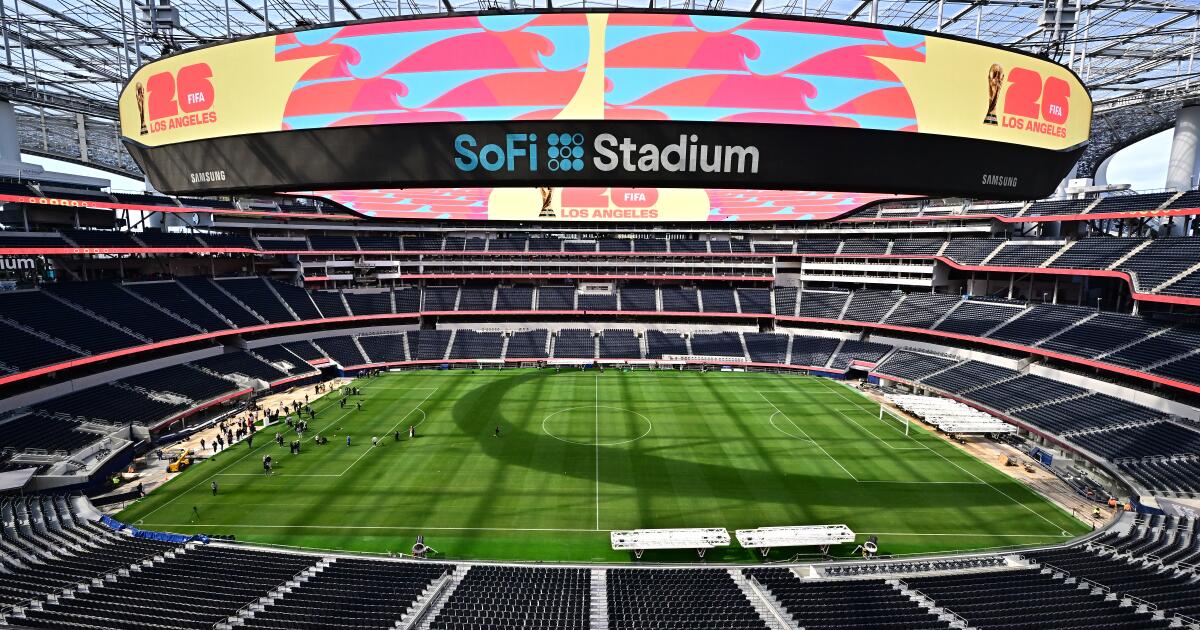
What makes it special: The newest and most technologically advanced stadium in North America, SoFi Stadium opened in 2020 and immediately became an architectural marvel. The infinity screen hanging above the field is the largest video board in sports, creating an immersive experience unlike any other.
Expected matches: Multiple group stage matches and potential knockout rounds
Rose Bowl Stadium – Historic Glory
Location: 1001 Rose Bowl Dr, Pasadena, CA 91103
Capacity: 88,500+
What makes it special: The Rose Bowl hosted the 1994 World Cup Final and is steeped in soccer history. Its iconic setting nestled in the Arroyo Seco makes it one of the most picturesque venues in world soccer.
Expected matches: Group stage and potential later rounds
🎫 Insider Tip: Getting Tickets
World Cup tickets are distributed through FIFA’s official lottery system. Sign up early at FIFA.com, and create backup plans with official hospitality packages. Tickets typically go on sale 12-18 months before the tournament. Join the Travel Diairi community for alerts when ticket sales open!
Choosing the right accommodation can make or break your World Cup experience. Here are our top recommendations based on proximity to venues, local character, and value.
Near SoFi Stadium (Inglewood/LAX Area)
The Proud Bird Hotel
⭐⭐⭐⭐ | Distance to SoFi: 3 miles
A unique aviation-themed hotel with excellent transportation links to SoFi Stadium. Features a rooftop bar with runway views and complimentary shuttle service during World Cup match days.
Why we love it: Affordable, character-filled, and perfectly positioned for both the stadium and LAX.
Luxury at its finest with a storied history. This elegant property offers world-class amenities, beautiful gardens, and impeccable service in a quieter, more refined setting.
Why we love it: Perfect for those who want a premium experience away from the hustle.
Spacious suites with kitchenettes, ideal for families or groups. Located in charming Old Town Pasadena with excellent restaurants and shops within walking distance.
Why we love it: Great value for groups and families with the flexibility of self-catering.
⭐⭐⭐⭐ | Distance to SoFi: 12 miles | Rose Bowl: 15 miles
Hip, historic hotel in the heart of downtown LA. Perfect for those who want to experience LA’s urban culture, nightlife, and dining scene. Housed in the historic United Artists building.
Why we love it: Authentic LA vibe with easy access to downtown attractions and Metro lines to both stadiums.
Book as early as possible—hotels near stadiums will sell out 6-8 months in advance. Consider neighborhoods with good Metro access rather than only focusing on proximity to stadiums. Areas like Downtown LA, Pasadena, and Santa Monica offer excellent transportation links and a richer LA experience.
🚇 Getting Around Los Angeles During the World Cup
LA’s infamous traffic requires smart planning, but the city is investing heavily in transportation improvements for 2026. Here’s your game plan:
Public Transportation (Recommended)
LA’s Metro system is expanding specifically for the World Cup:
Metro K Line (Crenshaw/LAX): Direct service to SoFi Stadium from downtown LA and LAX
Metro L Line (Gold Line): Connects downtown to Pasadena, with shuttle service to Rose Bowl on match days
Special World Cup Express Buses: FIFA and LA Metro are coordinating dedicated fan buses from major hubs
Cost: $1.75 per ride, $7 day pass (World Cup special passes expected)
Ride-Share & Taxis
Uber and Lyft are widely available, but expect surge pricing on match days. Budget $40-80 from downtown to SoFi Stadium during peak times.
Rental Cars
Only recommended if you’re planning extensive exploration beyond match days. Parking at stadiums is limited and expensive ($80+ per match). Consider using your rental car for day trips to Santa Barbara, San Diego, or Joshua Tree instead.
🚌 Pro Transportation Tip
Arrive at stadiums 3-4 hours before kickoff. This isn’t just about traffic—it allows you to soak in the pre-match atmosphere, visit fan zones, and avoid stress. Most memorable World Cup moments happen outside the stadium!
⚽ The Match Day Experience
Before the Match
LA is planning extensive fan zones and festivals:
SoFi Stadium Fan Zone
Opens 4 hours before kickoff with live music, food trucks, merchandise, and big screens showing other matches. Free entry with match ticket.
Rose Bowl Brookside Fan Fest
The historic Brookside area adjacent to the Rose Bowl transforms into a carnival atmosphere with activities for all ages.
LA Live World Cup Village
Downtown LA’s entertainment district will host viewing parties, concerts, and cultural celebrations throughout the tournament.
Stadium Tips
What to bring: Match ticket (mobile or print), ID matching ticket name, small clear bag only, sunscreen, hat
What NOT to bring: Large bags, umbrellas, professional cameras, outside food/drink
Weather prep: June/July in LA means sunshine and 75-85°F (24-29°C). Hydration is crucial.
Food inside: Both stadiums offer diverse options, but expect $15-25 per meal. Pre-game meal outside recommended.
📸 Creating Lasting Memories
“The World Cup isn’t just about the 90 minutes on the pitch—it’s about the journey, the people you meet, and the moments that take your breath away.”
Must-capture moments:
Your first glimpse of the stadium on match day
The national anthems (goosebumps guaranteed)
Celebrating with fans from around the world
The LA skyline at sunset from your seat
Post-match celebrations in the streets
Travel Diairi tip: Start a World Cup journal. Collect ticket stubs, write down conversations with fellow fans, note the food you ate. These details fade quickly but become treasured memories when documented.
🌮 Food & Dining: Taste Los Angeles
LA’s food scene is as diverse as its population. Don’t miss these World Cup-worthy dining experiences:
Pre-Match Dining Near SoFi
Earle’s on Crenshaw: Soul food institution, perfect for a hearty pre-match meal
Tacos El Gordo: Authentic Tijuana-style tacos (prepare for lines, worth it)
The Arsenal: Sports bar with international flair, great atmosphere
Dulan’s Soul Food Kitchen: LA staple for Southern comfort food
Pre-Match Dining Near Rose Bowl
The Raymond 1886: Historic fine dining in a craftsman home
Pie ‘N Burger: Old-school American diner, Pasadena institution
Old Pasadena restaurants: Colorado Boulevard offers dozens of options from Thai to Italian to Mexican
Must-Try LA Food Experiences
Grand Central Market
Historic downtown food hall with everything from pupusas to ramen. Perfect for groups with different tastes.
Koreatown BBQ
LA has the best Korean food outside Korea. Try Kang Ho Dong Baekjeong or Parks BBQ for the full experience.
Food Trucks
LA invented gourmet food trucks. Follow @LAFoodTrucks for locations. Kogi BBQ and Guerrilla Tacos are legendary.
🍽️ Dining Strategy
Make reservations for popular spots at least a week in advance during World Cup. For authentic experiences, venture beyond tourist areas—the best tacos, pho, and dim sum are in neighborhood spots where English menus might be scarce but flavor is abundant.
🎬 Beyond the Matches: Experiencing Los Angeles
You’re in Los Angeles—one of the world’s most iconic cities. Make time between matches to explore what makes LA legendary:
Must-See Attractions
Griffith Observatory
Free entry, stunning city views, and a planetarium. Visit at sunset for magical moments. 30 minutes from downtown.
Getty Center
World-class art museum with breathtaking architecture and gardens. Free admission (parking $20). Allow 3-4 hours.
Venice Beach Boardwalk
Classic LA people-watching, street performers, and beach vibes. Best in late afternoon. Grab dinner at Gjelina or watch sunset from the pier.
Hollywood Sign Hike
Earn your Instagram shot! The Wisdom Tree trail offers the best views. Start early (7am) to beat heat and crowds. 2-3 hours round trip.
Santa Monica Pier
Iconic amusement park on the pier, beautiful beach, and Third Street Promenade shopping. Perfect for families.
The Broad Museum
Contemporary art museum in downtown LA. Free admission but reserve tickets online. Infinity Mirrors are mind-blowing.
Neighborhoods to Explore
Downtown LA: Arts District murals, Grand Central Market, rooftop bars, cultural diversity
Silver Lake/Echo Park: Hipster coffee shops, vintage stores, Echo Park Lake pedal boats
Melrose Avenue: Street art, trendy boutiques, the Pink Wall Instagram spot
Little Tokyo: Authentic Japanese culture, amazing ramen, peaceful gardens
Why Mexico City Is a Must-Visit World Cup Destination
Mexico City will make history in 2026 as the only city to host FIFA World Cup matches three times. With the legendary Estadio Azteca hosting marquee games, the city will be buzzing with global fans, festivals, and football energy.
But what makes Mexico City truly special is this: you don’t come here only for football — you come for culture, food, history, and soul.
This guide helps you plan the perfect Mexico City World Cup trip:
What to do beyond the matches
How to plan flights, transport & match days
Where to stay — 15 hand-picked hotels you can book via TravelDiari
1️⃣ What Else to Do in Mexico City (Beyond the Stadium)
🏛️ Explore History & Culture
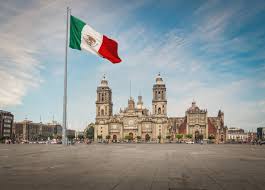
Zócalo & Historic Center – One of the world’s largest city squares, surrounded by colonial landmarks. Explore more about Zócalo and Centro Histórico.
Templo Mayor – Walk through ancient Aztec ruins right in the city center.
National Museum of Anthropology – A must-visit for understanding Mexico’s civilizations. Learn more about Mexico City’s world-class museums.
Avoid renting a car — traffic is heavy, especially on match days.
⚽ Match Day Tips
Reach the stadium early (2–3 hours).
Stay hydrated — Mexico City sits at high altitude.
Fan zones, bars, and watch parties will be everywhere in Roma, Condesa & Coyoacán.
🗓 Best Time to Visit
June–July offers warm days and lively evenings — ideal for sightseeing + football. Learn more about the best time to visit Mexico City.
3️⃣ Where to Stay in Mexico City for World Cup 2026
(15 Best Hotels You Can Book via TravelDiari)
Below are strategic hotel picks based on location, comfort, safety, and match-day access. All hotels link to TravelDiari’s official affiliate booking platform. For more accommodation options, browse our complete Mexico City hotels guide.
Book Your Mexico City Hotel Today
Secure the best rates for World Cup 2026 through TravelDiari’s trusted booking partner
Classic luxury with a peaceful courtyard, perfect for relaxing between matches. Located on prestigious Paseo de la Reforma with easy access to the city’s main attractions.
High-rise luxury with skyline views, spa, and premium service. Ideal for travelers seeking world-class amenities in the heart of the financial district.
Romantic, intimate boutique stay in a lively neighborhood. Perfect for travelers who want to be in the center of Mexico City’s coolest dining and nightlife scene.
⚽ Final Thoughts: Mexico City + World Cup 2026 = Once-in-a-Lifetime
Mexico City offers one of the richest World Cup experiences anywhere in the world — legendary football, unbeatable food, deep history, and unmatched atmosphere.
📌 Book early. 📌 Stay central. 📌 Use TravelDiari to lock in the best hotels.
Why the Golden Triangle Belongs on Every Traveler’s Bucket List
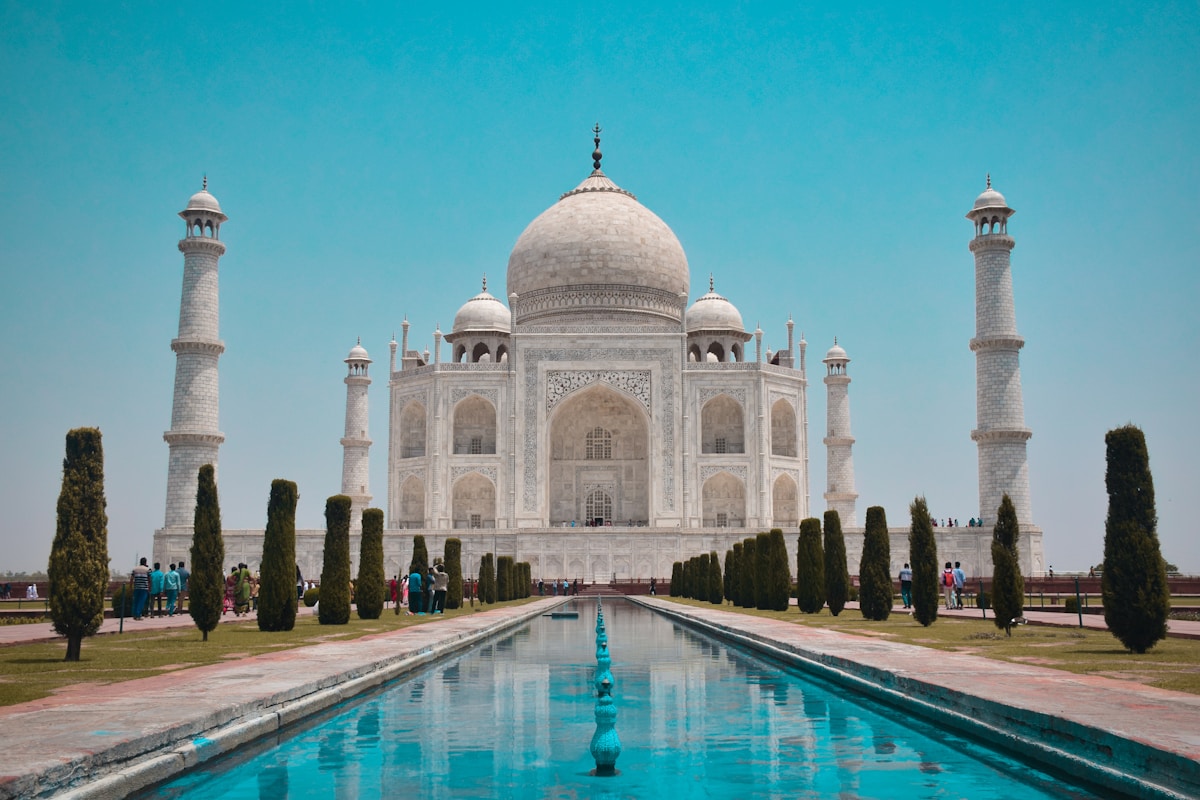
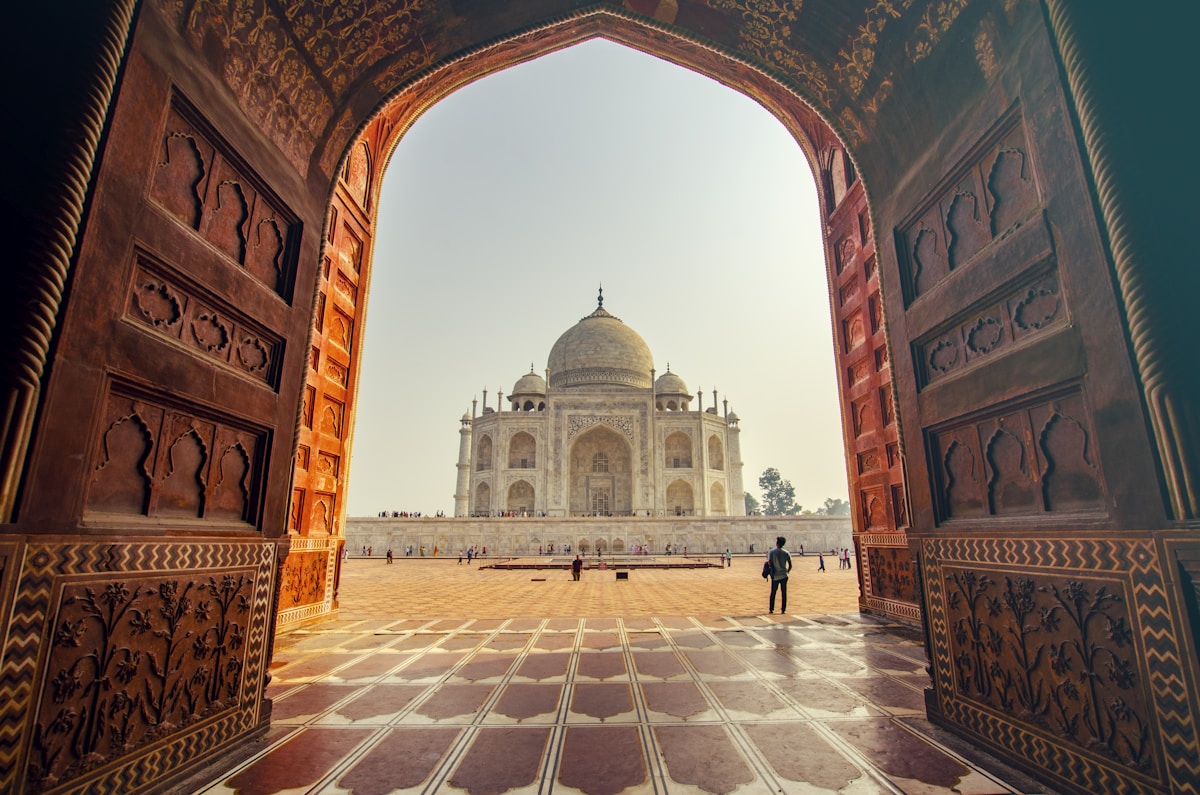
Imagine standing before the Taj Mahal at sunrise, wandering spice-filled bazaars in Jaipur, and exploring centuries-old monuments in Delhi — all in one seamless trip.
This route is perfect for:
🌍 First-time visitors to India
💑 Couples & honeymooners
👨👩👧 Families & multigenerational trips
📸 Culture & history lovers
Your Perfect 5-Day Itinerary
Day 1
Arrive in Delhi: India’s Dynamic Capital
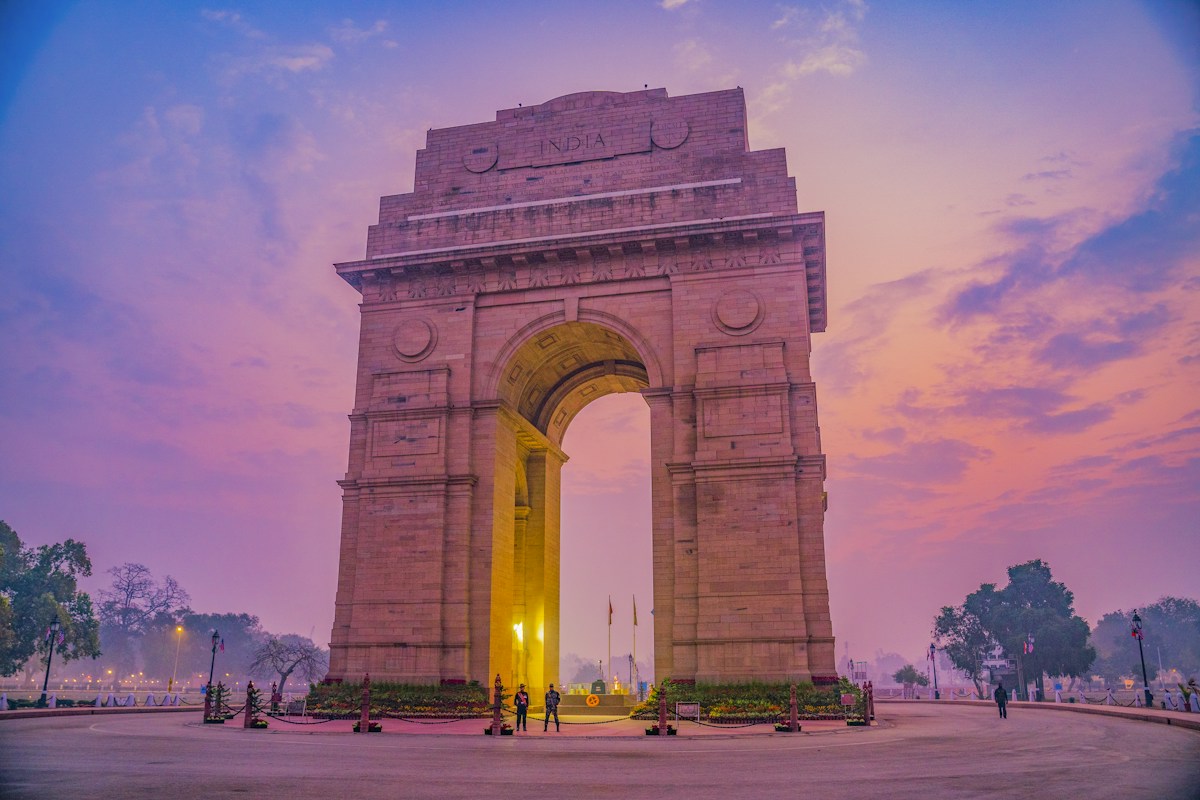
Welcome to India! Delhi is chaotic, colorful, and captivating — the perfect introduction to this incredible country. Start with India Gate, a war memorial that’s stunning at sunset. Visit Humayun’s Tomb, a UNESCO World Heritage Site and architectural precursor to the Taj Mahal. End your day with authentic Indian cuisine at one of Delhi’s renowned restaurants.
Day 2
Delhi Sightseeing → Drive to Agra
Dive into Old Delhi’s vibrant markets, where the aroma of spices fills the air. Explore Jama Masjid, one of India’s largest mosques, and pay respects at Raj Ghat, Mahatma Gandhi’s memorial. After lunch, take a comfortable 3-4 hour drive to Agra. Check into your hotel and prepare for tomorrow’s unforgettable sunrise.
Day 3
Taj Mahal Sunrise → Jaipur via Fatehpur Sikri
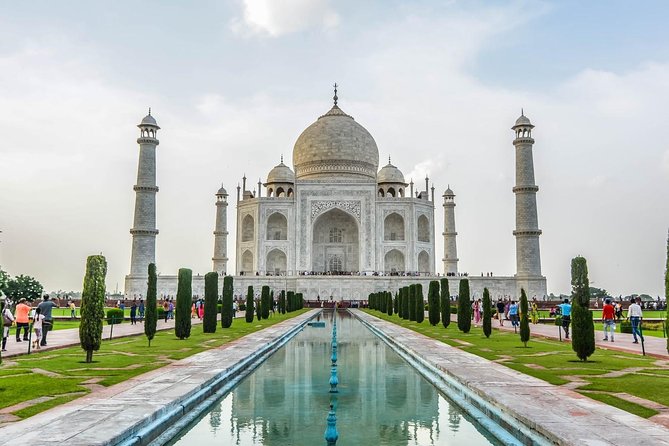
Wake before dawn for a moment you’ll never forget — watching the Taj Mahal glow in the first light of day. This monument to eternal love looks different every minute as the sun rises. After visiting Agra Fort, continue to Jaipur with a fascinating stop at Fatehpur Sikri, the abandoned Mughal capital and UNESCO World Heritage Site.
Day 4
Jaipur: The Royal Pink City
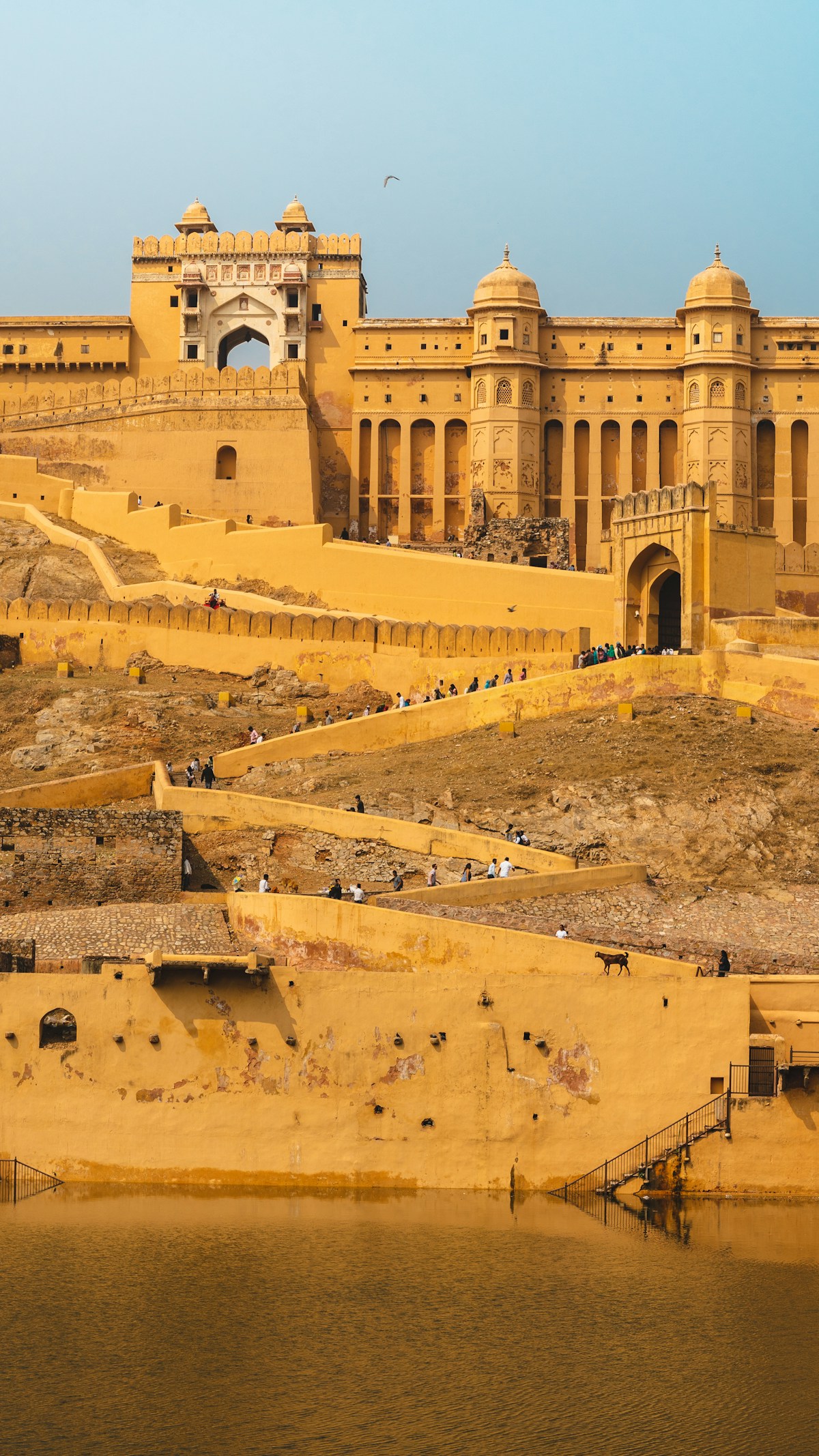
Today belongs to the Pink City! Start at the majestic Amber Fort, perched on a hilltop with stunning views. Visit City Palace, still home to Jaipur’s royal family, and snap photos at Hawa Mahal (Palace of Winds). End your day shopping for handicrafts, textiles, and jewelry in colorful bazaars, then enjoy dinner on a rooftop with city views.
Day 5
Return to Delhi or Continue Exploring India
As your Golden Triangle journey concludes, you have options: fly home from Delhi or continue your Indian adventure. Many travelers extend to Varanasi (spiritual India), Kerala (backwaters & beaches), Goa (coastal paradise), or deeper into Rajasthan (desert fortresses). Save these destinations to your wishlist for your next visit!
💡 Pro Tip
Golden Triangle hotels sell out quickly during peak season (October-March). Secure your accommodations early through TravelDiari’s trusted booking platform to get the best rates and availability.
Where to Stay: Best Hotels to Book
Choosing the right hotel transforms your experience. These properties are loved by global travelers for their comfort, location, and exceptional service.
Delhi Hotels
The Lalit New Delhi
📍 Connaught Place, Central Delhi
Luxury hotel with world-class amenities, multiple dining options, and easy access to Delhi’s major attractions.
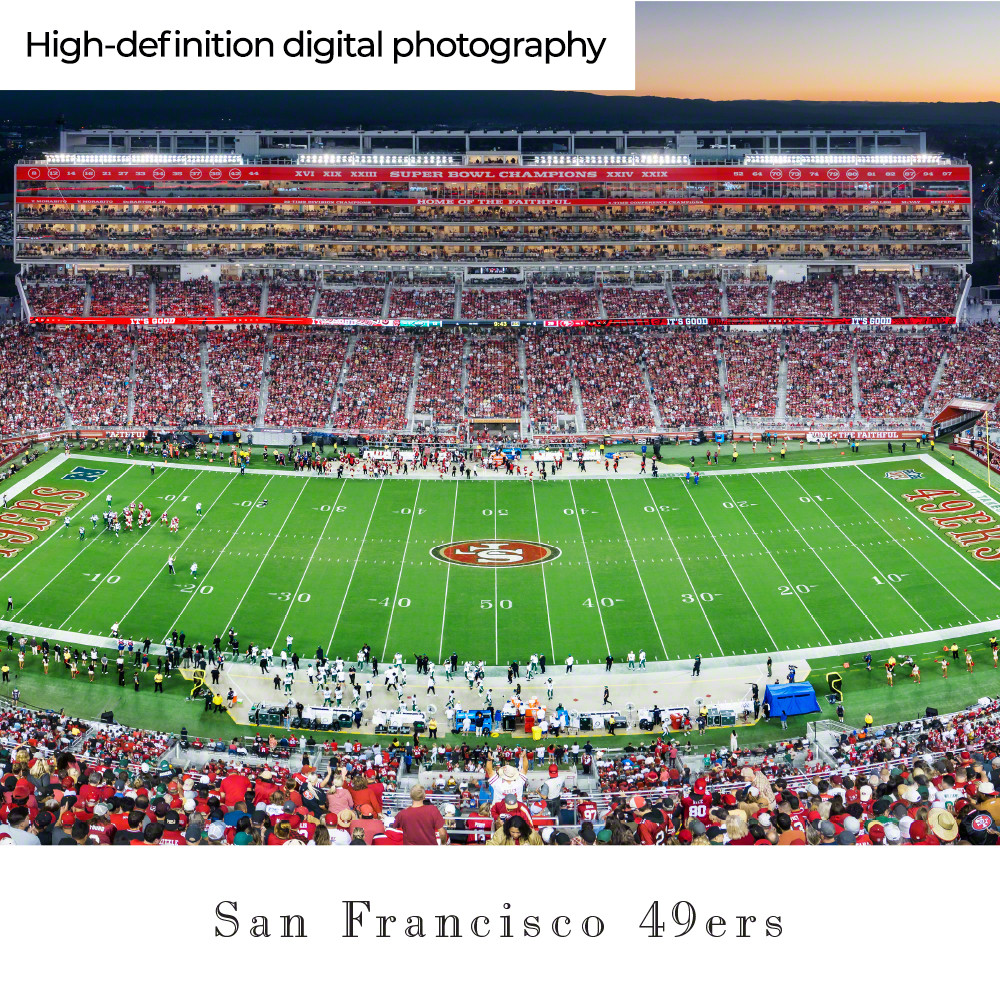
The Super Bowl isn’t just one game — it’s the biggest annual sports event in the U.S., and Super Bowl LX (60) on February 8, 2026 at Levi’s Stadium in Santa Clara, California will be a weekend-long celebration of football, culture, concerts, and Bay Area adventure.
Whether you’re flying in for kickoff or planning to make a full weekend out of it, this guide gives you everything you need — where to stay, what to do, how to plan travel and fun beyond the game.
Super Bowl LX will bring thousands of fans to the Bay Area in early February. Here’s what to expect:
Major fan events and festivities around San Jose, not just at Levi’s Stadium, including concerts, fan experiences, and watch parties
A globally streamed halftime show and pregame performances by top artists
Heavy travel demand — so book flights and hotels months in advance
✈️Getting There: Airports & Transport
Airports Serving Super Bowl Travelers
San Jose Mineta International Airport (SJC) — Closest to Levi’s Stadium (10-15 minutes)
San Francisco International Airport (SFO) — About 35-45 minutes by car
Oakland International Airport (OAK) — About 40-50 minutes by car
Travel Tips
Fly in at least 2-3 days early to avoid delays and get better fares
Consider direct flights that may be added for the Super Bowl weekend — airlines often launch extra routes
Getting Around
Public Transit: VTA Light Rail and Caltrain are excellent for avoiding traffic to the stadium
Shuttle Services: Many hotels offer game-day shuttles
Ride-shares: Available but expect surge pricing and long wait times after the game
🏨Top 10 Hotels to Book for Super Bowl Weekend
⚠️ Pro Tip: Staying in Downtown San Jose or Santana Row gives better access to nightlife, festivals, and dining, while hotels in Santa Clara put you closest to the stadium.
Hotels Closest to Levi’s Stadium (Walking Distance)
Hyatt Regency Santa Clara
Classic choice right near the stadium — perfect for game day access.
Hilton Santa Clara
Walkable and convenient with event energy and amenities.
Santa Clara Marriott
Spacious rooms and excellent service.
Embassy Suites by Hilton Santa Clara Silicon Valley
Great for families with suite-style rooms.
Element Santa Clara
Stylish and comfortable with strong guest reviews.
More Comfortable & Stylish Options Nearby
AC Hotel San Jose Santa Clara
Luxury boutique vibes and modern design.
Delta Hotels Santa Clara Silicon Valley
Well-rounded choice with good dining options.
Avatar Hotel Santa Clara
Trendy and vibrant choice near attractions.
Aloft Santa Clara
Stylish budget-friendly base.
TownePlace Suites by Marriott San Jose Santa Clara
Great extended-stay option for longer stays.
🍔Things to Do — Beyond Football
While the game is the centerpiece, the Bay Area offers plenty to fill your Super Bowl weekend.
🏙️Explore San Jose & the Bay Area
Downtown San Jose
Plaza de César Chávez: Historic city heart and event hub
Circle of Palms Plaza: Historic landmark at the original California state capital site
Museums like The Tech Interactive and the San Jose Museum of Art (great for tech lovers)
Hip food scenes and bars along Santa Clara Street and surrounding areas
Historic & Cultural Spots
Mexican Heritage Plaza: Cultural center celebrating Chicano and Mexican-American arts
Alum Rock Park: Vast urban park with scenic trails and views (good for fresh air before game day)
🛍️Shopping & Lifestyle Districts
Santana Row: Upscale shopping, dining, and nightlife — perfect for a relaxing night out.
📸Food, Drinks & Nightlife
San Pedro Square Market: Local favorite for casual eats and outdoor drinks
Numerous breweries, gastropubs, and wine bars across San Jose and Santa Clara
Local spots fill rapidly — book reservations early!
🏈Super Bowl Week Events & Fan Experiences
Super Bowl weekend is much more than Sunday night. Expect:
Official NFL fan fests (likely in downtown San Jose)
Concerts, watch parties, and nightlife events throughout the Bay Area
Nightly festivities, interactive fan zones, and special appearances
This year’s huge halftime show and pregame performers will add to the excitement
🍽️Game Day & Tailgate Tips
Arrive early: Traffic and parking near Levi’s Stadium will be heavy; lots typically open ~3.5 hours before kickoff
Parking passes: Buy in advance; they sell out fast and can be expensive
Tailgating: Official zones may be limited at the Super Bowl; consider pre-game events in nearby areas
Public transit: VTA Light Rail is a smart way to reach the stadium without parking hassle
📅Itinerary Tips for Travelers
Thursday / Friday
Arrive, settle into your hotel
Explore Santana Row or Downtown San Jose
Attend fan festivals and kickoff parties
Saturday
Museums, parks, tech attractions
Nightlife or fan experiences — music, bars, or Bay Area highlights
Sunday — Game Day
Early brunch or tailgate party
Head to Levi’s Stadium via transit or hotel shuttle
Post-game celebrations at local venues
Monday
Relax and explore scenic spots like Alum Rock Park or nearby coastal towns
🧠Final Planning Tips
Book flights & hotels now — rates and availability drop quickly
Plan transit options — trains and shuttles beat traffic
Make dinner reservations early — restaurants fill up during Super Bowl weekend
Pack for diverse weather — February can be mild but breezy in the Bay Area
Need more help? If you’d like tailored recommendations — like best nightlife spots, or a sample 3-day itinerary — reach out for personalized travel planning assistance!
Sonder Collapse 2025: How to Get Your Money Back – Complete Refund Guide
Sonder Collapse 2025: How to Get Your Money Back
Complete Refund Guide for Affected Travelers – Step-by-Step Instructions for Marriott Bookings and Credit Card Disputes
For travelers booked with Sonder (including bookings via Marriott): This comprehensive guide explains what happened, how to get refunds for cancelled bookings, and how to protect yourself from similar situations in the future.
What Happened with Sonder
In November 2025, Marriott International terminated its licensing agreement with Sonder, a short-term rental operator that had rapidly expanded its portfolio through the partnership. The termination triggered a cascade of events that led to Sonder winding down operations and moving toward bankruptcy proceedings.
This sudden collapse removed thousands of Sonder listings from Marriott’s booking systems and left many travelers without accommodations for upcoming trips—despite having already paid for confirmed reservations.
⚠️ Important: If you have an upcoming Sonder booking, act quickly. The sooner you document your situation and file for refunds, the better your chances of recovering your money.
Step-by-Step Refund Process
Follow these detailed steps to maximize your chances of getting a full refund:
Step 1: Identify Who Charged Your Card
This is the most critical first step. Review your credit card statement and booking confirmation email to determine whether the merchant of record is listed as Sonder or Marriott. This distinction determines which refund path you’ll follow.
Why this matters: If Marriott processed your payment, you may have more leverage through Marriott’s customer service. If Sonder charged your card directly and the company is insolvent, a credit card chargeback may be your only option.
Step 2: Gather Written Documentation
Before contacting anyone, collect and save all relevant documentation:
Original booking confirmation emails
Cancellation notifications or property closure notices
Screenshots of cancelled reservations in booking portals
Email correspondence with Sonder, Marriott, or booking platforms
Credit card statements showing the charge
Any communication acknowledging the booking cancellation
Step 3: Contact the Appropriate Booking Channel
Based on who charged your card, take the following action:
If booked through Marriott
Contact Marriott Customer Care immediately and request a full refund. Have your booking confirmation number ready and reference Marriott’s November 2025 announcement about the Sonder partnership termination.
If booked through Sonder directly
Attempt to contact Sonder’s customer service, but if operations have ceased or you receive no response within 48 hours, proceed directly to Step 4 (credit card dispute).
If booked through OTA (Expedia, Booking.com, etc.)
Contact the online travel agency’s customer service and file a claim for services not rendered. Most OTAs have policies for merchant insolvency situations.
Step 4: File a Credit Card Dispute (Chargeback)
If the merchant charged directly is Sonder, or if other refund attempts fail, filing a chargeback with your credit card issuer is often the most effective solution:
Contact your card issuer’s dispute department: Call the number on the back of your card and ask to file a dispute for “services not rendered” or “merchant insolvency”
Provide your documentation: Submit all the evidence you gathered in Step 2
Explain the situation clearly: State that the merchant (Sonder) went out of business and cannot fulfill the reservation you paid for
Follow up regularly: Credit card disputes can take 30-90 days to resolve. Check status weekly
Be persistent: If your first dispute is denied, you can often appeal with additional documentation
✓ Success Tip: Credit card companies generally side with consumers in merchant insolvency cases. Be thorough with documentation and persistent in follow-up, and you have a strong chance of recovering your money.
Step 5: Save Receipts for Emergency Rebooking
If you had to book alternative accommodation at the last minute due to your Sonder cancellation, keep all receipts and documentation. These may be useful for:
Travel insurance claims (if you have coverage for supplier insolvency)
Supporting your credit card dispute with proof of damages
Potential future class action lawsuits or bankruptcy proceedings
Why Chargebacks Become Necessary
When a company files for bankruptcy or becomes insolvent, traditional refund processes often fail. Here’s why chargebacks are crucial in these situations:
Merchant insolvency means the company lacks the financial resources to process refunds through normal channels. Even if Sonder wanted to issue refunds, they may not have the operational capacity or available funds to do so.
Credit card protections exist specifically for these scenarios. When you pay with a credit card, you’re protected by federal regulations that allow you to dispute charges for services not received. The card issuer essentially reverses the charge and recovers funds from the merchant’s account or insurance.
Time is critical because most credit card companies have dispute deadlines (typically 60-120 days from the transaction date or when you discovered the problem). File as soon as you know your booking is cancelled.
Understanding the Sonder Collapse
Understanding what went wrong can help you avoid similar situations in the future. Here’s what led to Sonder’s failure:
Rapid Expansion and Marriott Partnership
Sonder pursued aggressive growth, acquiring properties and entering into a substantial licensing agreement with Marriott International. This partnership promised to bring Sonder’s portfolio into Marriott’s distribution system, giving the startup access to millions of Marriott Bonvoy members.
Integration Challenges
The technical integration between Sonder’s systems and Marriott’s massive booking infrastructure proved more complex and costly than anticipated. Problems with inventory management, pricing synchronization, and booking confirmations created operational headaches.
Liquidity Crisis
As a venture-backed startup, Sonder was already operating with thin margins. The unexpected integration costs, combined with the capital-intensive nature of the short-term rental business, created a liquidity crunch. When Marriott terminated the partnership, it removed Sonder’s primary distribution channel and accelerated the company’s financial collapse.
Rapid Shutdown
The speed of the collapse—from partnership termination to operational shutdown—created a ripple effect across thousands of pre-paid reservations. Guests found themselves without accommodations, often with little advance notice.
How to Protect Yourself in Future Bookings
While you can’t eliminate all risk when booking travel, these strategies significantly reduce your exposure to merchant failures:
1. Choose Refundable Bookings When Possible
Yes, refundable rates cost more, but they provide flexibility if anything goes wrong—not just merchant insolvency, but also personal emergencies or itinerary changes.
2. Check the Merchant of Record
Before finalizing any booking, verify who will actually charge your card. Established hotel chains and major OTAs generally have more financial stability than startups.
3. Use Credit Cards with Strong Protections
Pay with credit cards (not debit cards) that offer robust consumer protections and travel benefits. Premium travel cards often include additional insurance and extended dispute windows.
4. Consider Travel Insurance
Quality travel insurance policies include “supplier default” or “financial insolvency” coverage that protects you if a travel provider goes bankrupt. This is especially valuable for expensive international trips.
5. Research Company Financial Health
For bookings with smaller companies or startups, do quick research on their financial stability. Look for recent news, funding announcements, or warning signs like sudden service changes.
6. Keep Comprehensive Documentation
Save all confirmation emails, take screenshots of booking details, and maintain records of all travel-related purchases. This habit makes disputes much easier if problems arise.
7. Book Closer to Travel Dates for Risky Vendors
If you must book with a less-established provider, consider booking closer to your travel dates to reduce the window of exposure to merchant insolvency.
8. Diversify Your Bookings
For important trips, don’t put all accommodations with a single provider—especially newer or less proven ones. Spreading risk across multiple vendors protects you if one fails.
Understanding Your Rights as a Consumer
When a travel provider fails to deliver services you paid for, you have several layers of consumer protection:
Credit Card Protections (Regulation Z)
The Fair Credit Billing Act gives you the right to dispute charges for goods or services not delivered as agreed. This applies when a merchant goes bankrupt before fulfilling your reservation.
Travel Insurance Coverage
If you purchased travel insurance with supplier default coverage, you may be entitled to reimbursement even if credit card disputes fail. Check your policy’s specific terms.
State Consumer Protection Laws
Many states have consumer protection statutes that provide additional remedies for unfulfilled services. While bankruptcy proceedings complicate matters, these laws may support your claims.
If you’re currently affected by the Sonder collapse and need immediate assistance, we can help you create customized documents:
✓ One-page refund checklist to guide you through the process
✓ Template dispute letter for your credit card company
✓ Email template for contacting Marriott or OTAs
Reply with “checklist” or “template” to get started, or contact your card issuer’s dispute department immediately.
What’s Next for Affected Travelers
The Sonder situation continues to evolve. Here’s what to monitor:
Bankruptcy proceedings: If Sonder files for formal bankruptcy, there may be a claims process for creditors—though unsecured creditors (like customers owed refunds) typically recover little
Class action lawsuits: Consumer attorneys may file class actions against Sonder or Marriott. While these can take years, they may eventually provide some recovery
Credit card dispute outcomes: Track your dispute carefully and be prepared to provide additional documentation if requested
Marriott’s response: Monitor whether Marriott offers any additional remedies or compensation for affected Bonvoy members
Bottom Line: Don’t wait for bankruptcy proceedings or class actions. File your credit card dispute immediately to protect your rights and maximize your chances of a full refund.
Help other travelers: Share this guide with anyone affected by the Sonder collapse
Asia has emerged as the undisputed crown jewel of luxury hospitality, offering experiences that seamlessly blend ancient cultural heritage with cutting-edge modern amenities. From overwater villas in the Maldives to heritage palaces in India, these 12 extraordinary resorts represent the pinnacle of Asian luxury travel.
Why Asia Hosts the World’s Most Luxurious Resorts
Asia’s luxury resort scene has flourished due to several compelling factors: Cultural Authenticity Meets Modern Luxury – Asian resorts excel at incorporating local traditions, architecture, and culinary heritage into world-class amenities. Diverse Landscapes – From pristine Maldivian atolls to ancient Indian palace cities, Asia offers unparalleled destination variety. Service Excellence – The renowned Asian hospitality tradition creates service standards that often exceed global expectations.
What Sets These Properties Apart
Selection Criteria
Unique architectural design and location
Exceptional service standards
Cultural authenticity and immersive experiences
Exclusive amenities and personalized service
Recognition from luxury travel publications
What to Expect
Transformative guest experiences
World-class spa and wellness facilities
Michelin-level dining experiences
Private beaches and exclusive access
Personalized concierge services
1. JOALI Maldives
Raa Atoll, Maldives
$2,500 – $8,000+ per night
Best Time to Visit
December – April
Beaches
2 Private Beaches
Location
Exclusive Northern Tip
Located on Boracay’s exclusive northern tip, Shangri-La Boracay offers a sophisticated island retreat away from the crowds, with pristine beaches and lush tropical gardens creating an intimate luxury experience.
What Makes It Unique:
Two private beaches (Bulabog and Ilig-Iligan)
Overwater spa treatment rooms
Marine sanctuary for snorkeling and diving
Traditional Filipino architecture with modern luxury
Adventure activities including island hopping and water sports
Signature Experience:
Private island picnic on a secluded sandbar with gourmet Filipino cuisine and traditional cultural performances under tropical skies.
The Waldorf Astoria Maldives spans three private islands connected by scenic walking trails, offering unprecedented luxury and privacy in one of the world’s most pristine marine environments.
What Makes It Unique:
Spans three private islands with unique experiences on each
Stella Maris Restaurant – first underwater dining venue in the Maldives
Aquafit Wellness Center with underwater treatment rooms
Private yacht charters and seaplane excursions
24-hour private island for exclusive use
Signature Experience:
Dining at the underwater Stella Maris restaurant with 360-degree marine views and innovative molecular gastronomy creating an otherworldly experience.
Nay Palad Hideaway offers an ultra-exclusive experience on a private island, catering to discerning travelers seeking complete privacy and personalized service in an untouched natural paradise.
What Makes It Unique:
Entire private island with only 10 villas
No schedules – complete freedom to dine and enjoy activities
Private marine sanctuary for exclusive diving and snorkeling
Personalized service with dedicated villa hosts
Sustainable luxury with solar power and rainwater harvesting
Signature Experience:
Private sunset cruise with traditional Filipino BBQ on a secluded sandbar, accompanied by local musicians creating magical island memories.
Built in 1746 as a royal summer palace, the Taj Lake Palace seems to float serenely on Lake Pichola, offering guests an authentic maharaja experience in one of India’s most romantic settings.
What Makes It Unique:
18th-century marble palace floating on Lake Pichola
Arrival exclusively by royal boat
Rooms with lake and City Palace views
Traditional Rajasthani architecture with mother-of-pearl, crystal, and mirror work
Royal boat rides and palace tours
Signature Experience:
Private royal dinner on the Mewar Terrace with traditional Rajasthani cuisine, classical music, and views of the illuminated City Palace.
Amanpulo occupies an entire pristine island, offering unparalleled privacy and natural beauty with Aman’s signature minimalist luxury and exceptional personalized service.
What Makes It Unique:
Private island accessible only by chartered flights
Casitas and villas with direct beach or hilltop locations
Private airstrip for exclusive arrivals
World-class diving and water sports
Aman Spa with traditional Filipino healing therapies
Signature Experience:
Private beach barbecue with live cooking by executive chef, traditional Filipino entertainment, and stargazing with professional astronomer.
Perched on a gentle hillside overlooking the Gulf of Thailand, Four Seasons Koh Samui combines contemporary Thai design with tropical luxury and world-class spa treatments.
What Makes It Unique:
Hillside villas with infinity pools and ocean views
Secret Earth Spa built into natural hillside caves
Traditional Thai architecture with modern amenities
Private beach with water sports center
Cooking school with royal Thai cuisine classes
Signature Experience:
Private dinner at the Beach Pavilion with traditional Thai dance performance and personalized menu by the executive chef.
Alila Villas Uluwatu showcases sustainable luxury with contemporary design that harmonizes with the dramatic clifftop setting, offering panoramic ocean views and eco-conscious amenities.
What Makes It Unique:
Sustainable architecture using locally sourced materials
Clifftop infinity pool with ocean views
Award-winning Spa Alila with organic treatments
Farm-to-table dining with on-site herb gardens
Cultural immersion programs with local artisans
Signature Experience:
Sunrise yoga session on the cliff edge followed by organic breakfast featuring produce from the resort’s gardens.
Peak Season: December to April – dry season with calm seas
Shoulder Season: May and November – fewer crowds, occasional rain
Avoid: June to October – monsoon season
🏛️ Indian Heritage Properties
Oberoi Agra, Oberoi Jaipur, Taj Udaipur
Peak Season: October to March – pleasant weather and clear skies
Shoulder Season: April and September – hot but manageable
Avoid: May to August – extreme heat and monsoon rains
🌺 Indonesian Resorts
Mulia Bali, Ritz-Carlton Bali, Alila Uluwatu
Peak Season: May to September – dry season with perfect weather
Shoulder Season: April and October – transitional weather
Avoid: November to March – wet season
🏖️ Philippine Resorts
Shangri-La Boracay, Nay Palad, Amanpulo
Peak Season: December to May – dry season with calm seas
Shoulder Season: June to August – summer season with occasional rain
Avoid: September to November – typhoon season
Price Ranges and Booking Tips
Ultra-Luxury Tier ($2,000+ per night)
JOALI Maldives, Waldorf Astoria Maldives, Amanpulo – These properties offer the ultimate in luxury with private islands, exclusive amenities, and unparalleled service.
High-Luxury Tier ($800-$2,000 per night)
Ritz-Carlton Bali, Four Seasons Koh Samui, Nay Palad Hideaway – Premium luxury with exceptional locations and world-class amenities.
Premium Luxury Tier ($300-$800 per night)
Mulia Bali, Oberoi properties, Shangri-La Boracay – High-end luxury with excellent value and authentic cultural experiences.
💡 Money-Saving Tips
Book Direct: Resort websites often offer exclusive perks
Shoulder Season: Save 30-50% with fewer crowds
Extended Stays: 5+ nights often include discounts
Early Booking: Reserve 6-12 months ahead for best rates
Package Deals: All-inclusive packages provide better value
✅ What’s Typically Included
Daily breakfast for two guests
Airport transfers (varies by resort)
Wi-Fi and basic amenities
Access to fitness centers and pools
Some resorts include spa credits or dining allowances
How to Choose Your Perfect Asian Luxury Resort
💕 For Romance & Honeymoons
Top Picks: JOALI Maldives, Taj Lake Palace Udaipur, Amanpulo
Private dining options and couple’s spa treatments
Secluded locations with stunning sunsets
Personalized service and romantic amenities
🏛️ For Cultural Immersion
Top Picks: Oberoi Agra, Oberoi Jaipur, Taj Lake Palace
Rich historical significance and authentic architecture
Cultural activities and local artisan workshops
Traditional cuisine and heritage experiences
🏄♂️ For Adventure & Activities
Top Picks: Shangri-La Boracay, Four Seasons Koh Samui, Nay Palad
Extensive water sports and marine activities
Island exploration and nature excursions
Adventure packages and guided experiences
🧘♀️ For Wellness & Relaxation
Top Picks: Alila Villas Uluwatu, JOALI Maldives, Ritz-Carlton Bali
World-class spa facilities and treatments
Yoga and meditation programs
Healthy cuisine and detox packages
🏝️ For Absolute Privacy
Top Picks: Amanpulo, Nay Palad Hideaway, Waldorf Astoria Maldives
Private islands or exclusive villa compounds
Minimal guest numbers and secluded locations
Personalized service without crowds
Your Gateway to Extraordinary Asian Luxury
These 12 extraordinary resorts represent the pinnacle of Asian luxury hospitality, each offering unique experiences that blend cultural authenticity with world-class amenities. From the art-immersive paradise of JOALI Maldives to the floating palace experience at Taj Lake Palace Udaipur, these properties create transformative travel experiences that linger in memory long after departure.
When selecting your perfect Asian luxury resort, consider your travel priorities: cultural immersion, romantic ambiance, adventure activities, wellness focus, or absolute privacy. Each of these carefully curated properties excels in different areas while maintaining the highest standards of luxury and service.
The key to maximizing your experience lies in choosing the right resort for your specific desires and traveling during optimal seasons. With proper planning and realistic budget expectations, any of these properties will provide an unforgettable luxury travel experience that exemplifies the very best of Asian hospitality.