Looking to skip the hassle of comparing Delta flights, Hilton deals, and Google Maps? In 2026, AI travel planners craft personalized itineraries, snag deals on international flights, optimize jet-lag-friendly routes, and handle bookings. Perfect for Americans planning Maldives escapes, family road trips across national parks, or luxury group trips to Bali. In this article, we will look at the best AI travel planners in 2026 and their top use cases.
Why Travelers Love AI Travel Planners in 2026?
Flight Deals: Scans Kayak/Expedia for US hubs (JFK, LAX).
Personalization: Tailored for families, solos, or 50+ with accessibility.
TSA/Visa Smarts: Logistics for international trips.
Road Trip Optimization: Domestic US routes (e.g., Route 66 revamps).
Pro Tip: Pair with TSA PreCheck apps for seamless starts.
Layla.ai: Best Chat AI Trip Planner for Quick US Getaways
Prompt: “5-day Japan food trip from SFO.” Gets maps, sushi spots, and US flight links.
Key Features
Natural chat for instant US-centric plans.
Visual recs with photos.
Pros
Cons
Easy for busy Americans
No direct bookings
Solo/short trips
Complex needs limited
Best For: Gen Z US budget escapes.
Pricing: Free.
Mindtrip: Best Visual AI for International Discovery
Visual previews for US flyers to Vietnam or Bali.
Key Features
Immersive images/collaboration.
Group planning for US friend trips.
Pros
Cons
Destination inspiration
Option overload
Solid collab
Booking gaps
Best For: Americans exploring Indonesia’s offbeat attractions.
Pricing: Free trial; $4.99+/month.
Trip Planner AI: Best Free Budget Tool for US Road Trips
Optimizes multi-city US drives or cheap Europe flights.
Key Features
Budget scans (e.g., Southwest deals).
Mobile for on-the-go Americans.
Pros
Cons
Cost savings
Basic personalization
Best For: US family budget travel 2026.
Pricing: Free.
iPlan.ai: Best Speedy AI for US City Breaks
Quick plans for NYC weekends or LA escapes.
Key Features
Drag-drop with calendar export.
Pros
Cons
Lightning fast
Short trips best
Best For: US domestic short-hauls.
Pricing: Free.
TravelDiari: Best End-to-End AI Travel Planner for Americans
TravelDiari is the ultimate AI travel manager for US users, founded by Ajay Singh (ex-BCD Travel). Excels at luxury US-to-Asia trips like NYC to Maldives or LA to Bali.
Key Features of TravelDiari
Multi-agent AI with real-time adjustments (e.g., weather delays).
A Vienna study abroad student’s wild weekend in Budapest covering ruin bars, thermal baths, epic food, and budget travel hacks — perfect for students, Gen Z travelers, and active retirees
Budapest weekend trip Vienna to Budapest Student travel Hungary Ruin bars Budapest Budget weekend trip
Last weekend, six of us from The Social Hub in Vienna spontaneously decided to hit Budapest.
We booked Friday morning, left Friday afternoon, and returned Sunday night absolutely exhausted
but convinced that Budapest might be the most fun weekend trip in Europe.
This isn’t your typical tourist guide. This is the real deal — where to party until 5 AM in
abandoned buildings turned bars, which thermal baths won’t be packed with screaming children,
what street food will blow your mind for €3, and how to do Budapest on a student budget while
still experiencing everything that makes this city legendary.
But here’s what surprised me: Budapest isn’t just for 20-somethings. My friend’s parents visited
at the same time (retirees in their 60s), and they had a completely different but equally incredible
experience — opera, elegant cafes, luxury thermal spas, and river cruises. This guide covers it all.
Whether you’re a student studying abroad in Vienna, a Gen Z backpacker, or an active retiree looking
for culture and relaxation, Budapest delivers. Let me show you how.
Getting from Vienna to Budapest: The Easy 2.5-Hour Journey
One of Budapest’s biggest advantages as a weekend destination? It’s ridiculously close to Vienna
and insanely cheap to reach.
🚂 Train (Best Option for Most Travelers)
ÖBB Railjet trains run multiple times daily, taking 2 hours 40 minutes from
Wien Hauptbahnhof (Vienna Main Station) to Budapest Keleti. The trains are modern, comfortable,
with WiFi, power outlets, and cafe cars.
Pricing:
Standard ticket: €19-39 if booked 1-2 weeks ahead
Last-minute: €40-60
Student discount: Available with ISIC card or Austrian student ID
ÖBB Sparschiene deals: Sometimes as low as €13 if you book early and are flexible
We paid €24 each for Friday afternoon departure, €27 for Sunday evening return. Book at oebb.at or use the ÖBB app (works in English).
🚌 Bus (Budget Champion)
FlixBus and RegioJet run frequent routes for €10-20, taking 3-3.5 hours.
Buses are comfortable enough with WiFi and toilets, but slower than trains. Best for extreme
budget travelers or if train times don’t work.
✈️ Flight (Not Recommended)
Flights exist but make zero sense for this route. By the time you factor in airport travel,
security, and check-in, trains are faster and cheaper.
My take: Train is worth the extra €5-10 over bus. You save an hour, the comfort
is superior, and you arrive in central Budapest ready to go. Plus, the Railjet has great views
of the Hungarian countryside.
Ready to Plan Your Budapest Weekend?
Use TravelDiari to search Budapest hotels, create your custom itinerary, and build a wishlist of must-see attractions.
This is THE legendary party hostel. Located in the Jewish Quarter near ruin bars, it’s where
we stayed and where the wildest people gather. Nightly pub crawls, rooftop parties, communal
dinners. Fair warning: if you want sleep, stay elsewhere. If you want to meet people and rage,
this is heaven.
Vibe: 18-25 crowd, international backpackers, constant party energy
Similar party vibe to Carpe Noctem but slightly more chill. Great common areas, free breakfast,
organized activities. Near Oktogon metro station, central to everything.
Vibe: Social but you can actually sleep if needed
🏨 Wombat’s City Hostel Budapest
STUDENTS GEN Z
Price:€18-25/night (dorms), €55-70 (private)
Chain hostel that balances social atmosphere with actual amenities. Clean, modern, secure lockers,
good breakfast. Less party-focused than Carpe Noctem. Two locations: one near Keleti Station,
one near Opera House.
Vibe: Students and young professionals, international mix
For Gen Z Travelers Wanting Comfort (€40-80/night)
🏨 The Hive Party Hostel
GEN Z
Price:€50-75/night (private rooms)
Boutique hostel with hotel-quality private rooms plus social spaces and bar. You get privacy
when you want it, party when you don’t. Rooftop terrace, design-forward aesthetic perfect for
Instagram. Located in District VII (Jewish Quarter).
Vibe: 23-30 crowd, digital nomads, stylish travelers
🏨 Airbnb in District V or VII
GEN Z
Price:€50-90/night (entire apartment)
Split between 2-4 people, you can get beautiful apartments for €15-25 per person. District V
(Belváros) is central and elegant. District VII (Jewish Quarter) is trendy and near nightlife.
Tip: Search on TravelDiari’s platform which aggregates best Airbnb deals
For Active Retirees & Luxury Seekers (€100-250/night)
🏨 Four Seasons Hotel Gresham Palace
RETIREES
Price:€250-400/night
The crown jewel. Art Nouveau palace overlooking the Chain Bridge and Danube. World-class spa,
Michelin-star dining, impeccable service. My friend’s parents stayed here and called it “the
best hotel experience of their lives.”
Music-themed luxury hotel near St. Stephen’s Basilica. Each floor dedicated to different music
genres. Rooftop bar, afternoon tea service, personal concierge. Great for music-loving travelers
who appreciate elegance.
Vibe: Cultured, refined, excellent for 50+ travelers
🏨 Corinthia Hotel Budapest
RETIREES
Price:€150-220/night
Grand 19th-century hotel with original thermal spa built in 1886. Royal Spa has original marble,
pool, and treatments. Classic luxury at slightly lower price than Four Seasons. Excellent for
retirees wanting historic charm with modern amenities.
District V (Belváros): Central, upscale, near Parliament — best for luxury travelers
District VII (Jewish Quarter): Ruin bars, nightlife, hipster cafes — best for students/Gen Z
District I (Castle District): Historic, quiet, scenic — best for retirees
District VI (Terézváros): Opera, elegant streets — good mix for all ages
Search and compare all Budapest accommodations on TravelDiari
to find the perfect match for your budget and style.
When to Visit Budapest: Seasonal Guide for Different Travelers
🌸 Spring (April-May)
STUDENTS GEN Z RETIREES
Perfect for everyone. Temperatures 15-22°C (59-72°F), gardens blooming, outdoor
terraces open, thermal baths comfortable. Easter markets appear. Not too hot, not too crowded,
prices moderate. Ideal time for first-time visitors.
☀️ Summer (June-August)
STUDENTS GEN Z
Best for nightlife and festivals. Hot (25-35°C / 77-95°F), Danube island parties,
rooftop bars in full swing, Sziget Festival in August (one of Europe’s biggest music festivals).
Peak tourist season means crowds and higher prices, but maximum energy. Thermal baths can be too
hot during day — go evening instead.
Note for retirees: July-August can be uncomfortably hot. If you visit in summer, stick
to mornings and evenings for sightseeing, rest midday.
🍂 Fall (September-October)
STUDENTS GEN Z RETIREES
Underrated gem. Comfortable 12-20°C (54-68°F), autumn colors in parks, wine
harvest season (try Tokaji wine!), fewer tourists, lower prices. September especially lovely —
still warm enough for outdoor activities but summer crowds gone. Great for cultural travelers.
❄️ Winter (November-March)
RETIREES STUDENTS
Best for thermal baths and Christmas markets. Cold (0-5°C / 32-41°F), December
Christmas markets are magical, thermal baths feel incredible when it’s freezing outside (nothing
beats Széchenyi in winter), lowest prices and crowds. January-February can be gray and very cold
but budget-friendly. Not ideal for party-focused trips.
We visited in February — it was cold AF, but honestly perfect for thermal baths and cozy ruin bars.
My recommendation: May or September for balanced weather and reasonable prices.
June-July for maximum nightlife. December for Christmas market magic. Avoid January-February
unless you’re on extreme budget or thermal bath obsessed (which, fair).
What to Do in Budapest: Activities for Different Vibes
🎉 For Students & Gen Z: Party, Adventure & Street Culture
Ruin Bars (Absolute Must-Do)
STUDENTS GEN Z
This is what makes Budapest BUDAPEST. Ruin bars are abandoned buildings transformed into bars
with mismatched furniture, graffiti, indoor gardens, and the most eclectic vibe you’ll ever experience.
Top ruin bars we hit:
Szimpla Kert: The OG ruin bar. Massive multi-room complex, live music,
farmers market on Sundays. Gets touristy but essential first-timer experience. Beer €2-3.
Instant-Fogas: Mega-complex with 26 rooms across three buildings. Different
music in every room — EDM, hip-hop, indie rock. Where we spent most of Saturday night. €3-4 drinks.
Kuplung: More local, less touristy, bike-themed decor, great live music.
Unpretentious and chill.
Anker’t: Outdoor courtyard bar (winter = massive heated tent), street food,
concerts, young crowd.
Pro tip: Start at Szimpla around 9 PM, bar hop through the Jewish Quarter, end
at Instant around midnight. Everything’s walkable. Cover charges rare (€2-5 if any). Drinks
shockingly cheap compared to Vienna.
Free Walking Tours
STUDENTS GEN Z
We did the “Communist Budapest” walking tour Saturday morning (10 AM start, perfect hangover cure).
Technically free but tip €5-10. Learned about Soviet occupation, 1956 uprising, life under
communism. Guide was hilarious and irreverent. Highly recommend.
Other tours: General city tour, Jewish Quarter tour, Communist-era buildings tour.
Budapest Street Food & Market Halls
STUDENTS GEN Z
Great Market Hall (Central Market Hall): Three floors of Hungarian deliciousness.
Ground floor = fresh produce, meats, paprika. Upper floor = food stalls. We demolished lángos
(deep-fried flatbread with sour cream and cheese) for €3. Life-changing.
Other street food spots: Karavan street food court (near Szimpla), Tram Depot (food hall with
craft beer), chimney cakes (kürtőskalács) from street vendors.
Thermal Baths at Night (Sparty)
STUDENTS GEN Z
Széchenyi Baths hosts “Sparty” (spa + party) on Saturday nights — thermal pools
with DJs, laser lights, and drinks. It’s wild. Entry €30-35, expensive by Budapest standards but
unique experience. We skipped (too tired from Friday), but friends rave about it.
🏛️ For Retirees & Culture Seekers: History, Art & Elegance
Hungarian Parliament Building Tour
RETIREES GEN Z
One of Europe’s most beautiful parliament buildings. Neo-Gothic architecture, ornate interiors,
crown jewels of Hungary on display. Tours run in English throughout the day.
Tickets: €8-15 depending on nationality (EU citizens cheaper). Book online days
ahead — sells out. Tours last 45 minutes. No mobility issues — mostly flat, elevators available.
Buda Castle & Fisherman’s Bastion
RETIREES GEN Z
Historic castle district on the Buda side of Danube. Fisherman’s Bastion offers postcard views
of Parliament and Pest side (some areas free, €3 for upper terraces). Matthias Church is stunning.
Take funicular up from Chain Bridge (€4 round trip) or bus 16 from Deák Ferenc tér.
Plan 3-4 hours to wander at leisure. Cafes overlook the Danube — perfect for coffee and contemplation.
Hungarian State Opera House
RETIREES
Neo-Renaissance masterpiece. Guided tours (€10, English available) show incredible interior —
frescoes, gold leaf, marble. Or attend an actual opera/ballet performance (€20-80 tickets).
My friend’s parents saw La Bohème for €45 — world-class performance at fraction of Vienna prices.
Classical Danube River Cruise
RETIREES
Evening cruises with dinner and live music (€50-80), or simple sightseeing cruises (€15-20).
See illuminated Parliament, Chain Bridge, Buda Castle from water. Romantic and relaxing. Book
through TravelDiari for best deals.
St. Stephen’s Basilica
RETIREES GEN Z
Budapest’s largest church. Free entry (donations appreciated), €5 to climb dome for panoramic
views. Houses mummified right hand of St. Stephen (Hungary’s first king) — macabre but historically
significant. Evening organ concerts frequently held.
🧖 For Everyone: Thermal Baths (Universal Budapest Experience)
Széchenyi Thermal Baths
STUDENTS GEN Z RETIREES
Largest medicinal bath in Europe, iconic yellow building in City Park. 18 pools (3 outdoor),
saunas, steam rooms. The outdoor pools in winter steam dramatically — surreal experience.
Ticket: €25 weekdays, €27 weekends (all day). Student discounts available.
Bring your own towel/swimsuit or rent there. Go weekday morning for fewer crowds, weekend
evening for social vibe.
We went Sunday morning at 9 AM — practically empty, peaceful, perfect hangover recovery. Three
hours of soaking in 38°C (100°F) thermal water while it’s 2°C outside = absolute bliss.
Gellért Thermal Bath
RETIREES
Art Nouveau masterpiece, more elegant and refined than Széchenyi. Stunning architecture, smaller
and quieter. Better for older travelers wanting sophisticated atmosphere. Wave pool is fun.
Ticket: €28. More expensive but worth it for ambiance.
Rudas Thermal Bath
GEN Z RETIREES
Ottoman-era bath with rooftop pool overlooking Danube and bridges. Stunning at night. Mix of
historic Turkish baths downstairs, modern facilities upstairs. Night bathing (10 PM-4 AM) Friday-Saturday.
Ticket: €20-26 depending on time/day.
Thermal Bath Tips:
Bring flip-flops — floors get wet and slippery
Lockers require €1-2 coin deposit (refunded)
Stay hydrated — hot water + alcohol from night before = dizziness
Weekday mornings = locals, peaceful. Weekends = tourists, party vibe
Some pools gender-segregated on certain days — check schedules
Create Your Perfect Budapest Itinerary
Let TravelDiari’s AI build a personalized 48-hour Budapest plan based on your interests, budget, and travel style.
What to Eat in Budapest: Food Guide for Every Appetite
Traditional Hungarian Dishes (Must-Try)
Gulyás (Goulash)
Hearty beef and vegetable soup with paprika, served with crusty bread. This is Hungary’s national
dish. Best version we had: Café Kör (mid-range, €8-10) or For Sale Pub (budget-friendly, €6).
Lángos
Deep-fried flatbread typically topped with sour cream, cheese, and garlic. Cheap street food
(€2-4), incredibly filling, best hangover cure known to humanity. Get it at Central Market Hall
or any market.
Chicken Paprikash (Paprikás Csirke)
Chicken in creamy paprika sauce served with nokedli (small dumplings). Comfort food at its finest.
Try at Frici Papa Kifőzdéje (local canteen-style, €5-6).
Töltött Káposzta (Stuffed Cabbage)
Cabbage rolls stuffed with pork and rice in tomato sauce. Traditional grandma food. Heavy but
delicious. Best at traditional Hungarian restaurants.
Chimney Cake (Kürtőskalács)
Spiral-shaped sweet pastry cooked over charcoal, coated in cinnamon, sugar, or nuts. Sold by
street vendors everywhere. €3-4. Instagram gold.
Dobos Torte
Layered sponge cake with chocolate buttercream and caramel topping. Hungarian cake royalty.
Try at Café Gerbeaud (upscale, €6-8 slice) or any traditional cafe.
Budget Eating (€5-10 per meal)
Karavan: Street food court, everything €4-8, international options
Central Market Hall: Upstairs food stalls, lángos, sausages, €3-6
Hummus Bar: Middle Eastern chain, huge portions, €5-7
Bors GasztroBar: Soups in bread bowls, €4-5, always a line (worth it)
For Sale Pub: Traditional Hungarian, massive portions, €6-10 mains
Mid-Range Restaurants (€10-20 per meal)
Café Kör: Traditional Hungarian, excellent quality, €10-15 mains
Mazel Tov: Middle Eastern in gorgeous courtyard, trendy, €12-18
Két Szerecsen: Hungarian fusion, breakfast through dinner, €10-16
Menza: Communist-era cafeteria theme, good Hungarian food, €8-14
Upscale Dining (€30+ per meal)
RETIREES
Onyx: Michelin two-star, tasting menu €100-150, ultimate splurge
Costes: Michelin one-star, Hungarian fine dining, €80-120
Gundel: Historic restaurant since 1894, traditional elegance, €30-50 mains
New York Café: World’s most beautiful cafe, afternoon tea €40, worth it
for atmosphere (book ahead!)
Real talk: We ate like kings for €15-20/day. Breakfast at hostel (free), lángos
for lunch (€3), market snacks (€5), dinner at mid-range spot (€10), late-night street food (€4).
Budapest food prices are insanely good.
Our Actual 48-Hour Budapest Itinerary (Feel Free to Steal)
Friday: Arrival & First Night
3:20 PM: Train arrives Budapest Keleti. Metro M4 to Deák Ferenc tér (connection
point for all metro lines). Walk 10 minutes to Carpe Noctem hostel in Jewish Quarter.
4:00 PM: Check in, drop bags, quick shower
5:00 PM: Walk around Jewish Quarter, stumble into Kazinczy Street Synagogue
(beautiful, free to admire exterior)
5:30 PM: Walk down, across bridge back to Pest side
6:00 PM: Power nap at hostel (essential)
8:00 PM: Dinner at For Sale Pub — chicken paprikash, goulash, too much food (€10 each)
10:00 PM: Round 2 ruin bars — straight to Instant, stayed until 4 AM
Sunday: Thermal Baths & Departure
9:00 AM: Force ourselves awake, metro to Széchenyi Baths
9:30 AM – 12:30 PM: Thermal bath heaven, outdoor pools steaming in cold air,
perfect hangover recovery
1:00 PM: Chimney cakes from street vendor while walking back
2:00 PM: Pack up, check out, store bags at hostel
2:30 PM: St. Stephen’s Basilica, quick climb to dome
3:30 PM: Coffee at Café Gerbeaud, Dobos torte
5:00 PM: Grab bags, metro to Keleti
5:40 PM: Train back to Vienna (sleep entire way)
What worked: Staying in Jewish Quarter (everything walkable), going hard Friday/Saturday
(worth the Sunday exhaustion), thermal baths for recovery (genius), eating cheap so we could spend
on experiences.
What we’d change: Maybe one fewer hours at Instant Saturday (4 AM was ambitious),
booking Parliament tour in advance (sold out), eating actual vegetables at some point.
Sample Itinerary for Retirees (Elegant & Relaxed)
RETIREES
Based on my friend’s parents’ trip (simultaneous to ours but VERY different experience):
Friday: Arrival & River Views
Afternoon: Check into Four Seasons Gresham Palace, rest from journey
Evening: Sunset walk along Danube Promenade, dinner at Costes (Michelin-star),
early night
Saturday: Culture & Thermal Relaxation
Morning: Parliament building tour (pre-booked), coffee at New York Café
Many places take cards, but carry some HUF cash for markets, street food, small vendors
Withdraw from ATMs (avoid exchange bureaus — terrible rates)
Use card with no foreign transaction fees
Tip 10% in restaurants (not mandatory but appreciated)
🚇 Transportation
Budapest has excellent metro (M1, M2, M3, M4 lines), trams, and buses. Buy 72-hour
Budapest travel card for €17 — unlimited transport entire weekend. Or single tickets
€1.20 each. Download BKK FUTÁR app for routes/schedules.
📱 Phone & Internet
EU roaming works if you have European SIM. If not, get temporary Hungarian SIM (Vodafone/Telekom
shops in Keleti station) or just use WiFi at hostel/cafes/restaurants.
🗣️ Language
Hungarian is HARD and totally different from anything you know. Young people speak English in
tourist areas. Older folks less so, but people are helpful. Learn “köszönöm” (thank you), “szia”
(hi/bye), “egészségére” (cheers).
⚠️ Safety
Budapest is very safe. Normal city precautions apply: watch belongings in crowded areas, don’t
accept unsolicited help with ATMs, be aware in District VIII at night (slightly sketchy but we
were fine). Ruin bars get wild but generally safe.
Scam alert: Taxi drivers at train station overcharge tourists. Use Bolt app
(European Uber) instead — rides around city cost €3-6. We used metro mostly, walked a ton
(Budapest is walkable).
Ready to Book Your Budapest Adventure?
Search hotels, compare prices, read reviews, and create your Budapest wishlist on TravelDiari.
Day Trip Options from Budapest (If You Have Extra Time)
If you extend to 3-4 days, consider these:
Szentendre (1 hour)
Charming riverside town with art galleries, museums, Mediterranean vibe. Take HÉV suburban train
from Batthyány tér (€3 return). Perfect half-day trip for retirees or anyone wanting quaint escape.
Lake Balaton (1.5-2 hours)
Central Europe’s largest lake, “Hungarian Sea.” Summer = swimming, water sports, beach clubs.
Winter = quieter but still scenic. Town of Balatonfüred is prettiest.
Eger (2 hours)
Baroque town famous for wine (Egri Bikavér – Bull’s Blood), castle, thermal baths. Wine tasting
in historic cellars. Great for wine-loving retirees.
Visegrád & Esztergom (1 hour)
Danube Bend region with medieval castles and Hungary’s largest basilica. Beautiful Danube views.
Combine both in one day trip.
Why Budapest Should Be Your Next Weekend Trip
Here’s what makes Budapest special: it’s a city that doesn’t try to be something it’s not.
The ruin bars embrace decay and turn it into art. The thermal baths mix 400-year-old Turkish
architecture with rooftop infinity pools. Michelin-star restaurants operate in buildings that
survived Communist occupation and World War II.
For students and Gen Z travelers, Budapest offers the perfect weekend escape — cheap enough
to not destroy your budget, wild enough to create stories you’ll tell forever, and interesting
enough that it’s not just about partying (though the partying is exceptional).
For retirees, Budapest provides Old World elegance at New World prices. World-class opera,
stunning architecture, thermal spa culture that’s been refined over centuries, and a pace of
life that encourages lingering over coffee and contemplation.
The city is easy to reach from Vienna (2.5 hours), easy to navigate (compact center, good public
transport), and easy to afford (seriously, the value is insane). Whether you’re 22 or 72, there’s
a Budapest experience waiting for you.
Final thought: I went to Budapest expecting a party weekend and cheap beer.
I got that, but also incredible history, genuinely kind people, food that surprised me, thermal
baths that healed my soul, and a city that felt simultaneously gritty and beautiful. We’re already
planning to go back in summer for Sziget Festival. That’s how good it is.
Quick Budapest Weekend Checklist
✅ Book Vienna-Budapest train tickets 1-2 weeks ahead for best prices
✅ Reserve accommodation early (hostels fill up, especially party hostels)
✅ Book Parliament tour online in advance (sells out days ahead)
✅ Download: Bolt (taxi), BKK FUTÁR (transport), Google Maps, WhatsApp
✅ Bring: Swimsuit and towel for thermal baths, comfortable walking shoes
✅ Get: 72-hour Budapest travel card (€17, unlimited transport)
✅ Cash: Withdraw HUF from ATM upon arrival (avoid exchange bureaus)
✅ Must-try food: Lángos, goulash, chimney cake
✅ Must-do experiences: Ruin bars (especially Szimpla and Instant), thermal baths (Széchenyi),
Parliament exterior at night
A personal journey from an Indiana University student discovering Vienna’s museums, wine culture, food scene, and student life in Austria’s imperial capital
Vienna study abroad Indiana University The Social Hub Austria travel Student life Vienna
Two weeks ago, I stepped off the plane at Vienna International Airport as an Indiana University
study abroad student, not quite knowing what to expect. I’d heard Vienna was beautiful, historic,
and sophisticated — but nothing prepared me for just how deeply this city would captivate me in
such a short time.
From my first Wiener Schnitzel to wandering through world-class museums on student discounts, from
braving the February cold to discovering cozy wine taverns with fellow IU students, Vienna has already
become more than just a study destination. It’s become a second home. Here’s everything I wish I’d
known before arriving, and why Vienna should be at the top of every student’s study abroad list.
Life at The Social Hub: Where Study Abroad Students Actually Want to Live
Indiana University arranged housing for us at The Social Hub, and I genuinely
can’t imagine a better setup for study abroad students. This isn’t your typical dorm or apartment —
it’s a hybrid student housing concept designed specifically for international students and young
travelers.
What Makes The Social Hub Special
Located in Vienna’s vibrant neighborhoods, The Social Hub combines private rooms with incredible
communal spaces. My room has a private bathroom, comfortable bed, desk setup for studying, and
fast WiFi — essentials for balancing classes with exploring the city.
But the real magic happens in the common areas:
Study lounges — Quiet zones with natural light, perfect for group projects or solo work
Social kitchen — Fully equipped where students cook together, saving money and making friends
Game room & bar — Weekly events, trivia nights, and spontaneous hangouts
Gym — Small but functional, helps maintain routine while abroad
Coworking spaces — Professional atmosphere when you need to buckle down
Rooftop terrace — Stunning Vienna views (though we haven’t used it much in February!)
Personal Note: The community aspect is what sold me. Within three days, I’d met
students from Germany, Spain, the Netherlands, and other IU students. We’ve formed study groups,
explored Vienna together, and created a support system that makes being away from Indiana feel
less daunting. Last weekend, six of us cooked a massive international dinner — Austrian schnitzel
meets American mac and cheese meets Spanish paella. Chaos, but amazing.
Ready to Plan Your Trip to Vienna?
Use TravelDiari to search Vienna hotels, create your custom itinerary, and build a wishlist of must-see attractions.
The Social Hub’s location is strategic — close enough to central Vienna (15-20 minutes by U-Bahn),
but in a neighborhood with local grocery stores, cafes, and restaurants. This balance lets you
live like a local while having easy access to tourist sites and university facilities.
Vienna’s public transportation is exceptional. The Semesterticket (semester pass
for students) costs around €75 and gives unlimited access to all U-Bahn (subway), S-Bahn (commuter
rail), tram, and bus lines. It pays for itself in a week. Download the WienMobil app — it’s your
lifeline for navigation.
Vienna’s Weather in February: What to Actually Expect (And Pack)
I’m from Indiana, so I thought I was prepared for cold. Vienna’s February is a different beast —
not necessarily colder (temperatures hover around 0-5°C / 32-41°F), but the cold feels sharper
because of wind and humidity.
My Honest February Weather Report
Average temperatures: 0-5°C (32-41°F), occasionally dipping to -3°C (27°F) at night
Precipitation: Mix of rain, sleet, and occasional snow — often gray and drizzly
Daylight: Sun rises around 7:15 AM, sets around 5:30 PM (getting longer daily)
Wind: Can be biting, especially near the Danube or in open squares
Indoor escapes: Abundant — museums, cafes, markets are warm sanctuaries
What I Wish I’d Packed (And What I Had to Buy Here)
Essential items:
Waterproof winter coat (mine wasn’t waterproof — learned that the hard way)
Silver lining: The cold forces you into Vienna’s incredible cafe culture. When you’re
freezing after a museum visit, ducking into a traditional Viennese coffee house for Sachertorte and
hot chocolate becomes a survival strategy — and honestly, one of my favorite parts of the experience.
When Should You Visit Vienna? Best Times for Different Experiences
While I’m experiencing winter Vienna, here’s what I’ve learned about different seasons from locals
and other students who’ve studied here:
🌸 Spring (March-May) — Best Overall
Widely considered the best time for study abroad. Temperatures rise to 10-20°C (50-68°F), flowers
bloom in palace gardens, outdoor cafes open, and the city shakes off winter gloom. Easter markets
appear in late March/April. Perfect weather for exploring without summer crowds.
☀️ Summer (June-August) — Vibrant but Crowded
Warmest weather (20-30°C / 68-86°F), long daylight hours, outdoor festivals, and rooftop bars in
full swing. However, peak tourist season means crowded museums and higher accommodation prices.
Many Viennese leave the city in August. Great for outdoor concerts and Danube Island activities.
🍂 Fall (September-November) — Underrated Gem
Similar to spring but with autumn colors, wine harvest season (Heuriger wine taverns are magical),
fewer tourists, comfortable temperatures (10-18°C / 50-64°F). September and early October are
ideal — November gets gray and rainy like February.
❄️ Winter (December-February) — Magical if You’re Prepared
Christmas markets in December are world-famous and genuinely enchanting. January-February are
coldest and darkest but also when you experience Vienna at its most authentic. Ball season
(January-February) is unique to Vienna — formal waltzing events across the city. Budget-friendly
due to low tourist numbers.
My recommendation for study abroad students: Spring semester (February-June) gives
you the full range — you arrive in winter, experience ball season and cozy culture, then watch
Vienna transform into spring glory. Fall semester (September-December) offers wine season and
Christmas markets. Both are incredible, just different vibes.
Planning Your Study Abroad Trip?
Use TravelDiari to find student-friendly accommodations, create your Vienna itinerary, and discover budget travel tips for studying in Europe.
Vienna’s Museum Scene: World-Class Art on a Student Budget
This is where Vienna absolutely spoils students. The city has over 100 museums, and many offer free or heavily discounted student admission. I’ve visited six museums in two
weeks, and here are my must-sees:
🎨 Kunsthistorisches Museum (Art History Museum)
One of the world’s finest art museums, housed in a palace. The building itself is artwork —
marble staircases, gold-leaf ceilings, frescoes everywhere. Collections include Old Masters
(Bruegel, Raphael, Vermeer), Egyptian artifacts, and Greek/Roman antiquities.
Student tip: €8 with student ID (regular €21). Go on a rainy afternoon and
spend 3-4 hours. The cafe under the dome has overpriced but stunning atmosphere — perfect for
a study break. Download the museum app for free audio guide.
🖼️ Belvedere Palace & Museum
Two baroque palaces (Upper and Lower Belvedere) with world-class Austrian art. Upper Belvedere
houses Klimt’s “The Kiss” — seeing it in person was surreal, even more golden and intricate
than photos suggest.
Student discount: €14.50 for Upper Belvedere. The palace gardens are free and
offer Instagram-worthy views of Vienna. Winter visits mean fewer crowds around famous paintings.
🏛️ Naturhistorisches Museum (Natural History Museum)
Often overlooked but absolutely fascinating. Dinosaur skeletons, meteorite collections, Venus
of Willendorf (25,000-year-old figurine), and a planetarium. The building mirrors the Art
History Museum across the square.
Student price: €5 (steal of the century). Great for a lighter cultural day
when you need a break from heavy art.
🎵 Haus der Musik (House of Music)
Interactive music museum where you can conduct the Vienna Philharmonic (virtually), compose
music, and learn about famous composers like Mozart and Beethoven. Super engaging, not your
typical “look but don’t touch” museum.
Student rate: €8. Perfect for music students or anyone interested in Vienna’s
musical heritage. Takes 2-3 hours.
Pro tip from experience: Many museums participate in “Lange Nacht der
Museen” (Long Night of Museums) in October — one ticket (€15) gets you into 700+ museums
from 6 PM to 1 AM. Also, some museums have free admission on specific days or evenings. Check
museum websites or ask at student services.
I came to Vienna expecting to eat well. I did not expect to gain 5 pounds in two weeks. The food
culture here is no joke — and as a student, you can eat incredibly well without breaking the bank.
Must-Try Traditional Austrian Dishes
Wiener Schnitzel
Breaded and fried veal cutlet (though pork versions are common and cheaper). It’s massive —
often hangs off the plate. Best served with potato salad and lingonberry jam. My favorite so
far: Figlmüller (touristy but legendary) and Schnitzelwirt (local favorite, cheaper).
Sachertorte
Vienna’s signature chocolate cake with apricot jam filling, invented at Hotel Sacher. Dense,
rich, not overly sweet. Pair with unsweetened whipped cream (Schlagobers). Cafe Sacher is the
original but expensive (€8 a slice). Demel is the rival. Honestly, every cafe has good versions
for €4-6.
Tafelspitz
Boiled beef served with horseradish, apple sauce, and crispy potatoes. Emperor Franz Joseph’s
favorite dish. Sounds simple, tastes incredible. Try it at Plachutta (student-budget splurge).
Käsekrainer
Cheese-filled sausage sold at Würstelstände (sausage stands) all over the city. Perfect late-night
food after studying or going out. Costs €4-5 with bread and mustard. Authentically Viennese
experience.
Apfelstrudel
Warm apple strudel with vanilla sauce. Every bakery has it. Café Landtmann and Café Central have
famous versions, but honestly, the €3 version from a local bakery is almost as good.
Student-Budget Eating Strategy
Lunch menus (Mittagsmenü): Many restaurants offer 2-3 course lunch deals
for €8-12, way cheaper than dinner
Billa, Spar, Hofer: Supermarket chains where we buy groceries for cooking
at The Social Hub
Naschmarkt: Massive outdoor market with affordable international food stalls
— Turkish, Middle Eastern, Asian. Lunch for €6-8
University Mensas: Student cafeterias open to all students, meals €4-7
Bakeries (Bäckerei): Fresh sandwiches, pastries, coffee for €5-6 total
Real talk: I budget €200-250/month for food by cooking most dinners at The Social
Hub and treating myself to 2-3 restaurant meals per week. It’s doable if you’re strategic about
grocery shopping and don’t eat out every meal.
Vienna’s wine culture is something I knew nothing about before arriving. Austria produces excellent
wine (Grüner Veltliner is the signature white), and Vienna is the only major capital city with
significant vineyards within city limits.
What Are Heurigen?
Heurigen are traditional wine taverns where local winemakers serve their own wines, usually in
rustic settings on the outskirts of Vienna (neighborhoods like Grinzing, Neustift, and Nussdorf).
The atmosphere is communal — long wooden tables, simple food buffets, accordion music, locals
and tourists mixing together.
Wine is served by the Viertel (quarter liter) or Achtel (eighth
liter) in simple glass tumblers. It’s casual, affordable, and authentically Viennese.
My First Heuriger Experience
Last Saturday, a group of us from The Social Hub took the tram to Grinzing. We walked uphill
through cobblestone streets, following hanging pine branches (the traditional sign that a Heuriger
is open and serving new wine).
We settled at Heuriger Zimmermann, ordered Grüner Veltliner (€3.50 for an Achtel),
and filled plates from the buffet — cold cuts, cheese, bread, potato salad, pickles. Total cost
for three hours of eating, drinking, and soaking in atmosphere: about €15 per person.
The wine was crisp, light, and refreshing — nothing like the heavy California wines I’m used to.
An accordion player wandered between tables playing traditional songs. Locals sang along. It felt
like stepping into old Austria.
Wine Tips for Students
Legal drinking age: 16 for beer and wine, 18 for spirits (much lower than US)
Heuriger season: Best in spring and fall, but some open year-round
Budget: €10-20 for several glasses of wine and food at a Heuriger
Public transport: Trams serve Grinzing, Neustift areas — easy to reach safely
Drink responsibly: Wine is cheap and easy to over-consume. Pace yourself, eat food
Cultural note: Austrians drink socially but rarely to excess the way American
college culture does. Drinking is about conversation, enjoyment, and socializing — not getting
wasted. Embrace this approach. You’ll appreciate Vienna more the next morning.
Discover More European Study Abroad Destinations
Explore our complete guides to student-friendly cities across Europe, budget tips, and cultural insights.
Essential Attractions: What to See in Your First Month
🏰 Schönbrunn Palace
The Habsburgs’ summer residence with 1,441 rooms (you can tour 40). The gardens are free and
massive — even in winter, worth exploring. Climb to the Gloriette pavilion for panoramic Vienna
views.
Student tip: Grand Tour ticket is €20 with student ID. Go early (9 AM) or late
afternoon to avoid tour groups. The palace is accessible via U4 metro.
⛪ St. Stephen’s Cathedral (Stephansdom)
Vienna’s iconic Gothic cathedral in the heart of the city. Free to enter the main area, but pay
to climb the 343 steps of the South Tower for incredible views (€6 student rate, totally worth
the leg workout).
🎪 Prater Park & Giant Ferris Wheel
Massive public park with a permanent amusement area. The Wiener Riesenrad (Giant Ferris Wheel)
is an icon from “The Third Man” film. Ride costs €13.50 (€10 student), but the park itself is
free to wander. Great for running or biking.
🏛️ Hofburg Palace
Former imperial winter residence, now housing museums, the Austrian president’s office, Spanish
Riding School, and Imperial Apartments. The Sisi Museum about Empress Elisabeth is fascinating.
Student entry: €13.50.
🎼 Vienna State Opera
World-class opera house with an incredible secret for students: standing room tickets
cost €10-15 and give access to full performances. Line up 80 minutes before showtime. It’s a
quintessential Vienna experience.
Student Life: Balancing Academics, Exploration & Social Life
Let’s be real about study abroad: it’s easy to get overwhelmed by wanting to see everything while
keeping up with classes. Here’s what I’ve learned in two weeks:
Academic Balance
Indiana University’s Vienna program includes intensive language courses, Austrian culture classes,
and field trips integrated into curriculum. Classes meet 3-4 times per week, leaving long weekends
for travel.
I study at The Social Hub’s quiet lounges or in Vienna’s iconic coffee houses (Café Central, Café
Sperl — bring student ID for discounts). The cafe culture supports long study sessions over a
single coffee without pressure to leave.
Weekend Travel from Vienna
Vienna’s central European location makes weekend trips incredibly accessible:
Salzburg: 2.5 hours by train — Mozart, Sound of Music, Alps
Prague: 4 hours by bus/train — medieval charm, cheap beer
Budapest: 2.5 hours by train — thermal baths, ruin bars
Bratislava: 1 hour by train — Slovakia’s capital, underrated
Lake Bled, Slovenia: 4 hours — stunning mountain lake
Use TravelDiari
to plan these trips and find student-friendly accommodations.
Social Integration
The Social Hub hosts events specifically for international students — weekly pub crawls, cultural
dinners, day trips. It’s the easiest way to build a friend group fast.
Join university clubs, attend language exchange meetups (Tandem programs), and say yes to invitations.
Study abroad friendships form quickly because everyone’s in the same boat.
Practical Tips: Money, Safety & Daily Life
💶 Budget & Money Management
Monthly student budget breakdown:
Accommodation (The Social Hub): ~€650-800/month (often included in program fees)
Open a free Austrian bank account (N26 or Erste Bank) to avoid international fees. Always carry
some cash — smaller vendors don’t take cards.
🚨 Safety
Vienna is one of Europe’s safest cities. I’ve walked alone at night without issues. Normal precautions
apply: watch belongings in crowds, be aware in tourist areas, don’t leave drinks unattended.
📱 Phone & Internet
Get an EU SIM card (HoT, Drei, or Magenta) for €10-20/month with data. The Social Hub has free WiFi,
but mobile data is essential for navigation and communication.
🏥 Healthcare
Ensure you have international health insurance through Indiana University or private provider. EU
healthcare is excellent and affordable. Pharmacies (Apotheke) are everywhere for minor issues.
🗣️ Language
Most Viennese speak English, especially younger people and in tourist areas. Still, learn basic
German phrases — locals appreciate the effort. “Grüß Gott” (greeting), “Bitte” (please), “Danke”
(thank you), “Entschuldigung” (excuse me).
What I’ve Learned in Two Weeks (That You Can’t Read in Guidebooks)
Vienna moves at its own pace. Don’t rush. Cafes are for lingering, museums
deserve full afternoons, walks should be meandering. This isn’t a city to check boxes — it’s a
place to absorb.
Viennese coffee culture is sacred. A coffee (Melange, Einspänner, Brauner)
comes with water and often a small cookie. You’re welcome to sit for hours with one drink. Embrace
it. Some of my best study sessions and journal writing happen in these cafes.
The city is layered with history. Every building has a story. Mozart, Beethoven,
Freud, Klimt — they all lived here. You’ll walk past Mozart’s apartment on the way to class. It’s
surreal and grounding simultaneously.
Austrians appreciate formality. Say “Grüß Gott” when entering shops, “Auf
Wiedersehen” when leaving. Use “Sie” (formal you) with strangers and older people. Small courtesies
matter.
Winter Vienna has a different magic. Yes, it’s cold and gray, but cozy wine
taverns, thermal-heated cafes, Christmas market vibes (even into February in some places), and
fewer tourists create intimacy. You experience Vienna as residents do.
The Social Hub community becomes family. Study abroad can be lonely. Living in
student housing designed for international students creates built-in support. Some of my floormates
are already lifelong friends.
Most importantly: Vienna rewards curiosity. Get lost in the 1st District. Talk
to the woman at the bakery. Ask your waiter for recommendations. Join the random concert in a
church courtyard. These unplanned moments define the experience more than any guidebook itinerary.
Resources for Future Vienna Study Abroad Students
Indiana University Office of Overseas Study: Program applications, scholarships, pre-departure guidance
The Social Hub Vienna: Check their website for room tours and community events
TravelDiari:
Plan Vienna itinerary and weekend trips across Europe
Wien.info: Official Vienna tourism site with student discounts
ÖBB (Austrian Railways): Book trains for weekend travel
Flixbus: Cheap bus travel to Prague, Budapest, Munich
Meetup.com: Language exchanges and international student events
Ready to Plan Your Study Abroad Adventure?
Whether it’s Vienna or another European city, TravelDiari helps you find the best student accommodations, budget travel tips, and personalized itineraries.
Two weeks in, I’m already dreading having to leave in a few months. Vienna has this way of seeping
into you — the music drifting from open church doors, the smell of fresh bread from bakeries, the
satisfying crunch of boots on cobblestones, the warmth of a Heuriger after a cold walk.
For Indiana University students or anyone considering study abroad, Vienna offers the perfect
balance: world-class academics, rich history, incredible arts scene, central European location
for travel, and a pace of life that lets you actually enjoy the experience rather than just
survive it.
The Social Hub creates community. The city creates wonder. The combination creates transformation.
If you’re on the fence about studying abroad or choosing Vienna specifically — do it.
Pack warm clothes, bring an open mind, and prepare to fall in love with a city that feels simultaneously
imperial and intimate, historic and vibrant, foreign and strangely like home.
See you in Vienna.
Quick Vienna Study Abroad Checklist
✅ Apply to Indiana University Vienna program (or your university’s equivalent) 6-12 months ahead
✅ Secure housing (The Social Hub or university housing) early
✅ Get international health insurance
✅ Book flights 2-3 months in advance for best prices
✅ Pack for cold weather if arriving in winter/spring
✅ Bring adapters for European outlets (Type C/F)
✅ Set up international banking/travel credit card with no foreign fees
When I first booked my trip to Dublin, I expected history, pubs, and good beer.
What I didn’t expect was how alive the city would feel — the walkable streets,
the warmth of the people, the food scene, and the stories behind every corner.
Dublin isn’t just a destination you visit; it’s a city you experience.
From wandering the city center on foot to learning the history behind Guinness,
my recent trip made it clear why Dublin continues to draw travelers from all over
the world. Whether you’re planning a weekend getaway or a longer Irish adventure,
this guide will help you make the most of your Dublin experience.
When Is the Best Time to Visit Dublin?
Dublin is a year-round destination, but your experience can vary significantly depending on when you go.
Here’s what to expect each season to help you plan the perfect trip.
🌸 Spring & Summer (April to September)
This is peak season in Dublin, and for good reason. The days are longer (sunset can be as late as 10 PM in summer),
the weather is milder, and the city feels electric with festivals, outdoor seating, and live music spilling onto the streets. St. Patrick’s Festival in mid-March draws massive crowds, while summer brings concerts, food festivals,
and vibrant street life.
The downside? Prices are higher for both hotels and attractions, and popular sites like the Guinness Storehouse
and Trinity College can get crowded. Book accommodations and major attractions well in advance if you’re visiting
during these months. Despite the crowds, the energy is unbeatable.
🍁 Fall (October – November)
Fewer crowds, cooler temperatures, and great hotel availability make fall one of the best
times to explore Dublin comfortably. The city takes on a cozy atmosphere, with autumn leaves
lining St. Stephen’s Green and Phoenix Park. October can still be mild, while November brings
more rain but also better deals on accommodations.
This is an ideal time for pub-hopping, museum visits, and experiencing Dublin like a local.
Plus, you’ll find better availability at popular restaurants without long waits.
❄️ Winter (December – February)
Winter in Dublin is cozy and atmospheric. Think crackling fireplaces in traditional pubs,
festive Christmas markets (especially around Grafton Street), and fewer tourists competing
for space at major attractions. The city gets dressed up for the holidays, and there’s
something magical about sipping a hot whiskey in a centuries-old pub while rain patters
outside.
Bring a warm jacket and waterproof layers — Dublin’s winter weather is wet but rarely
freezing. Hotel rates drop significantly, making this an excellent time for budget travelers.
You’ll enjoy a more local, relaxed side of the city.
Why Staying in Dublin City Center Is Key
One thing I realized very quickly: staying in the city center changes everything.
Dublin is incredibly walkable, and being centrally located meant I could explore
without relying on transport or rigid schedules. Most major attractions are within
a 20-30 minute walk of each other.
From morning walks along the River Liffey to popping into pubs between sightseeing,
staying central gave me the freedom to be spontaneous. I could drop off shopping bags,
grab a quick rest, or change for dinner without losing half the day to commuting.
Key areas to consider:
Temple Bar — Lively, nightlife-focused, touristy but atmospheric
Grafton Street area — Shopping, restaurants, central to everything
O’Connell Street area — More affordable, near major bus/train stations
St. Stephen’s Green — Quieter, upscale, beautiful park nearby
Even budget hotels in these areas offer excellent value because you save on transportation
and maximize your time exploring rather than commuting.
Ready to Plan Your Dublin Weekend?
Use TravelDiari to search Dublin hotels, create your custom itinerary, and build a wishlist of must-see attractions.
Dublin can be expensive, but there are solid mid-range and budget options that don’t
compromise on location or quality. During my trip, I prioritized hotels that were:
Within walking distance of major attractions
Clean, comfortable, and well-reviewed
Priced reasonably (€80-150/night for mid-range)
Recommended hotel areas for value:
North of the Liffey (O’Connell Street area) — Generally 20-30% cheaper than south side,
still central, close to buses and Luas (tram) lines
South Great George’s Street — Trendy neighborhood with excellent restaurants,
slightly off the main tourist path but still walkable everywhere
Near Christchurch Cathedral — Historic area with character, good mix of
independent hotels and guesthouses
Pro tip: Book directly with hotels or use comparison sites, and always check if breakfast
is included. Irish breakfasts are substantial and can save you €15-20 per day on food.
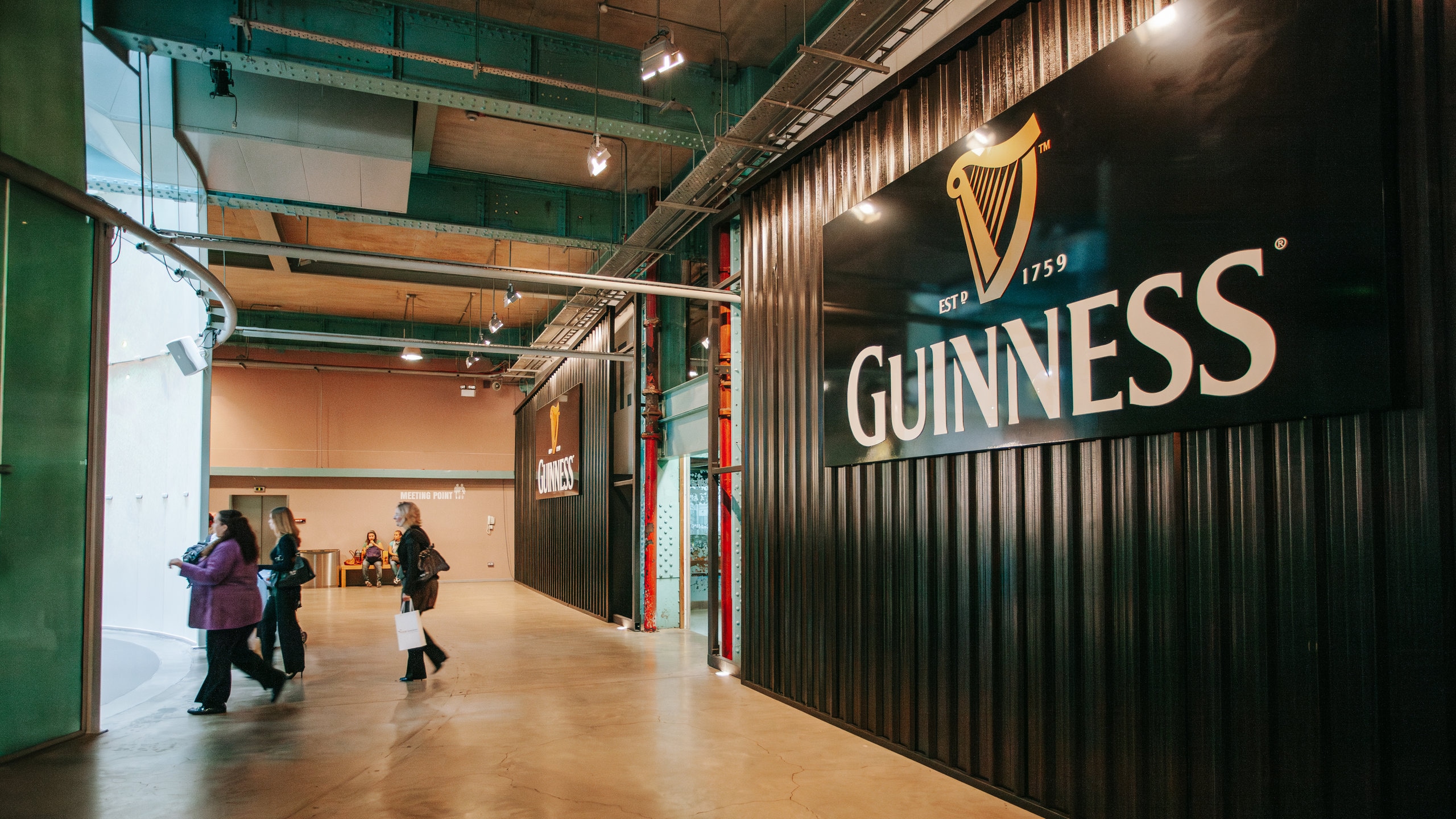
The Guinness Storehouse: Why It’s Worth the Hype
I’ll be honest — I almost skipped the Guinness Storehouse thinking it was too touristy.
That would have been a huge mistake. This isn’t just a brewery tour; it’s an immersive
experience that tells the story of Ireland’s most famous export.
The seven-story building takes you through the brewing process, the history
of the Guinness family, vintage advertising campaigns, and the art of the perfect pour.
The highlight? The Gravity Bar on the top floor, where your ticket includes
a complimentary pint with 360-degree views of Dublin.
Insider tips for visiting:
Book tickets online in advance — you’ll save money and skip long queues
Visit early morning or late afternoon to avoid peak crowds
Take time in the tasting rooms to try different Guinness varieties
The Gravity Bar gets packed around noon — go right when it opens or after 4 PM
Budget 2-3 hours for the full experience
Even if you’re not a beer drinker, the storytelling, interactive exhibits, and incredible
views make this a must-visit. Plus, you can’t say you’ve been to Dublin without having
a Guinness at the source!
Beyond Guinness: Top Dublin Attractions
Trinity College & The Book of Kells
Ireland’s oldest university (founded 1592) is stunning. The Book of Kells,
an illuminated manuscript from the 9th century, is breathtaking in person. But don’t miss
the Long Room library — it looks like something straight out of Harry Potter
with its 200,000 ancient books and marble busts.
Book online to skip lines. Early morning visits are quieter and offer better photo opportunities.
Temple Bar District
Yes, it’s touristy. Yes, drinks are more expensive. But Temple Bar is still worth experiencing,
especially during the day when you can explore cobblestone streets, vintage shops, artisan
markets, and street performers. The energy is infectious.
Pro tip: Have one drink in the famous Temple Bar pub for the experience, then venture to
less touristy pubs nearby for better prices and a more local vibe.
Dublin Castle
Don’t expect a traditional medieval castle — Dublin Castle is more of a governmental complex
with beautiful state apartments, a chapel royal, and medieval undercroft. The gardens are
peaceful and free to explore. Guided tours provide fascinating insights into Irish political
history.
St. Patrick’s Cathedral
Ireland’s largest church is architecturally stunning. Jonathan Swift (author of Gulliver’s Travels)
was dean here, and his grave is on site. The choir performances are exceptional if you time
your visit right.
Phoenix Park
One of Europe’s largest enclosed parks, bigger than Central Park! Home to wild deer,
the Dublin Zoo, and Áras an Uachtaráin (President’s residence). Perfect for a morning
run, afternoon picnic, or escaping the city bustle while staying in the city.
Dublin’s Food Scene & Pub Culture
Dublin’s culinary scene has exploded in recent years. Beyond traditional Irish fare,
you’ll find world-class international cuisine, innovative fusion restaurants, and
an incredible coffee culture.
Traditional Irish Food to Try
Irish Stew — Hearty lamb and vegetable comfort food
Fish & Chips — Fresh cod or haddock, Leo Burdock’s is iconic
Boxty — Traditional potato pancakes, savory and delicious
Seafood — Dublin Bay prawns, fresh oysters, smoked salmon
The Pub Experience
Pubs in Dublin are more than places to drink — they’re community hubs, live music venues,
and storytelling centers. Don’t just drink; listen, observe, and chat with locals.
Must-visit pubs:
The Brazen Head — Ireland’s oldest pub (est. 1198!)
O’Donoghue’s — Traditional Irish music sessions most nights
The Stag’s Head — Victorian-era pub with incredible atmosphere
Kehoe’s — Local favorite, authentic Dublin pub experience
The Long Hall — Ornate Victorian pub, gorgeous interior
Pub etiquette: Wait your turn at the bar (no table service usually), buy a round if
you’re in a group, and tip bartenders €1-2 per round. Most pubs have live traditional
music sessions — check schedules or just walk around and follow your ears!
Getting Around Dublin
Dublin’s city center is compact and walkable — most attractions are within 30 minutes
on foot. However, here are your transportation options:
Walking — Best way to experience the city, free, healthy
Dublin Bus — Extensive network, get a Leap Card for discounted fares
Luas (Tram) — Two lines (Red and Green), fast and efficient
Dublin Bikes — Bike-sharing scheme, perfect for quick trips
Taxis/Uber — Available but expensive, mostly unnecessary if staying central
Get a Leap Card (available at airports, convenience stores, transit offices)
and load it with credit. It works on buses, Luas, and DART trains, offering discounted fares
compared to cash. You can also get 1-day, 3-day, or 7-day passes if you plan heavy public
transport use.
Ireland uses Type G electrical outlets (three-prong UK plugs)
Safety & Scams
Dublin is generally very safe. Use common sense in crowded areas (pickpockets in Temple Bar
at night), avoid aggressive charity clipboard people on Grafton Street, and don’t accept
“free” roses or CDs from street vendors — they demand payment after.
Language
English is the primary language, though you’ll see Irish (Gaelic) on street signs and official
buildings. Dublin has diverse international populations, and Irish people are famously friendly
and helpful to tourists.
Day Trips from Dublin
If you have extra time, these destinations make excellent day trips:
Cliffs of Moher — Dramatic 700-foot sea cliffs (full-day trip, 3.5 hours each way)
Glendalough — Medieval monastic site in stunning valley (1 hour from Dublin)
Howth — Charming fishing village with cliff walks (30 min by DART train)
Kilkenny — Medieval city with castle and craft breweries (1.5 hours)
Newgrange — 5,000-year-old passage tomb, older than Stonehenge (1 hour)
Howth is perfect if you only have a few hours — stunning coastal walks, fresh seafood,
and easy public transport access from central Dublin.
Start Planning Your Dublin Adventure
Find the perfect Dublin hotel, create your custom itinerary, and discover hidden gems with TravelDiari’s AI-powered travel planning.
Final Thoughts: Why Dublin Should Be Your Next Trip
Dublin surprised me in the best possible way. It’s not just the Guinness or the historic
sites — it’s the spontaneous conversations in pubs, the storytelling culture, the ease
of navigating on foot, and how effortlessly you can shift from medieval history to
modern innovation within a single afternoon.
Whether you’re traveling solo, with friends, as a couple, or with family, Dublin offers
something for everyone. The city is small enough to feel intimate but diverse enough to
never feel boring. Three to four days is ideal for experiencing the main attractions
while still having time to wander, discover hidden pubs, and soak in the atmosphere.
Book your accommodation in the city center, embrace the pub culture, don’t skip the
Guinness Storehouse, and most importantly — talk to locals. Some of my best memories
came from random conversations that led to restaurant recommendations, historic trivia,
and a deeper appreciation for Irish culture.
Dublin isn’t just a destination you visit — it’s a city that welcomes you home.
Quick Reference: Dublin Travel Checklist
✅ Book city center accommodation 2-3 months ahead (especially peak season)
✅ Reserve Guinness Storehouse & Trinity College tickets online in advance
✅ Get Leap Card for public transportation
✅ Pack waterproof jacket and comfortable walking shoes
✅ Download offline maps of Dublin
✅ Check pub live music schedules
✅ Plan at least one day trip (Howth or Glendalough recommended)
✅ Budget €100-150 per day for comfortable mid-range travel
✅ Try traditional Irish breakfast, fish & chips, and Irish stew
✅ Experience at least 3-4 different pubs for diverse atmospheres
Published: January 25, 2026 | TravelDiari | 10 min read
The Winter Olympics 2026 will be hosted across northern Italy from February 6–22, 2026, bringing the world to iconic destinations like Milan, Cortina d’Ampezzo, and the breathtaking Dolomites. For international travelers, students studying abroad in Europe, and budget-conscious sports fans, this is a once-in-a-lifetime opportunity to combine elite winter sports with Italian culture, food, and history.
This TravelDiari guide covers host cities, budget stays, transport tips, safety advice, and exactly how to plan your Olympic trip smartly.
Why Italy’s Winter Olympics Are Special
Unlike compact Olympic host cities, Milano–Cortina 2026 is a multi-city, multi-region Olympics. Events are spread across:
Milan – Opening Ceremony and ice sports
Cortina d’Ampezzo – Alpine skiing and sliding events
Dolomites and Alpine towns – Snowboard, freestyle, biathlon
This format allows travelers to explore both urban Italy and the Alps, making the trip far more immersive than just attending events.
Olympic Host Cities & Venues
Milan (Milano)
Milan is the main gateway city and host of the Opening Ceremony at San Siro Stadium. Indoor events such as ice hockey, figure skating, speed skating, and short track will take place here.
Cortina d’Ampezzo is Italy’s most famous ski resort and will host alpine skiing, bobsleigh, skeleton, and luge. Surrounded by UNESCO-listed Dolomites, it offers unforgettable scenery.
Expect higher prices here during the Olympics, but unmatched mountain charm.
Bormio & Livigno: Freestyle skiing and snowboarding
Val di Fiemme: Cross-country skiing and ski jumping
Anterselva: Biathlon events in South Tyrol
Getting to Italy & Traveling Between Cities
International Airports
Milan Malpensa (MXP): Best for international travelers
Venice Marco Polo (VCE): Convenient for Dolomites and Cortina
Verona (VRN): Good low-cost alternative
Train & Local Transport
Italy’s rail network is efficient and affordable. Milan connects easily to Verona, Venice, and Alpine regions. Olympic organizers will operate special shuttle services from train stations to venues.
Student Tip: Consider Eurail or Interrail passes for flexible travel across Europe.
Where to Stay: Budget & Student-Friendly Areas
Budget Areas in Milan
Milano Centrale: Best for train access
Navigli: Lively area with affordable dining
Porta Nuova: Well connected by metro
Estimated Prices: €140–€350 per night during the Olympics
Hotels in Cortina and ski towns are expensive during the Games (€280–€500+ per night). Budget travelers should consider nearby towns and commute using Olympic shuttles.
Ticket prices vary widely. Finals and popular sports like ice hockey sell quickly, while early-round events are more affordable.
Buy tickets early
Plan travel time between venues carefully
Don’t overbook events on the same day
What to Pack for the Winter Olympics
Thermal layers and insulated jacket
Waterproof boots
Gloves, hat, scarf
Portable charger and power adapter
Travel insurance covering winter delays
Money-Saving Tips for Students
Stay outside Olympic core zones
Use public transport and trains
Eat at local bakeries and trattorias
Book accommodation early
Average Daily Budget: €120–€220 (excluding event tickets)
Safety & Travel Tips
Watch for pickpockets in crowded areas
Allow buffer time for winter weather delays
Emergency number in Italy: 112
Explore Italy Beyond the Olympics
Make the most of your trip by exploring iconic Italian destinations:
Duomo di Milano and Sforza Castle
Lake Braies in the Dolomites
Day trips to Verona or Venice
Plan Your Winter Olympics Trip with TravelDiari
The Winter Olympics Italy 2026 is more than a sporting event — it’s a chance to experience Italy at its best. Whether you’re a student in Europe or a traveler flying in from abroad, smart planning can make this journey affordable and unforgettable.
Toronto World Cup 2026: Ultimate Travel Guide, Hotels & Match Experience | Travel Diari
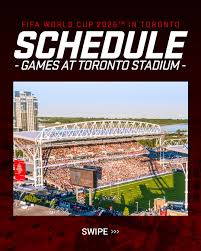
BMO Field (Toronto Stadium): Home to Canada’s opening match of FIFA World Cup 2026
🍁⚽ Toronto 2026
History is coming to Toronto. On June 12, 2026, Canada’s largest and most diverse city will host the first-ever men’s FIFA World Cup match on Canadian soil, as the Canadian Men’s National Team takes the field at BMO Field in front of 45,000 roaring fans. This isn’t just a soccer tournament—it’s a watershed moment for Canadian sports and a celebration of everything that makes Toronto one of the world’s great cities.
Toronto brings an electric energy to the World Cup that few cities can match. With over 230 nationalities represented, the city transforms into a global village during major soccer tournaments, with every neighborhood flying different flags and celebrating together. From the iconic CN Tower to the vibrant streets of Little Italy and Portugal Village, from world-class museums to the shores of Lake Ontario, Toronto offers an unforgettable World Cup experience where multicultural passion meets Canadian hospitality.
🏟️ BMO Field (Toronto Stadium) – Canada’s World Cup Venue
Location: 170 Princes’ Boulevard, Exhibition Place, Toronto, ON M6K 3C3
Capacity: 45,736 (expanded for World Cup with 17,756 temporary seats)
What makes it special: BMO Field is the only soccer-specific stadium in North America selected to host World Cup 2026 matches. Home to Toronto FC since 2007 and the Toronto Argonauts since 2016, the stadium sits on the historic Exhibition Place grounds along Lake Ontario’s waterfront. The $146 million renovation for the World Cup includes new luxury boxes, a rooftop patio for 1,000 fans, enhanced player facilities, state-of-the-art videoboards, and upgraded technology throughout.
World Cup matches: Toronto will host 6 matches total, including 5 group stage matches (June 12, 17, 20, 23, 26) and 1 Round of 32 match (July 2). Most significantly, Canada’s opening match on June 12 at 3:00 PM ET will be the first men’s World Cup match ever played on Canadian soil.
🎫 Insider Tip: Getting Tickets
World Cup tickets are distributed through FIFA’s official lottery system, with sales typically opening 12-18 months before the tournament. As a Canadian host city, Toronto may have additional ticket allocations for Canadian residents. The atmosphere for Canada’s opening match will be absolutely electric—this is Canadian sports history in the making. Register early at FIFA.com and join the Travel Diari community for alerts when ticket sales open and strategies for securing seats!
🏨 Where to Stay: Best Hotels for World Cup Travelers
Toronto offers accommodation for every budget, from luxury hotels downtown to charming neighborhoods across the city. BMO Field’s location at Exhibition Place makes it accessible from multiple areas. Here are our top recommendations based on proximity, local character, and value. Find personalized hotel recommendations from TravelDiari
Near BMO Field & Liberty Village
Hotel X Toronto
⭐⭐⭐⭐
Distance to BMO Field: 0.5 km (6-minute walk)
Modern lifestyle hotel literally across from Exhibition Place and BMO Field. Features rooftop pool with CN Tower views, multiple restaurants including Italian and Asian fusion, sports bar, and direct waterfront access. The closest hotel to the stadium with premium amenities.
Why we love it: You can walk to matches in minutes while enjoying resort-style amenities. The rooftop pool area is perfect for pre-match celebrations with fellow fans.
Estimated rate: $280-420 CAD/night during World Cup
Distance to BMO Field: 3.5 km (35-minute walk or 10-minute transit)
Sleek boutique luxury in the heart of King West, Toronto’s entertainment district. Rooftop lounge with panoramic city views, Michelin-level dining at Scarpetta, and surrounded by the city’s best restaurants, bars, and nightlife. Easy streetcar access to BMO Field.
Why we love it: Perfect for those who want the full Toronto experience with nightlife and dining at their doorstep.
Estimated rate: $450-650 CAD/night during World Cup
Distance to BMO Field: 5 km (15-minute transit via GO Train)
Historic landmark hotel directly across from Union Station, Toronto’s central transit hub. Built in 1929, this grand château-style hotel combines old-world elegance with modern luxury. The location provides instant access to GO Transit for direct service to Exhibition Station (2-minute walk to BMO Field).
Why we love it: Classic Toronto elegance with unbeatable transit access. You’re in the heart of everything—Financial District, waterfront, shopping, and sports.
Estimated rate: $380-550 CAD/night during World Cup
Canada’s largest hotel with 1,590 rooms, renowned for being incredibly family-friendly. Features indoor waterslide, children’s creative center, multiple restaurants, and excellent value. Located near Yonge Street with easy subway access to downtown and Exhibition.
Why we love it: Unbeatable for families traveling with children. The kids can enjoy the pool while adults explore the city.
Estimated rate: $220-340 CAD/night during World Cup
Distance to BMO Field: 2.5 km (25-minute walk or 8-minute transit)
Modern condo-style suites in the CityPlace neighborhood with full kitchens and living spaces. Perfect for families or groups wanting more space and self-catering options. Close to the waterfront trail and streetcar access to BMO Field.
Why we love it: Apartment-style living at hotel convenience. Great for longer stays and budget-conscious travelers who want space.
Estimated rate: $280-400 CAD/night during World Cup
Distance to BMO Field: 3 km (30-minute walk or 10-minute transit)
Hip boutique hotel on Queen West, Toronto’s arts and culture corridor. Each room is uniquely designed by Canadian artists. Features live music venue, rooftop patio, and sits in the heart of the city’s coolest neighborhood with vintage shops, galleries, and restaurants.
Why we love it: Stay in Toronto’s creative heart and experience the city’s artistic soul. Perfect for culture seekers.
Estimated rate: $260-380 CAD/night during World Cup
Boutique luxury in the Annex neighborhood near the University of Toronto. Trendy design, complimentary wine hour, pet-friendly, and walking distance to the ROM, restaurants, and Bloor Street shopping. Subway access provides easy transit to Exhibition.
Why we love it: Sophisticated neighborhood feel away from tourist crowds while maintaining excellent access to everything.
Estimated rate: $350-500 CAD/night during World Cup
Book 8-12 months in advance for best selection and rates. Hotels near Exhibition Place and Liberty Village will sell out first. Consider neighborhoods along the TTC subway lines (especially Line 1 and Line 2) or GO Transit routes for easy access to BMO Field. Downtown hotels near Union Station offer the most flexibility. Toronto has excellent public transit, so don’t limit yourself to only hotels near the stadium—neighborhoods like The Annex, Queen West, and Yonge-Dundas Square all provide great World Cup bases.
🚇 Getting Around Toronto During the World Cup
Toronto’s public transit system (TTC – Toronto Transit Commission) and GO Transit make getting to BMO Field straightforward from anywhere in the city. Toronto is also highly walkable in most areas.
Public Transportation (Highly Recommended)
GO Transit to Exhibition Station (Best Option for BMO Field):
GO Train from Union Station to Exhibition Station: 5 minutes, trains every 15-30 minutes
Exhibition Station is a 2-minute walk from BMO Field’s main entrance
Special World Cup service will run with increased frequency on match days
TTC Streetcar:
509 Harbourfront streetcar from Union Station directly to Exhibition Place (15 minutes)
511 Bathurst streetcar connects to Exhibition Loop
Both routes will have enhanced service on match days
TTC Subway: Four subway lines (Lines 1, 2, 3, 4) connect across the city. Union Station is the central hub connecting to all major hotels and neighborhoods.
Cost:
TTC single fare: $3.35 CAD (PRESTO card) or $3.35 cash (exact change)
TTC Day Pass: $13.50 CAD (unlimited travel)
GO Transit: $3-6 CAD depending on distance (PRESTO card recommended)
Special World Cup transit passes expected to be available
Walking and Biking
Downtown Toronto is very walkable, with most attractions within walking distance of each other. The Martin Goodman Trail, Toronto’s waterfront bike path, runs directly past Exhibition Place and BMO Field. Bike Share Toronto offers convenient bike rentals throughout the city ($7/30 minutes or $15/day pass).
Ride-Share and Taxis
Uber and Lyft are readily available throughout Toronto, along with traditional taxi services. Expect surge pricing on match days, particularly 2-3 hours before kickoff and immediately after matches. Budget $20-35 CAD from downtown to BMO Field during peak times.
🚊 Pro Transportation Tip
Get a PRESTO card immediately upon arrival—it’s Toronto’s reloadable transit card that works on TTC, GO Transit, and UP Express (airport train). You can buy one at any subway station or at Pearson Airport. For match days, take GO Transit from Union Station to Exhibition Station—it’s the fastest, easiest, and most direct route to BMO Field. Arrive 3-4 hours before kickoff to experience the pre-match festivities at Exhibition Place and avoid any transit congestion. The waterfront walk from downtown hotels takes 45-60 minutes and offers beautiful views of Lake Ontario and the CN Tower.
⚽ The Match Day Experience
Before the Match
Exhibition Place FIFA Fan Festival
Exhibition Place, Toronto’s historic fairground surrounding BMO Field, will transform into the official FIFA Fan Festival. Expect live music, food vendors, interactive soccer activities, big screens broadcasting other matches, cultural programming celebrating Toronto’s diversity, and beer gardens. The festival opens 4-5 hours before kickoff and admission is free with match tickets.
Nathan Phillips Square Fan Zone
Toronto’s iconic city hall square will host a massive public viewing area for all World Cup matches, not just Toronto games. Free admission, food trucks, live entertainment, and the famous Toronto sign for photos.
Neighborhood Watch Parties
Toronto’s multicultural neighborhoods will host their own celebrations:
Little Italy (College Street): When Italy plays, the street becomes a sea of blue
Portugal Village (Dundas West): Portuguese flags and celebrations during Portugal matches
Greektown (Danforth Avenue): Greek team support with outdoor patios
Little India (Gerrard Street East): If India qualifies, the energy will be incredible
Koreatown (Bloor West): Korean team support with restaurants and shops joining the celebration
Stadium Tips
What to bring: Match ticket (mobile or print), government-issued photo ID, small clear bag (12″ x 6″ x 12″ maximum), light jacket, sunscreen, hat, Canadian pride!
What NOT to bring: Large bags or backpacks, outside food/beverage, umbrellas, professional cameras, flags on poles
Weather prep: June in Toronto averages 18-24°C (64-75°F). BMO Field is open-air, so check the weather. Afternoons can be warm and sunny; evenings can cool down. Rain is possible—the stadium has covered seating in some sections.
Food inside: BMO Field offers diverse options including Canadian classics (poutine!), international cuisine, craft beer, and standard stadium fare. Expect $12-20 CAD per meal. The $146 million renovation includes enhanced concessions.
“When Canada scored their first World Cup goal on home soil, 45,000 people became one voice. The roar could be heard across Lake Ontario. That’s what makes Toronto’s World Cup experience unforgettable—pure, unfiltered passion from the world’s most multicultural city.”
📸 Creating Lasting Memories
Must-capture moments:
Your first view of BMO Field with the CN Tower in the background
The Canadian national anthem before Canada’s historic opening match
Exhibition Place with international flags from around the world
Celebrating with fans from every nation in Little Italy or Portugal Village
The Toronto skyline at sunset from the waterfront trail
Your team’s scarf with the CN Tower at night
Post-match celebrations on King Street West
Travel Diari tip: Start a World Cup journal. Document your journey from the airport to your first poutine, from the pre-match nerves to the final whistle euphoria. Collect ticket stubs, transit transfers, restaurant receipts—these small details become treasured memories. Toronto’s World Cup is history in the making, and you’re part of it.
🍽️ Food & Dining: Taste the World in Toronto
Toronto is one of the world’s most multicultural cities, with over 200 ethnic groups and 180 languages spoken. This diversity creates one of the planet’s best food scenes. You can literally eat your way around the World Cup participating nations without leaving the city.
Pre-Match Dining Near BMO Field
Liberty Commons: Upscale pub with patio, craft beer selection, and comfort food. 10-minute walk from stadium.
Mildred’s Temple Kitchen: Brunch institution in Liberty Village. Perfect for morning matches.
Figures Toronto: Gastropub with sports bar vibe, walking distance to BMO Field
The Brazen Head: Irish pub atmosphere with extensive beer and whiskey menu
Toronto Food Experiences You Can’t Miss
Poutine – The Canadian Classic
You MUST try poutine while in Toronto—fries, gravy, and cheese curds. Best spots: Smoke’s Poutinerie (multiple locations), Poutini’s House of Poutine, or any late-night spot after celebrating a win.
St. Lawrence Market
Historic food market (since 1803) featuring fresh produce, artisan foods, international specialties, and the famous peameal bacon sandwich. Saturday morning is the best time to visit. 15-minute subway ride from most downtown hotels.
Multicultural Neighborhood Dining
Toronto’s ethnic enclaves offer authentic cuisine from around the world:
Chinatown (Spadina Avenue): Dim sum, noodles, bubble tea, authentic Chinese cuisine
Kensington Market: Bohemian neighborhood with Jamaican, Latin American, Middle Eastern, vegan, and vintage vibes
Little India (Gerrard Street East): Authentic Indian, Pakistani, and Bangladeshi restaurants
BC Place Stadium: Where mountains meet the pitch in Vancouver’s World Cup 2026 celebration
🏔️⚽ Vancouver 2026
The world’s most beautiful World Cup host city is ready to welcome you. Vancouver, where snow-capped mountains meet the Pacific Ocean and cosmopolitan culture blends with wilderness adventure, is preparing to host seven matches during FIFA World Cup 2026. This isn’t just about world-class soccer in a spectacular setting—it’s about experiencing Canada’s natural beauty, diverse culture, and legendary hospitality during the planet’s biggest sporting event.
From the retractable roof of BC Place Stadium to the temperate rainforests of Stanley Park, from sushi on Robson Street to craft beer in Gastown, Vancouver offers an unforgettable World Cup experience unlike any other host city. Whether you’re here to watch your national team compete or simply to soak in the global celebration of the beautiful game, this guide will help you make the most of your time in one of the world’s most livable cities.
🏟️ BC Place Stadium – Vancouver’s World Cup Venue
Location: 777 Pacific Boulevard, Vancouver, BC V6B 4Y8
Capacity: 54,000+
What makes it special: BC Place is Canada’s largest retractable-roof stadium, offering flexibility for Vancouver’s famously unpredictable weather. Renovated in 2011 with a stunning cable-supported fabric roof, the stadium sits in the heart of downtown Vancouver with the North Shore Mountains providing a breathtaking backdrop. The venue hosted the 2015 FIFA Women’s World Cup Final, where the United States defeated Japan, and has since become synonymous with major sporting events in Canada.
Expected matches: Vancouver will host 7 matches total, including matches in both the round of 32 and round of 16, plus two matches featuring the Canadian Men’s National Team.
🎫 Insider Tip: Getting Tickets
World Cup tickets are distributed through FIFA’s official lottery system starting approximately 12-18 months before the tournament. Sign up early at FIFA.com and consider official hospitality packages as alternatives. As a Canadian host city, Vancouver may have additional ticket allocations for Canadian residents. Join the Travel Diari community for real-time alerts when ticket sales open and insider tips on securing seats!
🏨 Where to Stay: Best Hotels for World Cup Travelers
Vancouver’s compact downtown and excellent public transit make it easy to find great accommodation. Here are our top recommendations based on proximity to BC Place, local character, and value. Find personalized recommendations from TravelDiari
Downtown Vancouver (Walking Distance to BC Place)
The Fairmont Waterfront
⭐⭐⭐⭐⭐
Distance to BC Place: 1.2 km (15-minute walk)
Luxury waterfront hotel with stunning harbor and mountain views. Features an outdoor pool, rooftop herb garden, and easy access to both the stadium and major attractions like Canada Place and Gastown. The hotel’s commitment to sustainability reflects Vancouver’s environmental consciousness.
Why we love it: Premium location with views of the harbor, mountains, and seaplanes taking off. Walking distance to everything that matters.
Sleek modern hotel literally steps from BC Place Stadium. Part of the Parq Vancouver complex with multiple restaurants, bars, and entertainment options. Floor-to-ceiling windows showcase either city or mountain views.
Why we love it: You can’t get closer to the action. Wake up and walk to the stadium in minutes.
Retro-chic boutique hotel on Burrard Street with vintage 1950s architecture renovated with modern amenities. Complimentary bikes, outdoor courtyard with fire pits, and a hip, laid-back vibe that captures Vancouver’s creative spirit.
Why we love it: Unique character and excellent value in the heart of downtown’s shopping and dining district.
Spacious suites with full kitchens, perfect for families or longer stays. Located in the vibrant Yaletown neighborhood with excellent restaurants and the seawall within easy reach. Complimentary breakfast included.
Why we love it: Great value for families and groups, with the flexibility of self-catering in one of Vancouver’s trendiest neighborhoods.
Distance to BC Place: 2.5 km (30-minute walk or 10-minute transit)
Art-focused boutique hotel in the West End, steps from Stanley Park and English Bay Beach. Features original Canadian art in every room and a rooftop patio. Close to Robson Street shopping and Denman Street dining.
Why we love it: Perfect balance of culture, nature, and urban convenience. Ideal for experiencing Vancouver’s beach culture.
Distance to BC Place: 2 km (25-minute walk or 8-minute transit)
Luxury boutique hotel in Coal Harbour with a focus on personalized service. Complimentary electric car service within downtown, spa, and proximity to the Vancouver Convention Centre and waterfront.
Why we love it: Boutique luxury with environmental consciousness and exceptional service.
Book 8-12 months in advance for best selection and rates. Downtown hotels near BC Place will sell out quickly. Consider neighborhoods like Yaletown, Gastown, Coal Harbour, and the West End—all offer excellent SkyTrain or walking access to the stadium. Vancouver’s compact downtown means you’re never far from the action. For better value, look at hotels near SkyTrain stations along the Canada Line or Expo Line, which provide quick access to downtown.
🚇 Getting Around Vancouver During the World Cup
Vancouver’s public transit system, operated by TransLink, is efficient, clean, and will be your best friend during the World Cup. The city is also incredibly walkable and bike-friendly.
Public Transportation (Highly Recommended)
SkyTrain: Vancouver’s automated rapid transit system includes three lines:
Canada Line: Connects Vancouver International Airport directly to downtown (26 minutes) and stops at City Centre station, a 10-minute walk from BC Place
Expo Line: Runs through downtown with Stadium-Chinatown station directly serving BC Place
Millennium Line: Connects to Expo Line for easy transfers
Buses: Extensive network covering all neighborhoods. Routes 15, 17, and 50 serve BC Place area.
SeaBus: Scenic ferry crossing from Waterfront Station to North Vancouver (12 minutes), great for accessing North Shore mountains and attractions.
Cost: Single fare $3.15 CAD (1 Zone), DayPass $11.25 CAD. Special World Cup transit passes expected to be available.
Walking and Biking
Downtown Vancouver is extremely walkable, and the city boasts over 400 km of bikeways. The famous Seawall path circles Stanley Park and extends along False Creek, passing near BC Place. Consider using Mobi by Shaw Go bike-share system ($9.95/day for unlimited 30-minute trips).
Ride-Share and Taxis
Uber and Lyft operate in Vancouver, along with local taxi companies. Expect surge pricing on match days. Budget $25-40 CAD from most downtown locations to BC Place.
🚊 Pro Transportation Tip
Purchase a Compass Card (TransLink’s reloadable fare card) at the airport or any SkyTrain station. Load it with value or a DayPass for seamless travel. Stadium-Chinatown SkyTrain station exits directly into BC Place Plaza—you’ll be at the stadium entrance in 2 minutes. Arrive 3-4 hours early on match days to avoid crowds and experience the pre-match atmosphere at the FIFA Fan Festival.
⚽ The Match Day Experience
Before the Match
PNE Amphitheatre FIFA Fan Festival
The Pacific National Exhibition grounds will host Vancouver’s official FIFA Fan Festival, featuring live match broadcasts on giant screens, entertainment, cultural programming, food vendors, and interactive activities. Free entry, family-friendly, and accessible via SkyTrain (Renfrew or 29th Avenue stations on the Expo Line).
BC Place Plaza Pre-Match Festivities
Opens 4 hours before kickoff with live music, food trucks, merchandise stands, and entertainment. The plaza comes alive with fans from around the world, creating an electric atmosphere with mountain views as your backdrop.
Robson Square Fan Zone
Downtown’s main gathering spot transforms into a World Cup celebration hub with large screens, cultural performances, and international food vendors throughout the tournament.
Stadium Tips
What to bring: Match ticket (mobile or print), government ID, small clear bag, light jacket (BC Place can be cool with the roof open), sunscreen
What NOT to bring: Large bags, professional cameras, outside food/drink, umbrellas
Weather prep: June in Vancouver averages 15-20°C (59-68°F). The retractable roof provides flexibility, but bring layers. Rain is always possible in Vancouver—check the forecast!
Food inside: BC Place offers diverse food options including local favorites, Asian cuisine, and international fare. Expect $15-25 CAD per meal.
“Watching a World Cup match with the North Shore Mountains in the background and the energy of thousands of passionate fans from every continent—that’s what makes Vancouver’s World Cup experience truly special.”
📸 Creating Lasting Memories
Must-capture moments:
BC Place with mountain backdrop at golden hour
The moment the retractable roof opens (if weather permits)
Celebrating with Canadian fans on Robson Street
Seawall bike ride with your World Cup jersey
National team flags reflected in Coal Harbour waters
Fan parade through Gastown’s historic streets
Travel Diari tip: Document your Vancouver World Cup experience in a travel journal. Note the craft beers you tried, the conversation with fans from Morocco on the SeaBus, the perfect sushi spot you discovered in the West End. These details create memories that last forever.
🍽️ Food & Dining: Taste Vancouver
Vancouver’s food scene is world-renowned, particularly for Asian cuisine and Pacific Northwest ingredients. The city’s multicultural fabric means authentic food from virtually every World Cup nation.
Pre-Match Dining Near BC Place
Chambar Restaurant: Belgian-inspired cuisine in a stylish setting, perfect for a special pre-match meal
Craft Beer Market: 100+ beers on tap and hearty pub food, located steps from BC Place
Meat & Bread: Legendary sandwiches, quick and delicious for a fast pre-match bite
Bella Gelateria: Award-winning gelato in Yaletown, perfect for dessert after victory
Vancouver Food Experiences You Can’t Miss
Granville Island Public Market
Iconic food market under the Granville Bridge featuring fresh seafood, artisan bakeries, local produce, and international specialties. Take the Aquabus (small ferry) across False Creek for a scenic approach.
Authentic Asian Cuisine
Vancouver has some of North America’s best Asian food:
Richmond (via Canada Line): Authentic Chinese dim sum and dumpling houses. Try Chef Tony Seafood Restaurant or Fisherman’s Terrace.
Japantown: Gyoza King for late-night ramen, Miku for innovative Aburi sushi
Main Street: Vietnamese pho at Pho Goodness or Anh and Chi
Commercial Drive: Diverse international food including Ethiopian, Italian, and Mexican
Pacific Northwest Seafood
Fresh Pacific salmon, Dungeness crab, spot prawns, and halibut are Vancouver specialties. Blue Water Cafe, Coast Restaurant, and The Flying Pig offer excellent seafood menus featuring local catches.
Craft Beer Scene
Vancouver and British Columbia produce world-class craft beer. Visit Brassneck Brewery, 33 Acres Brewing Company, or Parallel 49 Brewing for taproom experiences. The city has over 50 craft breweries.
🍽️ Dining Strategy
Make reservations at popular restaurants at least one week in advance during World Cup. For authentic experiences, venture beyond downtown to neighborhoods like Main Street, Commercial Drive, and Richmond. Food trucks are abundant in Vancouver—follow @StreetFoodVan on social media for locations. Don’t miss trying a “Japadog” (Japanese-style hot dog) from the iconic street vendor.
🏔️ Beyond the Matches: Experiencing Vancouver
Vancouver’s natural beauty is legendary. Between matches, immerse yourself in one of the world’s most spectacular urban settings where city meets wilderness.
Must-See Attractions
Stanley Park
1,000-acre urban rainforest park surrounded by the Seawall, Vancouver’s most famous attraction. Rent a bike and complete the 10 km seawall loop (2 hours), visit the Totem Poles at Brockton Point, explore the Vancouver Aquarium, or simply relax on Third Beach. Allow 3-4 hours minimum.
Capilano Suspension Bridge Park
Walk across a 137-meter suspension bridge swaying 70 meters above the Capilano River. Includes the Treetops Adventure and Cliffwalk. Bus from downtown takes 20 minutes. Admission $66 CAD adults. Book online in advance for discounts.
Grouse Mountain
Take the Skyride gondola to the “Peak of Vancouver” for panoramic views, hiking trails, grizzly bear habitat, and the famous mountaintop lumberjack show. In June, you might still see snow at the summit. Admission $69 CAD adults. Accessible via free shuttle from Canada Place or bus.
Granville Island
Vibrant peninsula under the Granville Bridge featuring the Public Market, artisan studios, theaters, breweries, and waterfront restaurants. Take the Aquabus from various False Creek docks. Plan 2-3 hours for exploring.
Gastown
Vancouver’s oldest neighborhood featuring cobblestone streets, the famous Steam Clock, Victorian architecture, trendy boutiques, and excellent restaurants. Great for evening strolls and photos. The neighborhood comes alive after matches with celebration crowds.
Museum of Anthropology (UBC)
World-renowned collection of Northwest Coast First Nations art in a stunning Arthur Erickson-designed building. Essential for understanding British Columbia’s Indigenous heritage. Bus to UBC takes 40 minutes from downtown. Admission $18 CAD, free on Thursday evenings.
Indigenous Cultural Tours: Talaysay Tours offers Indigenous-led walking tours of Stanley Park sharing Coast Salish history and culture. Essential for understanding Vancouver’s original inhabitants.
Summer Festivals: June is festival season in Vancouver. The Vancouver International Jazz Festival and B
Los Angeles World Cup 2026: Your Ultimate Guide to Soccer’s Greatest Celebration in the City of Angels
📅 Published: January 2026 ⏱️ 15 min read 📍 Los Angeles, California 🏆 FIFA World Cup 2026
The world’s most prestigious soccer tournament is coming to Los Angeles, and the City of Angels is ready to welcome millions of fans from across the globe. Whether you’re a die-hard soccer enthusiast or a first-time World Cup traveler, LA promises an unforgettable experience where world-class soccer meets legendary entertainment, diverse culture, and California sunshine.
Los Angeles isn’t just hosting a few matches—it’s creating a global celebration that blends the beautiful game with everything that makes LA iconic. From the state-of-the-art SoFi Stadium to the historic Rose Bowl, from Hollywood glamour to authentic street tacos, this guide will help you make every moment count during your World Cup journey.
🏟️ World Cup Venues in Los Angeles
SoFi Stadium – The Crown Jewel
Location: 1001 Stadium Dr, Inglewood, CA 90301
Capacity: 70,000+ (expandable)
What makes it special: The newest and most technologically advanced stadium in North America, SoFi Stadium opened in 2020 and immediately became an architectural marvel. The infinity screen hanging above the field is the largest video board in sports, creating an immersive experience unlike any other.
Expected matches: Multiple group stage matches and potential knockout rounds
Rose Bowl Stadium – Historic Glory
Location: 1001 Rose Bowl Dr, Pasadena, CA 91103
Capacity: 88,500+
What makes it special: The Rose Bowl hosted the 1994 World Cup Final and is steeped in soccer history. Its iconic setting nestled in the Arroyo Seco makes it one of the most picturesque venues in world soccer.
Expected matches: Group stage and potential later rounds
🎫 Insider Tip: Getting Tickets
World Cup tickets are distributed through FIFA’s official lottery system. Sign up early at FIFA.com, and create backup plans with official hospitality packages. Tickets typically go on sale 12-18 months before the tournament. Join the Travel Diairi community for alerts when ticket sales open!
Choosing the right accommodation can make or break your World Cup experience. Here are our top recommendations based on proximity to venues, local character, and value.
Near SoFi Stadium (Inglewood/LAX Area)
The Proud Bird Hotel
⭐⭐⭐⭐ | Distance to SoFi: 3 miles
A unique aviation-themed hotel with excellent transportation links to SoFi Stadium. Features a rooftop bar with runway views and complimentary shuttle service during World Cup match days.
Why we love it: Affordable, character-filled, and perfectly positioned for both the stadium and LAX.
Luxury at its finest with a storied history. This elegant property offers world-class amenities, beautiful gardens, and impeccable service in a quieter, more refined setting.
Why we love it: Perfect for those who want a premium experience away from the hustle.
Spacious suites with kitchenettes, ideal for families or groups. Located in charming Old Town Pasadena with excellent restaurants and shops within walking distance.
Why we love it: Great value for groups and families with the flexibility of self-catering.
⭐⭐⭐⭐ | Distance to SoFi: 12 miles | Rose Bowl: 15 miles
Hip, historic hotel in the heart of downtown LA. Perfect for those who want to experience LA’s urban culture, nightlife, and dining scene. Housed in the historic United Artists building.
Why we love it: Authentic LA vibe with easy access to downtown attractions and Metro lines to both stadiums.
Book as early as possible—hotels near stadiums will sell out 6-8 months in advance. Consider neighborhoods with good Metro access rather than only focusing on proximity to stadiums. Areas like Downtown LA, Pasadena, and Santa Monica offer excellent transportation links and a richer LA experience.
🚇 Getting Around Los Angeles During the World Cup
LA’s infamous traffic requires smart planning, but the city is investing heavily in transportation improvements for 2026. Here’s your game plan:
Public Transportation (Recommended)
LA’s Metro system is expanding specifically for the World Cup:
Metro K Line (Crenshaw/LAX): Direct service to SoFi Stadium from downtown LA and LAX
Metro L Line (Gold Line): Connects downtown to Pasadena, with shuttle service to Rose Bowl on match days
Special World Cup Express Buses: FIFA and LA Metro are coordinating dedicated fan buses from major hubs
Cost: $1.75 per ride, $7 day pass (World Cup special passes expected)
Ride-Share & Taxis
Uber and Lyft are widely available, but expect surge pricing on match days. Budget $40-80 from downtown to SoFi Stadium during peak times.
Rental Cars
Only recommended if you’re planning extensive exploration beyond match days. Parking at stadiums is limited and expensive ($80+ per match). Consider using your rental car for day trips to Santa Barbara, San Diego, or Joshua Tree instead.
🚌 Pro Transportation Tip
Arrive at stadiums 3-4 hours before kickoff. This isn’t just about traffic—it allows you to soak in the pre-match atmosphere, visit fan zones, and avoid stress. Most memorable World Cup moments happen outside the stadium!
⚽ The Match Day Experience
Before the Match
LA is planning extensive fan zones and festivals:
SoFi Stadium Fan Zone
Opens 4 hours before kickoff with live music, food trucks, merchandise, and big screens showing other matches. Free entry with match ticket.
Rose Bowl Brookside Fan Fest
The historic Brookside area adjacent to the Rose Bowl transforms into a carnival atmosphere with activities for all ages.
LA Live World Cup Village
Downtown LA’s entertainment district will host viewing parties, concerts, and cultural celebrations throughout the tournament.
Stadium Tips
What to bring: Match ticket (mobile or print), ID matching ticket name, small clear bag only, sunscreen, hat
What NOT to bring: Large bags, umbrellas, professional cameras, outside food/drink
Weather prep: June/July in LA means sunshine and 75-85°F (24-29°C). Hydration is crucial.
Food inside: Both stadiums offer diverse options, but expect $15-25 per meal. Pre-game meal outside recommended.
📸 Creating Lasting Memories
“The World Cup isn’t just about the 90 minutes on the pitch—it’s about the journey, the people you meet, and the moments that take your breath away.”
Must-capture moments:
Your first glimpse of the stadium on match day
The national anthems (goosebumps guaranteed)
Celebrating with fans from around the world
The LA skyline at sunset from your seat
Post-match celebrations in the streets
Travel Diairi tip: Start a World Cup journal. Collect ticket stubs, write down conversations with fellow fans, note the food you ate. These details fade quickly but become treasured memories when documented.
🌮 Food & Dining: Taste Los Angeles
LA’s food scene is as diverse as its population. Don’t miss these World Cup-worthy dining experiences:
Pre-Match Dining Near SoFi
Earle’s on Crenshaw: Soul food institution, perfect for a hearty pre-match meal
Tacos El Gordo: Authentic Tijuana-style tacos (prepare for lines, worth it)
The Arsenal: Sports bar with international flair, great atmosphere
Dulan’s Soul Food Kitchen: LA staple for Southern comfort food
Pre-Match Dining Near Rose Bowl
The Raymond 1886: Historic fine dining in a craftsman home
Pie ‘N Burger: Old-school American diner, Pasadena institution
Old Pasadena restaurants: Colorado Boulevard offers dozens of options from Thai to Italian to Mexican
Must-Try LA Food Experiences
Grand Central Market
Historic downtown food hall with everything from pupusas to ramen. Perfect for groups with different tastes.
Koreatown BBQ
LA has the best Korean food outside Korea. Try Kang Ho Dong Baekjeong or Parks BBQ for the full experience.
Food Trucks
LA invented gourmet food trucks. Follow @LAFoodTrucks for locations. Kogi BBQ and Guerrilla Tacos are legendary.
🍽️ Dining Strategy
Make reservations for popular spots at least a week in advance during World Cup. For authentic experiences, venture beyond tourist areas—the best tacos, pho, and dim sum are in neighborhood spots where English menus might be scarce but flavor is abundant.
🎬 Beyond the Matches: Experiencing Los Angeles
You’re in Los Angeles—one of the world’s most iconic cities. Make time between matches to explore what makes LA legendary:
Must-See Attractions
Griffith Observatory
Free entry, stunning city views, and a planetarium. Visit at sunset for magical moments. 30 minutes from downtown.
Getty Center
World-class art museum with breathtaking architecture and gardens. Free admission (parking $20). Allow 3-4 hours.
Venice Beach Boardwalk
Classic LA people-watching, street performers, and beach vibes. Best in late afternoon. Grab dinner at Gjelina or watch sunset from the pier.
Hollywood Sign Hike
Earn your Instagram shot! The Wisdom Tree trail offers the best views. Start early (7am) to beat heat and crowds. 2-3 hours round trip.
Santa Monica Pier
Iconic amusement park on the pier, beautiful beach, and Third Street Promenade shopping. Perfect for families.
The Broad Museum
Contemporary art museum in downtown LA. Free admission but reserve tickets online. Infinity Mirrors are mind-blowing.
Neighborhoods to Explore
Downtown LA: Arts District murals, Grand Central Market, rooftop bars, cultural diversity
Silver Lake/Echo Park: Hipster coffee shops, vintage stores, Echo Park Lake pedal boats
Melrose Avenue: Street art, trendy boutiques, the Pink Wall Instagram spot
Little Tokyo: Authentic Japanese culture, amazing ramen, peaceful gardens
Why Mexico City Is a Must-Visit World Cup Destination
Mexico City will make history in 2026 as the only city to host FIFA World Cup matches three times. With the legendary Estadio Azteca hosting marquee games, the city will be buzzing with global fans, festivals, and football energy.
But what makes Mexico City truly special is this: you don’t come here only for football — you come for culture, food, history, and soul.
This guide helps you plan the perfect Mexico City World Cup trip:
What to do beyond the matches
How to plan flights, transport & match days
Where to stay — 15 hand-picked hotels you can book via TravelDiari
1️⃣ What Else to Do in Mexico City (Beyond the Stadium)
🏛️ Explore History & Culture
Zócalo & Historic Center – One of the world’s largest city squares, surrounded by colonial landmarks. Explore more about Zócalo and Centro Histórico.
Templo Mayor – Walk through ancient Aztec ruins right in the city center.
National Museum of Anthropology – A must-visit for understanding Mexico’s civilizations. Learn more about Mexico City’s world-class museums.
Avoid renting a car — traffic is heavy, especially on match days.
⚽ Match Day Tips
Reach the stadium early (2–3 hours).
Stay hydrated — Mexico City sits at high altitude.
Fan zones, bars, and watch parties will be everywhere in Roma, Condesa & Coyoacán.
🗓 Best Time to Visit
June–July offers warm days and lively evenings — ideal for sightseeing + football. Learn more about the best time to visit Mexico City.
3️⃣ Where to Stay in Mexico City for World Cup 2026
(15 Best Hotels You Can Book via TravelDiari)
Below are strategic hotel picks based on location, comfort, safety, and match-day access. All hotels link to TravelDiari’s official affiliate booking platform. For more accommodation options, browse our complete Mexico City hotels guide.
Book Your Mexico City Hotel Today
Secure the best rates for World Cup 2026 through TravelDiari’s trusted booking partner
Classic luxury with a peaceful courtyard, perfect for relaxing between matches. Located on prestigious Paseo de la Reforma with easy access to the city’s main attractions.
High-rise luxury with skyline views, spa, and premium service. Ideal for travelers seeking world-class amenities in the heart of the financial district.
Romantic, intimate boutique stay in a lively neighborhood. Perfect for travelers who want to be in the center of Mexico City’s coolest dining and nightlife scene.
⚽ Final Thoughts: Mexico City + World Cup 2026 = Once-in-a-Lifetime
Mexico City offers one of the richest World Cup experiences anywhere in the world — legendary football, unbeatable food, deep history, and unmatched atmosphere.
📌 Book early. 📌 Stay central. 📌 Use TravelDiari to lock in the best hotels.
If you’re reading this, chances are your heart skipped a beat thinking about seeing a FIFA World Cup match in person — the roar of the crowd, the drama, the unforgettable chants. The FIFA World Cup 2026, co-hosted across Canada, Mexico, and the United States, is gearing up to be the biggest, boldest football festival the world has ever seen.
🏆 Tournament Highlights
🌍 Largest World Cup ever — First tournament with 48 teams (up from 32)
🗓️ June 11 – July 19, 2026 — Five weeks of nonstop football action
🇺🇸🇲🇽🇨🇦 Historic first — First World Cup hosted by three nations
🏟️ Epic finale — Final at MetLife Stadium in New York/New Jersey
Let AI Plan Your Perfect World Cup Journey
Not sure which cities to visit? Which matches to attend? Where to stay? Our AI travel assistant creates personalized World Cup itineraries in seconds!
Where passion for fútbol runs deeper than anywhere else
Mexico City
🏟️ Estadio Azteca
🎉 OPENING MATCH
The historic opening match kicks off here! One of the world’s largest cities, Mexico City is vibrant, electric, and absolutely captivating. Home to ancient Aztec ruins, world-class museums, and the most passionate football fans you’ll ever meet.
📍 Must-Do Experiences:
Explore the Zócalo plaza, visit Frida Kahlo’s Casa Azul, take a day trip to Teotihuacán pyramids, and feast on incredible street tacos.
Atlanta
🏟️ Mercedes-Benz Stadium
A hot music and food city with Southern charm! Atlanta brings big-league hospitality, incredible hip-hop culture, and some of the best food in the South.
📍 Must-Do Experiences:
World of Coca-Cola, Martin Luther King Jr. sites, Piedmont Park, and vibrant Midtown nightlife.
Houston
🏟️ NRG Stadium
Tex-Mex heaven with diverse cultures! Houston plans an official World Cup fan festival throughout the tournament, making it a must-visit for the full experience.
📍 Must-Do Experiences:
Space Center Houston, Museum District, food tours, and explore diverse international neighborhoods.
Kansas City
🏟️ Arrowhead Stadium
Known for legendary BBQ and die-hard sports fans! Kansas City is a football town ready to bring incredible World Cup energy and Midwestern hospitality.
📍 Must-Do Experiences:
Jazz District, world-famous BBQ, Nelson-Atkins Museum, and passionate local sports culture.
Seattle
🏟️ Lumen Field
Pacific Northwest paradise! Lush landscapes, music history (hello, grunge!), amazing coffee culture, and fresh seafood make Seattle unforgettable.
📍 Must-Do Experiences:
Pike Place Market, Space Needle, ferry rides to Bainbridge Island, and explore coffee roasteries.
Philadelphia
🏟️ Lincoln Financial Field
Where American history meets passionate fans! History buffs will love Philly’s colonial charm, while foodies devour legendary cheesesteaks.
📍 Must-Do Experiences:
Liberty Bell, Independence Hall, historic district walking tours, and authentic Philly cheesesteaks.
Boston
🏟️ Gillette Stadium (Foxborough)
Classic American city with colonial charm and passionate sports culture! Boston brings historic significance and incredible seafood to the World Cup party.
📍 Must-Do Experiences:
Freedom Trail, historic harbors, Fenway Park, world-class seafood, and Harvard/MIT campuses.
Miami
🏟️ Hard Rock Stadium
Sunny beaches, vibrant nightlife, and Latin American flair — Miami brings the party to the World Cup! Perfect blend of beach relaxation and urban excitement.
📍 Must-Do Experiences:
South Beach, Little Havana, Art Deco architecture, boat tours, and world-class nightlife.
San Francisco Bay Area
🏟️ Levi’s Stadium (Santa Clara)
Beautiful bay views, iconic bridges, and diverse culture! The Bay Area offers tech innovation, stunning nature, and incredible food scene.
📍 Must-Do Experiences:
Golden Gate Bridge, Alcatraz Island, Fisherman’s Wharf, wine country tours, and cable car rides.
Guadalajara
🏟️ Estadio Akron
The birthplace of mariachi and tequila! Guadalajara blends tradition with contemporary Mexican culture. Passionate fans, beautiful colonial plazas, and buzzing nightlife make this city unforgettable.
📍 Must-Do Experiences:
Visit mariachi music origins, tour nearby tequila distilleries, explore historic downtown, and enjoy traditional Jalisco cuisine.
Monterrey
🏟️ Estadio BBVA
Mexico’s industrial powerhouse surrounded by dramatic mountain landscapes. Known for the best carne asada in the country and a more laid-back vibe alongside world-class football.
📍 Must-Do Experiences:
Hike the Sierra Madre mountains, explore local markets, and dine on authentic northern Mexican barbecue.
⚽ Match Dates to Bookmark
Here’s your official tournament timeline — start planning your travel windows now!
📅 June 11-27, 2026
Group Stage
📅 June 28 – July 3, 2026
Round of 32
📅 July 4-7, 2026
Round of 16
📅 July 9-11, 2026
Quarterfinals
📅 July 14-15, 2026
Semifinals
📅 July 18, 2026
Third-Place Match
🏆 July 19, 2026
FINAL
Which Teams Are You Cheering For?
The full group-stage match list and participating teams were confirmed after the final draw in December 2025. The host nations — Mexico, USA, and Canada — all have guaranteed group matches on home soil, creating incredible home-field advantage moments.
🌍 The Global Football Canvas
From defending champions looking to repeat glory to rising underdog nations making historic appearances like Curacao, Cape Verde, and Jordan — the 2026 World Cup will showcase football from every corner of the globe. Whether you’re following your national team or adopting a new favorite, this tournament promises unforgettable moments!
Ready to Start Planning Your World Cup Adventure?
Let our AI travel assistant create your perfect World Cup itinerary based on your favorite teams, budget, and travel style
This is just the kickoff! Stay tuned for our comprehensive World Cup 2026 series on TravelDiari.com:
✨ City-by-city deep dives: Where to stay, what to eat, and how to get around each host city
⚽ Match day guides: Best fan zones, ticketing tips, and stadium insider information
📅 Travel itineraries: Multi-city routes that maximize matches and cultural experiences
📍 Local experiences: Hidden gems, cultural must-sees, and day trips near each host city
🎟️ Ticket & accommodation strategies: How to secure the best seats and places to stay
🍔 Food guides: Where to eat in every host city from street food to fine dining
Final Whistle 🏆
Being at a World Cup match is more than watching football — it’s joining a global party, meeting fans from around the world, and living memories you’ll never forget. Whether you’re planning to chase matches across cities or anchor yourself in one place to soak up the atmosphere, World Cup 2026 will be legendary.
Stay tuned to TravelDiari.com — We’ll help you plan, book, and experience the football trip of a lifetime. Our upcoming city guides will cover specific match schedules, detailed hotel recommendations with booking links, local transportation tips, and insider experiences for each host destination.
Want a specific city guide first? Let us know which host city you’re most excited about!