11 Unique Budget-Friendly Countries Every Traveler Should Visit
Discover affordable adventures in Vietnam, India, Morocco, and more. These destinations offer rich culture, epic sights, and unforgettable experiences—all without breaking the bank.
Traveling the world doesn’t have to empty your wallet. These 11 incredible destinations prove that some of the most rewarding travel experiences come from countries where your money goes furthest. From the bustling streets of Vietnam to the pristine beaches of Albania, each destination offers unique adventures without the premium price tag.
1. Vietnam
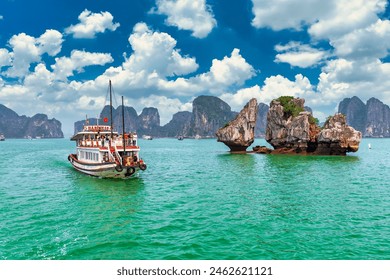
Vietnam offers a balance of stunning natural beauty, flavorful cuisine, and bustling cities—all for a fraction of the cost of most global destinations.
Top spots:
Ha Long Bay, Hoi An, Hanoi, Sapa
Budget:
$25–$40/day
Tip:
Street food is delicious and costs under $2 per meal
Safety:
Low risk; watch out for pickpockets in crowded areas
Each of these destinations proves that you don’t need to be wealthy to see the world. Whether you want tropical beaches, historical treasures, or mountain escapes, there’s a perfect place for every traveler on a budget. So pack your bags and explore more for less with Travelxp.ai.
Las Vegas visitor numbers are down in 2025 and hotel rates are lower—making it the perfect time to visit. Discover where to stay, what to do, where to eat, and how to plan your perfect Vegas getaway.
Visitor Numbers Are Down, Deals Are Up
According to the Las Vegas Convention and Visitors Authority, visitor traffic in 2025 is down 4.8% year-over-year. This dip has led to lower hotel rates, shorter restaurant waits, and fewer crowds. Hotel prices are down about 12% from last summer, making this a rare opportunity to experience Vegas at a better price.
Frequent Flights to Las Vegas
Harry Reid International Airport (LAS) has direct connections from across the U.S., Mexico, and Europe:
From the U.S.:
Southwest, Delta, American, JetBlue, and Alaska serve nonstop flights from major hubs including Los Angeles, New York, Dallas, Seattle, and Chicago.
From Mexico:
Direct routes from Mexico City, Guadalajara, and Monterrey via Volaris, VivaAerobus, and Aeroméxico.
From Europe:
Direct and one-stop flights from London (British Airways), Frankfurt (Condor), and via connections through Paris, Amsterdam, and Munich with KLM, Air France, and Lufthansa.
Where to Stay
Take advantage of lower rates at iconic Vegas hotels. Great options include:
The Venetian – Italian-style luxury with spacious suites and canals.
Park MGM – Central location, non-smoking, and great dining.
Resorts World – Three hotels in one: Hilton, Conrad, and Crockfords.
Circa – Adults-only with the ultimate rooftop pool experience.
Top Things to Do in Vegas
Watch headliners like Adele, Usher, or U2 at The Sphere and Caesars Palace.
Explore Red Rock Canyon for stunning desert landscapes and hikes.
Zip line over Fremont Street or test thrill rides at The STRAT.
Visit museums, art installations, or take a Grand Canyon day tour.
Where to Eat
Estiatorio Milos – Upscale Greek seafood at The Venetian.
Best Friend by Roy Choi – Korean-Mexican fusion at Park MGM.
Lotus of Siam – Legendary Thai cuisine off the Strip.
Bazaar Meat by José Andrés – A must for adventurous carnivores.
Start Planning with Travelxp.ai
Travelxp.ai helps you plan the perfect Vegas trip—from hotels and shows to outdoor adventures and food tours. Use our smart AI tools to create a trip that fits your vibe and budget.
Tip: Book now while rates are low and availability is high—before the crowds come back.
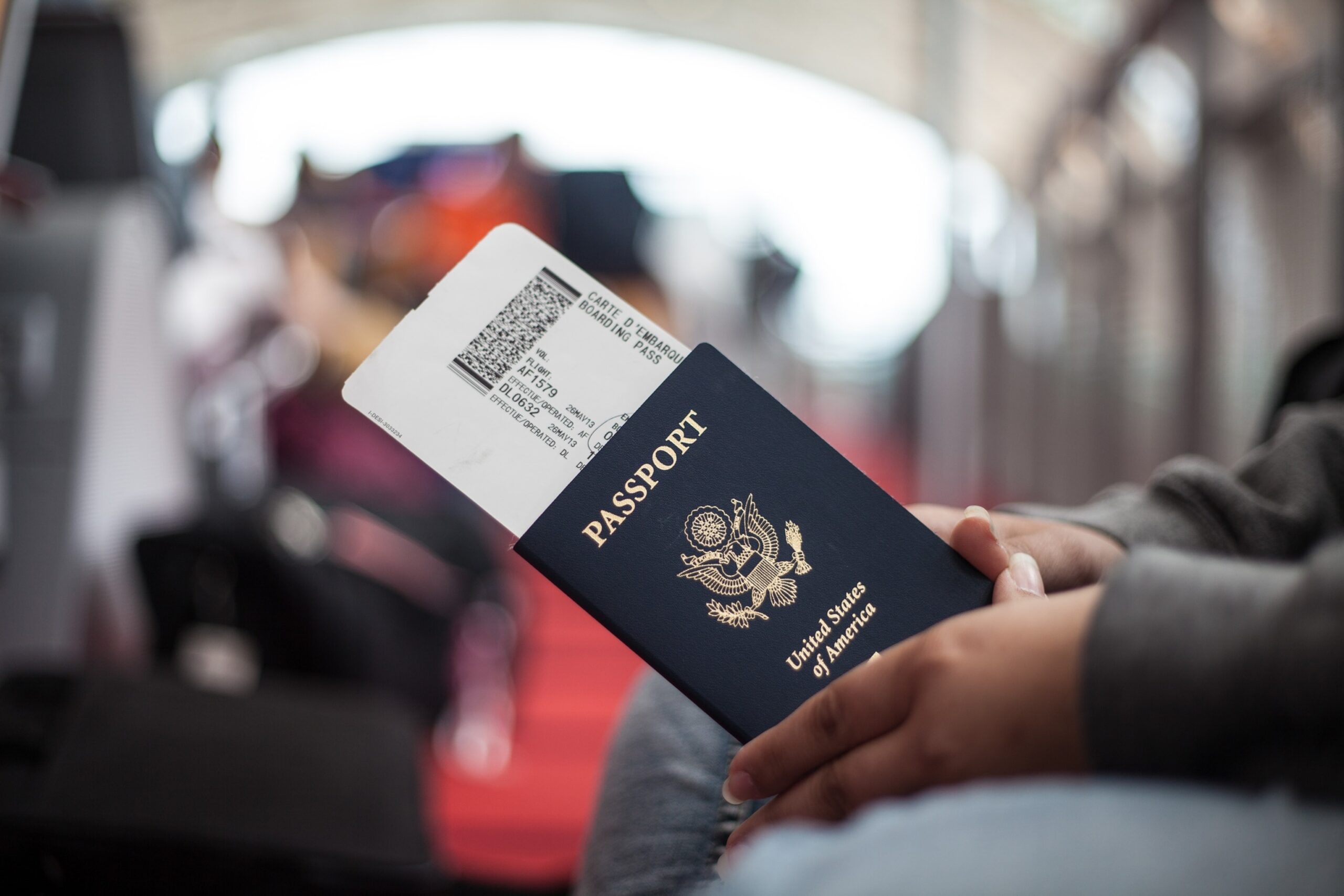
Travelers heading to popular destinations like the United States, United Kingdom, or the European Union should be aware of newly introduced visa, authorization, and border control systems. Even if you didn’t need a visa before, recent policy changes may affect your travel. This comprehensive guide breaks down the latest requirements by region, costs, start dates, and helpful government links to ensure your next international trip goes smoothly.
Required for all VWP travelers, including transit passengers
New $250 Visa Integrity Fee
Starting October 1, 2025, the U.S. will introduce a $250 Visa Integrity Fee for non-immigrant visas. This is in addition to existing visa fees and does not apply to VWP/ESTA travelers.
Effective: Oct 1, 2025
2🇪🇺Traveling to the Schengen Area (Europe)
Entry/Exit System (EES)
The EES will replace manual passport stamping with a biometric check system. Travelers from outside the EU (even those on visa-free stays) will provide fingerprints and a photo at entry/exit.
Starting: October 2025
ETIAS – European Travel Information and Authorisation System
The ETIAS will be required for visa-exempt visitors to most of Europe:
ETIAS Requirements:
Fee: €7 (ages 18–70) New
Validity: 3 years
Apply at least 1 month before travel
Applies to U.S., UK, Canada, Australia, and more
Required for 30 European countries
Starting: Late 2026
3🇬🇧Traveling to the United Kingdom
UK ETA (Electronic Travel Authorisation)
From January 2025, travelers from 48 visa-free countries (including the U.S., Canada, and Australia) need a UK ETA.
Navigating the evolving landscape of international travel requirements doesn’t have to be overwhelming. By staying informed about these new visa and authorization systems, you can ensure smooth travels to your favorite destinations. The key is planning ahead—whether it’s applying for ESTA, preparing for ETIAS, or getting your UK ETA sorted well before your departure date.
Remember, these requirements are designed to enhance security while maintaining the ease of international travel. By understanding and preparing for these changes, you’ll spend less time worrying about paperwork and more time enjoying your journey.
Disclaimer: This article is for informational purposes only. Visa and authorization policies can change frequently. Always check official government websites and consult with relevant authorities before traveling to ensure you have the most current and accurate information for your specific situation.
Traveling as a student doesn’t have to be expensive or complicated. Many destinations around the world offer affordable accommodations, cheap food, and rich cultural experiences that fit within a student’s budget.
The best places to travel as a student on a budget combine low costs with vibrant social scenes and unique attractions, making the most of limited funds without sacrificing the quality of the experience.
Choosing the right destination is key. Options like Southeast Asia, Eastern Europe, and parts of South America provide not only affordability but also opportunities to explore diverse cultures, landscapes, and local lifestyles. These locations often feature hostels, public transportation, and food options that cater specifically to budget-conscious travelers.
1Why Students Should Travel on a Budget
Traveling on a budget allows students to experience new places while managing their finances responsibly. It encourages practical planning, enhances problem-solving abilities, and maximizes the value gained from limited resources. This approach helps students grow personally and financially without sacrificing the quality of their travel experience.
Benefits of Budget Travel for Students
Budget travel helps students extend the duration of their trips, allowing more time to explore and learn. Affordable options like hostels or shared accommodations reduce lodging costs significantly. Students can also take advantage of discounts for transportation, attractions, and meals exclusive to young travelers.
Traveling on a budget fosters independence. It forces students to research deals, compare prices, and make informed decisions. Such experiences often create memorable moments and deeper cultural immersion since they rely less on tourist traps and more on local life.
Budget Travel Tip: Use student travel passes, discount cards, and group travel deals to maximize your savings. Planning trips during off-peak seasons can reduce costs for flights and lodgings by up to 40%.
Skills Learned Through Affordable Travel
Budget travel teaches essential life skills such as financial management and adaptability. Students must prioritize spending, track expenses, and stick to a budget, which translates to better financial discipline in daily life.
Problem-solving and planning skills develop through finding the best routes, accommodations, and activities within limited means. Students also improve communication skills by interacting with diverse people and navigating unfamiliar environments, enhancing cross-cultural understanding.
2Criteria for Choosing Affordable Student Destinations
Selecting a budget-friendly destination requires attention to several key factors that impact safety, travel ease, costs, and cultural value. Each element influences how much a student can enjoy and learn without overspending or risking wellbeing.
Safety Considerations
Safety First: Research political stability, crime rates, and local customs to determine if an area is secure. Prioritize places with well-reviewed accommodations and reliable emergency services.
Health risks also matter; access to medical facilities and vaccinations required should be checked. Staying in areas known for safety during both day and night, and avoiding regions with political unrest, ensures peace of mind. Reliable local transportation and clear communication options add layers of security.
Cost of Living and Accommodation
Expense Category
Factors to Consider
Tips
Food
Affordable local cuisine
Eat street food or markets
Housing
Shared rooms or hostels
Book in advance for deals
Transport
Public transit availability
Use monthly or student passes
Entertainment
Free or low-cost attractions
Look for student discounts
3Top Budget Travel Destinations for Students in Europe
Several European cities offer affordable travel options with rich culture, historic sites, and vibrant social scenes. These locations provide budget accommodations, inexpensive food, and well-connected public transport, making them ideal for students watching their expenses.
Kraków, Poland
Kraków is one of the most affordable cities in Europe for students. It features a well-preserved medieval old town and numerous free or low-cost attractions such as Wawel Castle and the historic Jewish quarter.
Public transport is inexpensive and reliable, with tram and bus tickets costing just a few euros. Food costs are low, with local meals averaging between €3-6. Kraków also has a lively nightlife offering many affordable bars and cafes frequented by students.
Budget breakdown: Affordable hostels and budget hotels are widely available, often charging below €20 per night. The city’s compact layout makes walking a convenient option as well.
Budapest, Hungary
Budapest combines stunning architecture and a rich history with budget-friendly travel. Students can explore thermal baths, art galleries, and historic sites like Buda Castle without high entrance fees.
Public transportation is efficient and low-cost, with single tickets costing around €1. Food can also be very affordable, especially in markets and street food stalls where local dishes can be found for under €5.
Budget breakdown: Budget accommodation ranges from hostels to shared apartments, with prices frequently below €15 per night. The city’s vibrant nightlife and many free walking tours make it popular among students.
Porto, Portugal
Porto is known for its scenic riverfront and affordable lifestyle. The city offers inexpensive public transport, with tickets costing about €1.20, and many attractions like churches and museums charge minimal entrance fees.
Local markets and small eateries provide cheap, quality meals for around €4-7. Students enjoy the relaxed atmosphere combined with lively cultural events.
Budget breakdown: Accommodation options include affordable hostels and guesthouses priced under €20 nightly. Porto’s manageable size also makes it easy to explore on foot, reducing travel costs further.
4Best Student Destinations in Asia on a Budget
Affordable travel in Asia often means access to rich culture, easy local transportation, and student-friendly living costs. These cities offer a strong combination of educational opportunities, cultural experiences, and budget-conscious options for meals, accommodation, and activities.
Hanoi, Vietnam
Hanoi stands out for its low living expenses and vibrant street life. Meals from street vendors typically cost between $1 and $3, making daily food affordable without sacrificing variety or flavor.
Students benefit from easy access to historical sites like the Old Quarter and the Hoan Kiem Lake area. Local buses and motorbike taxis provide cheap transport options, often at just a few cents to a couple of dollars per trip.
Budget breakdown: Hostels and budget hotels generally charge from $8 to $15 per night. Hanoi also has a growing café and coworking scene, ideal for students needing study spots.
Chiang Mai, Thailand
Chiang Mai offers a blend of cultural richness and low-cost living, making it ideal for students. The city’s affordable accommodation ranges from guesthouses at $10 per night to budget hotels around $20.
Local transportation includes red songthaew shared taxis priced typically under $1 for short distances. Food is both plentiful and cheap, with street meals averaging $1-2.
Cultural opportunities: The city is known for its accessible temples, markets, and nearby natural parks. These attractions provide students with inexpensive leisure options alongside opportunities for cultural immersion.
Yogyakarta, Indonesia
Yogyakarta serves as a hub for students due to its educational institutions and affordable lifestyle. Budget accommodations can be found for $7 to $15 per night.
Transportation primarily involves ojeks (motorcycle taxis) and becaks (pedicabs), both very cost-effective for short trips. Street food in Yogyakarta is diverse and cheap, with meals typically below $2.
Cultural immersion: Students can explore local temples like Prambanan and the Sultan’s Palace without high entrance fees. The city’s creative arts scene also offers low-cost workshops and exhibitions, enriching the learning experience.
5Affordable Student-Friendly Cities in the Americas
These cities offer a blend of cultural richness, accessible public transportation, and a variety of budget accommodations. Students can enjoy vibrant food scenes, museums, and social activities without overspending.
Mexico City, Mexico
Mexico City is known for its low cost of living and affordable student amenities. Public transit, including the metro, is extensive and inexpensive, making it easy to explore the city. Cultural sites such as the National Museum of Anthropology and historic neighborhoods like Coyoacán are free or cheap to visit. Street food and markets provide tasty meals at low prices.
Lima, Peru
Lima combines coastal views with rich history and affordable living costs. Public transportation includes buses and the Metropolitano bus rapid transit system, which is low-cost and efficient. Students can explore museums like the Larco Museum for modest entry fees. Local markets offer fresh produce and traditional dishes, which are both affordable and authentic.
Montreal, Canada
Montreal balances affordability with a high quality of life and is popular among international students. The city’s metro system is reliable and priced reasonably, simplifying commuting. Cultural attractions such as museums and theaters offer student discounts. Diverse neighborhoods like Plateau Mont-Royal have affordable eateries and vibrant street art.
6Off-the-Beaten-Path Destinations for Student Travelers
These destinations offer affordable living costs, rich cultural experiences, and authentic atmospheres away from typical tourist crowds. Each place has unique history, local cuisine, and opportunities for meaningful exploration suited to budget-conscious students.
Tbilisi, Georgia
Tbilisi is known for its vibrant arts scene and historic architecture, making it a compelling choice for students interested in culture and history. The city is budget-friendly, with inexpensive public transport and affordable meals, often under $5.
Students can explore the old town’s narrow alleys, sulfur baths, and lively markets. Nightlife includes cozy cafes and traditional music venues. Tbilisi offers a variety of hostels and guesthouses that support short-term stays at low costs.
Sofia, Bulgaria
Sofia combines affordability with a mix of ancient landmarks and modern city life. Students can visit Roman ruins, orthodox churches, and large green spaces like Borisova Gradina Park without entrance fees.
Public transport is low-cost, with trams and buses linking key parts of the city. Food prices in local markets and small restaurants remain accessible, often under $7 per meal.
7Maximizing Your Travel Budget As a Student
Careful planning and smart choices can stretch a student’s travel budget significantly. Prioritizing affordable lodging, economical dining options, and making full use of student discounts are key to traveling longer and experiencing more without overspending.
Finding Budget Accommodation
Consider hostels, guesthouses, and budget hotels as primary lodging options
Use booking platforms like Hostelworld or Airbnb for discounted rates
Stay slightly outside major tourist areas to save money
Look for weekly or monthly discounts for longer stays
Consider Couchsurfing for free accommodation (with careful vetting)
Pro tip for accommodation: Hostels often provide communal kitchens and social spaces, which help reduce food costs and offer chances to meet fellow travelers.
Cheap Eats and Local Food
Eating at local markets, street vendors, and small family-run eateries is an effective way to enjoy authentic food for less. These places usually offer fresh ingredients and specialties at prices below tourist restaurants.
Shopping from supermarkets for essentials to prepare meals in hostel kitchens cuts dining expenses drastically. Trying local fruits, breads, and cheeses not only saves money but enriches the cultural experience.
Food Budget Tip: Avoid dining near major attractions, where prices tend to inflate. Sampling local dishes like falafel in the Middle East or rice and beans in Latin America can be both economical and fulfilling.
Using Student Discounts
Carrying a valid student ID or an International Student Identity Card (ISIC) unlocks discounts on transport, entrance fees, and accommodations worldwide. Many museums, galleries, and public transit systems offer marked reductions for students.
Flight discounts and special travel passes for students can lower transportation costs significantly. Researching and booking in advance often brings additional deals.
8Planning Practicalities for Budget Travel
Effective budget travel requires strategic timing, smart packing, and careful risk management. Each element helps stretch funds without sacrificing experience or safety.
Seasonal Travel Tips
Traveling during off-peak seasons can significantly reduce costs for flights, accommodation, and attractions. Students should research destinations’ shoulder seasons—times just before or after high tourist influx—to find better deals and fewer crowds.
Weather impacts costs, so checking climate patterns helps avoid unexpected expenses like gear rental or altered plans. Booking flights and lodging well in advance often secures the best prices, especially for holidays or festivals when demand spikes.
Travel Insurance Considerations
Don’t Skip Insurance: Travel insurance is a necessary but often overlooked budget item. It protects against medical emergencies, trip cancellations, and lost belongings, minimizing costly disruptions.
Students should compare plans focusing on coverage for adventure activities and pre-existing conditions if relevant. Cost varies by destination and duration; comprehensive plans tend to be affordable when weighed against potential out-of-pocket expenses.
9Staying Safe and Healthy While Traveling on a Budget
Students traveling on a budget must pay close attention to their health and safety to make the most of their trip. Proper preparation includes taking health precautions and knowing where to turn in an emergency.
Health Precautions
Choose destinations with good healthcare infrastructure
Stay up to date on routine vaccines and travel vaccinations
Maintain basic hygiene and drink bottled water
Eat freshly cooked food to prevent common illnesses
Carry a basic travel health kit with essentials
Emergency Resources for Students
Knowing how and where to access emergency care abroad reduces risk during unexpected situations. Students should keep contact information for local hospitals, their country’s embassy, and travel insurance providers readily available.
Register with a government travel program for alerts and assistance in crises. Language barriers can complicate emergencies, so learning key phrases or using translation apps is helpful.
Start Your Budget Adventure Today
Budget travel as a student isn’t just about saving money—it’s about maximizing experiences, building life skills, and creating memories that will last a lifetime. From the medieval streets of Kraków to the bustling markets of Hanoi, affordable destinations offer rich cultural experiences without breaking the bank.
Remember: the best budget travel combines smart planning with open-minded exploration. Research thoroughly, pack light, stay safe, and embrace the unexpected. Your next adventure is waiting, and it doesn’t have to cost a fortune.
So grab your backpack, check your student ID, and start planning your budget-friendly journey around the world. The experiences you gain and the skills you develop will be worth far more than the money you save.
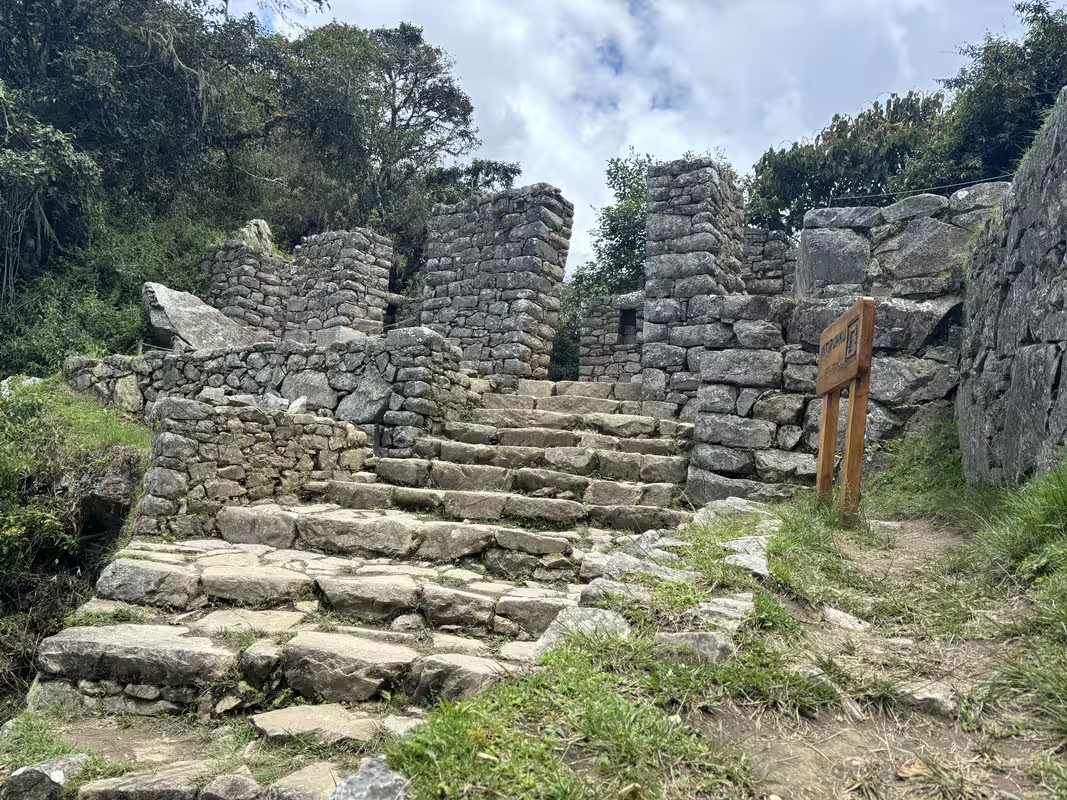
Machu Picchu, the 15th-century Incan citadel nestled high in the Andes Mountains of Peru, is one of the New Seven Wonders of the World. With its mysterious history, breathtaking views, and diverse hiking trails, it’s a dream destination for adventurers and history lovers alike.
This comprehensive 5-day travel guide will take you through everything you need to know to plan, experience, and savor your journey to this ancient Incan masterpiece. From acclimatization in Cusco to hiking the legendary trails and discovering the finest Peruvian cuisine, we’ve got you covered.
Whether you’re planning to trek the classic Inca Trail or explore the Sacred Valley at a leisurely pace, this guide will help you make the most of your once-in-a-lifetime adventure.
1Why Visit Machu Picchu?
Beyond its status as a UNESCO World Heritage Site and one of the New Seven Wonders of the World, Machu Picchu offers an unparalleled blend of natural beauty, archaeological mystery, and spiritual significance.
What makes Machu Picchu special:
Remarkably preserved Incan architecture and engineering
Stunning panoramic views of the Andes Mountains
Rich cultural heritage and fascinating historical mysteries
Multiple hiking options from beginner to expert level
Gateway to exploring Peruvian culture and cuisine
2Essential Trip Planning Information
Proper planning is crucial for a successful Machu Picchu adventure. Here’s everything you need to know before you go:
Key Planning Details:
Best Time to Visit: April to October (dry season) for optimal weather and trail conditions
Closest Airport: Alejandro Velasco Astete International Airport in Cusco (CUZ)
Permits Required: Book Machu Picchu and Inca Trail permits 3-6 months in advance
Currency: Peruvian Sol (PEN) – bring cash for small vendors
Altitude Preparation: Cusco is at 3,400m (11,154ft) – allow 1-2 days for acclimatization
Essential Tip: Altitude sickness is real and can affect anyone. Arrive in Cusco 1-2 days before your Machu Picchu visit to acclimatize properly. Stay hydrated, avoid alcohol, and consider coca leaf tea.
Pro tip for permit booking: Machu Picchu entry tickets are limited to 2,500 visitors per day. Huayna Picchu permits are even more restricted (400 per day). Book through the official website or authorized tour operators as soon as your travel dates are confirmed.
3Complete 5-Day Itinerary
This carefully crafted itinerary balances acclimatization, exploration, and adventure while maximizing your Machu Picchu experience.
Day 1: Arrival in Cusco – Acclimatization & Historic Center
Activities: Land in Cusco and check into a hotel in the historic center. Take the day to rest, hydrate, and explore nearby attractions.
Must-see spots:
Plaza de Armas – The heart of Cusco with colonial architecture
Qorikancha Temple – Ancient Incan sun temple
San Pedro Market – Local market for authentic experiences
Evening: Light dinner and early rest to combat altitude effects
Day 2: Sacred Valley Exploration
Full-day Sacred Valley tour: Experience the cultural heart of the Incan empire.
Key destinations:
Pisac Market – Famous for artisan goods and local crafts
Ollantaytambo Fortress – Strategic Incan site with impressive terraces
Chinchero – Traditional weaving demonstrations and colonial architecture
Overnight: Stay in Ollantaytambo to catch the early morning train to Machu Picchu
Day 3: First Machu Picchu Visit
Morning: Take the scenic Vistadome or Expedition train from Ollantaytambo to Aguas Calientes
Afternoon: Shuttle bus to Machu Picchu for your first visit with a professional guide (2-3 hours)
Optional upgrades: Book tickets that include hikes to Huayna Picchu or Machu Picchu Mountain for panoramic views
Evening: Relax in Aguas Calientes, enjoy dinner and hot springs
Day 4: Second Visit & Adventure Hiking
Early morning: Return to Machu Picchu for sunrise (optional but magical experience)
Hiking options:
Huayna Picchu – Steep and challenging, approximately 2 hours round trip
Machu Picchu Mountain – Less crowded, longer but less steep climb
Sun Gate (Inti Punku) – Part of the original Inca Trail, approximately 1.5 hours
Evening: Return to Aguas Calientes, enjoy hot springs, then take train back to Cusco
Day 5: Final Cusco Exploration & Departure
Activities: Spend your final day enjoying Cusco’s remaining attractions
Culinary experiences: Final taste of authentic Peruvian cuisine
Departure: Head to Cusco airport for your onward journey
4Top Hiking Routes to Machu Picchu
Machu Picchu offers multiple approaches, each with unique experiences and difficulty levels. Choose the route that matches your fitness level and time constraints.
Popular Trekking Options:
Classic Inca Trail (4 days): The most famous and historic route with limited permits
Short Inca Trail (2 days): Perfect for those with limited time
Lares Trek: Cultural route through remote Andean villages
Inca Jungle Trek: Multi-activity adventure including biking and zip-lining
Important note: All guided treks require advance booking through licensed tour operators. The classic Inca Trail sells out months in advance, especially during peak season (June-August).
5Where to Eat: Culinary Experiences
Peruvian cuisine is world-renowned, and your Machu Picchu journey offers incredible dining opportunities from local markets to gourmet restaurants.
In Aguas Calientes (Machu Picchu Pueblo):
Indio Feliz – Exceptional Franco-Peruvian fusion cuisine with famous trout dishes
Tree House Restaurant – Gourmet fusion dining with stunning jungle views
Café Inkaterra – Farm-to-table dining with organic ingredients
In Cusco:
Chicha por Gastón Acurio – Modern Peruvian by celebrity chef Gastón Acurio
Green Point – Outstanding vegetarian and vegan Peruvian cuisine
Morena Peruvian Kitchen – Excellent ambiance with authentic local flavors
Must-try dishes: Ceviche, lomo saltado, quinoa soup, coca tea, pisco sour, and roasted guinea pig (cuy) for the adventurous.
6Essential Tips for a Smooth Visit
These practical tips will help ensure your Machu Picchu adventure goes smoothly from start to finish.
Booking and Documentation:
Book entrance tickets and train rides early, especially during peak season (June-August)
Bring your passport – it’s required for entrance and to get the coveted Machu Picchu stamp
Consider travel insurance due to altitude and remote locations
What to Bring:
Cash (Peruvian Sol) for small vendors and local tips
Layered clothing – weather can shift from cold mornings to hot afternoons
Comfortable, broken-in hiking boots
Sun protection (hat, sunglasses, sunscreen)
Rain gear during wet season (November-March)
Photography tip: Bring extra batteries and memory cards. The views are incredible, and you’ll want to capture every moment. Professional tripods require special permits.
Complete Machu Picchu Planning Checklist
Planning Category
Action Items
Timeline
Permits & Tickets
Book Machu Picchu entrance and hiking permits
3-6 months in advance
Transportation
Book flights to Cusco, train tickets to Aguas Calientes
2-3 months in advance
Accommodation
Reserve hotels in Cusco, Sacred Valley, Aguas Calientes
2-3 months in advance
Health Preparation
Consult doctor about altitude sickness medication
1 month before travel
Travel Insurance
Purchase comprehensive coverage including adventure activities
Machu Picchu is not just a tourist destination—it’s a sacred site with deep cultural significance for indigenous Peruvian communities.
Respectful Practices:
Follow designated paths and respect barriers
Don’t touch or climb on ancient structures
Respect photography restrictions in certain areas
Support local communities through ethical tourism choices
Learn basic Spanish phrases to connect with locals
Cultural insight: The Quechua people consider Machu Picchu sacred. Take time to understand the spiritual significance of the site and approach it with reverence and respect.
Conclusion: Your Machu Picchu Adventure Awaits
A 5-day trip to Machu Picchu offers an enriching blend of adventure, history, culture, and natural beauty. With proper planning, thoughtful hiking choices, and an appreciation for local cuisine and customs, your journey to this ancient Incan citadel will create memories to last a lifetime.
Whether you’re trekking the legendary Inca Trail, exploring the Sacred Valley’s cultural treasures, or simply marveling at the architectural genius of the ancients, Machu Picchu delivers an experience that transforms every traveler who walks its ancient paths.
Ready to plan your Machu Picchu adventure? Start by booking your flights to Cusco and reserving your entry tickets today. The Lost City of the Incas is waiting to share its secrets with you!
Senior-Friendly Budget Travel Destinations to Explore with Friends
A Complete Guide to Comfortable & Affordable Adventures
Traveling with friends in your golden years can be incredibly rewarding—exploring new cultures, enjoying scenic views, and creating lasting memories. However, choosing the right destination is key to ensuring everyone has a comfortable and enjoyable experience.
The ideal senior-friendly city should offer easy accessibility with walkable areas and good public transport, affordable accommodations and activities that won’t strain your budget, quality healthcare facilities for peace of mind, low crime rates for safe exploration, and senior discounts plus group-friendly attractions.
In this comprehensive guide, we’ve carefully selected 10 fantastic budget-friendly cities that are perfect for senior group travel, each offering unique experiences while meeting all the essential criteria for comfortable and safe exploration.
Lisbon, Portugal 🇵🇹
Why it’s senior-friendly:
Gentle hills made manageable with historic trams and elevators for easier mobility
Affordable public transport system with attractive senior discounts available
Rich history, stunning viewpoints (Miradouros), and relaxed café culture perfect for leisurely exploration
Safety & Healthcare:
Very low violent crime rates (though visitors should remain aware of pickpockets in tourist areas)
Excellent hospital facilities both public and private, with many English-speaking medical professionals
Budget Tip: Dine at traditional “tascas” (local neighborhood eateries) for authentic, delicious meals at incredibly reasonable prices.
Chiang Mai, Thailand 🇹🇭
Why it’s senior-friendly:
Exceptionally low cost of living makes it ideal for extended budget travel
Relaxed, unhurried atmosphere with beautiful temples, vibrant markets, and accessible nature
Large expat community with many English-speaking services and familiar amenities
Safety & Healthcare:
Very safe destination with petty theft being rare, especially outside main tourist zones
World-class private hospitals offering excellent care at a fraction of Western costs
Budget Tip: Stay in comfortable guesthouses or serviced apartments, which offer significant discounts for longer-term stays.
Melbourne, Australia 🇦🇺
Why it’s senior-friendly:
Flat, highly walkable city center with excellent tram network (free in the CBD)
Vibrant arts scene, beautiful gardens, and numerous senior-friendly cultural tours
World-renowned healthcare system and medical facilities
Safety & Healthcare:
Extremely safe city with very low crime rates across all areas
Top-tier medical facilities (Medicare for citizens, comprehensive travel insurance recommended for visitors)
Budget Tip: Take advantage of free museums, galleries, and heavily discounted senior public transport passes.
Québec City, Canada 🇨🇦
Why it’s senior-friendly:
Charming UNESCO World Heritage Old Town with pedestrian-friendly cobblestone streets
Authentic French culture and cuisine without the expense of crossing the Atlantic
Generous senior discounts available at museums, attractions, and cultural sites
Safety & Healthcare:
Exceptionally low crime rates making it safe for walking at all hours
Excellent healthcare system (though comprehensive travel insurance is essential for non-residents)
Budget Tip: Visit during shoulder seasons (May or September) for significantly lower accommodation prices and fewer crowds.
Valencia, Spain 🇪🇸
Why it’s senior-friendly:
Flat, bicycle-friendly city with expansive beautiful parks and gardens
Very affordable cost of living with excellent value for accommodations and dining
Home of authentic paella and relaxed Mediterranean lifestyle perfect for leisurely exploration
Safety & Healthcare:
Very safe city with low crime rates, comfortable for evening strolls
High-quality public healthcare system (EHIC card provides access for EU seniors)
Budget Tip: Enjoy complimentary tapas served with drinks at traditional local bars throughout the city.
Taipei, Taiwan 🇹🇼
Why it’s senior-friendly:
Highly efficient, incredibly affordable public transportation system
Famous night markets offering delicious, budget-friendly food in safe environments
Relaxing hot springs and scenic day trips easily accessible from the city center
Safety & Healthcare:
Extremely safe destination, even for solo travelers exploring independently
Excellent, affordable healthcare system with modern facilities
Budget Tip: Purchase an EasyCard for significant discounts on metro, bus, and even some shop purchases.
Porto, Portugal 🇵🇹
Why it’s senior-friendly:
Compact, walkable city center with stunning Douro River views and historic architecture
Incredibly affordable wine tours in the famous Douro Valley region
Warm, welcoming locals and relaxed, slow-paced lifestyle ideal for seniors
Safety & Healthcare:
Low crime rates overall (some pickpocketing possible in crowded tourist areas)
Good hospital facilities and medical care (travel insurance strongly recommended)
Budget Tip: Look for “prato do dia” (dish of the day) specials at local restaurants for hearty, affordable lunches.
Kraków, Poland 🇵🇱
Why it’s senior-friendly:
Flat, beautifully preserved Old Town perfect for comfortable walking
Extremely affordable accommodations, dining, and attractions
Rich World War II history and peaceful Vistula River walks for reflection
Safety & Healthcare:
Very safe destination with tourist-targeted scams being quite rare
Good private medical clinics available (EU seniors can utilize EHIC coverage)
Budget Tip: Join free walking tours available throughout the city (tip-based, pay what you think it’s worth).
Medellín, Colombia 🇨🇴
Why it’s senior-friendly:
Perfect spring-like weather throughout the entire year
Modern metro system and cable cars providing easy transportation across the city
Affordable, high-quality healthcare and very low cost of living
Safety & Healthcare:
Significantly safer than in past decades (recommend staying in established tourist areas)
High-quality medical care available at very reasonable prices
Budget Tip: Stay in the El Poblado neighborhood, which is safe, expat-friendly, and well-connected to attractions.
Budapest, Hungary 🇭🇺
Why it’s senior-friendly:
Famous thermal baths perfect for relaxation and therapeutic benefits
Stunning architecture and relaxing Danube River cruises
Extremely affordable destination for travelers with Western budgets
Safety & Healthcare:
Generally safe city (be aware of potential tourist scams in major attractions)
Good hospital facilities and medical care (EHIC card valid for EU seniors)
Budget Tip: Purchase a Budapest Card for discounted public transport and reduced admission fees to major attractions.
Essential Tips for Senior Group Travel
✔ Comprehensive travel insurance is absolutely essential (covers medical emergencies and trip disruptions).
✔ Book centrally located accommodations to minimize walking distances and transportation needs.
✔ Research and utilize senior discounts available for attractions, public transport, and restaurant meals.
✔ Stay connected with your group using communication apps like WhatsApp or group messaging services.
✔ Pack strategically and lightly while ensuring you have all essential medications and comfort items.
✔ Plan adequate rest days between busy sightseeing days to avoid fatigue and fully enjoy your experiences.
Happy Travels! Experiences Matter 🌍✈️
The world is full of incredible destinations perfectly suited for senior travelers seeking adventure, culture, and unforgettable memories with friends. These 10 carefully selected cities offer the perfect blend of accessibility, affordability, safety, and enriching experiences.
Remember that the best travel experiences come not just from the destinations you visit, but from the people you share them with and the memories you create together. Each of these cities offers unique opportunities to explore, learn, and connect with different cultures while maintaining the comfort and security that makes travel enjoyable at any age.
Start planning your next adventure today—your golden years are the perfect time to explore the world with the wisdom of experience and the freedom to truly savor each moment of your journey.
Best Family-Friendly Destinations in Asia on a Moderate Budget
A Smart Family’s Travel Guide
Asia offers an incredible array of family-friendly destinations that won’t break the bank. From stunning beaches to cultural wonders and exciting cities, there’s something for every family looking to create unforgettable memories.
In this guide, we’ll explore some of the best moderate-budget destinations in Asia, including what to do, when to visit, and important tips to ensure a smooth family vacation. Whether you’re seeking adventure, relaxation, or cultural immersion, these destinations deliver exceptional value without compromising on the experiences that make family travel truly special.
Top Budget-Friendly Asian Destinations for Families
1Bali, Indonesia
Why Visit: Bali offers a perfect mix of beautiful beaches, cultural experiences, and family-friendly resorts at reasonable prices.
Best Time to Visit: April–October (dry season)
Family Activities:
Visit Waterbom Bali – one of Asia’s best water parks
Explore the Bali Safari and Marine Park
Try family-friendly surf lessons at Sanur Beach
Visit the Sacred Monkey Forest in Ubud
Enjoy cultural performances at Uluwatu Temple
Watch Out For: Monsoon season (November–March) can bring heavy rains. Be cautious with street food—choose busy stalls with high turnover. Bargain politely at markets.
Budget Tip: Stay in family-friendly villas in Sanur or Canggu rather than expensive resorts in Seminyak. Many accommodations offer free breakfast and airport transfers.
2Chiang Mai, Thailand
Why Visit: This northern Thai city offers cultural experiences, nature activities, and excellent value for money with incredibly welcoming locals.
Best Time to Visit: November–February (cool season)
Family Activities:
Visit ethical elephant sanctuaries (avoid riding)
Explore the Night Safari zoo
Take a family cooking class
Visit the sticky waterfalls (Bua Thong)
Explore the many temples and markets
Watch Out For: Burning season (February–April) brings poor air quality. Be selective with elephant experiences. Tuk-tuks may try to overcharge tourists.
Budget Tip: Eat at local markets for delicious, inexpensive meals. Many attractions offer family discounts, and street food here is both safe and incredibly affordable.
3Hoi An, Vietnam
Why Visit: This charming ancient town offers history, beaches, and great food at very reasonable prices in one of Asia’s most photogenic settings.
Best Time to Visit: February–April (after rainy season, before extreme heat)
Family Activities:
Take a lantern-making workshop
Visit An Bang Beach
Explore the Japanese Covered Bridge
Take a family bicycle tour of the countryside
Visit the Hoi An Memories Show
Watch Out For: Flooding can occur October–November. Be cautious crossing busy streets and set clear expectations with local tailors.
Budget Tip: Stay just outside the ancient town for better value accommodations still within easy reach. Many hotels include bicycle rentals.
4Penang, Malaysia
Why Visit: Excellent food, beaches, and cultural attractions with good infrastructure for families and English widely spoken.
Best Time to Visit: December–February (dry season)
Family Activities:
Explore George Town’s street art and museums
Visit Escape Theme Park (adventure park)
Enjoy the beaches of Batu Ferringhi
Take the funicular up Penang Hill
Visit the Tropical Spice Garden
Watch Out For: Some beaches may have jellyfish warnings. Food portions can be small—order extra. Insist on taxi meters.
Budget Tip: Eat at hawker centers for amazing local food. Many attractions offer family packages, and public transport is very affordable.
5Taipei, Taiwan
Why Visit: Clean, safe, and family-friendly with excellent public transportation and diverse attractions that blend modern and traditional experiences.
Best Time to Visit: October–December (pleasant weather)
Family Activities:
Visit Taipei Zoo and Maokong Gondola
Explore the National Palace Museum
Ride to the top of Taipei 101
Relax in the hot springs of Beitou
Wander through vibrant night markets
Watch Out For: Typhoon season runs June–October. Some foods at night markets may not suit picky eaters. Summer can be hot and humid.
Budget Tip: Use the affordable metro system. Many museums are free for children, and convenience stores have great snack options.
6Essential Tips for Budget Family Travel in Asia
Money-Saving Strategies:
Book accommodations with kitchenettes to save on meals
Travel during shoulder seasons for lower prices and fewer crowds
Use local transportation instead of taxis
Look for family passes at major attractions
Pack snacks to avoid costly impulse buys
Consider apartment rentals for better space and value
7Cultural Considerations & Safety Tips
Cultural Etiquette: Teaching children basic local greetings and customs enhances the travel experience. Most Asian cultures are very family-oriented, and locals often go out of their way to help families with children.
Safety Reminders: Always have copies of important documents, carry a first-aid kit, and research local emergency numbers. Most Asian destinations are very safe for families, but basic precautions ensure peace of mind.
8Food Adventures for Families
One of Asia’s greatest treasures is its diverse culinary landscape. Each destination offers unique flavors that can become lifelong memories for children and adults alike.
Kid-Friendly Options: Most Asian destinations have mild noodle dishes, fried rice, and fresh fruits that appeal to younger palates. Street food markets often have familiar options alongside more adventurous choices.
Conclusion
Asia offers countless amazing destinations that are perfect for families traveling on a moderate budget. Whether you’re looking for beach relaxation, cultural immersion, or urban adventures, you’ll find options that provide incredible value without sacrificing quality experiences.
Remember: some of the best family travel moments come from simple experiences—flying a kite on the beach, trying new foods, or meeting local kids. With thoughtful planning and a sense of adventure, your family can enjoy an unforgettable trip that fits your budget.
By choosing destinations that align with your family’s interests and comfort level, you’ll create memories that last a lifetime while discovering the incredible warmth, culture, and beauty that Asia has to offer.
10 Must-Visit Beach Destinations for Sand and Surf Lovers
A Paradise Seeker’s Ultimate Guide
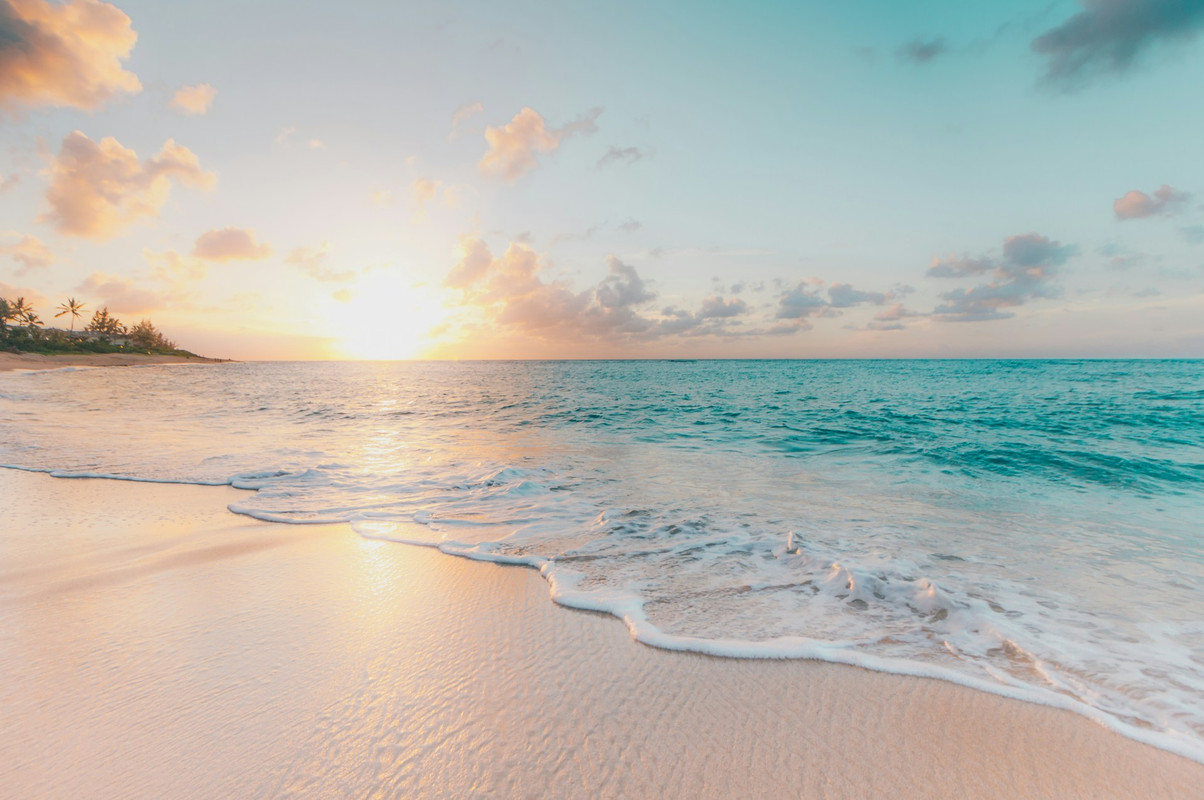
If you’re dreaming of soft sand, turquoise waters, and endless sunshine, these beach destinations belong on your lifetime travel list. From remote island paradises to vibrant tropical cultures, here are ten of the best places to experience the magic of sand and surf.
Whether you’re a surfer chasing perfect waves, a sunbather seeking pristine shores, or an adventurer looking to explore underwater worlds, these destinations offer something extraordinary. Each location has been carefully selected for its unique combination of natural beauty, cultural richness, and unforgettable experiences.
In this comprehensive guide, we’ll explore each destination’s highlights, what makes it special, and why it deserves a spot on your travel bucket list.
1Top 10 Sand & Surf Destinations Around the World
From the volcanic shores of Tahiti to the crystal-clear lagoons of the Maldives, these destinations represent the pinnacle of beach paradise. Each offers its own unique blend of natural wonder, cultural authenticity, and recreational opportunities.
Tahiti, French Polynesia
Part of French Polynesia, Tahiti is a dreamlike island where mountains meet the sea. Its black-sand beaches, waterfalls, and coral reefs are ideal for adventure and relaxation alike. The island offers a perfect balance of Polynesian culture and French sophistication, making it an exotic yet accessible paradise.
Maldives
With overwater bungalows and crystal-clear lagoons, the Maldives offer a secluded luxury experience. It’s perfect for honeymooners, divers, and anyone looking to disconnect. The archipelago’s pristine coral reefs and abundant marine life make it one of the world’s premier diving destinations.
Fiji
Known for its friendly locals and vibrant coral reefs, Fiji’s islands are a surfer’s and snorkeler’s paradise. Visit traditional villages or unwind on soft white beaches. The archipelago’s 330 islands offer endless opportunities for island-hopping and cultural immersion.
Mauritius
This Indian Ocean island combines dramatic mountains, sugarcane fields, and stunning beaches. It’s ideal for nature lovers and families alike. The island’s unique blend of African, Asian, and European influences creates a rich cultural tapestry that enhances any beach vacation.
Virgin Islands
Whether you choose the US or British Virgin Islands, you’ll be greeted with calm bays, great sailing, and snorkeling in turquoise Caribbean waters. The islands offer a perfect combination of tropical beauty and modern amenities, making them ideal for both relaxation and adventure.
Aruba
Aruba offers constant sunshine, colorful culture, and calm waters perfect for swimming and paddleboarding. Don’t miss Eagle Beach and Arikok National Park. The island’s desert climate ensures year-round perfect weather, while its Dutch colonial heritage adds unique charm.
Bahamas
With hundreds of islands to explore, the Bahamas are full of surprises—from pink sand beaches to swimming pigs and blue holes. It’s a tropical escape for all ages. The archipelago’s proximity to the United States makes it easily accessible while maintaining an exotic Caribbean atmosphere.
Sri Lanka
Sri Lanka’s southern coast offers golden beaches, surfing, wildlife safaris, and ancient temples. It’s a culturally rich destination with something for everyone. The island combines pristine beaches with incredible biodiversity, making it perfect for those seeking both relaxation and adventure.
Hawaii
From surfing the waves of Oahu’s North Shore to exploring volcanoes on the Big Island, Hawaii combines natural wonder with laid-back island culture. Each island offers its own unique personality, from the cosmopolitan energy of Oahu to the untamed beauty of Kauai.
Thailand
With its vibrant street food, longtail boats, and idyllic beaches in places like Krabi and Koh Phi Phi, Thailand is a tropical adventure with great value. The country offers an unbeatable combination of stunning natural beauty, rich culture, and affordable luxury.
Bonus Destination: Turks & Caicos – Grace Bay in Providenciales is often ranked among the world’s best beaches. The calm, shallow waters are perfect for families and first-time snorkelers, while the luxury resorts provide world-class amenities.
2What Makes These Destinations Special
Each of these beach destinations offers unique characteristics that set them apart from ordinary coastal getaways. Here’s what to expect from your tropical adventure:
Natural Beauty: Crystal-clear waters, pristine beaches, and dramatic landscapes that create picture-perfect moments at every turn.
Cultural Richness: From Polynesian traditions in Tahiti to the colonial heritage of Aruba, each destination offers authentic cultural experiences that enrich your beach vacation.
Adventure Opportunities: World-class diving, surfing, snorkeling, and water sports that cater to all skill levels and interests.
3Planning Your Perfect Beach Getaway
To make the most of your tropical escape, consider these essential factors when choosing your destination:
Destination
Best For
Peak Season
Special Features
Tahiti
Romance & Adventure
May – October
Black sand beaches, waterfalls
Maldives
Luxury & Diving
November – April
Overwater bungalows, coral reefs
Fiji
Culture & Snorkeling
July – September
Friendly locals, vibrant reefs
Mauritius
Families & Nature
May – December
Mountains, diverse culture
Virgin Islands
Sailing & Convenience
April – June
Calm bays, easy access
Aruba
Consistent Weather
January – March
Year-round sunshine
Bahamas
Family Fun
December – April
Pink beaches, blue holes
Sri Lanka
Adventure & Value
December – March
Surfing, wildlife, temples
Hawaii
Variety & Accessibility
April – June
Volcanoes, diverse islands
Thailand
Budget & Culture
November – March
Affordable luxury, great food
Travel Tip: Consider shoulder seasons for better value and fewer crowds while still enjoying favorable weather conditions. Many of these destinations offer unique experiences year-round.
Your Beach Paradise Awaits
Whether you’re a surfer, sunbather, or sea explorer, these beach destinations promise unforgettable experiences. Let the rhythm of the ocean, the warmth of the sun, and the softness of sand guide your next travel adventure.
Each destination offers its own unique magic—from the volcanic beauty of Tahiti to the luxury resorts of the Maldives, from the cultural richness of Fiji to the family-friendly shores of the Bahamas. The perfect beach getaway is waiting for you.
Start planning your escape to paradise today, and discover why these ten destinations consistently rank among the world’s most beloved beach retreats. Your dream vacation is just a booking away.
Top Travel Credit Cards in 2025: Unlock Rewards, Perks & Savings
A Comprehensive Guide to Travel Rewards
Travel credit cards can be powerful allies, offering bonus points, exclusive hotel rates, statement credits, and luxury perks for frequent travelers. Whether you’re planning your next adventure or flying for business, the right travel credit card can transform your spending into valuable rewards and experiences.
In this comprehensive guide, we’ll explore why travel credit cards matter, review the best options available in 2025, and help you choose the perfect card to maximize your travel rewards and enhance your journey.
1Why Travel Credit Cards Matter ✈️
Travel credit cards offer far more than just basic rewards—they’re your gateway to elevated travel experiences and significant savings.
Rewarding Your Normal Spend
Many cards offer 2–5× points or miles on travel-related purchases such as flights, hotels, and dining. For instance, the Chase Sapphire Preferred® provides 3× on dining and travel, turning your everyday expenses into future adventures.
Travel Statement Credits
Premium cards like Capital One Venture X and Chase Sapphire Reserve offer $300+ in travel credits annually. American Express cards may offer hotel and airline credits when booking through Amex Travel, effectively reducing your annual fee.
Airport Lounge Access
Top-tier cards such as the Amex Platinum, Venture X, and Delta Reserve include access to lounges worldwide—saving hundreds of dollars per year and enhancing your travel experience with comfortable seating, complimentary food and drinks, and quiet workspaces.
Pro Tip: Lounge access isn’t just about comfort—it’s about productivity. Many lounges offer reliable Wi-Fi, charging stations, and quiet spaces perfect for catching up on work during layovers.
Transferable Points & High Redemption Value
Many cards partner with airlines and hotel loyalty programs, giving travelers better redemption value, especially with co-branded cardholders. These transfer partnerships often provide 1.5-2x more value than standard cash back redemptions.
Elite Perks & Travel Protection
Benefits often include Global Entry/TSA Pre✓® fee reimbursement, travel insurance, trip delay or cancellation coverage, and elite status upgrades at hotels. These protections can save thousands in unexpected travel expenses.
2🏆 Best Travel Credit Cards in the US (2025)
Capital One Venture X Rewards
Why it stands out:
Earn 2× on all purchases and 5–10× through Capital One Travel. Comes with a $300 travel credit, 10K anniversary miles, and lounge access. The card pays for itself with just moderate travel spending.
Ideal for: Travelers who want luxury perks without complications and prefer simple earning structures.
Chase Sapphire Reserve®
Premium features:
$300 annual travel credit, Priority Pass lounge access, 3× on travel and dining, high-value point transfers. Now with a $795 fee and enhanced benefits including expanded travel protections and dining credits.
Ideal for: Frequent travelers who can maximize the perks and transfer programs, especially those who value Chase’s extensive partner network.
The Platinum Card® from American Express
Top-tier perks:
Earn 5× on flights and hotels, access to Centurion, Delta Sky Club, and Priority Pass lounges, and over $1,400 in annual statement credits (Uber, hotels, airlines). Premium concierge service and exclusive event access.
Ideal for: Luxury travelers who will take full advantage of elite benefits and can utilize the various credit categories.
Chase Sapphire Preferred®
Why it’s a favorite:
Modest $95 fee, transfer to 13+ airline/hotel partners, generous 60K sign-up bonus, 3× on dining, 2× on travel. Perfect balance of value and affordability with strong redemption options.
Ideal for: Travelers looking for flexibility without the high annual cost, or those new to premium travel cards.
Capital One Venture (Standard)
Best for simplicity:
Flat 2× miles on all purchases, $95 fee, includes access to travel portal bookings and Global Entry/TSA Pre✓® credits. No category restrictions or rotating bonuses to track.
Ideal for: Casual travelers seeking easy rewards with no complexity and those who prefer straightforward earning structures.
3Card Comparison: Key Features at a Glance
Card
Annual Fee
Key Earning Rate
Travel Credit
Lounge Access
Venture X
$395
2× all purchases, 5-10× Capital One Travel
$300
Yes (Priority Pass + Capital One)
Sapphire Reserve
$795
3× travel & dining
$300
Yes (Priority Pass)
Amex Platinum
$695
5× flights & hotels
$200 + various credits
Yes (Multiple networks)
Sapphire Preferred
$95
3× dining, 2× travel
None
No
Venture Standard
$95
2× all purchases
None
No
4Maximizing Your Travel Credit Card Strategy
Travel credit cards offer much more than just miles—they deliver convenience, value, and protection when used wisely. Before choosing a card, consider these key factors:
Assess Your Travel Patterns
How frequently you travel and to what destinations
Whether you prefer domestic or international trips
Your typical spending on dining, hotels, and other travel categories
If you travel for business or leisure (different cards optimize for different travel styles)
Evaluate Benefit Utilization
Your ability to fully use lounge access and annual credits
Whether you can take advantage of elite status benefits
If you’ll use travel insurance and protection features
Consider Redemption Preferences
Whether you prefer transfer partners or flat-rate rewards
If you want flexibility in how you use your points
Your comfort level with maximizing complex reward structures
Advanced Strategy: Many experienced travelers use a combination of cards—a premium card for travel purchases and lounge access, plus a high-earning everyday card for non-travel spending. This strategy maximizes rewards across all spending categories.
5Getting the Most Value from Your Card
Sign-Up Bonuses
Most travel credit cards offer substantial welcome bonuses—often worth $500-1,500 in travel value. Plan a large purchase or pay quarterly taxes to meet spending requirements naturally.
Strategic Spending
Use your travel card for all travel-related expenses, dining, and categories where you earn bonus points. For other purchases, consider if a different card might earn more.
Transfer Partner Sweet Spots
Learn which airline and hotel partners offer the best redemption values for your typical destinations. Some routes offer outsized value through specific transfer partners.
Insider Tip: Book refundable hotel rates with your travel card even if you plan to cancel. This triggers travel category bonuses and travel protections, then cancel and rebook with points or a better rate if found.
Make Every Journey Rewarding
The right travel credit card is more than just a payment method—it’s your ticket to enhanced experiences, valuable protections, and meaningful savings on every trip you take.
By aligning your travel habits with the strengths of the right credit card, you can turn every journey into a more rewarding—and even luxurious—experience. Whether you’re just starting your travel rewards journey or looking to optimize your existing strategy, these top travel credit cards of 2025 offer the tools you need to explore the world in style.
Remember: The best travel credit card is the one that matches your specific travel patterns and spending habits. Take time to evaluate your needs, and you’ll be rewarded with years of enhanced travel experiences.