Tag: Travel Hacks

  • Best Places to Travel as a Student (on a Budget) for Affordable and Memorable Adventures

    Best Places to Travel as a Student (on a Budget) for Affordable and Memorable Adventures

    Best Places to Travel as a Student (on a Budget)

    For Affordable and Memorable Adventures

    Traveling as a student doesn’t have to be expensive or complicated. Many destinations around the world offer affordable accommodations, cheap food, and rich cultural experiences that fit within a student’s budget.

    The best places to travel as a student on a budget combine low costs with vibrant social scenes and unique attractions, making the most of limited funds without sacrificing the quality of the experience.

    Choosing the right destination is key. Options like Southeast Asia, Eastern Europe, and parts of South America provide not only affordability but also opportunities to explore diverse cultures, landscapes, and local lifestyles. These locations often feature hostels, public transportation, and food options that cater specifically to budget-conscious travelers.

    1Why Students Should Travel on a Budget

    Traveling on a budget allows students to experience new places while managing their finances responsibly. It encourages practical planning, enhances problem-solving abilities, and maximizes the value gained from limited resources. This approach helps students grow personally and financially without sacrificing the quality of their travel experience.

    Benefits of Budget Travel for Students

    Budget travel helps students extend the duration of their trips, allowing more time to explore and learn. Affordable options like hostels or shared accommodations reduce lodging costs significantly. Students can also take advantage of discounts for transportation, attractions, and meals exclusive to young travelers.

    Traveling on a budget fosters independence. It forces students to research deals, compare prices, and make informed decisions. Such experiences often create memorable moments and deeper cultural immersion since they rely less on tourist traps and more on local life.

    Budget Travel Tip: Use student travel passes, discount cards, and group travel deals to maximize your savings. Planning trips during off-peak seasons can reduce costs for flights and lodgings by up to 40%.

    Skills Learned Through Affordable Travel

    Budget travel teaches essential life skills such as financial management and adaptability. Students must prioritize spending, track expenses, and stick to a budget, which translates to better financial discipline in daily life.

    Problem-solving and planning skills develop through finding the best routes, accommodations, and activities within limited means. Students also improve communication skills by interacting with diverse people and navigating unfamiliar environments, enhancing cross-cultural understanding.

    2Criteria for Choosing Affordable Student Destinations

    Selecting a budget-friendly destination requires attention to several key factors that impact safety, travel ease, costs, and cultural value. Each element influences how much a student can enjoy and learn without overspending or risking wellbeing.

    Safety Considerations

    Safety First: Research political stability, crime rates, and local customs to determine if an area is secure. Prioritize places with well-reviewed accommodations and reliable emergency services.

    Health risks also matter; access to medical facilities and vaccinations required should be checked. Staying in areas known for safety during both day and night, and avoiding regions with political unrest, ensures peace of mind. Reliable local transportation and clear communication options add layers of security.

    Cost of Living and Accommodation

    Expense Category Factors to Consider Tips
    Food Affordable local cuisine Eat street food or markets
    Housing Shared rooms or hostels Book in advance for deals
    Transport Public transit availability Use monthly or student passes
    Entertainment Free or low-cost attractions Look for student discounts

    3Top Budget Travel Destinations for Students in Europe

    Several European cities offer affordable travel options with rich culture, historic sites, and vibrant social scenes. These locations provide budget accommodations, inexpensive food, and well-connected public transport, making them ideal for students watching their expenses.

    Kraków, Poland

    Kraków is one of the most affordable cities in Europe for students. It features a well-preserved medieval old town and numerous free or low-cost attractions such as Wawel Castle and the historic Jewish quarter.

    Public transport is inexpensive and reliable, with tram and bus tickets costing just a few euros. Food costs are low, with local meals averaging between €3-6. Kraków also has a lively nightlife offering many affordable bars and cafes frequented by students.

    Budget breakdown: Affordable hostels and budget hotels are widely available, often charging below €20 per night. The city’s compact layout makes walking a convenient option as well.

    Budapest, Hungary

    Budapest combines stunning architecture and a rich history with budget-friendly travel. Students can explore thermal baths, art galleries, and historic sites like Buda Castle without high entrance fees.

    Public transportation is efficient and low-cost, with single tickets costing around €1. Food can also be very affordable, especially in markets and street food stalls where local dishes can be found for under €5.

    Budget breakdown: Budget accommodation ranges from hostels to shared apartments, with prices frequently below €15 per night. The city’s vibrant nightlife and many free walking tours make it popular among students.

    Porto, Portugal

    Porto is known for its scenic riverfront and affordable lifestyle. The city offers inexpensive public transport, with tickets costing about €1.20, and many attractions like churches and museums charge minimal entrance fees.

    Local markets and small eateries provide cheap, quality meals for around €4-7. Students enjoy the relaxed atmosphere combined with lively cultural events.

    Budget breakdown: Accommodation options include affordable hostels and guesthouses priced under €20 nightly. Porto’s manageable size also makes it easy to explore on foot, reducing travel costs further.

    4Best Student Destinations in Asia on a Budget

    Affordable travel in Asia often means access to rich culture, easy local transportation, and student-friendly living costs. These cities offer a strong combination of educational opportunities, cultural experiences, and budget-conscious options for meals, accommodation, and activities.

    Hanoi, Vietnam

    Hanoi stands out for its low living expenses and vibrant street life. Meals from street vendors typically cost between $1 and $3, making daily food affordable without sacrificing variety or flavor.

    Students benefit from easy access to historical sites like the Old Quarter and the Hoan Kiem Lake area. Local buses and motorbike taxis provide cheap transport options, often at just a few cents to a couple of dollars per trip.

    Budget breakdown: Hostels and budget hotels generally charge from $8 to $15 per night. Hanoi also has a growing café and coworking scene, ideal for students needing study spots.

    Chiang Mai, Thailand

    Chiang Mai offers a blend of cultural richness and low-cost living, making it ideal for students. The city’s affordable accommodation ranges from guesthouses at $10 per night to budget hotels around $20.

    Local transportation includes red songthaew shared taxis priced typically under $1 for short distances. Food is both plentiful and cheap, with street meals averaging $1-2.

    Cultural opportunities: The city is known for its accessible temples, markets, and nearby natural parks. These attractions provide students with inexpensive leisure options alongside opportunities for cultural immersion.

    Yogyakarta, Indonesia

    Yogyakarta serves as a hub for students due to its educational institutions and affordable lifestyle. Budget accommodations can be found for $7 to $15 per night.

    Transportation primarily involves ojeks (motorcycle taxis) and becaks (pedicabs), both very cost-effective for short trips. Street food in Yogyakarta is diverse and cheap, with meals typically below $2.

    Cultural immersion: Students can explore local temples like Prambanan and the Sultan’s Palace without high entrance fees. The city’s creative arts scene also offers low-cost workshops and exhibitions, enriching the learning experience.

    5Affordable Student-Friendly Cities in the Americas

    These cities offer a blend of cultural richness, accessible public transportation, and a variety of budget accommodations. Students can enjoy vibrant food scenes, museums, and social activities without overspending.

    Mexico City, Mexico
    Mexico City is known for its low cost of living and affordable student amenities. Public transit, including the metro, is extensive and inexpensive, making it easy to explore the city. Cultural sites such as the National Museum of Anthropology and historic neighborhoods like Coyoacán are free or cheap to visit. Street food and markets provide tasty meals at low prices.
    Lima, Peru
    Lima combines coastal views with rich history and affordable living costs. Public transportation includes buses and the Metropolitano bus rapid transit system, which is low-cost and efficient. Students can explore museums like the Larco Museum for modest entry fees. Local markets offer fresh produce and traditional dishes, which are both affordable and authentic.
    Montreal, Canada
    Montreal balances affordability with a high quality of life and is popular among international students. The city’s metro system is reliable and priced reasonably, simplifying commuting. Cultural attractions such as museums and theaters offer student discounts. Diverse neighborhoods like Plateau Mont-Royal have affordable eateries and vibrant street art.

    6Off-the-Beaten-Path Destinations for Student Travelers

    These destinations offer affordable living costs, rich cultural experiences, and authentic atmospheres away from typical tourist crowds. Each place has unique history, local cuisine, and opportunities for meaningful exploration suited to budget-conscious students.

    Tbilisi, Georgia

    Tbilisi is known for its vibrant arts scene and historic architecture, making it a compelling choice for students interested in culture and history. The city is budget-friendly, with inexpensive public transport and affordable meals, often under $5.

    Students can explore the old town’s narrow alleys, sulfur baths, and lively markets. Nightlife includes cozy cafes and traditional music venues. Tbilisi offers a variety of hostels and guesthouses that support short-term stays at low costs.

    Sofia, Bulgaria

    Sofia combines affordability with a mix of ancient landmarks and modern city life. Students can visit Roman ruins, orthodox churches, and large green spaces like Borisova Gradina Park without entrance fees.

    Public transport is low-cost, with trams and buses linking key parts of the city. Food prices in local markets and small restaurants remain accessible, often under $7 per meal.

    7Maximizing Your Travel Budget As a Student

    Careful planning and smart choices can stretch a student’s travel budget significantly. Prioritizing affordable lodging, economical dining options, and making full use of student discounts are key to traveling longer and experiencing more without overspending.

    Finding Budget Accommodation

    • Consider hostels, guesthouses, and budget hotels as primary lodging options
    • Use booking platforms like Hostelworld or Airbnb for discounted rates
    • Stay slightly outside major tourist areas to save money
    • Look for weekly or monthly discounts for longer stays
    • Consider Couchsurfing for free accommodation (with careful vetting)
    Pro tip for accommodation: Hostels often provide communal kitchens and social spaces, which help reduce food costs and offer chances to meet fellow travelers.

    Cheap Eats and Local Food

    Eating at local markets, street vendors, and small family-run eateries is an effective way to enjoy authentic food for less. These places usually offer fresh ingredients and specialties at prices below tourist restaurants.

    Shopping from supermarkets for essentials to prepare meals in hostel kitchens cuts dining expenses drastically. Trying local fruits, breads, and cheeses not only saves money but enriches the cultural experience.

    Food Budget Tip: Avoid dining near major attractions, where prices tend to inflate. Sampling local dishes like falafel in the Middle East or rice and beans in Latin America can be both economical and fulfilling.

    Using Student Discounts

    Carrying a valid student ID or an International Student Identity Card (ISIC) unlocks discounts on transport, entrance fees, and accommodations worldwide. Many museums, galleries, and public transit systems offer marked reductions for students.

    Flight discounts and special travel passes for students can lower transportation costs significantly. Researching and booking in advance often brings additional deals.

    8Planning Practicalities for Budget Travel

    Effective budget travel requires strategic timing, smart packing, and careful risk management. Each element helps stretch funds without sacrificing experience or safety.

    Seasonal Travel Tips

    Traveling during off-peak seasons can significantly reduce costs for flights, accommodation, and attractions. Students should research destinations’ shoulder seasons—times just before or after high tourist influx—to find better deals and fewer crowds.

    Weather impacts costs, so checking climate patterns helps avoid unexpected expenses like gear rental or altered plans. Booking flights and lodging well in advance often secures the best prices, especially for holidays or festivals when demand spikes.

    Travel Insurance Considerations

    Don’t Skip Insurance: Travel insurance is a necessary but often overlooked budget item. It protects against medical emergencies, trip cancellations, and lost belongings, minimizing costly disruptions.

    Students should compare plans focusing on coverage for adventure activities and pre-existing conditions if relevant. Cost varies by destination and duration; comprehensive plans tend to be affordable when weighed against potential out-of-pocket expenses.

    9Staying Safe and Healthy While Traveling on a Budget

    Students traveling on a budget must pay close attention to their health and safety to make the most of their trip. Proper preparation includes taking health precautions and knowing where to turn in an emergency.

    Health Precautions

    • Choose destinations with good healthcare infrastructure
    • Stay up to date on routine vaccines and travel vaccinations
    • Maintain basic hygiene and drink bottled water
    • Eat freshly cooked food to prevent common illnesses
    • Carry a basic travel health kit with essentials

    Emergency Resources for Students

    Knowing how and where to access emergency care abroad reduces risk during unexpected situations. Students should keep contact information for local hospitals, their country’s embassy, and travel insurance providers readily available.

    Register with a government travel program for alerts and assistance in crises. Language barriers can complicate emergencies, so learning key phrases or using translation apps is helpful.

    Start Your Budget Adventure Today

    Budget travel as a student isn’t just about saving money—it’s about maximizing experiences, building life skills, and creating memories that will last a lifetime. From the medieval streets of Kraków to the bustling markets of Hanoi, affordable destinations offer rich cultural experiences without breaking the bank.

    Remember: the best budget travel combines smart planning with open-minded exploration. Research thoroughly, pack light, stay safe, and embrace the unexpected. Your next adventure is waiting, and it doesn’t have to cost a fortune.

    So grab your backpack, check your student ID, and start planning your budget-friendly journey around the world. The experiences you gain and the skills you develop will be worth far more than the money you save.

  • Essential Tips for Smart Booking and Comfortable Stays

    Essential Tips for Smart Booking and Comfortable Stays

    Travel, Hotels: Essential Tips for Smart Booking and Comfortable Stays

    Your Complete Guide to Hotel Selection

    Traveling often hinges on finding the right place to stay, making hotels a key part of any trip. Choosing accommodations that balance comfort, location, and price helps travelers maximize their experience without overspending. With countless options available, knowing where to look and what to consider can simplify the booking process.

    Many platforms now offer comprehensive tools to compare hotel prices, read reviews, and bundle stays with flights or car rentals to save money. This makes it easier for travelers to customize trips according to their needs while accessing reliable information. Understanding how to navigate these resources can make a significant difference in planning a smooth and enjoyable journey.

    1Types of Hotels

    Hotels vary widely in style, services, and price to meet diverse traveler needs. Some prioritize opulence and personalized service, while others focus on affordability or leisure activities. The choice depends largely on the traveler’s preferences and budget.

    Luxury Hotels

    Luxury hotels emphasize high-end amenities, exceptional service, and elegant design. They often feature spacious rooms with premium furnishings, fine dining restaurants, and extensive facilities like spas, pools, and concierge services. These hotels aim to provide a seamless, comfortable experience with attention to detail.

    Guests at luxury hotels usually expect privacy, exclusivity, and a range of personalized options such as private check-ins or tailored excursions. Locations tend to be central or scenic, catering to affluent travelers or business guests seeking prestige and comfort.

    Boutique Hotels

    Boutique hotels are smaller, more intimate properties with unique character and personalized service. They often have distinctive decor and design inspired by local culture or art. These hotels focus on creating an authentic and memorable experience for guests.

    Example: Boutique hotels typically have fewer than 100 rooms and emphasize atmosphere over scale. They appeal to travelers seeking individuality rather than standardized, large-scale facilities.

    Budget Hotels

    Budget hotels provide basic accommodations at a low price point. They focus on essentials such as a clean room, comfortable bed, and minimal amenities. These hotels aim to offer value and convenience rather than luxury or extensive services.

    Locations for budget hotels are often practical, including near transport hubs or city outskirts. They cater to cost-conscious travelers like backpackers, families, or business guests who prioritize affordability. Services are limited, often without restaurants or extensive leisure facilities.

    Resorts

    Resorts combine accommodations with recreational activities and entertainment, frequently located in vacation destinations. They offer amenities such as pools, fitness centers, golf courses, and organized excursions, designed to keep guests engaged.

    Tip: Resorts often feature all-inclusive packages, covering meals, activities, and sometimes transportation. Their appeal lies in convenience and variety, serving families, couples, and groups looking for a comprehensive vacation experience without leaving the property.

    2How to Choose the Right Hotel

    Choosing a hotel involves balancing location, amenities, and the experiences of past guests. Paying close attention to these factors helps ensure the hotel fits the traveler’s needs and expectations without unnecessary hassle or expense.

    Location Strategies

    Selecting a hotel in the right location depends largely on the purpose of the trip. Those visiting for business may prioritize proximity to conference centers or offices to save commute time.

    • Business travelers: Look for hotels near conference centers, offices, or business districts
    • Leisure travelers: Consider proximity to attractions, public transport, or dining options
    • Safety and convenience: Research the neighborhood’s safety and accessibility
    • Transit accessibility: Check proximity to airports or major transit hubs for short stays

    Amenities and Services

    The amenities offered can significantly impact the comfort and convenience of a stay. Essential features to consider include Wi-Fi availability, parking options, and 24-hour front desk service.

    Essential amenities checklist: Wi-Fi, parking, front desk service, complimentary breakfast, gym access, airport shuttle, swimming pools (for families), pet-friendliness, and accessibility features.

    Reviewing what is included in the room rate versus additional fees for amenities helps prevent unexpected costs. Checking if the hotel caters to specific needs, such as pet-friendliness or accessibility features, is also beneficial.

    Guest Reviews and Ratings

    Reviews from previous guests provide practical insight into the hotel’s quality and service. Look for patterns in feedback rather than focusing on isolated comments.

    Pro tip: Use multiple review platforms to balance subjective opinions. Pay attention to recent reviews to understand the current state of the hotel rather than outdated experiences.

    High ratings in cleanliness, staff responsiveness, and accuracy of advertised services are key indicators of a reliable choice. Negative reviews related to safety or maintenance issues should raise caution.

    3Hotel Booking Tips

    Booking a hotel involves choices that can impact price, convenience, and overall experience. Knowing when and where to book can help travelers get better rates, more flexible policies, and useful perks.

    Direct Booking Advantages

    Booking directly with a hotel often provides better customer service and flexibility. Hotels may offer perks such as free upgrades, late check-out, or waived fees to guests who book on their official website or by phone.

    • Better customer service and flexibility
    • Perks like free upgrades and late check-out
    • Priority for loyalty programs
    • Potential for price matching or negotiation

    Using Online Travel Agencies

    Online Travel Agencies (OTAs) like Booking.com and Expedia provide a wide range of hotel options in one place. They offer convenience, user reviews, and often bundle deals with flights or car rentals.

    OTAs allow travelers to compare prices quickly across multiple hotels and filter by amenities, ratings, and cancellations policies. This speed and variety help in making informed decisions. However, booking via OTAs sometimes means less flexibility with changes or cancellations.

    Seasonal Discounts

    Hotels often reduce rates significantly during off-peak seasons or weekdays to attract guests. Travelers who schedule trips during these times can save noticeably on nightly rates.

    Timing strategy: Some chains launch discounts tied to holidays or special events, but availability is limited. Signing up for email alerts from hotels or travel sites can help capture these deals early.

    4Popular Hotel Destinations

    Travelers often choose their stays based on distinctive settings, ranging from vibrant city centers to serene coastal areas and tranquil mountain locales. Each destination offers unique experiences, catering to varied preferences in atmosphere, activities, and scenery.

    Urban Travel Hotspots

    Cities like New York, Barcelona, and Las Vegas are among the most sought-after urban hotel destinations. They provide easy access to cultural landmarks, dining, entertainment, and business centers. High-end chains and boutique hotels alike cater to diverse travelers seeking convenience, luxury, or local flavor.

    Urban advantages: Hotels located within walking distance of major attractions or transportation hubs. Top hotel chains have established strong presences in key cities worldwide, ensuring consistent service and amenities.

    Beach Resort Locations

    Coastal destinations remain favorites for travelers seeking relaxation, sunbathing, and water activities. Locations such as the Caribbean, southern Spain, and Southeast Asia host renowned resorts offering beachfront access and luxury accommodations.

    Many beach resorts focus on all-inclusive experiences, with amenities like pools, spas, and organized excursions. Resort hotels often provide equipment rentals for snorkeling, diving, or sailing. The combination of scenic ocean views and direct beach access makes these resorts attractive for both families and couples.

    Mountain Retreats

    Mountain regions provide a contrasting environment, prized for fresh air, scenic views, and outdoor activities including hiking and skiing. Popular locations include the French Alps and mountainous areas in France and other parts of Europe.

    Hotels in mountain retreats often emphasize cozy atmospheres, with features like fireplaces, hearty local cuisine, and wellness centers. They serve as year-round destinations, appealing to winter sports enthusiasts and summer hikers alike.

    5Hotel Loyalty Programs

    Hotel loyalty programs help travelers maximize value from their stays through points accumulation and exclusive perks. Many programs differ in how points are earned or redeemed, and in the specific member benefits offered.

    Earning and Redeeming Points

    Points typically accumulate by booking stays, but some programs also award points for spending on dining, spa services, or partner purchases. For example, World of Hyatt allows earning points on hotel services beyond just rooms.

    Redemption strategies: Options include free nights, room upgrades, or discounted stays. Programs vary in point requirements for rewards, so travelers should compare programs like Choice Privileges versus Marriott Bonvoy for value and coverage.

    Exclusive Member Benefits

    Members of hotel loyalty programs receive perks that go beyond points. Typical benefits include discounted member-only room rates, priority check-in, and late check-out.

    • Priority check-in and late check-out
    • Room upgrades for elite members
    • Complimentary breakfast and lounge access
    • Bonus points on stays
    Pro tip: Elite status tiers unlock additional advantages like room upgrades, complimentary breakfast, lounge access, and bonus points on stays. Align your loyalty with where you mostly stay for maximum benefits.

    6Sustainable Practices in Hotels

    Sustainable hotels focus on reducing environmental impact while enhancing social and economic benefits. Key areas include practical measures to decrease resource use and efforts to engage and support local communities.

    Eco-Friendly Initiatives

    Hotels adopt various eco-friendly initiatives to minimize their carbon footprint. Common strategies include installing energy-efficient lighting and heating systems, using renewable energy sources like solar panels, and implementing water-saving measures such as low-flow fixtures.

    Green hotel features to look for: Energy-efficient lighting, renewable energy sources, water-saving fixtures, waste reduction programs, recycling and composting, locally sourced products, and guest education on sustainability.

    Supporting Local Communities

    Hotels that embrace sustainability work to benefit local economies and cultures. This includes hiring local staff, which helps provide meaningful employment opportunities within the community.

    They also collaborate with local suppliers, favoring locally produced goods and foods to boost regional businesses. Community engagement extends to partnerships with local organizations for conservation projects or cultural education, creating positive impact beyond the hotel.

    7Trends in the Hotel Industry

    The hotel industry is rapidly integrating advanced technology and shifting toward more personalized guest services. These changes aim to enhance efficiency, reduce costs, and improve the overall guest experience.

    Smart Hotel Technology

    Hotels increasingly adopt AI-powered systems to automate routine tasks like check-in, room service, and energy management. Automated kiosks and mobile apps enable contactless check-in and door access, reducing wait times and staff reliance.

    • Contactless check-in and door access
    • Voice-activated room controls
    • Smart thermostats and lighting
    • AI-driven pricing optimization

    Personalized Guest Experiences

    Hotels now focus on tailoring their services using data collected from guest preferences and behaviors. Customized offers, room amenities, and activity recommendations create more engaging stays and increase guest satisfaction.

    Personalization examples: Loyalty programs utilize AI to predict individual preferences, allowing personalized marketing and rewards targeting. Hotels also provide flexible booking options and adapt experiences to cultural and generational differences.

    Conclusion

    Choosing the right hotel is about more than just a place to sleep—it’s about creating the foundation for a successful and enjoyable trip. By considering factors like hotel type, location, amenities, booking strategies, and emerging trends, you can make informed decisions that enhance your travel experience.

    Whether you’re seeking luxury accommodations, budget-friendly options, or sustainable stays, the key is to align your choice with your specific needs, preferences, and travel goals. With the right approach to hotel selection and booking, every journey can be both comfortable and memorable.

    Remember to leverage loyalty programs, read reviews carefully, and consider the total value proposition—not just the nightly rate. Smart hotel choices can transform your travels from ordinary trips into extraordinary experiences.

  • How to Choose the Best Airline for Business Class: A Smart Traveler’s Guide

    How to Choose the Best Airline for Business Class: A Smart Traveler’s Guide

    How to Choose the Best Airline for Business Class

    A Smart Traveler’s Guide

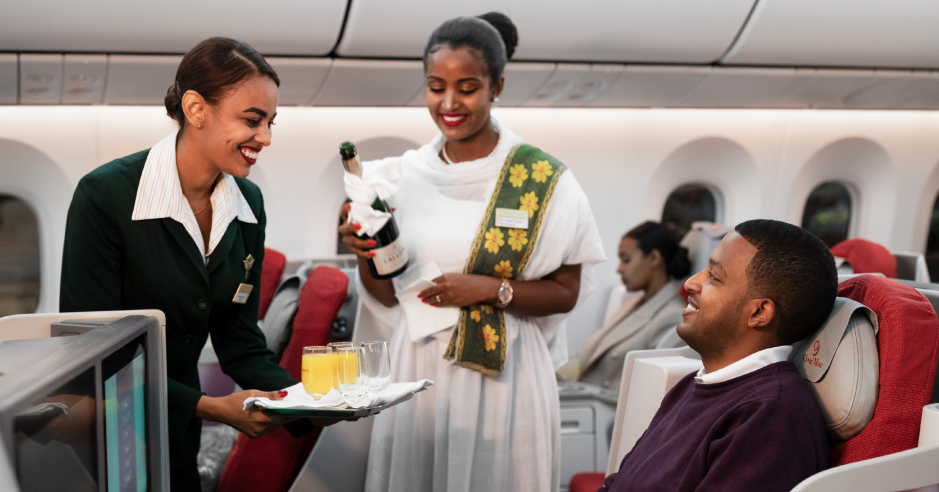
    Flying business class isn’t just about extra legroom or a glass of champagne—it’s a complete experience that can impact your productivity, comfort, and peace of mind. But with so many options out there, how do you decide which airline is truly the best fit for your next trip?

    Whether you’re flying for a crucial business meeting, a luxury getaway, or a long-haul connection, there are five key factors to consider when choosing the best airline for your business class flight: price, total travel time, airline safety, service and onboard experience, and your destination city or region.

    In this guide, we’ll walk you through each factor so you can make a confident and informed choice.

    1Price: Business Class on a Budget?

    Price is usually the first thing travelers compare—but when it comes to business class, it’s about value, not just the sticker price.

    What to look for:

    • Is it a true lie-flat seat? Some “business class” seats on short-haul flights are just wider recliners.
    • What’s included in the fare? Consider baggage allowance, lounge access, Wi-Fi, and dining.
    • Are there deals through points or upgrades? Many airlines allow economy-to-business upgrades with miles or bidding systems.
    Tip: Use tools like Google Flights, SeatGuru, and ITA Matrix to compare business class fares across multiple airlines. Also, check airline websites directly for exclusive promos and bundle deals.
    Pro tip for price-conscious flyers: Middle Eastern and Asian carriers like Qatar Airways, Turkish Airlines, or Singapore Airlines often offer premium business class experiences at surprisingly competitive prices compared to U.S. and European carriers.

    2Total Travel Time: The Real Cost of Convenience

    When you’re flying business class, a slightly longer trip might seem tolerable, but if you’re flying for business or with limited vacation time, total travel time matters just as much as comfort.

    What to consider:

    • Nonstop vs. layover: A nonstop flight in a slightly lesser business product can be better than a 2-stop itinerary with a great seat.
    • Connection duration: Some premium airlines route through hubs with long layovers, while others are more direct.
    • Airport transfers: In some cities, connecting between terminals or airports adds extra time and hassle.
    Example: Flying from New York to Bangkok? Emirates and Qatar offer top-tier service but require a connection in Dubai or Doha. Japan Airlines might have a more efficient routing with a single stop in Tokyo.

    Bottom line: Weigh comfort versus convenience. If you can save 4+ hours by switching carriers (with only a minor drop in service), it may be worth it.

    3Airline Safety: Peace of Mind at 35,000 Feet

    Business class or not, airline safety should never be an afterthought. Fortunately, most international carriers meet strict safety standards—but some are known for exceptional records and operational excellence.

    What to check:

    • Safety rankings: Look at sites like AirlineRatings.com and IATA’s Operational Safety Audit (IOSA).
    • Country of origin: Carriers from countries with strong aviation regulations (e.g., U.S., EU, Japan, Singapore, Australia) typically meet higher standards.
    • Fleet age and maintenance reputation: Newer aircraft like the A350 or Boeing 787 often come with improved safety features and comfort.
    Top-rated safe airlines for business class include: Air New Zealand, Singapore Airlines, Qatar Airways, ANA (All Nippon Airways), and Emirates.

    4Service & Business Class Experience: Not All Lie-Flat Seats Are Equal

    Let’s talk luxury. A great business class seat is only part of the equation—the service, food, amenities, and overall vibe define the experience.

    Premium business class service experience

    What to compare:

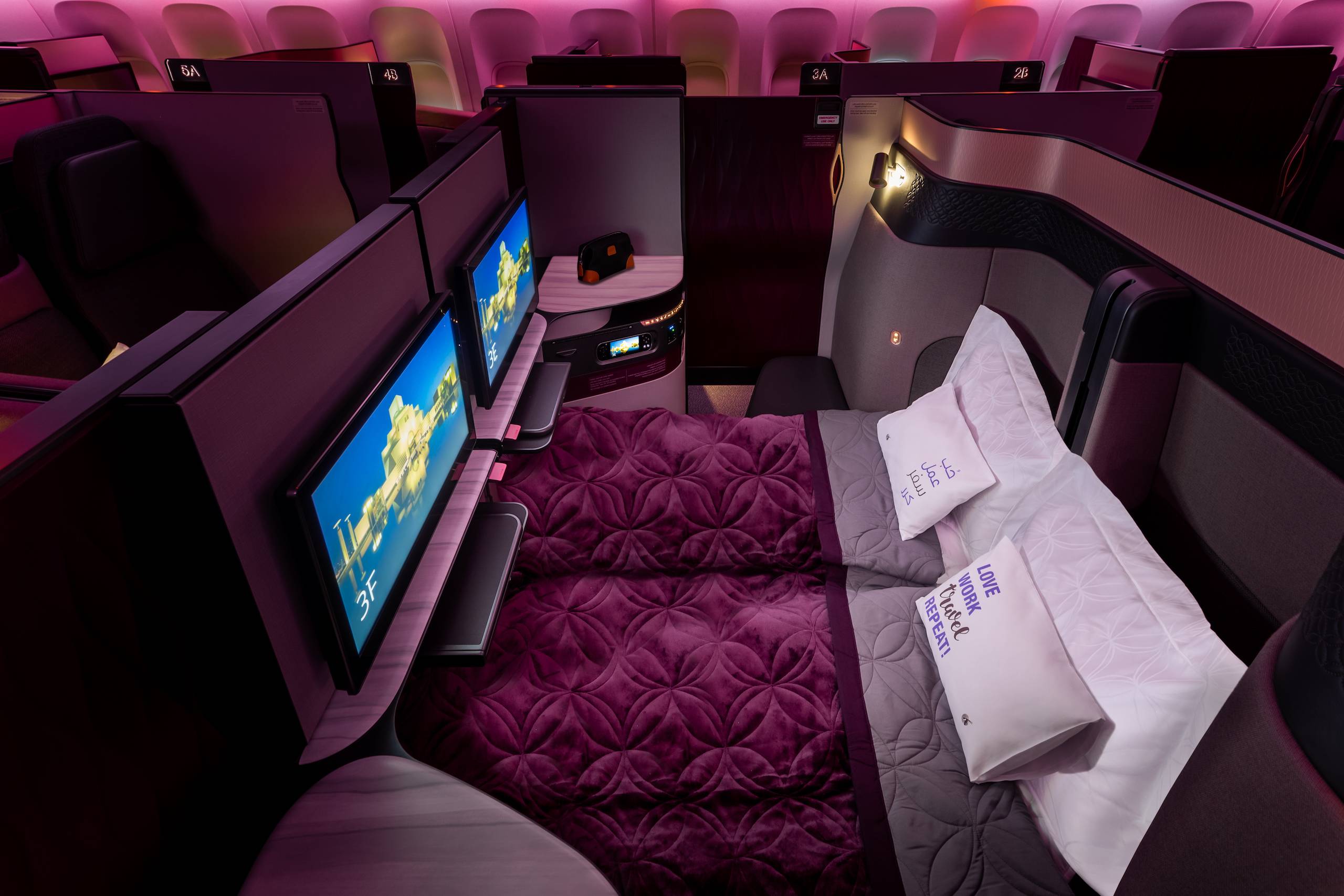
    • Seat configuration: Is it 1-2-1 with direct aisle access, or a more cramped 2-2-2?
    • Amenity kits and bedding: Premium airlines often provide designer kits, plush duvets, and pajamas.
    • Dining: Is it a la carte, dine-on-demand, or just a reheated tray?
    • Lounges: Do they offer spa treatments, gourmet dining, or private suites?
    • Customer service and personalization: The best business class service anticipates your needs, not just responds to them.

    Top-tier business class experiences:

    • Qatar Airways Qsuite: Privacy doors, custom menus, and world-class service.
    • Singapore Airlines: Massive seats, exceptional hospitality, and champagne options.
    • ANA and JAL: Impeccable Japanese service, gourmet meals, and ultra-quiet cabins.
    • Air France La Première (select routes): A business-first hybrid that rivals many first-class products.

    Don’t overlook regional airlines: For example, JetBlue’s Mint and Aer Lingus’ business class punch well above their price range.

    5Destination-Based Airline Choice: Let Your Route Decide

    Not all airlines serve all destinations equally. Some regions have dominant carriers that offer the most direct, frequent, and comfortable service—especially in business class.

    Match your airline to your route:

    • Europe: Lufthansa, British Airways, and Air France offer extensive connectivity.
    • Asia: Singapore Airlines, Cathay Pacific, ANA, and Korean Air are standout choices.
    • Middle East: Qatar Airways, Emirates, and Etihad are known for their luxury.
    • U.S. Domestic or North America: Delta One, American Flagship, United Polaris, and Air Canada Signature Class.
    • South America: LATAM and Avianca are your best bets, with Azul offering surprise quality.
    • Africa: Ethiopian Airlines, Qatar, and Emirates are often the safest and most luxurious options with connections into the continent.
    Airport hubs matter: For example, flying Turkish Airlines through Istanbul gives you access to an ultra-modern lounge and efficient transfers to many global destinations.

    6Loyalty Program Value & Alliances

    Frequent flyers know that not all miles are created equal. The airline you choose can significantly impact your ability to earn elite status, lounge access, and future upgrades.

    What to ask:

    • Can I credit the flight to a loyalty program I already use?
    • Is the airline part of a global alliance (Star Alliance, SkyTeam, Oneworld)?
    • How valuable are the points or miles for redemptions?
    • Will this flight help me qualify for elite perks (e.g., priority boarding, free upgrades)?
    Example: If you’re a United Premier Gold member, you might prefer Star Alliance partners like Lufthansa or ANA to maximize benefits.

    7Departure and Arrival Airport Experience

    Your travel comfort starts well before you step on the plane—and ends well after you land.

    Consider:

    • Is the departure airport business traveler–friendly?
    • How good is the airline’s lounge at that airport?
    • Are there fast-track security or immigration options for business class?
    • How efficient is baggage handling and customs upon arrival?
    Example: Flying Emirates through Dubai or Singapore Airlines through Changi provides a seamless, high-end ground experience with showers, dining, and even spa access.
    Singapore Changi Airport Jewel Vortex - Premium airport experience

    8Cabin Configuration and Privacy

    Not all business class cabins are created equal—even on the same airline. Some aircraft offer staggered seats, while others have enclosed suites with doors.

    Things to research:

    • Does every seat have direct aisle access?
    • Is it a newer business class product (e.g., Qsuite, Delta One Suites)?
    • Is it a 1-2-1 or 2-2-2 layout?
    • How much privacy and space does the seat offer?
    Pro tip: Use SeatGuru or airline fleet comparison videos on YouTube to inspect exact aircraft seat maps before booking.

    9In-Flight Connectivity and Tech

    If you’re flying for work or need to stay connected, the Wi-Fi reliability and onboard tech matter.

    Key points:

    • Does the airline offer high-speed internet? Is it free or reasonably priced?
    • Are there power outlets and USB ports at every seat?
    • How good is the in-flight entertainment (IFE) selection?
    • Can you work comfortably on a laptop?
    Example: JetBlue’s Mint and Delta One are known for reliable in-flight Wi-Fi and tech-friendly cabins.

    10Meal Timing and Flexibility

    On longer flights, when you eat can be as important as what you eat—especially if you’re trying to beat jet lag or arrive ready for a meeting.

    Look for:

    • Dine-on-demand options instead of fixed meal times
    • Customizable menus (vegan, gluten-free, etc.)
    • Light meal/snack availability between main services
    Example: Qatar Airways and Singapore Airlines offer a full dine-anytime menu in business class, which helps you control your sleep and work schedule better.
    Business class dining experience

    11Availability of Stopover Programs

    Some airlines offer free or discounted stopovers in their hub cities, letting you turn a long journey into a mini vacation.

    Perks to check:

    • Complimentary hotel stays or city tours during long layovers
    • No extra cost for stopovers
    • Options for extended stays in cities like Istanbul, Doha, or Singapore
    Example: Turkish Airlines offers free hotel stays on long layovers in Istanbul for business class passengers.

    Summary: Business Class Airline Comparison Checklist

    The best business class experience is beyond just the seat, it’s a blend of comfort, convenience, consistency, and reward. To recap, here’s a complete list of all 11 key factors you should consider:

    Factor Questions to Ask Yourself
    Price Is it lie-flat? Are there upgrades or loyalty benefits?
    Travel Time Is it nonstop? Are layovers long or complex?
    Safety Does the airline have a strong safety record and modern fleet?
    Service & Experience How are the seats, meals, lounges, and service rated?
    Destination Fit Does the airline offer the best routing or hub for your final destination?
    Loyalty Program & Alliances Can you earn or redeem miles with your preferred frequent flyer program or alliance?
    Airport Experience Are the departure and arrival airports smooth, efficient, and equipped with good lounges?
    Seat Layout & Privacy Is the configuration 1-2-1 or better? Do seats offer privacy doors or direct aisle access?
    Wi-Fi & In-Flight Tech Is there high-speed internet? Are there power ports, USBs, and a strong entertainment system?
    Meal Timing & Flexibility Are meals dine-on-demand? Are menus customizable for dietary needs and timing preferences?
    Stopover Perks Can you add a city tour or hotel stay during a layover without added cost?

    Conclusion

    Choosing the right airline for business class isn’t just about luxury—it’s about making your trip smoother, smarter, and more enjoyable from takeoff to touchdown. By weighing different factors such as price, time, safety, experience, and many more, you’ll fly not only in style, but with peace of mind.

    So next time you’re booking that business class ticket, don’t just default to the cheapest option—choose the airline that aligns with your priorities and transforms your journey into something extraordinary.

    By thinking holistically and aligning your airline choice with your travel goals—whether that’s rest, productivity, perks, or sustainability—you’ll make every mile flown in business class count.