Published: January 25, 2026 | TravelDiari | 10 min read
The Winter Olympics 2026 will be hosted across northern Italy from February 6–22, 2026, bringing the world to iconic destinations like Milan, Cortina d’Ampezzo, and the breathtaking Dolomites. For international travelers, students studying abroad in Europe, and budget-conscious sports fans, this is a once-in-a-lifetime opportunity to combine elite winter sports with Italian culture, food, and history.
This TravelDiari guide covers host cities, budget stays, transport tips, safety advice, and exactly how to plan your Olympic trip smartly.
Why Italy’s Winter Olympics Are Special
Unlike compact Olympic host cities, Milano–Cortina 2026 is a multi-city, multi-region Olympics. Events are spread across:
Milan – Opening Ceremony and ice sports
Cortina d’Ampezzo – Alpine skiing and sliding events
Dolomites and Alpine towns – Snowboard, freestyle, biathlon
This format allows travelers to explore both urban Italy and the Alps, making the trip far more immersive than just attending events.
Olympic Host Cities & Venues
Milan (Milano)
Milan is the main gateway city and host of the Opening Ceremony at San Siro Stadium. Indoor events such as ice hockey, figure skating, speed skating, and short track will take place here.
Cortina d’Ampezzo is Italy’s most famous ski resort and will host alpine skiing, bobsleigh, skeleton, and luge. Surrounded by UNESCO-listed Dolomites, it offers unforgettable scenery.
Expect higher prices here during the Olympics, but unmatched mountain charm.
Bormio & Livigno: Freestyle skiing and snowboarding
Val di Fiemme: Cross-country skiing and ski jumping
Anterselva: Biathlon events in South Tyrol
Getting to Italy & Traveling Between Cities
International Airports
Milan Malpensa (MXP): Best for international travelers
Venice Marco Polo (VCE): Convenient for Dolomites and Cortina
Verona (VRN): Good low-cost alternative
Train & Local Transport
Italy’s rail network is efficient and affordable. Milan connects easily to Verona, Venice, and Alpine regions. Olympic organizers will operate special shuttle services from train stations to venues.
Student Tip: Consider Eurail or Interrail passes for flexible travel across Europe.
Where to Stay: Budget & Student-Friendly Areas
Budget Areas in Milan
Milano Centrale: Best for train access
Navigli: Lively area with affordable dining
Porta Nuova: Well connected by metro
Estimated Prices: €140–€350 per night during the Olympics
Hotels in Cortina and ski towns are expensive during the Games (€280–€500+ per night). Budget travelers should consider nearby towns and commute using Olympic shuttles.
Ticket prices vary widely. Finals and popular sports like ice hockey sell quickly, while early-round events are more affordable.
Buy tickets early
Plan travel time between venues carefully
Don’t overbook events on the same day
What to Pack for the Winter Olympics
Thermal layers and insulated jacket
Waterproof boots
Gloves, hat, scarf
Portable charger and power adapter
Travel insurance covering winter delays
Money-Saving Tips for Students
Stay outside Olympic core zones
Use public transport and trains
Eat at local bakeries and trattorias
Book accommodation early
Average Daily Budget: €120–€220 (excluding event tickets)
Safety & Travel Tips
Watch for pickpockets in crowded areas
Allow buffer time for winter weather delays
Emergency number in Italy: 112
Explore Italy Beyond the Olympics
Make the most of your trip by exploring iconic Italian destinations:
Duomo di Milano and Sforza Castle
Lake Braies in the Dolomites
Day trips to Verona or Venice
Plan Your Winter Olympics Trip with TravelDiari
The Winter Olympics Italy 2026 is more than a sporting event — it’s a chance to experience Italy at its best. Whether you’re a student in Europe or a traveler flying in from abroad, smart planning can make this journey affordable and unforgettable.
Toronto World Cup 2026: Ultimate Travel Guide, Hotels & Match Experience | Travel Diari
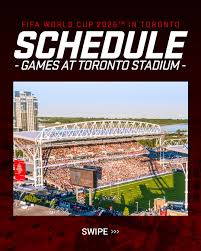
BMO Field (Toronto Stadium): Home to Canada’s opening match of FIFA World Cup 2026
🍁⚽ Toronto 2026
History is coming to Toronto. On June 12, 2026, Canada’s largest and most diverse city will host the first-ever men’s FIFA World Cup match on Canadian soil, as the Canadian Men’s National Team takes the field at BMO Field in front of 45,000 roaring fans. This isn’t just a soccer tournament—it’s a watershed moment for Canadian sports and a celebration of everything that makes Toronto one of the world’s great cities.
Toronto brings an electric energy to the World Cup that few cities can match. With over 230 nationalities represented, the city transforms into a global village during major soccer tournaments, with every neighborhood flying different flags and celebrating together. From the iconic CN Tower to the vibrant streets of Little Italy and Portugal Village, from world-class museums to the shores of Lake Ontario, Toronto offers an unforgettable World Cup experience where multicultural passion meets Canadian hospitality.
🏟️ BMO Field (Toronto Stadium) – Canada’s World Cup Venue
Location: 170 Princes’ Boulevard, Exhibition Place, Toronto, ON M6K 3C3
Capacity: 45,736 (expanded for World Cup with 17,756 temporary seats)
What makes it special: BMO Field is the only soccer-specific stadium in North America selected to host World Cup 2026 matches. Home to Toronto FC since 2007 and the Toronto Argonauts since 2016, the stadium sits on the historic Exhibition Place grounds along Lake Ontario’s waterfront. The $146 million renovation for the World Cup includes new luxury boxes, a rooftop patio for 1,000 fans, enhanced player facilities, state-of-the-art videoboards, and upgraded technology throughout.
World Cup matches: Toronto will host 6 matches total, including 5 group stage matches (June 12, 17, 20, 23, 26) and 1 Round of 32 match (July 2). Most significantly, Canada’s opening match on June 12 at 3:00 PM ET will be the first men’s World Cup match ever played on Canadian soil.
🎫 Insider Tip: Getting Tickets
World Cup tickets are distributed through FIFA’s official lottery system, with sales typically opening 12-18 months before the tournament. As a Canadian host city, Toronto may have additional ticket allocations for Canadian residents. The atmosphere for Canada’s opening match will be absolutely electric—this is Canadian sports history in the making. Register early at FIFA.com and join the Travel Diari community for alerts when ticket sales open and strategies for securing seats!
🏨 Where to Stay: Best Hotels for World Cup Travelers
Toronto offers accommodation for every budget, from luxury hotels downtown to charming neighborhoods across the city. BMO Field’s location at Exhibition Place makes it accessible from multiple areas. Here are our top recommendations based on proximity, local character, and value. Find personalized hotel recommendations from TravelDiari
Near BMO Field & Liberty Village
Hotel X Toronto
⭐⭐⭐⭐
Distance to BMO Field: 0.5 km (6-minute walk)
Modern lifestyle hotel literally across from Exhibition Place and BMO Field. Features rooftop pool with CN Tower views, multiple restaurants including Italian and Asian fusion, sports bar, and direct waterfront access. The closest hotel to the stadium with premium amenities.
Why we love it: You can walk to matches in minutes while enjoying resort-style amenities. The rooftop pool area is perfect for pre-match celebrations with fellow fans.
Estimated rate: $280-420 CAD/night during World Cup
Distance to BMO Field: 3.5 km (35-minute walk or 10-minute transit)
Sleek boutique luxury in the heart of King West, Toronto’s entertainment district. Rooftop lounge with panoramic city views, Michelin-level dining at Scarpetta, and surrounded by the city’s best restaurants, bars, and nightlife. Easy streetcar access to BMO Field.
Why we love it: Perfect for those who want the full Toronto experience with nightlife and dining at their doorstep.
Estimated rate: $450-650 CAD/night during World Cup
Distance to BMO Field: 5 km (15-minute transit via GO Train)
Historic landmark hotel directly across from Union Station, Toronto’s central transit hub. Built in 1929, this grand château-style hotel combines old-world elegance with modern luxury. The location provides instant access to GO Transit for direct service to Exhibition Station (2-minute walk to BMO Field).
Why we love it: Classic Toronto elegance with unbeatable transit access. You’re in the heart of everything—Financial District, waterfront, shopping, and sports.
Estimated rate: $380-550 CAD/night during World Cup
Canada’s largest hotel with 1,590 rooms, renowned for being incredibly family-friendly. Features indoor waterslide, children’s creative center, multiple restaurants, and excellent value. Located near Yonge Street with easy subway access to downtown and Exhibition.
Why we love it: Unbeatable for families traveling with children. The kids can enjoy the pool while adults explore the city.
Estimated rate: $220-340 CAD/night during World Cup
Distance to BMO Field: 2.5 km (25-minute walk or 8-minute transit)
Modern condo-style suites in the CityPlace neighborhood with full kitchens and living spaces. Perfect for families or groups wanting more space and self-catering options. Close to the waterfront trail and streetcar access to BMO Field.
Why we love it: Apartment-style living at hotel convenience. Great for longer stays and budget-conscious travelers who want space.
Estimated rate: $280-400 CAD/night during World Cup
Distance to BMO Field: 3 km (30-minute walk or 10-minute transit)
Hip boutique hotel on Queen West, Toronto’s arts and culture corridor. Each room is uniquely designed by Canadian artists. Features live music venue, rooftop patio, and sits in the heart of the city’s coolest neighborhood with vintage shops, galleries, and restaurants.
Why we love it: Stay in Toronto’s creative heart and experience the city’s artistic soul. Perfect for culture seekers.
Estimated rate: $260-380 CAD/night during World Cup
Boutique luxury in the Annex neighborhood near the University of Toronto. Trendy design, complimentary wine hour, pet-friendly, and walking distance to the ROM, restaurants, and Bloor Street shopping. Subway access provides easy transit to Exhibition.
Why we love it: Sophisticated neighborhood feel away from tourist crowds while maintaining excellent access to everything.
Estimated rate: $350-500 CAD/night during World Cup
Book 8-12 months in advance for best selection and rates. Hotels near Exhibition Place and Liberty Village will sell out first. Consider neighborhoods along the TTC subway lines (especially Line 1 and Line 2) or GO Transit routes for easy access to BMO Field. Downtown hotels near Union Station offer the most flexibility. Toronto has excellent public transit, so don’t limit yourself to only hotels near the stadium—neighborhoods like The Annex, Queen West, and Yonge-Dundas Square all provide great World Cup bases.
🚇 Getting Around Toronto During the World Cup
Toronto’s public transit system (TTC – Toronto Transit Commission) and GO Transit make getting to BMO Field straightforward from anywhere in the city. Toronto is also highly walkable in most areas.
Public Transportation (Highly Recommended)
GO Transit to Exhibition Station (Best Option for BMO Field):
GO Train from Union Station to Exhibition Station: 5 minutes, trains every 15-30 minutes
Exhibition Station is a 2-minute walk from BMO Field’s main entrance
Special World Cup service will run with increased frequency on match days
TTC Streetcar:
509 Harbourfront streetcar from Union Station directly to Exhibition Place (15 minutes)
511 Bathurst streetcar connects to Exhibition Loop
Both routes will have enhanced service on match days
TTC Subway: Four subway lines (Lines 1, 2, 3, 4) connect across the city. Union Station is the central hub connecting to all major hotels and neighborhoods.
Cost:
TTC single fare: $3.35 CAD (PRESTO card) or $3.35 cash (exact change)
TTC Day Pass: $13.50 CAD (unlimited travel)
GO Transit: $3-6 CAD depending on distance (PRESTO card recommended)
Special World Cup transit passes expected to be available
Walking and Biking
Downtown Toronto is very walkable, with most attractions within walking distance of each other. The Martin Goodman Trail, Toronto’s waterfront bike path, runs directly past Exhibition Place and BMO Field. Bike Share Toronto offers convenient bike rentals throughout the city ($7/30 minutes or $15/day pass).
Ride-Share and Taxis
Uber and Lyft are readily available throughout Toronto, along with traditional taxi services. Expect surge pricing on match days, particularly 2-3 hours before kickoff and immediately after matches. Budget $20-35 CAD from downtown to BMO Field during peak times.
🚊 Pro Transportation Tip
Get a PRESTO card immediately upon arrival—it’s Toronto’s reloadable transit card that works on TTC, GO Transit, and UP Express (airport train). You can buy one at any subway station or at Pearson Airport. For match days, take GO Transit from Union Station to Exhibition Station—it’s the fastest, easiest, and most direct route to BMO Field. Arrive 3-4 hours before kickoff to experience the pre-match festivities at Exhibition Place and avoid any transit congestion. The waterfront walk from downtown hotels takes 45-60 minutes and offers beautiful views of Lake Ontario and the CN Tower.
⚽ The Match Day Experience
Before the Match
Exhibition Place FIFA Fan Festival
Exhibition Place, Toronto’s historic fairground surrounding BMO Field, will transform into the official FIFA Fan Festival. Expect live music, food vendors, interactive soccer activities, big screens broadcasting other matches, cultural programming celebrating Toronto’s diversity, and beer gardens. The festival opens 4-5 hours before kickoff and admission is free with match tickets.
Nathan Phillips Square Fan Zone
Toronto’s iconic city hall square will host a massive public viewing area for all World Cup matches, not just Toronto games. Free admission, food trucks, live entertainment, and the famous Toronto sign for photos.
Neighborhood Watch Parties
Toronto’s multicultural neighborhoods will host their own celebrations:
Little Italy (College Street): When Italy plays, the street becomes a sea of blue
Portugal Village (Dundas West): Portuguese flags and celebrations during Portugal matches
Greektown (Danforth Avenue): Greek team support with outdoor patios
Little India (Gerrard Street East): If India qualifies, the energy will be incredible
Koreatown (Bloor West): Korean team support with restaurants and shops joining the celebration
Stadium Tips
What to bring: Match ticket (mobile or print), government-issued photo ID, small clear bag (12″ x 6″ x 12″ maximum), light jacket, sunscreen, hat, Canadian pride!
What NOT to bring: Large bags or backpacks, outside food/beverage, umbrellas, professional cameras, flags on poles
Weather prep: June in Toronto averages 18-24°C (64-75°F). BMO Field is open-air, so check the weather. Afternoons can be warm and sunny; evenings can cool down. Rain is possible—the stadium has covered seating in some sections.
Food inside: BMO Field offers diverse options including Canadian classics (poutine!), international cuisine, craft beer, and standard stadium fare. Expect $12-20 CAD per meal. The $146 million renovation includes enhanced concessions.
“When Canada scored their first World Cup goal on home soil, 45,000 people became one voice. The roar could be heard across Lake Ontario. That’s what makes Toronto’s World Cup experience unforgettable—pure, unfiltered passion from the world’s most multicultural city.”
📸 Creating Lasting Memories
Must-capture moments:
Your first view of BMO Field with the CN Tower in the background
The Canadian national anthem before Canada’s historic opening match
Exhibition Place with international flags from around the world
Celebrating with fans from every nation in Little Italy or Portugal Village
The Toronto skyline at sunset from the waterfront trail
Your team’s scarf with the CN Tower at night
Post-match celebrations on King Street West
Travel Diari tip: Start a World Cup journal. Document your journey from the airport to your first poutine, from the pre-match nerves to the final whistle euphoria. Collect ticket stubs, transit transfers, restaurant receipts—these small details become treasured memories. Toronto’s World Cup is history in the making, and you’re part of it.
🍽️ Food & Dining: Taste the World in Toronto
Toronto is one of the world’s most multicultural cities, with over 200 ethnic groups and 180 languages spoken. This diversity creates one of the planet’s best food scenes. You can literally eat your way around the World Cup participating nations without leaving the city.
Pre-Match Dining Near BMO Field
Liberty Commons: Upscale pub with patio, craft beer selection, and comfort food. 10-minute walk from stadium.
Mildred’s Temple Kitchen: Brunch institution in Liberty Village. Perfect for morning matches.
Figures Toronto: Gastropub with sports bar vibe, walking distance to BMO Field
The Brazen Head: Irish pub atmosphere with extensive beer and whiskey menu
Toronto Food Experiences You Can’t Miss
Poutine – The Canadian Classic
You MUST try poutine while in Toronto—fries, gravy, and cheese curds. Best spots: Smoke’s Poutinerie (multiple locations), Poutini’s House of Poutine, or any late-night spot after celebrating a win.
St. Lawrence Market
Historic food market (since 1803) featuring fresh produce, artisan foods, international specialties, and the famous peameal bacon sandwich. Saturday morning is the best time to visit. 15-minute subway ride from most downtown hotels.
Multicultural Neighborhood Dining
Toronto’s ethnic enclaves offer authentic cuisine from around the world:
Chinatown (Spadina Avenue): Dim sum, noodles, bubble tea, authentic Chinese cuisine
Kensington Market: Bohemian neighborhood with Jamaican, Latin American, Middle Eastern, vegan, and vintage vibes
Little India (Gerrard Street East): Authentic Indian, Pakistani, and Bangladeshi restaurants
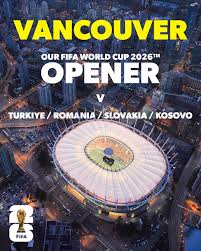
BC Place Stadium: Where mountains meet the pitch in Vancouver’s World Cup 2026 celebration
🏔️⚽ Vancouver 2026
The world’s most beautiful World Cup host city is ready to welcome you. Vancouver, where snow-capped mountains meet the Pacific Ocean and cosmopolitan culture blends with wilderness adventure, is preparing to host seven matches during FIFA World Cup 2026. This isn’t just about world-class soccer in a spectacular setting—it’s about experiencing Canada’s natural beauty, diverse culture, and legendary hospitality during the planet’s biggest sporting event.
From the retractable roof of BC Place Stadium to the temperate rainforests of Stanley Park, from sushi on Robson Street to craft beer in Gastown, Vancouver offers an unforgettable World Cup experience unlike any other host city. Whether you’re here to watch your national team compete or simply to soak in the global celebration of the beautiful game, this guide will help you make the most of your time in one of the world’s most livable cities.
🏟️ BC Place Stadium – Vancouver’s World Cup Venue
Location: 777 Pacific Boulevard, Vancouver, BC V6B 4Y8
Capacity: 54,000+
What makes it special: BC Place is Canada’s largest retractable-roof stadium, offering flexibility for Vancouver’s famously unpredictable weather. Renovated in 2011 with a stunning cable-supported fabric roof, the stadium sits in the heart of downtown Vancouver with the North Shore Mountains providing a breathtaking backdrop. The venue hosted the 2015 FIFA Women’s World Cup Final, where the United States defeated Japan, and has since become synonymous with major sporting events in Canada.
Expected matches: Vancouver will host 7 matches total, including matches in both the round of 32 and round of 16, plus two matches featuring the Canadian Men’s National Team.
🎫 Insider Tip: Getting Tickets
World Cup tickets are distributed through FIFA’s official lottery system starting approximately 12-18 months before the tournament. Sign up early at FIFA.com and consider official hospitality packages as alternatives. As a Canadian host city, Vancouver may have additional ticket allocations for Canadian residents. Join the Travel Diari community for real-time alerts when ticket sales open and insider tips on securing seats!
🏨 Where to Stay: Best Hotels for World Cup Travelers
Vancouver’s compact downtown and excellent public transit make it easy to find great accommodation. Here are our top recommendations based on proximity to BC Place, local character, and value. Find personalized recommendations from TravelDiari
Downtown Vancouver (Walking Distance to BC Place)
The Fairmont Waterfront
⭐⭐⭐⭐⭐
Distance to BC Place: 1.2 km (15-minute walk)
Luxury waterfront hotel with stunning harbor and mountain views. Features an outdoor pool, rooftop herb garden, and easy access to both the stadium and major attractions like Canada Place and Gastown. The hotel’s commitment to sustainability reflects Vancouver’s environmental consciousness.
Why we love it: Premium location with views of the harbor, mountains, and seaplanes taking off. Walking distance to everything that matters.
Sleek modern hotel literally steps from BC Place Stadium. Part of the Parq Vancouver complex with multiple restaurants, bars, and entertainment options. Floor-to-ceiling windows showcase either city or mountain views.
Why we love it: You can’t get closer to the action. Wake up and walk to the stadium in minutes.
Retro-chic boutique hotel on Burrard Street with vintage 1950s architecture renovated with modern amenities. Complimentary bikes, outdoor courtyard with fire pits, and a hip, laid-back vibe that captures Vancouver’s creative spirit.
Why we love it: Unique character and excellent value in the heart of downtown’s shopping and dining district.
Spacious suites with full kitchens, perfect for families or longer stays. Located in the vibrant Yaletown neighborhood with excellent restaurants and the seawall within easy reach. Complimentary breakfast included.
Why we love it: Great value for families and groups, with the flexibility of self-catering in one of Vancouver’s trendiest neighborhoods.
Distance to BC Place: 2.5 km (30-minute walk or 10-minute transit)
Art-focused boutique hotel in the West End, steps from Stanley Park and English Bay Beach. Features original Canadian art in every room and a rooftop patio. Close to Robson Street shopping and Denman Street dining.
Why we love it: Perfect balance of culture, nature, and urban convenience. Ideal for experiencing Vancouver’s beach culture.
Distance to BC Place: 2 km (25-minute walk or 8-minute transit)
Luxury boutique hotel in Coal Harbour with a focus on personalized service. Complimentary electric car service within downtown, spa, and proximity to the Vancouver Convention Centre and waterfront.
Why we love it: Boutique luxury with environmental consciousness and exceptional service.
Book 8-12 months in advance for best selection and rates. Downtown hotels near BC Place will sell out quickly. Consider neighborhoods like Yaletown, Gastown, Coal Harbour, and the West End—all offer excellent SkyTrain or walking access to the stadium. Vancouver’s compact downtown means you’re never far from the action. For better value, look at hotels near SkyTrain stations along the Canada Line or Expo Line, which provide quick access to downtown.
🚇 Getting Around Vancouver During the World Cup
Vancouver’s public transit system, operated by TransLink, is efficient, clean, and will be your best friend during the World Cup. The city is also incredibly walkable and bike-friendly.
Public Transportation (Highly Recommended)
SkyTrain: Vancouver’s automated rapid transit system includes three lines:
Canada Line: Connects Vancouver International Airport directly to downtown (26 minutes) and stops at City Centre station, a 10-minute walk from BC Place
Expo Line: Runs through downtown with Stadium-Chinatown station directly serving BC Place
Millennium Line: Connects to Expo Line for easy transfers
Buses: Extensive network covering all neighborhoods. Routes 15, 17, and 50 serve BC Place area.
SeaBus: Scenic ferry crossing from Waterfront Station to North Vancouver (12 minutes), great for accessing North Shore mountains and attractions.
Cost: Single fare $3.15 CAD (1 Zone), DayPass $11.25 CAD. Special World Cup transit passes expected to be available.
Walking and Biking
Downtown Vancouver is extremely walkable, and the city boasts over 400 km of bikeways. The famous Seawall path circles Stanley Park and extends along False Creek, passing near BC Place. Consider using Mobi by Shaw Go bike-share system ($9.95/day for unlimited 30-minute trips).
Ride-Share and Taxis
Uber and Lyft operate in Vancouver, along with local taxi companies. Expect surge pricing on match days. Budget $25-40 CAD from most downtown locations to BC Place.
🚊 Pro Transportation Tip
Purchase a Compass Card (TransLink’s reloadable fare card) at the airport or any SkyTrain station. Load it with value or a DayPass for seamless travel. Stadium-Chinatown SkyTrain station exits directly into BC Place Plaza—you’ll be at the stadium entrance in 2 minutes. Arrive 3-4 hours early on match days to avoid crowds and experience the pre-match atmosphere at the FIFA Fan Festival.
⚽ The Match Day Experience
Before the Match
PNE Amphitheatre FIFA Fan Festival
The Pacific National Exhibition grounds will host Vancouver’s official FIFA Fan Festival, featuring live match broadcasts on giant screens, entertainment, cultural programming, food vendors, and interactive activities. Free entry, family-friendly, and accessible via SkyTrain (Renfrew or 29th Avenue stations on the Expo Line).
BC Place Plaza Pre-Match Festivities
Opens 4 hours before kickoff with live music, food trucks, merchandise stands, and entertainment. The plaza comes alive with fans from around the world, creating an electric atmosphere with mountain views as your backdrop.
Robson Square Fan Zone
Downtown’s main gathering spot transforms into a World Cup celebration hub with large screens, cultural performances, and international food vendors throughout the tournament.
Stadium Tips
What to bring: Match ticket (mobile or print), government ID, small clear bag, light jacket (BC Place can be cool with the roof open), sunscreen
What NOT to bring: Large bags, professional cameras, outside food/drink, umbrellas
Weather prep: June in Vancouver averages 15-20°C (59-68°F). The retractable roof provides flexibility, but bring layers. Rain is always possible in Vancouver—check the forecast!
Food inside: BC Place offers diverse food options including local favorites, Asian cuisine, and international fare. Expect $15-25 CAD per meal.
“Watching a World Cup match with the North Shore Mountains in the background and the energy of thousands of passionate fans from every continent—that’s what makes Vancouver’s World Cup experience truly special.”
📸 Creating Lasting Memories
Must-capture moments:
BC Place with mountain backdrop at golden hour
The moment the retractable roof opens (if weather permits)
Celebrating with Canadian fans on Robson Street
Seawall bike ride with your World Cup jersey
National team flags reflected in Coal Harbour waters
Fan parade through Gastown’s historic streets
Travel Diari tip: Document your Vancouver World Cup experience in a travel journal. Note the craft beers you tried, the conversation with fans from Morocco on the SeaBus, the perfect sushi spot you discovered in the West End. These details create memories that last forever.
🍽️ Food & Dining: Taste Vancouver
Vancouver’s food scene is world-renowned, particularly for Asian cuisine and Pacific Northwest ingredients. The city’s multicultural fabric means authentic food from virtually every World Cup nation.
Pre-Match Dining Near BC Place
Chambar Restaurant: Belgian-inspired cuisine in a stylish setting, perfect for a special pre-match meal
Craft Beer Market: 100+ beers on tap and hearty pub food, located steps from BC Place
Meat & Bread: Legendary sandwiches, quick and delicious for a fast pre-match bite
Bella Gelateria: Award-winning gelato in Yaletown, perfect for dessert after victory
Vancouver Food Experiences You Can’t Miss
Granville Island Public Market
Iconic food market under the Granville Bridge featuring fresh seafood, artisan bakeries, local produce, and international specialties. Take the Aquabus (small ferry) across False Creek for a scenic approach.
Authentic Asian Cuisine
Vancouver has some of North America’s best Asian food:
Richmond (via Canada Line): Authentic Chinese dim sum and dumpling houses. Try Chef Tony Seafood Restaurant or Fisherman’s Terrace.
Japantown: Gyoza King for late-night ramen, Miku for innovative Aburi sushi
Main Street: Vietnamese pho at Pho Goodness or Anh and Chi
Commercial Drive: Diverse international food including Ethiopian, Italian, and Mexican
Pacific Northwest Seafood
Fresh Pacific salmon, Dungeness crab, spot prawns, and halibut are Vancouver specialties. Blue Water Cafe, Coast Restaurant, and The Flying Pig offer excellent seafood menus featuring local catches.
Craft Beer Scene
Vancouver and British Columbia produce world-class craft beer. Visit Brassneck Brewery, 33 Acres Brewing Company, or Parallel 49 Brewing for taproom experiences. The city has over 50 craft breweries.
🍽️ Dining Strategy
Make reservations at popular restaurants at least one week in advance during World Cup. For authentic experiences, venture beyond downtown to neighborhoods like Main Street, Commercial Drive, and Richmond. Food trucks are abundant in Vancouver—follow @StreetFoodVan on social media for locations. Don’t miss trying a “Japadog” (Japanese-style hot dog) from the iconic street vendor.
🏔️ Beyond the Matches: Experiencing Vancouver
Vancouver’s natural beauty is legendary. Between matches, immerse yourself in one of the world’s most spectacular urban settings where city meets wilderness.
Must-See Attractions
Stanley Park
1,000-acre urban rainforest park surrounded by the Seawall, Vancouver’s most famous attraction. Rent a bike and complete the 10 km seawall loop (2 hours), visit the Totem Poles at Brockton Point, explore the Vancouver Aquarium, or simply relax on Third Beach. Allow 3-4 hours minimum.
Capilano Suspension Bridge Park
Walk across a 137-meter suspension bridge swaying 70 meters above the Capilano River. Includes the Treetops Adventure and Cliffwalk. Bus from downtown takes 20 minutes. Admission $66 CAD adults. Book online in advance for discounts.
Grouse Mountain
Take the Skyride gondola to the “Peak of Vancouver” for panoramic views, hiking trails, grizzly bear habitat, and the famous mountaintop lumberjack show. In June, you might still see snow at the summit. Admission $69 CAD adults. Accessible via free shuttle from Canada Place or bus.
Granville Island
Vibrant peninsula under the Granville Bridge featuring the Public Market, artisan studios, theaters, breweries, and waterfront restaurants. Take the Aquabus from various False Creek docks. Plan 2-3 hours for exploring.
Gastown
Vancouver’s oldest neighborhood featuring cobblestone streets, the famous Steam Clock, Victorian architecture, trendy boutiques, and excellent restaurants. Great for evening strolls and photos. The neighborhood comes alive after matches with celebration crowds.
Museum of Anthropology (UBC)
World-renowned collection of Northwest Coast First Nations art in a stunning Arthur Erickson-designed building. Essential for understanding British Columbia’s Indigenous heritage. Bus to UBC takes 40 minutes from downtown. Admission $18 CAD, free on Thursday evenings.
Indigenous Cultural Tours: Talaysay Tours offers Indigenous-led walking tours of Stanley Park sharing Coast Salish history and culture. Essential for understanding Vancouver’s original inhabitants.
Summer Festivals: June is festival season in Vancouver. The Vancouver International Jazz Festival and B
Los Angeles World Cup 2026: Your Ultimate Guide to Soccer’s Greatest Celebration in the City of Angels
📅 Published: January 2026 ⏱️ 15 min read 📍 Los Angeles, California 🏆 FIFA World Cup 2026
The world’s most prestigious soccer tournament is coming to Los Angeles, and the City of Angels is ready to welcome millions of fans from across the globe. Whether you’re a die-hard soccer enthusiast or a first-time World Cup traveler, LA promises an unforgettable experience where world-class soccer meets legendary entertainment, diverse culture, and California sunshine.
Los Angeles isn’t just hosting a few matches—it’s creating a global celebration that blends the beautiful game with everything that makes LA iconic. From the state-of-the-art SoFi Stadium to the historic Rose Bowl, from Hollywood glamour to authentic street tacos, this guide will help you make every moment count during your World Cup journey.
🏟️ World Cup Venues in Los Angeles
SoFi Stadium – The Crown Jewel
Location: 1001 Stadium Dr, Inglewood, CA 90301
Capacity: 70,000+ (expandable)
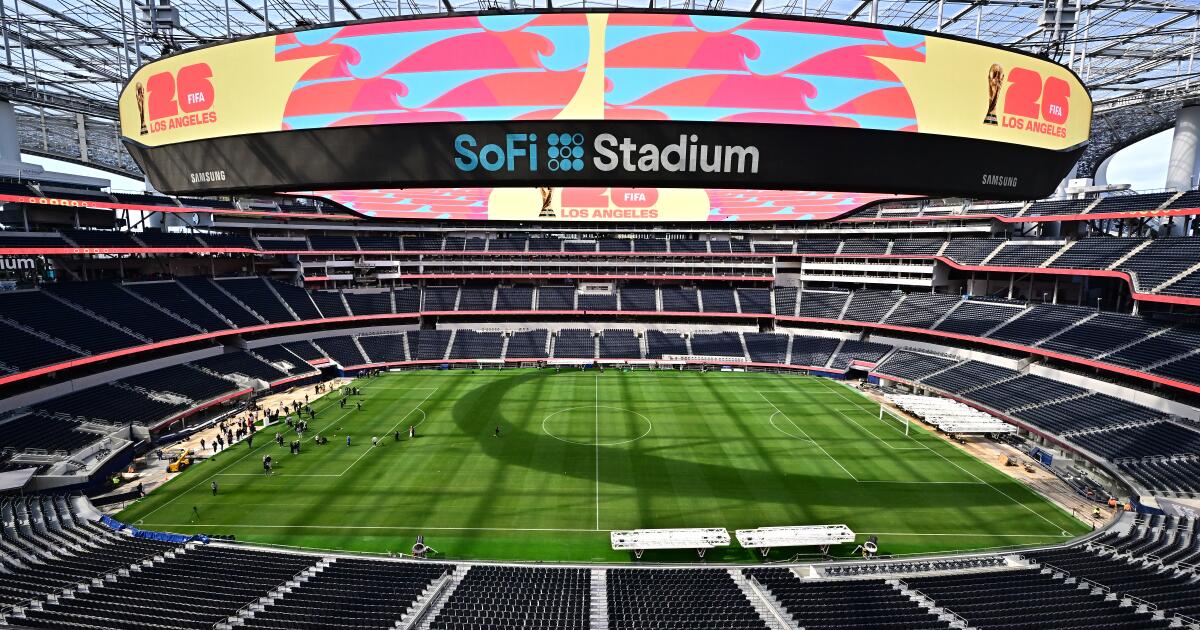
What makes it special: The newest and most technologically advanced stadium in North America, SoFi Stadium opened in 2020 and immediately became an architectural marvel. The infinity screen hanging above the field is the largest video board in sports, creating an immersive experience unlike any other.
Expected matches: Multiple group stage matches and potential knockout rounds
Rose Bowl Stadium – Historic Glory
Location: 1001 Rose Bowl Dr, Pasadena, CA 91103
Capacity: 88,500+
What makes it special: The Rose Bowl hosted the 1994 World Cup Final and is steeped in soccer history. Its iconic setting nestled in the Arroyo Seco makes it one of the most picturesque venues in world soccer.
Expected matches: Group stage and potential later rounds
🎫 Insider Tip: Getting Tickets
World Cup tickets are distributed through FIFA’s official lottery system. Sign up early at FIFA.com, and create backup plans with official hospitality packages. Tickets typically go on sale 12-18 months before the tournament. Join the Travel Diairi community for alerts when ticket sales open!
Choosing the right accommodation can make or break your World Cup experience. Here are our top recommendations based on proximity to venues, local character, and value.
Near SoFi Stadium (Inglewood/LAX Area)
The Proud Bird Hotel
⭐⭐⭐⭐ | Distance to SoFi: 3 miles
A unique aviation-themed hotel with excellent transportation links to SoFi Stadium. Features a rooftop bar with runway views and complimentary shuttle service during World Cup match days.
Why we love it: Affordable, character-filled, and perfectly positioned for both the stadium and LAX.
Luxury at its finest with a storied history. This elegant property offers world-class amenities, beautiful gardens, and impeccable service in a quieter, more refined setting.
Why we love it: Perfect for those who want a premium experience away from the hustle.
Spacious suites with kitchenettes, ideal for families or groups. Located in charming Old Town Pasadena with excellent restaurants and shops within walking distance.
Why we love it: Great value for groups and families with the flexibility of self-catering.
⭐⭐⭐⭐ | Distance to SoFi: 12 miles | Rose Bowl: 15 miles
Hip, historic hotel in the heart of downtown LA. Perfect for those who want to experience LA’s urban culture, nightlife, and dining scene. Housed in the historic United Artists building.
Why we love it: Authentic LA vibe with easy access to downtown attractions and Metro lines to both stadiums.
Book as early as possible—hotels near stadiums will sell out 6-8 months in advance. Consider neighborhoods with good Metro access rather than only focusing on proximity to stadiums. Areas like Downtown LA, Pasadena, and Santa Monica offer excellent transportation links and a richer LA experience.
🚇 Getting Around Los Angeles During the World Cup
LA’s infamous traffic requires smart planning, but the city is investing heavily in transportation improvements for 2026. Here’s your game plan:
Public Transportation (Recommended)
LA’s Metro system is expanding specifically for the World Cup:
Metro K Line (Crenshaw/LAX): Direct service to SoFi Stadium from downtown LA and LAX
Metro L Line (Gold Line): Connects downtown to Pasadena, with shuttle service to Rose Bowl on match days
Special World Cup Express Buses: FIFA and LA Metro are coordinating dedicated fan buses from major hubs
Cost: $1.75 per ride, $7 day pass (World Cup special passes expected)
Ride-Share & Taxis
Uber and Lyft are widely available, but expect surge pricing on match days. Budget $40-80 from downtown to SoFi Stadium during peak times.
Rental Cars
Only recommended if you’re planning extensive exploration beyond match days. Parking at stadiums is limited and expensive ($80+ per match). Consider using your rental car for day trips to Santa Barbara, San Diego, or Joshua Tree instead.
🚌 Pro Transportation Tip
Arrive at stadiums 3-4 hours before kickoff. This isn’t just about traffic—it allows you to soak in the pre-match atmosphere, visit fan zones, and avoid stress. Most memorable World Cup moments happen outside the stadium!
⚽ The Match Day Experience
Before the Match
LA is planning extensive fan zones and festivals:
SoFi Stadium Fan Zone
Opens 4 hours before kickoff with live music, food trucks, merchandise, and big screens showing other matches. Free entry with match ticket.
Rose Bowl Brookside Fan Fest
The historic Brookside area adjacent to the Rose Bowl transforms into a carnival atmosphere with activities for all ages.
LA Live World Cup Village
Downtown LA’s entertainment district will host viewing parties, concerts, and cultural celebrations throughout the tournament.
Stadium Tips
What to bring: Match ticket (mobile or print), ID matching ticket name, small clear bag only, sunscreen, hat
What NOT to bring: Large bags, umbrellas, professional cameras, outside food/drink
Weather prep: June/July in LA means sunshine and 75-85°F (24-29°C). Hydration is crucial.
Food inside: Both stadiums offer diverse options, but expect $15-25 per meal. Pre-game meal outside recommended.
📸 Creating Lasting Memories
“The World Cup isn’t just about the 90 minutes on the pitch—it’s about the journey, the people you meet, and the moments that take your breath away.”
Must-capture moments:
Your first glimpse of the stadium on match day
The national anthems (goosebumps guaranteed)
Celebrating with fans from around the world
The LA skyline at sunset from your seat
Post-match celebrations in the streets
Travel Diairi tip: Start a World Cup journal. Collect ticket stubs, write down conversations with fellow fans, note the food you ate. These details fade quickly but become treasured memories when documented.
🌮 Food & Dining: Taste Los Angeles
LA’s food scene is as diverse as its population. Don’t miss these World Cup-worthy dining experiences:
Pre-Match Dining Near SoFi
Earle’s on Crenshaw: Soul food institution, perfect for a hearty pre-match meal
Tacos El Gordo: Authentic Tijuana-style tacos (prepare for lines, worth it)
The Arsenal: Sports bar with international flair, great atmosphere
Dulan’s Soul Food Kitchen: LA staple for Southern comfort food
Pre-Match Dining Near Rose Bowl
The Raymond 1886: Historic fine dining in a craftsman home
Pie ‘N Burger: Old-school American diner, Pasadena institution
Old Pasadena restaurants: Colorado Boulevard offers dozens of options from Thai to Italian to Mexican
Must-Try LA Food Experiences
Grand Central Market
Historic downtown food hall with everything from pupusas to ramen. Perfect for groups with different tastes.
Koreatown BBQ
LA has the best Korean food outside Korea. Try Kang Ho Dong Baekjeong or Parks BBQ for the full experience.
Food Trucks
LA invented gourmet food trucks. Follow @LAFoodTrucks for locations. Kogi BBQ and Guerrilla Tacos are legendary.
🍽️ Dining Strategy
Make reservations for popular spots at least a week in advance during World Cup. For authentic experiences, venture beyond tourist areas—the best tacos, pho, and dim sum are in neighborhood spots where English menus might be scarce but flavor is abundant.
🎬 Beyond the Matches: Experiencing Los Angeles
You’re in Los Angeles—one of the world’s most iconic cities. Make time between matches to explore what makes LA legendary:
Must-See Attractions
Griffith Observatory
Free entry, stunning city views, and a planetarium. Visit at sunset for magical moments. 30 minutes from downtown.
Getty Center
World-class art museum with breathtaking architecture and gardens. Free admission (parking $20). Allow 3-4 hours.
Venice Beach Boardwalk
Classic LA people-watching, street performers, and beach vibes. Best in late afternoon. Grab dinner at Gjelina or watch sunset from the pier.
Hollywood Sign Hike
Earn your Instagram shot! The Wisdom Tree trail offers the best views. Start early (7am) to beat heat and crowds. 2-3 hours round trip.
Santa Monica Pier
Iconic amusement park on the pier, beautiful beach, and Third Street Promenade shopping. Perfect for families.
The Broad Museum
Contemporary art museum in downtown LA. Free admission but reserve tickets online. Infinity Mirrors are mind-blowing.
Neighborhoods to Explore
Downtown LA: Arts District murals, Grand Central Market, rooftop bars, cultural diversity
Silver Lake/Echo Park: Hipster coffee shops, vintage stores, Echo Park Lake pedal boats
Melrose Avenue: Street art, trendy boutiques, the Pink Wall Instagram spot
Little Tokyo: Authentic Japanese culture, amazing ramen, peaceful gardens
Why Mexico City Is a Must-Visit World Cup Destination
Mexico City will make history in 2026 as the only city to host FIFA World Cup matches three times. With the legendary Estadio Azteca hosting marquee games, the city will be buzzing with global fans, festivals, and football energy.
But what makes Mexico City truly special is this: you don’t come here only for football — you come for culture, food, history, and soul.
This guide helps you plan the perfect Mexico City World Cup trip:
What to do beyond the matches
How to plan flights, transport & match days
Where to stay — 15 hand-picked hotels you can book via TravelDiari
1️⃣ What Else to Do in Mexico City (Beyond the Stadium)
🏛️ Explore History & Culture
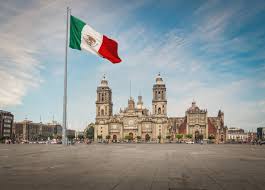
Zócalo & Historic Center – One of the world’s largest city squares, surrounded by colonial landmarks. Explore more about Zócalo and Centro Histórico.
Templo Mayor – Walk through ancient Aztec ruins right in the city center.
National Museum of Anthropology – A must-visit for understanding Mexico’s civilizations. Learn more about Mexico City’s world-class museums.
Avoid renting a car — traffic is heavy, especially on match days.
⚽ Match Day Tips
Reach the stadium early (2–3 hours).
Stay hydrated — Mexico City sits at high altitude.
Fan zones, bars, and watch parties will be everywhere in Roma, Condesa & Coyoacán.
🗓 Best Time to Visit
June–July offers warm days and lively evenings — ideal for sightseeing + football. Learn more about the best time to visit Mexico City.
3️⃣ Where to Stay in Mexico City for World Cup 2026
(15 Best Hotels You Can Book via TravelDiari)
Below are strategic hotel picks based on location, comfort, safety, and match-day access. All hotels link to TravelDiari’s official affiliate booking platform. For more accommodation options, browse our complete Mexico City hotels guide.
Book Your Mexico City Hotel Today
Secure the best rates for World Cup 2026 through TravelDiari’s trusted booking partner
Classic luxury with a peaceful courtyard, perfect for relaxing between matches. Located on prestigious Paseo de la Reforma with easy access to the city’s main attractions.
High-rise luxury with skyline views, spa, and premium service. Ideal for travelers seeking world-class amenities in the heart of the financial district.
Romantic, intimate boutique stay in a lively neighborhood. Perfect for travelers who want to be in the center of Mexico City’s coolest dining and nightlife scene.
⚽ Final Thoughts: Mexico City + World Cup 2026 = Once-in-a-Lifetime
Mexico City offers one of the richest World Cup experiences anywhere in the world — legendary football, unbeatable food, deep history, and unmatched atmosphere.
📌 Book early. 📌 Stay central. 📌 Use TravelDiari to lock in the best hotels.
If you’re reading this, chances are your heart skipped a beat thinking about seeing a FIFA World Cup match in person — the roar of the crowd, the drama, the unforgettable chants. The FIFA World Cup 2026, co-hosted across Canada, Mexico, and the United States, is gearing up to be the biggest, boldest football festival the world has ever seen.
🏆 Tournament Highlights
🌍 Largest World Cup ever — First tournament with 48 teams (up from 32)
🗓️ June 11 – July 19, 2026 — Five weeks of nonstop football action
🇺🇸🇲🇽🇨🇦 Historic first — First World Cup hosted by three nations
🏟️ Epic finale — Final at MetLife Stadium in New York/New Jersey
Let AI Plan Your Perfect World Cup Journey
Not sure which cities to visit? Which matches to attend? Where to stay? Our AI travel assistant creates personalized World Cup itineraries in seconds!
Where passion for fútbol runs deeper than anywhere else
Mexico City
🏟️ Estadio Azteca
🎉 OPENING MATCH
The historic opening match kicks off here! One of the world’s largest cities, Mexico City is vibrant, electric, and absolutely captivating. Home to ancient Aztec ruins, world-class museums, and the most passionate football fans you’ll ever meet.
📍 Must-Do Experiences:
Explore the Zócalo plaza, visit Frida Kahlo’s Casa Azul, take a day trip to Teotihuacán pyramids, and feast on incredible street tacos.
Atlanta
🏟️ Mercedes-Benz Stadium
A hot music and food city with Southern charm! Atlanta brings big-league hospitality, incredible hip-hop culture, and some of the best food in the South.
📍 Must-Do Experiences:
World of Coca-Cola, Martin Luther King Jr. sites, Piedmont Park, and vibrant Midtown nightlife.
Houston
🏟️ NRG Stadium
Tex-Mex heaven with diverse cultures! Houston plans an official World Cup fan festival throughout the tournament, making it a must-visit for the full experience.
📍 Must-Do Experiences:
Space Center Houston, Museum District, food tours, and explore diverse international neighborhoods.
Kansas City
🏟️ Arrowhead Stadium
Known for legendary BBQ and die-hard sports fans! Kansas City is a football town ready to bring incredible World Cup energy and Midwestern hospitality.
📍 Must-Do Experiences:
Jazz District, world-famous BBQ, Nelson-Atkins Museum, and passionate local sports culture.
Seattle
🏟️ Lumen Field
Pacific Northwest paradise! Lush landscapes, music history (hello, grunge!), amazing coffee culture, and fresh seafood make Seattle unforgettable.
📍 Must-Do Experiences:
Pike Place Market, Space Needle, ferry rides to Bainbridge Island, and explore coffee roasteries.
Philadelphia
🏟️ Lincoln Financial Field
Where American history meets passionate fans! History buffs will love Philly’s colonial charm, while foodies devour legendary cheesesteaks.
📍 Must-Do Experiences:
Liberty Bell, Independence Hall, historic district walking tours, and authentic Philly cheesesteaks.
Boston
🏟️ Gillette Stadium (Foxborough)
Classic American city with colonial charm and passionate sports culture! Boston brings historic significance and incredible seafood to the World Cup party.
📍 Must-Do Experiences:
Freedom Trail, historic harbors, Fenway Park, world-class seafood, and Harvard/MIT campuses.
Miami
🏟️ Hard Rock Stadium
Sunny beaches, vibrant nightlife, and Latin American flair — Miami brings the party to the World Cup! Perfect blend of beach relaxation and urban excitement.
📍 Must-Do Experiences:
South Beach, Little Havana, Art Deco architecture, boat tours, and world-class nightlife.
San Francisco Bay Area
🏟️ Levi’s Stadium (Santa Clara)
Beautiful bay views, iconic bridges, and diverse culture! The Bay Area offers tech innovation, stunning nature, and incredible food scene.
📍 Must-Do Experiences:
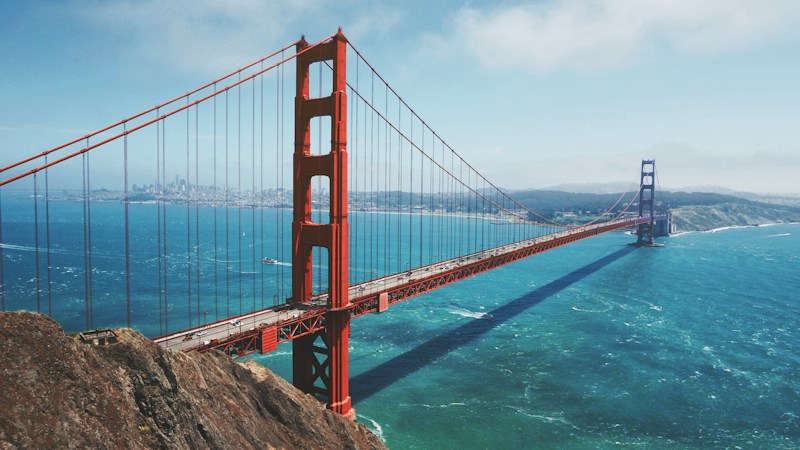
Golden Gate Bridge, Alcatraz Island, Fisherman’s Wharf, wine country tours, and cable car rides.
Guadalajara
🏟️ Estadio Akron
The birthplace of mariachi and tequila! Guadalajara blends tradition with contemporary Mexican culture. Passionate fans, beautiful colonial plazas, and buzzing nightlife make this city unforgettable.
📍 Must-Do Experiences:
Visit mariachi music origins, tour nearby tequila distilleries, explore historic downtown, and enjoy traditional Jalisco cuisine.
Monterrey
🏟️ Estadio BBVA
Mexico’s industrial powerhouse surrounded by dramatic mountain landscapes. Known for the best carne asada in the country and a more laid-back vibe alongside world-class football.
📍 Must-Do Experiences:
Hike the Sierra Madre mountains, explore local markets, and dine on authentic northern Mexican barbecue.
⚽ Match Dates to Bookmark
Here’s your official tournament timeline — start planning your travel windows now!
📅 June 11-27, 2026
Group Stage
📅 June 28 – July 3, 2026
Round of 32
📅 July 4-7, 2026
Round of 16
📅 July 9-11, 2026
Quarterfinals
📅 July 14-15, 2026
Semifinals
📅 July 18, 2026
Third-Place Match
🏆 July 19, 2026
FINAL
Which Teams Are You Cheering For?
The full group-stage match list and participating teams were confirmed after the final draw in December 2025. The host nations — Mexico, USA, and Canada — all have guaranteed group matches on home soil, creating incredible home-field advantage moments.
🌍 The Global Football Canvas
From defending champions looking to repeat glory to rising underdog nations making historic appearances like Curacao, Cape Verde, and Jordan — the 2026 World Cup will showcase football from every corner of the globe. Whether you’re following your national team or adopting a new favorite, this tournament promises unforgettable moments!
Ready to Start Planning Your World Cup Adventure?
Let our AI travel assistant create your perfect World Cup itinerary based on your favorite teams, budget, and travel style
This is just the kickoff! Stay tuned for our comprehensive World Cup 2026 series on TravelDiari.com:
✨ City-by-city deep dives: Where to stay, what to eat, and how to get around each host city
⚽ Match day guides: Best fan zones, ticketing tips, and stadium insider information
📅 Travel itineraries: Multi-city routes that maximize matches and cultural experiences
📍 Local experiences: Hidden gems, cultural must-sees, and day trips near each host city
🎟️ Ticket & accommodation strategies: How to secure the best seats and places to stay
🍔 Food guides: Where to eat in every host city from street food to fine dining
Final Whistle 🏆
Being at a World Cup match is more than watching football — it’s joining a global party, meeting fans from around the world, and living memories you’ll never forget. Whether you’re planning to chase matches across cities or anchor yourself in one place to soak up the atmosphere, World Cup 2026 will be legendary.
Stay tuned to TravelDiari.com — We’ll help you plan, book, and experience the football trip of a lifetime. Our upcoming city guides will cover specific match schedules, detailed hotel recommendations with booking links, local transportation tips, and insider experiences for each host destination.
Want a specific city guide first? Let us know which host city you’re most excited about!
Why the Golden Triangle Belongs on Every Traveler’s Bucket List
Imagine standing before the Taj Mahal at sunrise, wandering spice-filled bazaars in Jaipur, and exploring centuries-old monuments in Delhi — all in one seamless trip.
This route is perfect for:
🌍 First-time visitors to India
💑 Couples & honeymooners
👨👩👧 Families & multigenerational trips
📸 Culture & history lovers
Your Perfect 5-Day Itinerary
Day 1
Arrive in Delhi: India’s Dynamic Capital
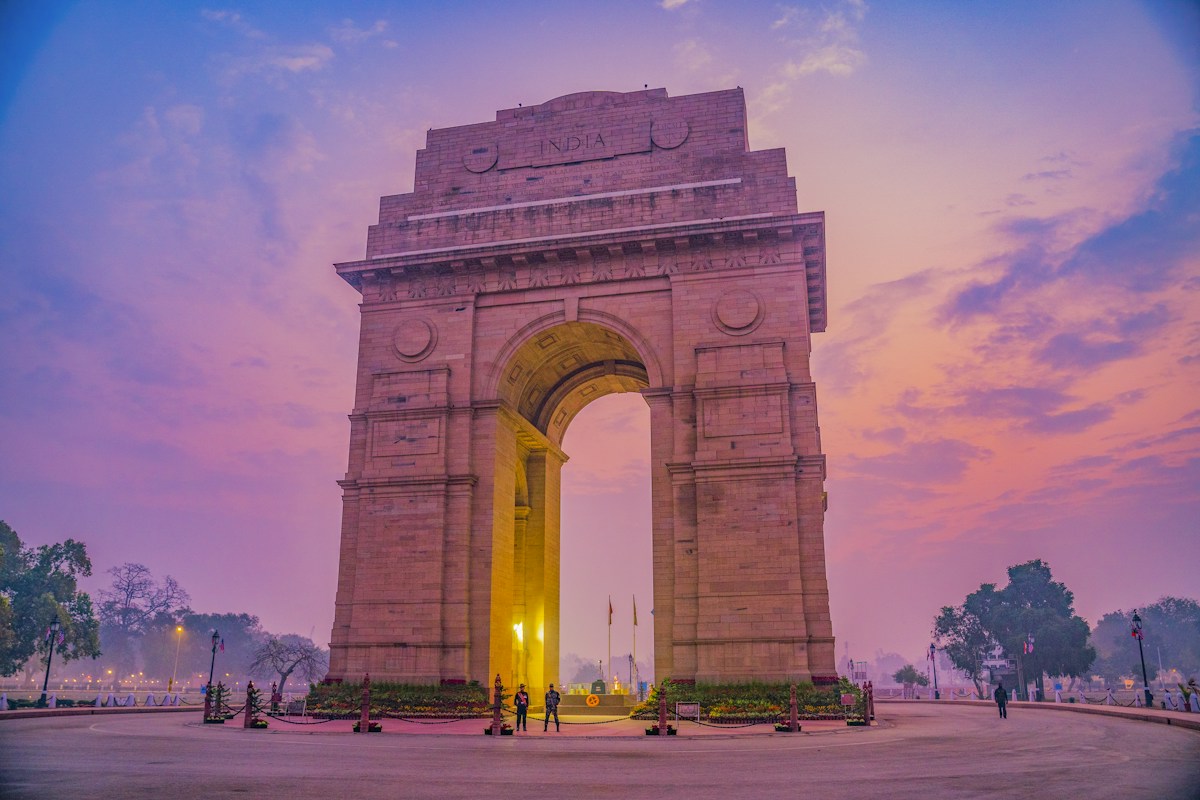
Welcome to India! Delhi is chaotic, colorful, and captivating — the perfect introduction to this incredible country. Start with India Gate, a war memorial that’s stunning at sunset. Visit Humayun’s Tomb, a UNESCO World Heritage Site and architectural precursor to the Taj Mahal. End your day with authentic Indian cuisine at one of Delhi’s renowned restaurants.
Day 2
Delhi Sightseeing → Drive to Agra
Dive into Old Delhi’s vibrant markets, where the aroma of spices fills the air. Explore Jama Masjid, one of India’s largest mosques, and pay respects at Raj Ghat, Mahatma Gandhi’s memorial. After lunch, take a comfortable 3-4 hour drive to Agra. Check into your hotel and prepare for tomorrow’s unforgettable sunrise.
Day 3
Taj Mahal Sunrise → Jaipur via Fatehpur Sikri
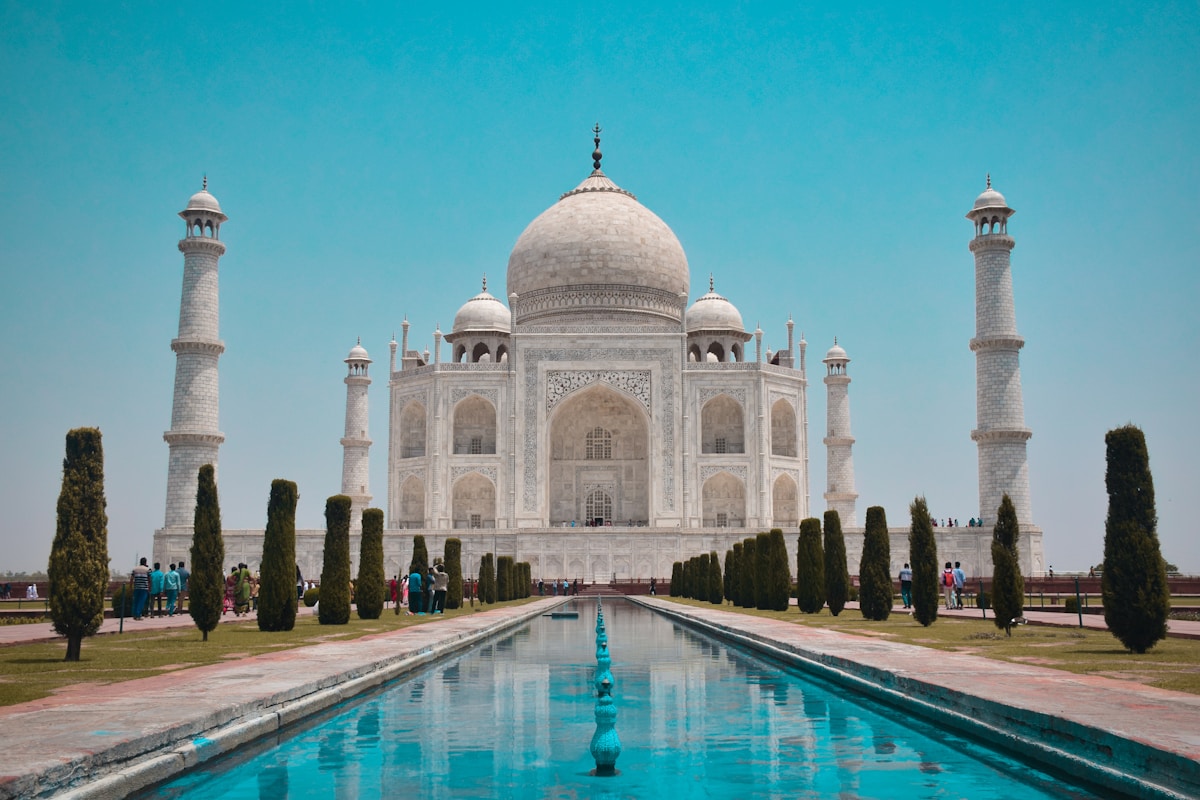
Wake before dawn for a moment you’ll never forget — watching the Taj Mahal glow in the first light of day. This monument to eternal love looks different every minute as the sun rises. After visiting Agra Fort, continue to Jaipur with a fascinating stop at Fatehpur Sikri, the abandoned Mughal capital and UNESCO World Heritage Site.
Day 4
Jaipur: The Royal Pink City
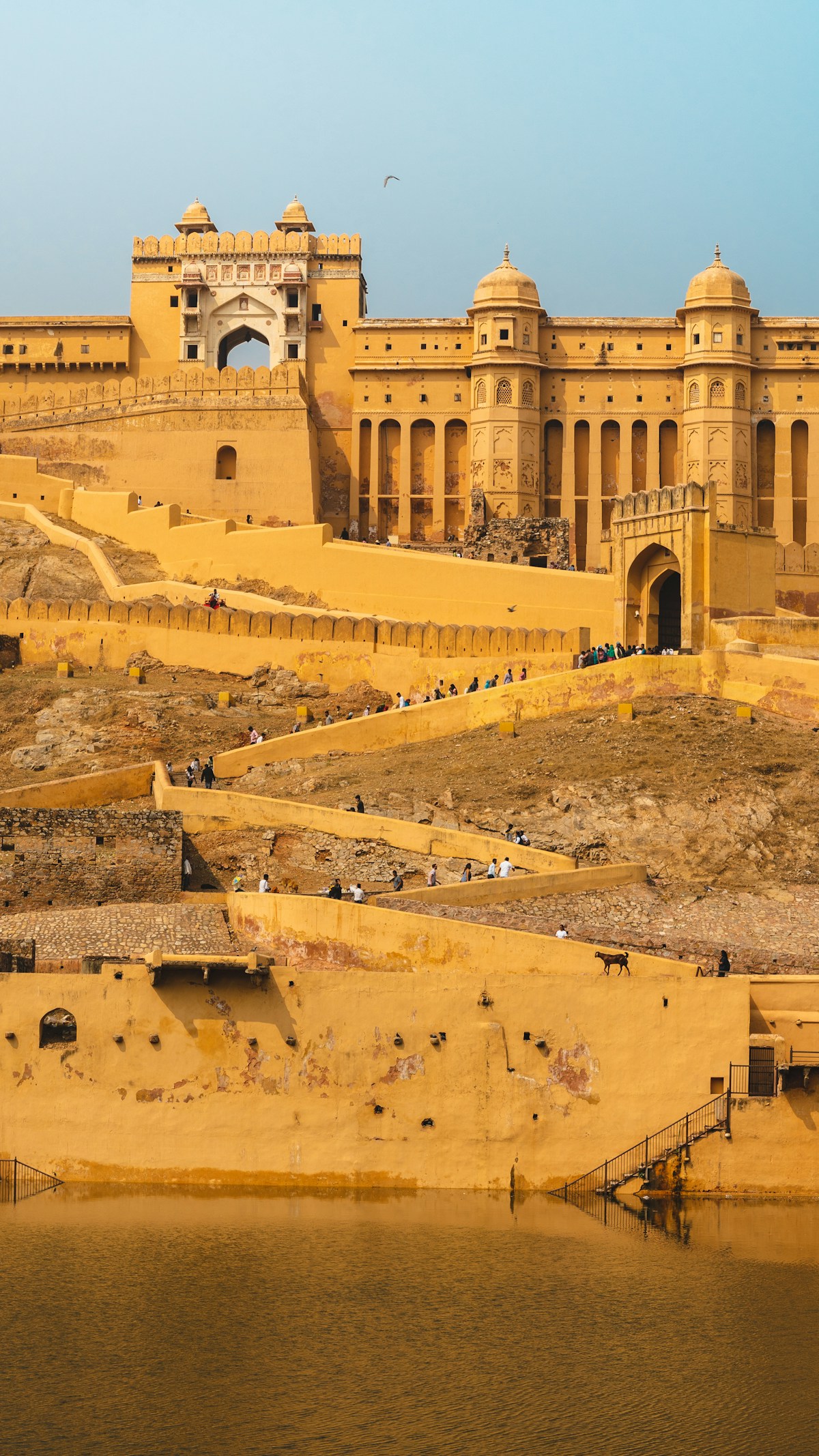
Today belongs to the Pink City! Start at the majestic Amber Fort, perched on a hilltop with stunning views. Visit City Palace, still home to Jaipur’s royal family, and snap photos at Hawa Mahal (Palace of Winds). End your day shopping for handicrafts, textiles, and jewelry in colorful bazaars, then enjoy dinner on a rooftop with city views.
Day 5
Return to Delhi or Continue Exploring India
As your Golden Triangle journey concludes, you have options: fly home from Delhi or continue your Indian adventure. Many travelers extend to Varanasi (spiritual India), Kerala (backwaters & beaches), Goa (coastal paradise), or deeper into Rajasthan (desert fortresses). Save these destinations to your wishlist for your next visit!
💡 Pro Tip
Golden Triangle hotels sell out quickly during peak season (October-March). Secure your accommodations early through TravelDiari’s trusted booking platform to get the best rates and availability.
Where to Stay: Best Hotels to Book
Choosing the right hotel transforms your experience. These properties are loved by global travelers for their comfort, location, and exceptional service.
Delhi Hotels
The Lalit New Delhi
📍 Connaught Place, Central Delhi
Luxury hotel with world-class amenities, multiple dining options, and easy access to Delhi’s major attractions.
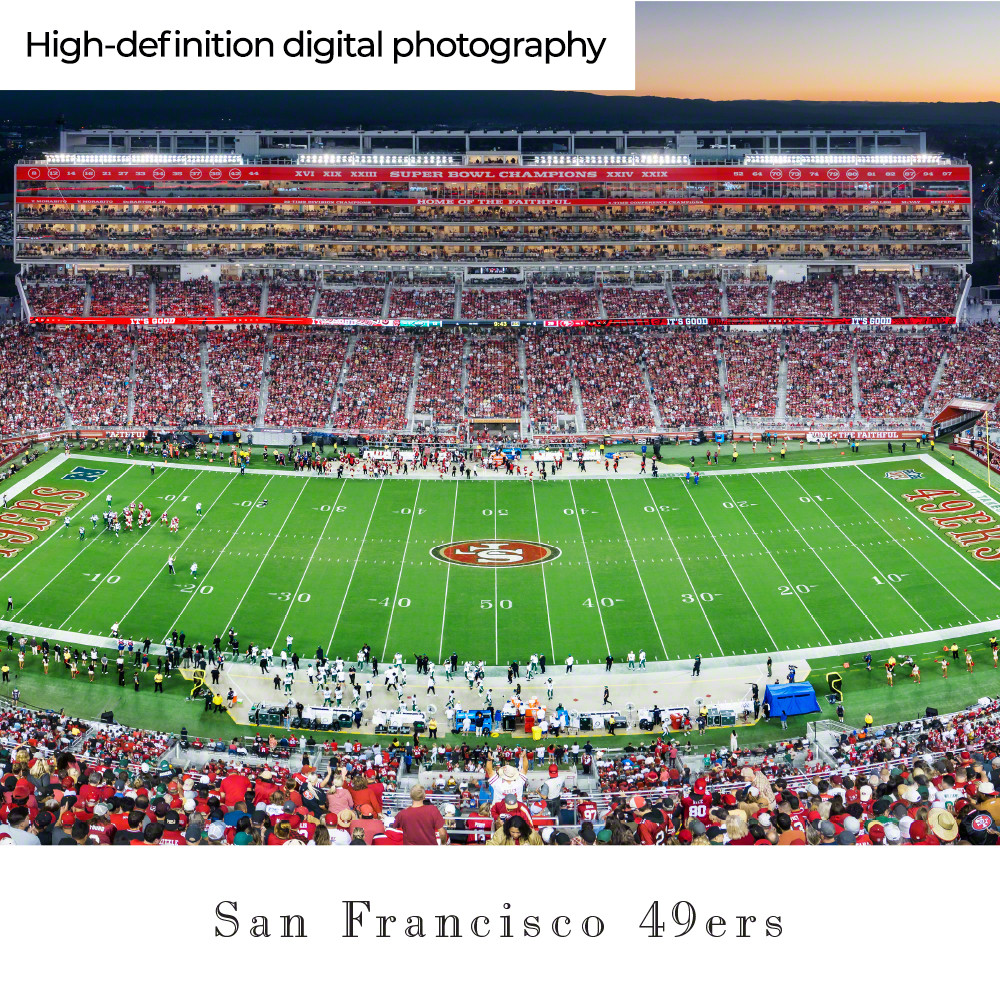
The Super Bowl isn’t just one game — it’s the biggest annual sports event in the U.S., and Super Bowl LX (60) on February 8, 2026 at Levi’s Stadium in Santa Clara, California will be a weekend-long celebration of football, culture, concerts, and Bay Area adventure.
Whether you’re flying in for kickoff or planning to make a full weekend out of it, this guide gives you everything you need — where to stay, what to do, how to plan travel and fun beyond the game.
Super Bowl LX will bring thousands of fans to the Bay Area in early February. Here’s what to expect:
Major fan events and festivities around San Jose, not just at Levi’s Stadium, including concerts, fan experiences, and watch parties
A globally streamed halftime show and pregame performances by top artists
Heavy travel demand — so book flights and hotels months in advance
✈️Getting There: Airports & Transport
Airports Serving Super Bowl Travelers
San Jose Mineta International Airport (SJC) — Closest to Levi’s Stadium (10-15 minutes)
San Francisco International Airport (SFO) — About 35-45 minutes by car
Oakland International Airport (OAK) — About 40-50 minutes by car
Travel Tips
Fly in at least 2-3 days early to avoid delays and get better fares
Consider direct flights that may be added for the Super Bowl weekend — airlines often launch extra routes
Getting Around
Public Transit: VTA Light Rail and Caltrain are excellent for avoiding traffic to the stadium
Shuttle Services: Many hotels offer game-day shuttles
Ride-shares: Available but expect surge pricing and long wait times after the game
🏨Top 10 Hotels to Book for Super Bowl Weekend
⚠️ Pro Tip: Staying in Downtown San Jose or Santana Row gives better access to nightlife, festivals, and dining, while hotels in Santa Clara put you closest to the stadium.
Hotels Closest to Levi’s Stadium (Walking Distance)
Hyatt Regency Santa Clara
Classic choice right near the stadium — perfect for game day access.
Hilton Santa Clara
Walkable and convenient with event energy and amenities.
Santa Clara Marriott
Spacious rooms and excellent service.
Embassy Suites by Hilton Santa Clara Silicon Valley
Great for families with suite-style rooms.
Element Santa Clara
Stylish and comfortable with strong guest reviews.
More Comfortable & Stylish Options Nearby
AC Hotel San Jose Santa Clara
Luxury boutique vibes and modern design.
Delta Hotels Santa Clara Silicon Valley
Well-rounded choice with good dining options.
Avatar Hotel Santa Clara
Trendy and vibrant choice near attractions.
Aloft Santa Clara
Stylish budget-friendly base.
TownePlace Suites by Marriott San Jose Santa Clara
Great extended-stay option for longer stays.
🍔Things to Do — Beyond Football
While the game is the centerpiece, the Bay Area offers plenty to fill your Super Bowl weekend.
🏙️Explore San Jose & the Bay Area
Downtown San Jose
Plaza de César Chávez: Historic city heart and event hub
Circle of Palms Plaza: Historic landmark at the original California state capital site
Museums like The Tech Interactive and the San Jose Museum of Art (great for tech lovers)
Hip food scenes and bars along Santa Clara Street and surrounding areas
Historic & Cultural Spots
Mexican Heritage Plaza: Cultural center celebrating Chicano and Mexican-American arts
Alum Rock Park: Vast urban park with scenic trails and views (good for fresh air before game day)
🛍️Shopping & Lifestyle Districts
Santana Row: Upscale shopping, dining, and nightlife — perfect for a relaxing night out.
📸Food, Drinks & Nightlife
San Pedro Square Market: Local favorite for casual eats and outdoor drinks
Numerous breweries, gastropubs, and wine bars across San Jose and Santa Clara
Local spots fill rapidly — book reservations early!
🏈Super Bowl Week Events & Fan Experiences
Super Bowl weekend is much more than Sunday night. Expect:
Official NFL fan fests (likely in downtown San Jose)
Concerts, watch parties, and nightlife events throughout the Bay Area
Nightly festivities, interactive fan zones, and special appearances
This year’s huge halftime show and pregame performers will add to the excitement
🍽️Game Day & Tailgate Tips
Arrive early: Traffic and parking near Levi’s Stadium will be heavy; lots typically open ~3.5 hours before kickoff
Parking passes: Buy in advance; they sell out fast and can be expensive
Tailgating: Official zones may be limited at the Super Bowl; consider pre-game events in nearby areas
Public transit: VTA Light Rail is a smart way to reach the stadium without parking hassle
📅Itinerary Tips for Travelers
Thursday / Friday
Arrive, settle into your hotel
Explore Santana Row or Downtown San Jose
Attend fan festivals and kickoff parties
Saturday
Museums, parks, tech attractions
Nightlife or fan experiences — music, bars, or Bay Area highlights
Sunday — Game Day
Early brunch or tailgate party
Head to Levi’s Stadium via transit or hotel shuttle
Post-game celebrations at local venues
Monday
Relax and explore scenic spots like Alum Rock Park or nearby coastal towns
🧠Final Planning Tips
Book flights & hotels now — rates and availability drop quickly
Plan transit options — trains and shuttles beat traffic
Make dinner reservations early — restaurants fill up during Super Bowl weekend
Pack for diverse weather — February can be mild but breezy in the Bay Area
Need more help? If you’d like tailored recommendations — like best nightlife spots, or a sample 3-day itinerary — reach out for personalized travel planning assistance!
Top 5 Sacred Lands Every World Traveler Should Visit: A Journey Through the World’s Religions
Explore the world’s most sacred destinations from major religions—discover deep history, breathtaking architecture, and cultural foundations that shaped civilization.
Across centuries and continents, religion has shaped human history, culture, architecture, philosophy, and community. Whether or not you follow a particular faith, exploring religious lands offers something extraordinary—deep history, timeless stories, spectacular architecture, and a window into the lives and beliefs of billions of people.
This guide highlights the top sacred destinations for Christianity, Judaism, Islam, Hinduism, Buddhism, Sikhism, and additional spiritual traditions. More than a pilgrimage guide, this is an invitation for any global traveler to enrich their worldview and experience the cultural foundations that built modern civilization.
Why Visit Sacred Lands? These destinations offer unmatched historical insight, cultural enrichment, architectural marvels, personal growth opportunities, and a profound connection to humanity’s diverse spiritual heritage. You leave with more than photos—you gain wisdom, humility, and renewed appreciation for human belief.
1. Jerusalem, Israel – Christianity, Judaism, and Islam
Christianity Judaism Islam
Jerusalem is arguably the most spiritually significant city in the world—a sacred epicenter for Christians, Jews, and Muslims. Its ancient streets tell stories that have shaped thousands of years of worship, empires, conflict, and coexistence.
Why Visit?
Christianity: Walk the Via Dolorosa (the path Jesus took to crucifixion), visit the Church of the Holy Sepulchre (believed to be the site of Jesus’ crucifixion and resurrection), and explore sites tied to Jesus’ life and ministry.
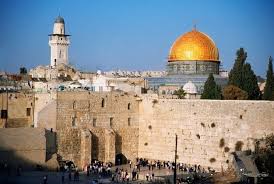
Judaism: Experience the Western Wall (Kotel), Judaism’s holiest accessible site and remnant of the Second Temple.
Islam: Visit Al-Aqsa Mosque and the magnificent Dome of the Rock, one of Islam’s most iconic shrines and the third holiest site in Islam.
Must-See in Jerusalem:
Old City’s four quarters (Jewish, Christian, Muslim, Armenian)
Garden of Gethsemane
Mount of Olives viewpoint
City of David archaeological site
Yad Vashem Holocaust Memorial
Regardless of your religious background, Jerusalem offers profound history, breathtaking views, and cultural depth unmatched by any other city. The energy of thousands of years of devotion is palpable in every stone.
Travel Tips: Dress modestly when visiting holy sites. Allow 3-4 days minimum to explore properly. Consider hiring a licensed guide for historical context.
Varanasi, situated on the banks of the sacred Ganges River, is the spiritual heart of Hinduism—one of the world’s oldest living religions. It is believed to be the abode of Lord Shiva, and Hindus across the globe consider visiting Varanasi a life-changing, soul-cleansing experience.
Why Visit?
Ganga Aarti Ceremony: Witness the mesmerizing evening prayer ritual at Dashashwamedh Ghat with fire, chants, and bells—a breathtaking display of devotion.
Ancient Temples: Explore Kashi Vishwanath Temple, dedicated to Shiva and one of the 12 Jyotirlingas (most sacred Shiva shrines).
Living History: Experience a spiritual culture that dates back more than 3,000 years, with continuous habitation making it one of the world’s oldest cities.
Spiritual Atmosphere: Take a sunrise boat ride along the ghats to witness pilgrims bathing, priests performing rituals, and the city awakening.
Must-Experience in Varanasi:
Sunrise boat ride on the Ganges
Evening Ganga Aarti at Dashashwamedh Ghat
Kashi Vishwanath Temple (dress modestly, no photography inside)
Sarnath Buddhist site (where Buddha gave his first sermon)
Walking tour through narrow lanes of the old city
Varanasi blends devotion, philosophy, music, color, and tradition in a way that captivates travelers from every walk of life. It’s intense, overwhelming, and profoundly moving—prepare for sensory overload in the best way possible.
Travel Tips: Visit October-March for best weather. Stay in the old city for authentic experience. Hire a local guide for temple visits and cultural context. Be prepared for crowds and intense atmosphere.
For Muslims, Mecca and Medina hold the two holiest sites in Islam. Mecca is the birthplace of the Prophet Muhammad and home to the Kaaba—Islam’s central spiritual symbol toward which all Muslims pray. Medina hosts the Prophet’s Mosque (Al-Masjid an-Nabawi) and is where the Prophet Muhammad is buried.
⚠️ Important Note: Only Muslims are permitted to enter Mecca and Medina. Non-Muslims cannot visit these cities. However, other parts of Saudi Arabia are now open to tourists of all faiths.
Why Visit? (For Muslim Travelers)
Hajj & Umrah: Experience the profound unity of millions of pilgrims during Hajj (mandatory pilgrimage) or Umrah (lesser pilgrimage).
Masjid al-Haram: Visit the Grand Mosque in Mecca, the largest mosque in the world, and perform Tawaf (circling the Kaaba).
Medina’s Serenity: Explore the peaceful spirituality of Al-Masjid an-Nabawi, one of the most beautiful mosques in the Islamic world.
Historical Sites: Visit Cave Hira where Prophet Muhammad received the first revelation, and Jannat al-Baqi cemetery.
Sacred Sites in Mecca & Medina:
The Kaaba and Masjid al-Haram (Mecca)
Mount Arafat (site of Hajj’s most important ritual)
Al-Masjid an-Nabawi and the Prophet’s tomb (Medina)
Quba Mosque (first mosque in Islam)
Cave Hira and Mount Nur
Even if you do not practice Islam, learning about these cities enriches your understanding of a religion followed by nearly 2 billion people worldwide. The devotion and spiritual discipline shown during pilgrimage is one of humanity’s most remarkable displays of faith.
Travel Tips (For Muslims): Book Hajj/Umrah packages well in advance. Best time for Umrah is outside Hajj season. Prepare physically for walking and rituals. Download the Nusuk app for services.
Lumbini is the birthplace of Siddhartha Gautama—who later became the Buddha, the enlightened one. Set in the peaceful plains of southern Nepal, this UNESCO World Heritage Site offers tranquility, deep spiritual introspection, and a connection to one of history’s most influential spiritual teachers.
Why Visit?
Maya Devi Temple: Visit the exact spot where Buddha was born in 623 BCE, marked by an ancient stone pillar erected by Emperor Ashoka in 249 BCE.
International Monasteries: Explore monasteries built by Buddhist nations worldwide (China, Thailand, Myanmar, Japan, Vietnam, and more), each reflecting unique architectural traditions.
Sacred Garden: Walk through peaceful meditation gardens and around the sacred Puskarini Pond where Buddha’s mother bathed before his birth.
Meditation Centers: Participate in meditation courses and retreats offered by various Buddhist traditions.
Must-See in Lumbini:
Maya Devi Temple and Ashoka Pillar
Sacred Garden and Puskarini Pond
World Peace Pagoda
Lumbini Museum
International monastery zone (especially Myanmar Golden Temple and Chinese monastery)
Lumbini’s serene environment provides a refuge from the modern world and invites travelers to explore mindfulness, compassion, and the teachings that have guided hundreds of millions toward inner peace for 2,500 years.
Travel Tips: Visit October-March for pleasant weather. Rent bicycles to explore the monastery zone. Allow 2-3 days. Combine with nearby Kapilavastu (where Buddha grew up).
Amritsar is home to the Golden Temple (Sri Harmandir Sahib), the holiest site in Sikhism and one of the most beautiful religious buildings in the world. Known for its stunning architecture, radical hospitality, and spiritual openness, it welcomes millions of visitors every year regardless of religion, nationality, caste, or creed.
Why Visit?
Architectural Marvel: Marvel at the Golden Temple’s stunning gold-plated architecture set above the sacred Amrit Sarovar (Pool of Nectar), especially breathtaking at sunrise and sunset.
World’s Largest Free Kitchen: Experience the Langar (community kitchen) which serves over 100,000 free meals daily to anyone who visits—a living example of equality and service.
Sikh Philosophy: Learn about Sikhism’s core values rooted in equality, service (seva), humility, and devotion to one God.
Spiritual Music: Listen to the continuous kirtan (devotional singing) from the Guru Granth Sahib, Sikhism’s holy scripture.
Must-Experience in Amritsar:
Golden Temple visit at sunrise and sunset
Participate in Langar (sit on the floor and eat with everyone, regardless of background)
Volunteer in the kitchen washing dishes (powerful experience)
Jallianwala Bagh memorial (site of 1919 massacre)
Wagah Border ceremony (India-Pakistan border flag ceremony)
Amritsar is not only spiritually enriching—it teaches the power of community, kindness, and selfless service. The experience of eating Langar alongside people from all walks of life is profoundly moving and embodies humanity at its best.
Travel Tips: Cover your head before entering (scarves available free). Remove shoes and wash feet at entrance. Photography is allowed but be respectful. Visit early morning (4-6 AM) for the most peaceful experience.
Beyond the top five, the world offers countless sacred destinations that deserve exploration:
Mount Sinai, Egypt — Sacred mountain where Moses received the Ten Commandments (Judaism, Christianity, Islam). Climb for sunrise views.
Bodh Gaya, India — Site where Buddha attained enlightenment under the Bodhi Tree. Mahabodhi Temple is UNESCO-listed.
Fátima, Portugal — Major Catholic pilgrimage site where the Virgin Mary reportedly appeared to three shepherd children in 1917.
Mount Kailash, Tibet — Sacred to Hindus, Buddhists, Jains, and Bon followers. Circumambulating (kora) is believed to cleanse sins.
Shikoku Pilgrimage, Japan — 1,200km route connecting 88 Buddhist temples. Takes 1-2 months to complete on foot.
Hagia Sophia, Istanbul — Former church, mosque, and now mosque again. Represents centuries of religious transformation.
Vatican City, Rome — Center of Catholic Christianity. St. Peter’s Basilica and the Sistine Chapel are unmissable.
Kyoto, Japan — Home to thousands of Buddhist temples and Shinto shrines, including Fushimi Inari and Kinkaku-ji.
💡 Planning Tip: Many sacred sites have dress codes and visitor guidelines. Research before visiting, dress modestly, and always show respect for active worship spaces. Consider visiting during off-peak hours for a more contemplative experience.
Why These Sacred Lands Belong on Every Traveler’s Wishlist
Religious or not, visiting sacred lands offers transformative experiences that typical tourist destinations cannot match:
What You’ll Gain:
Unmatched Historical Insight: These are the places where civilizations, philosophies, and moral frameworks were born and shaped.
Cultural Enrichment: Understand traditions, communities, and rituals firsthand rather than through books or screens.
Architectural Marvels: From ancient temples to towering mosques to gilded shrines—spiritual architecture represents humanity’s finest craftsmanship.
Personal Growth: Travelers consistently describe these destinations as deeply moving, perspective-shifting experiences.
Connection to Humanity: Witness global devotion, humility, and unity that transcends language, nationality, and background.
You leave these places not just with photos and souvenirs—but with wisdom, humility, renewed appreciation for human diversity, and often a deeper understanding of your own beliefs and values.
Planning Your Sacred Journey with TravelDiari
Whether you’re exploring the ancient ghats of Varanasi, walking Jerusalem’s Via Dolorosa, or meditating at Buddha’s birthplace in Lumbini, planning a sacred journey requires thoughtful preparation.
TravelDiari helps you plan personalized itineraries with AI-powered recommendations, compare hotels near sacred sites, track flight prices, coordinate travel with friends or family, and discover hidden gems recommended by fellow spiritual travelers.
Tips for Planning Sacred Travel
Research visa requirements well in advance (some sacred sites have specific entry requirements)
Check religious holiday calendars—visiting during festivals offers unique experiences but also larger crowds
Book accommodations close to sacred sites for sunrise/sunset visits
Allow buffer days for spontaneous exploration and reflection
Consider hiring local guides who can explain religious significance and customs
Pack modest clothing suitable for temple/mosque/church visits
How to Maximize Your Chances of a United PlusPoints Upgrade — Practical Strategies for Loyal Flyers
Your complete guide to finding routes with upgrade space, choosing the best fare classes, tracking PlusPoints clearance, and finding alternatives if your upgrade doesn’t clear.
Quick primer: What are PlusPoints?
PlusPoints are United’s upgrade currency for elite MileagePlus members. They allow you to request upgrades from Economy → Premium Plus or Polaris, and Premium Plus → Polaris on select long-haul flights. The key advantage: Points are not deducted until your upgrade clears.
How PlusPoints Work: When you request an upgrade, PlusPoints are held but not deducted from your account. If your upgrade doesn’t clear by departure, the points are automatically returned. This means you can request upgrades risk-free on multiple future flights.
PlusPoints are earned annually based on your Premier status level:
Check upgrade availability before booking (crucial!)
This is the single most important step many travelers skip. Before you click “buy,” check whether upgrade inventory is even available. Without available upgrade space (PZ/PN inventory codes), your chances drop to nearly zero regardless of your status or fare class.
Essential Tools for Checking Upgrade Space
🔍 United Upgrade Search Tool
The official place to see if your flight has PZ/PN upgrade inventory. Check this first.
💡 Pro Tip: If you see multiple flights on the same route, choose the flight showing PZ/PN inventory (upgrade-eligible space). That alone boosts your chances dramatically. Flights without visible upgrade inventory at booking rarely open up later.
Which routes are easiest to upgrade?
Upgrade clearance varies widely based on route and demand patterns. Understanding these patterns helps you choose flights where you’re most likely to succeed.
Best Routes for Upgrades
Midday and weekend flights — See fewer business travelers → more empty premium seats. Saturday and Sunday departures clear significantly better than Monday/Thursday.
Leisure routes — Hawaii, Orlando, Caribbean destinations usually clear better than corridor business routes.
Off-peak travel periods — Avoid holiday weeks, Sunday evenings, Monday mornings, and Thursday afternoons when business demand peaks.
Premium Plus to Polaris upgrades — Often clear more reliably than deep discount economy → Polaris jumps, especially on long-haul international.
Difficult Routes to Upgrade
Business corridor routes: SFO–EWR, ORD–LGA, IAH–LAX, SFO–IAD
Your fare class determines both eligibility and your priority on the waitlist. This is often the deciding factor between clearing and staying in economy.
Understanding Upgrade Priority
Within each Premier status level, United processes upgrades by fare class. A Premier Silver in Y class may clear before a Premier Gold in H class.
Priority Tier
Fare Classes
Notes
Highest Priority
YBM
Full-fare and high-yield economy. Clear meaningfully more than discounted fares.
Good Priority
HQV
Mid-tier economy fares. Still upgrade-eligible with decent clear rates.
Lower Priority
WST
Discounted economy. Clear less often but cost significantly less.
Premium Plus
RAO
Ideal if upgrading to Polaris at lower PlusPoints cost (20-40 points vs 40-80).
Not Eligible
N BASIC
Basic Economy fares cannot be upgraded under any circumstances.
⚠️ Important: Avoid Basic Economy fares if you want to use PlusPoints. Even Premier 1K members cannot upgrade Basic Economy tickets. The small savings aren’t worth losing upgrade eligibility.
💡 Strategy: If a Y-class fare is only $50-100 more than an H-class fare on a long international flight, the upgrade priority boost is often worth it. Calculate the fare difference divided by flight hours to determine value.
When upgrades typically clear
United processes PlusPoints upgrades as inventory opens, not on a fixed timeline. However, patterns emerge based on thousands of traveler reports.
Typical Upgrade Clearance Timeline
At booking (immediate): Some upgrades clear instantly if PZ/PN seats are wide open and you’re in a high fare class. This is most common on leisure routes with light loads.
5-7 days before departure: United’s revenue management system releases additional upgrade inventory as paid premium cabin sales finalize.
48-72 hours out: Many upgrades clear in this window as the flight picture becomes clearer and United opens more upgrade space.
Check-in (24 hours): Another wave of clearances happens when check-in opens. Some upgrades auto-clear at this point.
At the gate: Last-minute clearances occur when no-shows free up premium seats or when agents manually process the upgrade list.
Track your position in real-time: Open the United app → Your Trips → Select your flight → “Upgrade Standby List.” Your relative position and how many people are ahead of you are shown.
Understanding Your Waitlist Position: The number shown (e.g., “5 of 12”) indicates your position among all upgrade requests, not just PlusPoints users. Higher status members and higher fare classes appear higher on the list within each Premier tier.
Day-of-flight strategies to increase upgrade chances
Don’t give up if your upgrade hasn’t cleared yet. Several tactical moves on departure day can still get you into a premium cabin.
24 Hours Before Departure
Check in exactly when the window opens — Set an alarm for 24 hours before departure. Some upgrades auto-clear the moment check-in begins.
Verify your PlusPoints request is active — Occasionally requests drop off due to schedule changes. Re-request if needed.
Check the seat map — If premium cabins are still mostly full, your odds are lower. If many seats remain, you have a good chance.
At the Airport
Arrive early and check the gate monitors — Upgrade lists are sometimes displayed at the gate or on airport monitors.
Politely ask the gate agent — About 30 minutes before boarding, you can politely inquire about your upgrade status. Don’t be pushy; agents remember difficult passengers.
Watch the standby list in the app — Your relative position matters. If you’re #2 and there are 3 open seats, you’re likely clearing.
Stay near the gate during final boarding — Late no-shows often trigger last-second seat releases. Agents sometimes call names for final upgrades.
💡 Gate Agent Tip: Instead of asking “Will I get upgraded?”, try “I see I’m on the upgrade list—is there anything I should know about my position?” This shows you’re informed and respectful of their time.
If your PlusPoints don’t clear — use them instead of letting them expire
PlusPoints expire 12 months after deposit. If you’re approaching expiration or simply can’t find good upgrade opportunities, United offers several alternatives.
Alternative Uses for PlusPoints
Convert to TravelBank Cash
Redeemable for future United flights at full value. Good option if you have trips planned but no upgrade opportunities.
Convert to MileagePlus miles
Helpful when topping up for an award booking. Conversion rates vary but typically 1 PlusPoint = 500-1,000 miles.
Occasional PQP/PQF conversion offers
During status promotions, United sometimes allows conversion to Premier Qualifying Points or Flights.
Gift Premier status
Some targeted programs allow using PlusPoints to gift Silver status to family/friends.
⚠️ Expiration Warning: Unlike miles, PlusPoints cannot be extended. Set a calendar reminder 60 days before expiration to ensure you use or convert them. Once expired, they’re gone permanently.
Smart strategies to maximize upgrade success
Combining all these insights into a cohesive strategy dramatically improves your upgrade success rate. Here’s your game plan:
Before Booking
Pick flights with visible PZ/PN inventory — This is the #1 predictor of success. No inventory = no upgrade, regardless of your status.
Use Seats.aero alerts — Set alerts for your preferred routes to catch upgrade space when it opens.
Target off-peak times — Midday Saturday departures clear far more reliably than Monday 7 AM flights.
Consider Premium Plus bookings — The upgrade cost to Polaris is 50% less, and you still enjoy a premium cabin if upgrades don’t clear.
When Booking
Book upgrade-friendly fare classes — If budget allows, Y/B/M classes clear significantly more often.
Request upgrades immediately — Submit your PlusPoints request right after booking to secure the best waitlist position.
Book refundable if uncertain — If upgrade availability is marginal, book a refundable fare so you can cancel if better options appear.
After Booking
Monitor inventory changes — Check ExpertFlyer or Seats.aero weekly. If upgrade space opens on a better flight, change your booking.
Set calendar reminders — 7 days out, 3 days out, and 24 hours before to check upgrade status.
Have a backup plan — If the upgrade matters greatly, consider booking Premium Plus as backup.
Strategic Route Selection
Route Type
Best Days
Best Times
Upgrade Success Rate
Leisure (Hawaii, Caribbean)
Tue, Wed, Sat
Midday
High (60-80%)
Transcon (SFO-EWR)
Sat, Sun
10am-2pm
Medium (40-60%)
Business Corridor
Sat
Midday only
Low-Medium (30-50%)
International Long-haul
Tue-Thu
Evening departures
Medium-High (50-70%)
Success rates are estimates based on community data and vary by season, fare class, and Premier status level.
✅ Check Seats.aero for open upgrade space and set alerts if none currently available.
✅ Verify your ticket fare class is upgrade-eligible (avoid Basic Economy at all costs).
✅ Compare multiple flights on the same day — look for lighter loads and better inventory.
✅ If possible, book Y/B/M fare classes for highest upgrade priority.
✅ Consider booking Premium Plus if upgrade to Polaris is your goal (lower PlusPoints cost).
✅ Submit your PlusPoints upgrade request immediately after booking completes.
✅ Set calendar reminders to check upgrade status at 7 days, 3 days, and 24 hours before departure.
✅ Review your PlusPoints balance and expiration dates in your MileagePlus account.
Final Thought: PlusPoints upgrades are part art, part science. Even with perfect execution, some routes and times simply don’t clear. The key is maximizing your odds through smart route selection, fare class choices, and timing—then being pleasantly surprised when upgrades clear, rather than disappointed when they don’t.
Frequently Asked Questions
Can I use PlusPoints for someone else’s ticket?
No, PlusPoints can only upgrade your own ticket. However, if traveling with companions on the same reservation, you can use your PlusPoints to upgrade everyone, but it costs PlusPoints for each traveler.
What happens if I cancel a flight with a pending PlusPoints upgrade?
Your PlusPoints are immediately returned to your account. There’s no penalty for canceling upgrade requests.
Can I combine PlusPoints with Global Premier Upgrades?
No, you must choose one upgrade instrument per segment. However, you can use different instruments on different segments of the same trip.
Do PlusPoints work on partner airlines like Lufthansa or ANA?
No, PlusPoints are only valid on United-operated flights (flight numbers starting with UA).
Is it worth holding a United co-branded credit card just for bonus PlusPoints?
If you’re Premier Silver or Gold, the bonus PlusPoints (8-12 additional) combined with free checked bags, priority boarding, and statement credits often justify the annual fee if you take 3-4+ United flights annually.