Category: Flight & Airlines

Airline reviews, business class comparisons, and flight tips

  • Spirit Airlines Is Gone — Here’s How to Get Your Money Back

    Spirit Airlines Is Gone — Here’s How to Get Your Money Back


    ✈️ Travel News & Credit Cards

    ✈️

    Spirit Airlines · 1983 – 2026
    America’s pioneer ultra-low-cost carrier has shut down for good

    BREAKING · May 2, 2026

    🚨
    Spirit Airlines has permanently ceased operations as of 3:00 AM ET, May 2, 2026.

    All flights have been canceled. Customer service is no longer available. Do not go to the airport. This guide will walk you through your best options to get your money back — especially if you paid by credit card.

    1.8M
    Seats booked May 2–31 alone
    ~9,000
    Flights canceled this month
    17,000
    Employees affected
    72
    US airports Spirit served

    If you woke up this morning with a Spirit Airlines booking on your calendar, you’re probably feeling a mix of shock, frustration, and anxiety. The bright yellow planes that carried budget travelers across the US, Caribbean, and Latin America have made their final descent. Spirit Airlines — America’s eighth-largest carrier and the pioneer of the ultra-low-cost fare model — permanently shut down all operations on May 2, 2026, after failing to secure a last-minute rescue deal with the Trump administration.

    But here’s what we want you to hear first: if you paid with a credit card, you are almost certainly going to get your money back. This guide exists to help you understand exactly how that works, what steps to take, and how to work with the largest credit card issuers in the US to recover your funds — and get peace of mind, even as you plan your next booking on another airline.


    💳
    Not sure which travel credit card gives you the best protection?
    TravelDiari’s Card Matcher shows your wallet’s hidden perks, gaps, and the best next card — free.

    What Happened to Spirit Airlines?

    Spirit’s collapse has been years in the making. The airline lost nearly $5.9 billion between 2020 and 2025, having never fully recovered from the pandemic. A planned merger with JetBlue was blocked by the Biden administration in early 2024, and Spirit filed for Chapter 11 bankruptcy protection in November of that year. A second bankruptcy filing followed in August 2025, with the airline announcing a restructuring deal in February 2026 to shed debt and continue flying through the summer.

    Three days after that deal was announced, the war in Iran began — choking off roughly 20% of the world’s oil supply and sending jet fuel prices soaring. For a carrier whose business model depended on razor-thin margins, the shock was fatal. Spirit attempted an 11th-hour rescue package negotiation with Trump administration officials, but a key group of creditors rejected the terms. With no additional funding available, Spirit had no choice but to immediately wind down all operations.

    ⚠️
    Do Not Go to the Airport

    Transportation Secretary Sean Duffy was explicit: “If you have a flight scheduled with Spirit Airlines, don’t show up at the airport. There will be no one here to assist you.” All Spirit customer service has shut down. The path to your refund is through your credit card issuer or travel agent — not the airport.

    The Good News: Spirit Has a Refund Reserve Fund

    Here’s the piece of news that should immediately ease some of your anxiety. Before shutting down, Spirit announced that it will automatically process refunds for flights purchased directly through Spirit using a credit card or debit card. That money is being returned to your original form of payment.

    Secretary Duffy confirmed this directly: Spirit holds the money passengers paid for unflown tickets in reserve, and refunds will flow back to the original form of payment. Check your refund status at Spirit’s MyTrips page.

    Automatic Refunds for Credit & Debit Card Purchases via Spirit.com

    If you booked directly through Spirit Airlines’ website or app using a credit or debit card, Spirit has committed to automatically refunding you. Processing times may vary, but the funds should return to your original payment method. Check Spirit’s MyTrips page for status.

    However, “automatic” doesn’t always mean “instant.” Refunds can take several business days to weeks to appear. And if you booked through a third party, used travel credits, vouchers, or Free Spirit points, the situation is more complicated — which is exactly why your credit card is your backup safety net.

    If You Paid by Credit Card: You Have Extra Protection

    Even if Spirit’s automatic refund doesn’t materialize as promised, or if you’re worried about delays, your credit card gives you a powerful additional layer of protection. This is one of the most underappreciated benefits of paying for travel with a credit card — and it’s never more relevant than right now. If you want a full breakdown of what your card actually covers, our 2026 guide to travel credit card benefits is a great place to start.

    The legal foundation for this protection is the Fair Credit Billing Act (FCBA), a US federal law that requires banks to remove a charge when a supplier fails to deliver the product or service paid for. In Spirit’s case: you paid for a flight, that flight will never happen, and therefore the charge is disputable.

    When you file a dispute (also called a chargeback) with your credit card issuer, your bank initiates a reversal of the charge on your behalf. In cases of airline bankruptcy, this process has a strong historical track record. When Primera Air collapsed in 2018, when WOW Air shut down in 2019, and across dozens of other airline failures, credit card chargebacks successfully returned millions of dollars to stranded passengers.

    💡
    Expert Tip: Don’t Cancel Your Spirit Ticket First

    Travel expert Julian Kheel, founder of Points Path, advises: “Canceling your ticket now without a promise of a refund will eliminate all protections. Instead, hang on to your ticket and file a chargeback with your bank.” Keep your booking confirmation and payment receipts — these are your evidence.

    How to File a Chargeback — Step by Step

    Filing a chargeback is simpler than it sounds. Here’s the general process that applies across all major US credit card issuers:

    1
    Gather Your Evidence First

    Collect your Spirit booking confirmation email, your credit card statement showing the charge, any communication from Spirit about cancellations, and the date and amount of your original purchase. Screenshot the Spirit.com shutdown notice as additional documentation.

    2
    Log In to Your Credit Card Account

    Most major issuers have an online dispute tool under “Transactions” or “Account Services.” Look for “Dispute a Charge” or “Report a Problem.” You can also call the number on the back of your card to initiate by phone — sometimes faster for complex situations.

    3
    Select the Right Dispute Reason

    Choose “Services Not Rendered” or “Never Received What Was Paid For.” When asked about merchant contact, select “Merchant Was Out of Business” or “Other” and note that Spirit has permanently shut down with customer service unavailable. Do not select fraud — this is a service dispute.

    4
    Dispute the Full Ticket Amount

    Include the full price you paid for the unused flight(s). If you already flew one leg of a round trip, only dispute the value of the unused portion. Attach your evidence when prompted.

    5
    Receive a Provisional Credit & Wait

    Most issuers will apply a provisional (temporary) credit to your account within a few days while they investigate. The full resolution can take 30–90 days. In clear-cut airline bankruptcy cases, many chargebacks resolve quickly — sometimes within days.

    ⏱️
    The 60-Day Rule — And Why It’s Not Absolute

    The FCBA technically gives you 60 days from the original charge to file a dispute. However, many issuers apply flexibility in airline bankruptcy cases, using the scheduled flight date (not purchase date) as the starting point for the window. If your flight was months away, you likely still have time. File as soon as possible regardless — don’t wait.

    Guide for Every Major US Credit Card Issuer

    The chargeback process varies slightly by issuer. Here’s a detailed breakdown for the largest credit card companies in the United States:

    Issuer How to File What to Expect
    Chase

    Consumer Friendly

    chase.com → Account → “Dispute a transaction” or call 1-800-432-3117. Also available in the Chase app under the transaction. Chase representatives are known to be helpful with service dispute chargebacks. Note: Chase’s travel insurance does not cover airline insolvency — go directly to the chargeback route, not travel insurance. File within 60 days of the charge or flight date.
    Platinum, Gold, Green, Blue Cash, Delta, Hilton

    Strong Track Record

    americanexpress.com → Card Activity → select charge → “Dispute Charge.” Or call 1-800-528-4800. The Amex app also has a built-in dispute flow. American Express has historically been the most consumer-friendly issuer for dispute resolution. Cases are often resolved quickly with a provisional credit applied promptly. A key reason to use Amex for travel purchases.
    Citi
    Strata Premier, Double Cash, AAdvantage, Costco

    Solid Option

    citibank.com → Accounts → select charge → “Dispute” or call 1-800-950-5114. The Citi app supports dispute filing as well. Citi has a strong track record for straightforward service disputes. Clearly state the airline is permanently out of business. Cite the Fair Credit Billing Act to support your case if needed.
    Capital One
    Venture X, Venture, Quicksilver, Savor

    Online Friendly

    capitalone.com → Accounts → select transaction → “Dispute this transaction” or call 1-800-227-4825. The Capital One app has a clean dispute flow. Capital One’s online chargeback process is well-organized. Select “service” when asked about the purchase type and “merchant out of business” as the reason. Provisional credits typically applied quickly.
    Bank of America
    Travel Rewards, Premium Rewards, Cash Rewards

    Persist If Needed

    bankofamerica.com → Account Details → select transaction → “Dispute this transaction” or call 1-800-432-1000. BofA has been known to initially cite the 60-day time limit as grounds for rejection. If this happens, escalate to a supervisor and reference the Fair Credit Billing Act, noting that the flight date (not purchase date) is the relevant window. Persistence pays off.
    Wells Fargo
    Autograph, Active Cash, Bilt (via Wells Fargo)

    Phone Recommended

    wellsfargo.com → Account Activity → select charge → “Dispute Transaction,” or call 1-800-390-0533. Phone disputes often move faster for travel-related cases. File as “services not rendered” and have your booking confirmation ready. Clearly explain that Spirit Airlines permanently ceased operations on May 2, 2026. A provisional credit is typically applied during the investigation period.
    Discover
    it Card, it Miles, it Cash Back

    24/7 US-Based Support

    discover.com → Account Center → Transactions → “Dispute” or call 1-800-347-2683 (24/7 US-based). Discover is known for fast, helpful service. Discover’s US-based customer service is consistently highly rated. For a clear airline shutdown case like Spirit, representatives are typically straightforward to work with. Select “service not provided” and reference the shutdown date.

    What If You Used Vouchers, Credits, or Free Spirit Points?

    This is where the picture becomes more complicated. Spirit has stated that compensation for bookings made with vouchers, travel credits, or Free Spirit loyalty points “will be determined at a later date through the bankruptcy court process.” Free Spirit points are no longer redeemable and cannot be transferred to another program.

    ⚠️
    Free Spirit Points Are Effectively Lost (For Now)

    Aviation travel expert Henry Harteveldt of Atmosphere Research Group has noted that the odds of receiving compensation for loyalty point reservations are “slim to none” through the bankruptcy process. If you used a mix of cash and points, the cash portion may still be recoverable via chargeback. The points portion, unfortunately, is likely a write-off in the near term.

    If you applied a travel voucher or credit to a booking that also had a cash component, contact your credit card issuer and dispute the cash amount you actually paid. Document the full booking value and explain that the service was not rendered due to Spirit’s shutdown.

    For pure voucher or points bookings, you can register as a creditor in Spirit’s bankruptcy proceedings — though the practical likelihood of meaningful recovery from that route is low. Your best move is to absorb the loss on points and focus on rebooking efficiently on another carrier.

    Rebooking: Other Airlines Are Stepping Up

    Even as you pursue your refund, you’ll need to rebook your travel. The good news is that major US carriers responded quickly to Spirit’s shutdown with discounted fares specifically for affected passengers. When you choose your new carrier, it’s also worth considering which airline loyalty program offers the best value in 2026 — Spirit’s closure is a good reminder to build points with a carrier that’s built to last.

    ✈️ United
    United Airlines
    Launched a dedicated webpage with capped fares for Spirit customers. Rebooked 14,000 Spirit flyers in the first 12 hours. Provide your Spirit confirmation number at booking.

    ✈️ Delta
    Delta Air Lines
    Offering reduced “rescue fares” in markets Spirit served, with a focus on near-term travel needs. Check delta.com for availability on your route.

    ✈️ Southwest
    Southwest Airlines
    Participating in the DOT-coordinated reduced fare program. Access discounted fares with a Spirit confirmation number.

    ✈️ JetBlue
    JetBlue Airways
    Offering $200 one-way capped fares for Spirit passengers who can show a Spirit confirmation and proof of purchase.

    ✈️ American
    American Airlines
    Serving 70 of the 72 airports Spirit flew from. Reviewing capacity additions and larger aircraft on popular Spirit routes.

    ✈️ Frontier
    Frontier Airlines
    Spirit’s closest ultra-low-cost competitor. Stated it is “ready to support customers” with low-fare options on many of Spirit’s former routes.

    💡
    DOT Coordination: Fares Are Being Capped

    The US Department of Transportation coordinated with airlines to offer capped rescue fares. To access these, you’ll need to provide “at a minimum a Spirit flight confirmation number and proof of payment.” Some airlines will also continue offering reduced fares on former high-volume Spirit routes for all passengers — not just Spirit ticket holders.

    What to Do Right Now — Your Checklist

    Here’s your immediate action plan, in priority order:

    1
    Do NOT go to the airport

    There is no Spirit customer service available. Going to the airport will not help you and may cost you additional time and money.

    2
    Locate your booking confirmation

    Find your Spirit booking confirmation email and the credit card statement showing the charge. Save these — they are your evidence for the chargeback.

    3
    Check Spirit’s MyTrips page for automatic refund status

    If you booked directly with a credit/debit card on Spirit.com, check for a pending refund. This may take several days to reflect.

    4
    File a chargeback with your credit card issuer

    Don’t wait weeks for an automatic refund that may not come. File the dispute now with your credit card company. It takes 10–15 minutes online. The sooner you file, the faster it processes.

    5
    Rebook your travel on another carrier

    Use the reduced rescue fares from United, Delta, Southwest, JetBlue, American, or Frontier. Have your Spirit confirmation number ready. Book with your credit card for continued protection. Not sure which card to use? TravelDiari’s Card Matcher shows you which card in your wallet earns the most on flights right now.

    6
    Check your travel insurance (if you have it)

    If you purchased separate travel insurance and your policy includes Scheduled Airline Failure Insurance (SAFI), file a claim with your insurer. Note: most credit card travel insurance does not cover airline insolvency, so the chargeback route is typically more reliable.

    Peace of Mind: The Bottom Line

    You Are Going to Be Okay

    Spirit’s closure is genuinely disruptive — especially for travelers with near-term flights or those who relied on Spirit’s budget fares for affordability. But if you paid with a credit card, you have real, legally-backed protections that have successfully recovered money for passengers in every major airline bankruptcy in recent history.

    Spirit has committed to automatic refunds for credit and debit card purchases made directly through Spirit. The US DOT has confirmed the reserve funds exist.
    The Fair Credit Billing Act gives you the right to dispute charges for services not rendered. File a chargeback with your issuer as a backup — it costs you nothing and strengthens your position.
    Major US airlines are offering capped rescue fares right now. United alone rebooked 14,000 Spirit flyers in 12 hours. Your travel plans can be salvaged.
    Going forward, always book flights with a credit card — not cash, not points alone, not debit — for exactly this kind of protection. Our complete guide to travel credit card benefits explains all the protections you may not know you already have.
    You will need to rebook on another airline — Spirit cannot do that for you. But with reduced fares available and your money likely on its way back, this is manageable.

    Find the Best Credit Card for Your Next Trip

    One of the smartest moves after this experience? Make sure your go-to travel card has strong purchase protection, trip interruption coverage, and a track record of supporting customers when things go wrong.

    Explore Travel Rewards Cards →

    Free forever plan available · No credit card required to compare


    Disclaimer: This article is for informational purposes only and does not constitute financial or legal advice. Chargeback outcomes vary by issuer, purchase date, and individual circumstances. Always contact your credit card issuer directly for guidance specific to your account. Information is accurate as of May 2, 2026, based on Spirit Airlines’ public announcements and statements from the US Department of Transportation. Spirit’s bankruptcy proceedings may alter some details over time.

  • United vs Delta vs American vs Alaska vs Southwest: Best Airline Loyalty Program in 2026 | TravelDiari

    United vs Delta vs American vs Alaska vs Southwest: Best Airline Loyalty Program in 2026 | TravelDiari


    United vs Delta vs American vs Alaska vs Southwest: Best Airline Loyalty Program in 2026 | TravelDiari


    Credit Cards & Loyalty • Flight & Airlines

    United vs Delta vs American vs Alaska vs Southwest: Which Airline Loyalty Program Is Best in 2026?

    traveldiari_admin • April 11, 2026 • 10 min read
    Airline loyalty programs comparison chart for United, Delta, American, Alaska, and Southwest

    Not all airline loyalty programs reward the same behavior. Some are best for hub-captive frequent flyers. Others are better for travelers who earn mostly through credit cards, shopping portals, dining programs, or occasional domestic trips. In this guide, we compare United MileagePlus, Delta SkyMiles, American AAdvantage, Alaska’s Atmos Rewards, and Southwest Rapid Rewards so you can decide which program deserves your loyalty and how to maximize every mile or point.

    What We’ll Cover

    • How each program earns and rewards loyalty
    • A side-by-side comparison table
    • Which airline program is best for different traveler types
    • Practical strategies to maximize rewards, status, and upgrades
    • Related TravelDiari guides for cards, upgrades, and travel rewards

    Quick Take: Which Airline Loyalty Program Wins?

    There is no universal winner. The best airline loyalty program depends on where you live, how often you fly, whether you want elite perks or easy redemptions, and whether you can leverage partner earning beyond flights. That said:

    Best for international partner awards

    United MileagePlus and American AAdvantage stand out for travelers who want broad partner access and meaningful long-haul redemption opportunities.

    Best for premium elite experience

    Delta SkyMiles is strong for travelers who value upgrades, priority treatment, and a polished airport experience.

    Best for West Coast and partner-focused travelers

    Alaska Atmos Rewards is especially compelling for Alaska and Hawaiian flyers and for travelers who want flexible partner utility.

    Best for simplicity and companion value

    Southwest Rapid Rewards remains one of the easiest programs to understand and one of the most valuable if you can earn Companion Pass.

    Airline Loyalty Programs Comparison Table

    Program Best For Status Path Redemption Strength Standout Perk Main Drawback
    United MileagePlus
    Star Alliance
    Travelers near United hubs, international flyers, upgrade-minded elites Premier Silver starts at 15 PQF + 5,000 PQP or 6,000 PQP. Top-tier Premier 1K requires 60 PQF + 22,000 PQP or 28,000 PQP. Strong partner redemption ecosystem and broad global coverage Star Alliance reach, PlusPoints at higher tiers, strong partner utility Award pricing can be unpredictable, especially on premium routes
    Delta SkyMiles
    SkyTeam
    Frequent Delta flyers who value upgrades and airport experience Medallion status is now MQD-based: Silver $5,000, Gold $10,000, Platinum $15,000, Diamond $28,000. Easy to earn, but often weaker headline redemption value than competitors Complimentary upgrades and strong Medallion travel experience SkyMiles redemptions can feel expensive on many routes
    American AAdvantage
    oneworld
    Travelers who earn through flying, cards, shopping, dining, and partner activity Gold at 40,000 Loyalty Points, Platinum at 75,000, Platinum Pro at 125,000, Executive Platinum at 200,000. Very strong for partner awards and versatile for non-flight earning Loyalty Points model makes status more accessible without constant flying Upgrade competition can be intense on major routes
    Alaska Atmos Rewards
    Alaska + Hawaiian
    West Coast travelers, Hawaii travelers, partner-focused flyers Silver, Gold, Platinum, and Titanium tiers. Atmos is adding flexible earning choices, including by distance, dollars, or segments. Excellent for travelers who value Alaska’s partner strategy and route strengths Flexible earning model and strong practical value for Alaska loyalists Smaller domestic footprint than the biggest U.S. network carriers
    Southwest Rapid Rewards
    Companion Pass Power
    Domestic leisure travelers, families, couples, simple-value seekers A-List at 20 one-way flights or 35,000 tier qualifying points; A-List Preferred at 40 flights or 70,000 points; Companion Pass at 100 one-way flights or 135,000 qualifying points. Very easy to understand; redemptions closely track cash pricing Companion Pass can deliver extraordinary value year after year No traditional international premium cabin aspirational sweet spots

    How These Programs Really Differ

    1. United MileagePlus: Best for Global Reach and Serious Flyers

    United is one of the most useful loyalty programs for travelers who fly internationally or want access to a large partner network. If you live near a United hub, MileagePlus becomes even more attractive because you can consolidate flying, card spend, and partner redemptions inside one ecosystem.

    MileagePlus also remains compelling for elites because Premier status unlocks increasingly meaningful benefits, including higher earning rates and upgrade tools like PlusPoints at the upper tiers. For travelers focused on international Star Alliance redemptions, United is often one of the easiest U.S. programs to justify.

    2. Delta SkyMiles: Best for the Traveler Who Wants a Smoother Experience

    Delta’s loyalty appeal is less about rock-bottom award pricing and more about the overall experience. Medallion members get meaningful upgrade opportunities, waived fees, better treatment at the airport, and a premium-feeling ecosystem that many travelers are willing to pay for.

    If your home airport gives you strong Delta coverage and you value consistency, Delta can still be a smart primary program even if the cents-per-mile math is not always the best on paper.

    3. American AAdvantage: Best for Flexible Status Earning

    American’s Loyalty Points model is one of the most interesting developments in airline loyalty because it rewards more than just butt-in-seat flying. Travelers can earn status through a mix of flying, shopping, dining, hotel partners, and card activity, which makes AAdvantage unusually friendly for travelers who are engaged but not always on a plane.

    For many people, this is the most realistic path to elite status among the major legacy carriers. AAdvantage is also a strong program for partner-focused travelers who want access to oneworld award options.

    4. Alaska Atmos Rewards: Best for Smart West Coast Loyalty

    Alaska has moved from Mileage Plan to Atmos Rewards, and the program is increasingly differentiated by flexibility. Alaska is introducing more earning choice, including options tied to distance, dollars, or segments, and the combined Alaska-Hawaiian ecosystem adds more relevance for West Coast and Hawaii-centric travelers.

    If you regularly fly Alaska, Hawaiian, or partner carriers and prefer a program that feels less generic than the big three, Atmos Rewards deserves close attention.

    5. Southwest Rapid Rewards: Best for Simplicity and Family Value

    Southwest does not try to be an aspirational premium-cabin program. Its strength is simplicity. Points are easy to understand, there are no major redemption mysteries, and Companion Pass remains one of the most powerful benefits in U.S. travel.

    For couples, families, and domestic travelers who prioritize practical savings over premium-cabin award hunting, Southwest can outperform programs that look more glamorous on paper.

    Best Program by Traveler Type

    • You mostly fly internationally: United or American
    • You care most about upgrades and airport treatment: Delta
    • You want to earn status without constantly flying: American
    • You live on the West Coast or fly Hawaii often: Alaska Atmos Rewards
    • You travel domestically with a partner or family: Southwest
    • You only fly a few times per year: Southwest or American often offer the easiest practical value

    How Travelers Can Maximize Rewards and Points

    Choose One Primary Airline, Not Five Half-Programs

    One of the biggest mistakes travelers make is spreading flights across too many airlines. If you want status, upgrades, and meaningful balances, concentration matters. Pick one primary airline based on your home airport, most common routes, and the partners you actually use.

    Use Shopping, Dining, and Partner Portals

    American is especially strong here, but every major program offers some version of partner earning. That means your airline points strategy should not begin and end with flights. Shopping portals, dining programs, hotel bookings, rideshare partnerships, and co-branded cards can meaningfully accelerate your balance.

    Match Your Credit Card Strategy to Your Loyalty Goal

    If you are loyalty-first, a co-branded airline card can help you earn faster and unlock benefits like free checked bags, priority boarding, or elite-qualification help. If you want more flexibility, pair airline loyalty with a transferable-points card strategy as well.

    Related reading:
    Best Airline Co-Brand Credit Cards for Frequent Travelers and
    Best Travel Rewards Credit Cards.

    Redeem for High-Value Trips, Not Just Easy Trips

    The easiest redemption is not always the best redemption. Travelers who get the most from airline programs usually compare redemptions before booking and reserve points for higher-value uses, such as expensive peak-season flights, partner awards, or premium cabins where cash prices are especially high.

    Do Not Chase Status That You Will Not Use

    Elite status can be rewarding, but it is not always worth pursuing. If you only take one or two trips per year, focus on rewards that directly reduce your real travel cost, such as free checked bags, simple redemptions, shopping portal earnings, and companion-style benefits.

    Best Loyalty Program for Occasional Travelers

    For travelers who only fly a few times per year, Southwest Rapid Rewards is often the easiest program to use well because the value is simple, transparent, and practical. American AAdvantage is also attractive because you can continue earning meaningfully through everyday partner activity. United and Delta become more compelling when you are concentrated in their hubs or when you are chasing higher-end benefits.

    Bottom Line

    The best airline loyalty program is the one that matches your actual travel pattern, not the one with the flashiest marketing. United is excellent for global reach, Delta excels at elite experience, American is one of the most flexible for status earning, Alaska Atmos Rewards is a smart choice for West Coast and partner-minded travelers, and Southwest remains one of the strongest practical-value programs in the U.S.

    If you want better results from airline loyalty, stop treating all miles as equal. Focus your activity, learn each program’s sweet spots, and build around the airline you are most likely to use consistently.

    Related TravelDiari Guides

    Official Airline Loyalty Program Links

    Frequently Asked Questions

    Which airline loyalty program is best for beginners?

    Southwest Rapid Rewards is often the easiest for beginners because points closely track fare price and the program is straightforward. American AAdvantage is also beginner-friendly for people who want to earn through shopping and dining in addition to flights.

    Which airline program is best for international travel?

    United MileagePlus and American AAdvantage are usually the strongest picks for travelers who care most about international partner awards and global alliance reach.

    Is Delta SkyMiles worth it even if redemptions are not always the cheapest?

    Yes, for many travelers Delta is worth it because the value comes from the full experience: upgrades, airport priority, service consistency, and elite treatment, not just raw cents per mile.

    What is the most valuable airline perk for families?

    Southwest Companion Pass is one of the most valuable perks for families and couples because it can reduce the cost of repeated domestic travel dramatically.

    Editor’s note: Airline loyalty rules, status thresholds, and partner benefits can change. Recheck the official airline loyalty pages before making a major booking or status strategy decision.


  • US–Israel Attack on Iran: Travel Disruptions, Flight Cancellations & What Travelers Should Do Now

    US–Israel Attack on Iran: Travel Disruptions, Flight Cancellations & What Travelers Should Do Now

    The recent military escalation involving the United States and Israel targeting sites in Iran has created immediate ripple effects across global travel corridors.

    While the conflict is geographically concentrated in the Middle East, the aviation and tourism consequences are far broader — affecting long-haul flights between North America, Europe, Asia, and Africa.

    If you have upcoming travel plans — especially with Middle East connections — here’s what you need to know and how to proactively manage potential disruptions.

    For further guidance, chat with Traveldiari.com/Ai-chat agent to get more guidance.


    ✈️ Immediate Travel Impact: What’s Happening?

    1️⃣ Airspace Closures & Flight Rerouting

    Several Middle Eastern air corridors have been temporarily restricted or rerouted. Airlines are:

    • Avoiding Iranian airspace
    • Adjusting flight paths over Gulf regions
    • Increasing flight durations on Europe–Asia routes
    • Canceling select regional routes

    Even if your destination isn’t in the Middle East, your flight could be impacted if it normally passes through that airspace or going through the Middle east airport hubs like Dubai, Doha and others.

    Example: Europe to India, US to Southeast Asia, and Africa to Asia routes are commonly affected when Gulf airspace is restricted.


    2️⃣ Major Hub Disruptions

    Middle Eastern hubs are some of the world’s busiest transit points. When instability rises:

    • Layovers become uncertain
    • Rebooking queues grow
    • Missed connections increase
    • Aircraft rotations fall behind schedule

    This can create a domino effect impacting global airline networks for days or even weeks. So make sure to monitor the events, status and call your airlines early to make changes (if there is flexibility).


    3️⃣ Rising Ticket Prices & Operational Costs

    When airlines reroute flights:

    • Fuel costs increase
    • Flight times extend
    • Aircraft scheduling tightens

    That often leads to:

    • Higher short-term ticket prices
    • Reduced seat availability
    • Limited last-minute booking flexibility

    Travelers planning trips in the next 2–4 weeks should expect price volatility.


    🌍 Which Travelers Are Most Affected?

    You are at higher risk of disruption if:

    • Your flight transits through the Middle East
    • You’re traveling to Israel or nearby countries
    • You booked non-refundable tickets
    • You’re flying long-haul Europe–Asia or US–Asia routes

    Even indirect exposure through connecting hubs can create delays.


    🧳 What Travelers With Existing Bookings Should Do

    Here’s your practical action plan:


    ✔ 1. Do NOT Cancel Immediately

    If your airline cancels first, you are typically entitled to:

    • Full refund
    • Free rebooking
    • Alternate routing

    If you cancel preemptively, you may lose flexibility or refund eligibility.

    Smart move: Wait for official airline communication unless you are within 24–48 hours of departure.


    ✔ 2. Monitor Airline Alerts Daily

    Check:

    • Airline app notifications
    • Email updates
    • Flight status 72 hours before departure

    Pro tip: Turn on push notifications for real-time alerts.


    ✔ 3. Review Your Travel Insurance Policy

    If you purchased travel insurance before escalation:

    • Check coverage for trip interruption
    • Review “war or military action” clauses
    • File claims promptly if delays occur

    If you did not purchase insurance, consider flexible bookings for future trips during geopolitical uncertainty.


    ✔ 4. Consider Alternate Routes

    If your flight passes through affected airspace:

    • Ask about routing through alternative hubs
    • Look for direct flights if available
    • Consider postponing non-essential travel

    Flexibility is your biggest asset right now.


    ✔ 5. Keep Hotel Bookings Flexible

    At Traveldiari, we always recommend:

    • Refundable hotel rates
    • Free cancellation options
    • Booking through trusted affiliate partners

    If you booked via traveldiari.nuitee.link, log in to your reservation portal to check cancellation terms immediately.


    🛑 Should You Cancel Travel to the Region?

    If your destination is directly impacted by military activity:

    • Follow official government advisories
    • Avoid non-essential travel
    • Prioritize safety over sunk costs

    If your trip is unrelated geographically but connects via the region, disruption risk is logistical — not necessarily safety-based.


    💡 How Long Will Travel Disruptions Last?

    Historically, aviation disruptions tied to geopolitical events can last:

    • Several days (if tensions de-escalate quickly)
    • Several weeks (if retaliatory actions continue)
    • Longer if airspace restrictions remain in place

    Airlines adapt quickly, but uncertainty causes temporary instability in schedules and pricing.


    🧠 Smart Travel Strategy During Global Uncertainty

    For upcoming trips in 2026:

    ✔ Book flexible fares
    ✔ Choose refundable hotels
    ✔ Avoid tight layovers
    ✔ Consider comprehensive travel insurance
    ✔ Monitor news from reliable sources

    Travel is resilient — but flexibility wins during geopolitical tension.


    🌎 Why This Matters for Global Travelers

    The Middle East sits at the crossroads of international aviation. When tensions rise there, the impact is rarely local.

    This event highlights why travelers should:

    • Avoid rigid itineraries
    • Keep backup plans
    • Use platforms that prioritize flexible booking

    At Traveldiari, our goal is to help you travel smarter — not just cheaper.


    🔎 Related Guides on Traveldiari

    You may also find these helpful:

  • Best Airline Co-Brand Credit Cards for Frequent Travelers (2025 Guide)

    Best Airline Co-Brand Credit Cards for Frequent Travelers (2025 Guide)

    Best Airline Co-Brand Credit Cards for Frequent Travelers

    2025 Complete Guide | Updated November 2025

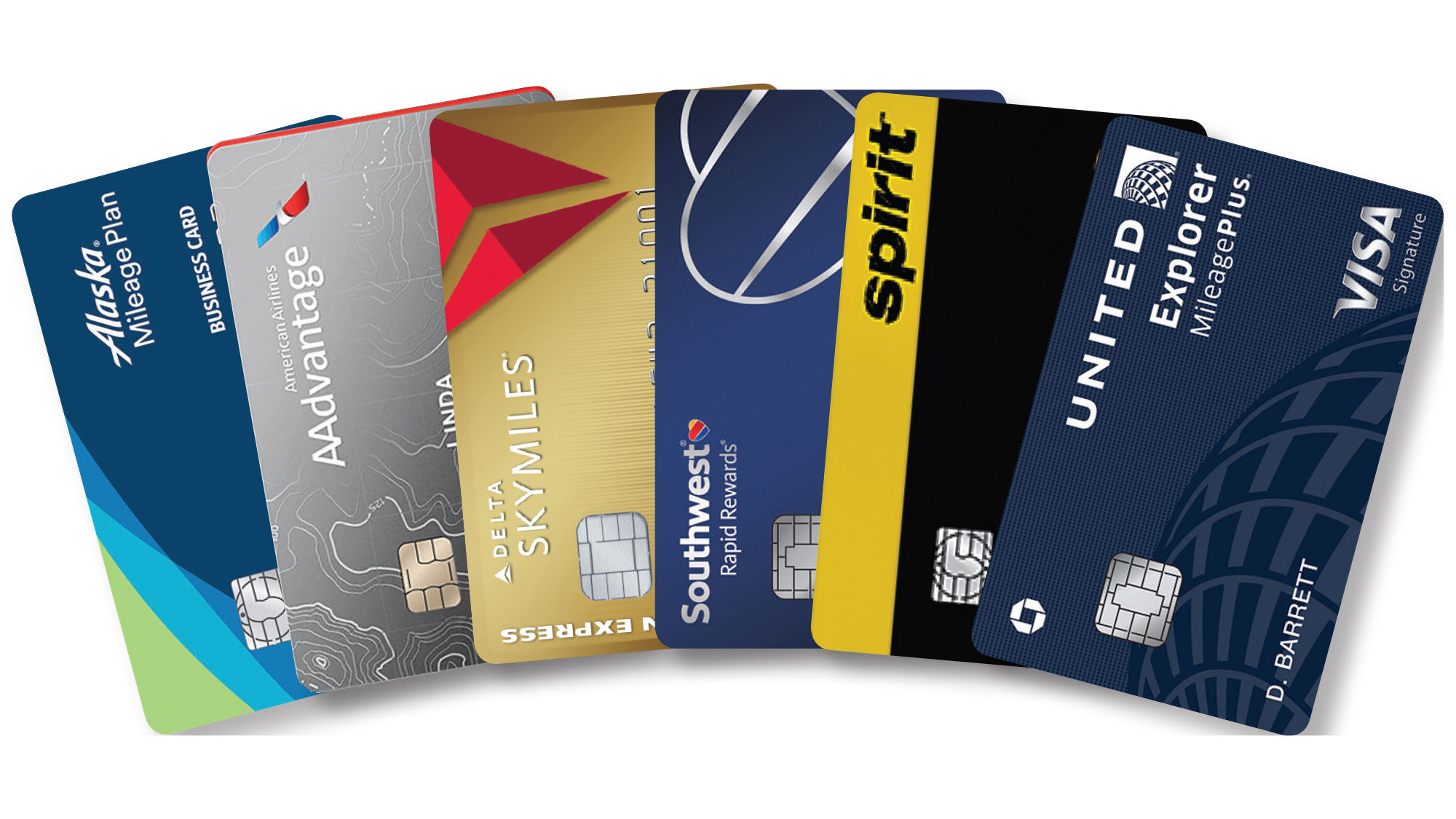
    Frequent travelers can extract tremendous value from the right airline co-brand credit card. Whether you’re loyal to American, United, Delta, or Alaska, or you prefer the flexibility of Chase, American Express, or Capital One, this guide breaks down the best options for earning miles, unlocking perks, and maximizing travel benefits in 2025.

    How Frequent Travelers Should Choose an Airline Co-Brand Card

    • Fly mostly on one airline? A co-brand card delivers perks like free checked bags, priority boarding, and status boosts.
    • Fly across multiple airlines? Flexible cards like Chase Sapphire, Amex Platinum, or Capital One Venture X may be more valuable.
    • Chasing elite status? Choose a card that offers Loyalty Points, MQDs, MQMs, or PQPs.
    • Want lounge access? Premium co-brand and bank cards offer club access and luxury airport benefits.

    Complete Card Comparison: Co-Brand vs Flexible Travel Cards

    Card Annual Fee Key Perks Best For
    Citi® / AAdvantage® Platinum Select® $99 (often $0 first year) Free checked bag, preferred boarding, 2x AA miles Moderate AA flyers needing basic perks
    AAdvantage® Executive World Elite $595 Admirals Club access, elite-qualifying boosts High-frequency AA travelers & status seekers
    United℠ Explorer $95 (often $0 first year) Free checked bag, 2× United miles, two lounge passes Frequent United flyers wanting core benefits
    United Quest℠ $395 $200 travel credit, elite PQP boosts, 2 free bags United loyalists chasing status & credits
    Delta SkyMiles® Platinum $250 Free bag, companion certificate, MQD boosts Regular Delta flyers optimizing MQD/MQM earnings
    Delta SkyMiles® Reserve $550+ Sky Club access, upgrade priority, elite boosts Premium Delta travelers & elite chasers
    Alaska Airlines Visa Signature® $95 Companion Fare, free bags, priority boarding Alaska loyalists & West Coast travelers
    Alaska Atmos™ Summit Visa Infinite Premium fee Elite-earning boosts, premium credits Frequent Alaska travelers & partner airline flyers
    Chase Sapphire Reserve® $550–$795 $300 travel credit, lounge access, transfer partners Travelers wanting maximum flexibility
    American Express Platinum $695 Centurion lounge access, airline credits, luxury perks Premium travelers valuing lounges + hotel status
    Capital One Venture X $395 Easy earning, lounge access, travel credit Frequent travelers wanting simplicity + value

    Finding Your Perfect Card Match

    ➡ Loyal to One Airline

    Pick a co-brand card from that airline to unlock free bags, upgrades, priority boarding, and elite credits. These perks add hundreds of dollars in value per year.

    ➡ Fly Multiple Airlines

    Flexible cards like Chase Sapphire, Amex Gold/Platinum, or Venture X offer better long-term value. You can transfer points to various airline partners and aren’t locked into one carrier.

    ➡ Chasing Elite Status

    Choose cards with status accelerators such as PQPs (Premier Qualifying Points), MQDs (Medallion Qualifying Dollars), MQMs (Medallion Qualifying Miles), or Loyalty Points. These can dramatically shorten your path to elite status.

    ➡ Want Lounge Access

    Premium co-brand and bank cards offer high-value lounge memberships. Consider whether you want airline-specific clubs (Admirals Club, United Club, Sky Club) or broader access (Priority Pass, Centurion Lounges).

    Pro Tip: The best travel rewards strategy combines one airline co-brand card for perks + one flexible points card for everyday earning and maximum redemption value. This balance helps frequent travelers get the most out of flights, upgrades, and lounge access in 2025.

    Key Takeaways

    Your ideal credit card setup depends entirely on your travel patterns. If you’re committed to one airline and fly them frequently, their co-brand card will deliver immediate value through baggage fees saved, priority boarding, and potential upgrades.

    However, if you value flexibility or don’t have strong airline loyalty yet, start with a flexible travel card from Chase, Amex, or Capital One. These let you transfer points to multiple airline partners, giving you options for the best redemption values.

    The most sophisticated travelers often carry both types of cards, using co-brand cards for airline-specific benefits and flexible cards for everyday spending and point accumulation. This dual strategy maximizes both immediate perks and long-term point value.

  • Best Business Class Airlines 2025: Complete Long-Haul Comparison Guide

    Best Business Class Airlines 2025: Complete Long-Haul Comparison Guide


    Best Business Class Airlines 2025: Complete Long-Haul Comparison Guide | TravelXP.ai


    Best Business Class Airlines 2025: Long-Haul Flight Comparison

    Complete guide to premium cabin experiences across major international carriers

    Choosing the right business class for your long-haul journey can make the difference between arriving refreshed or exhausted. With airlines constantly upgrading their premium products, 2025 offers travelers exceptional choices across different aircraft types. This comprehensive guide compares the top business class offerings from 11 major airlines across their widebody fleets, helping you make the best decision for your next international adventure.

    🏆 Top Performers at a Glance

    Best Overall: Qatar Airways Qsuites | Best Suites Experience: Emirates | Best Service: Singapore Airlines | Best US Carrier: Delta One

    Premium Middle Eastern & Asian Carriers

    Qatar Airways Excellent

    Aircraft & Seat Configurations:

    Boeing 787-8/9

    Seat: 1-2-1 Qsuites
    Width: 21.5 inches
    Length: 79 inches (bed)
    Privacy: Exceptional with sliding doors

    Boeing 777-300ER

    Seat: 1-2-1 Qsuites
    Width: 21.5 inches
    Length: 79 inches (bed)
    Privacy: Excellent with suite doors

    Airbus A350-900/1000

    Seat: 1-2-1 Qsuites
    Width: 21.5 inches
    Length: 79 inches (bed)
    Privacy: Outstanding suite design

    Airbus A380

    Seat: 1-2-1 Layout
    Width: 22 inches
    Length: 80 inches (bed)
    Privacy: Good with high partitions

    ✅ Strengths

    • Revolutionary Qsuites with sliding doors
    • Quad configuration for families/groups
    • Consistent product across most aircraft
    • Excellent dining and beverage selection
    • Superior entertainment system

    ❌ Considerations

    • A380 has older seat configuration
    • Limited Qsuites availability on some routes
    • Can be noisy during meal service

    Emirates Excellent

    Aircraft & Seat Configurations:

    Boeing 777-300ER

    Seat: 2-3-2 Configuration
    Width: 20.5 inches
    Length: 78.7 inches (bed)
    Privacy: Good with high sides

    Airbus A380

    Seat: 1-2-1 Layout
    Width: 22 inches
    Length: 78.7 inches (bed)
    Privacy: Excellent in upper deck

    ✅ Strengths

    • Spacious A380 upper deck experience
    • Excellent shower spa on A380
    • Premium bar and lounge areas
    • High-quality amenities and service
    • Extensive entertainment system

    ❌ Considerations

    • 777 has less privacy (2-3-2 layout)
    • Middle seats can feel exposed
    • Limited aircraft variety

    Singapore Airlines Excellent

    Aircraft & Seat Configurations:

    Boeing 787-10

    Seat: 1-2-1 Configuration
    Width: 25 inches
    Length: 78 inches (bed)
    Privacy: Very good

    Boeing 777-300ER

    Seat: 1-2-1 Layout
    Width: 25 inches
    Length: 78 inches (bed)
    Privacy: Good with side storage

    Airbus A350-900

    Seat: 1-2-1 Configuration
    Width: 25 inches
    Length: 78 inches (bed)
    Privacy: Excellent

    Airbus A380

    Seat: 1-2-1 Layout
    Width: 25 inches
    Length: 78 inches (bed)
    Privacy: Outstanding in upper deck

    ✅ Strengths

    • Consistently wide seats (25 inches)
    • Legendary Singapore Girl service
    • Premium dining experience
    • Comfortable bedding and amenities
    • Excellent frequent flyer program

    ❌ Considerations

    • Older entertainment system on some aircraft
    • Limited storage space
    • Premium pricing

    US Legacy Carriers

    United Airlines (Polaris) Very Good

    Aircraft & Seat Configurations:

    Boeing 787-8/9/10

    Seat: 1-2-1 Polaris
    Width: 21 inches
    Length: 78 inches (bed)
    Privacy: Good with dividers

    Boeing 777-200/300ER

    Seat: 1-2-1 Polaris
    Width: 21 inches
    Length: 78 inches (bed)
    Privacy: Excellent

    ✅ Strengths

    • Fully flat beds with direct aisle access
    • Premium Polaris lounges
    • Consistent product across fleet
    • Good meal quality improvement
    • Extensive route network

    ❌ Considerations

    • Service inconsistency
    • Limited amenities compared to international carriers
    • Older entertainment system on some aircraft

    Delta Air Lines (Delta One) Very Good

    Aircraft & Seat Configurations:

    Airbus A350-900

    Seat: 1-2-1 Delta One Suite
    Width: 21 inches
    Length: 80.5 inches (bed)
    Privacy: Excellent with sliding doors

    Boeing 767-400ER

    Seat: 1-1-1 Layout
    Width: 20.5 inches
    Length: 74 inches (bed)
    Privacy: Outstanding

    ✅ Strengths

    • Delta One Suites with sliding doors
    • Excellent Sky Club lounges
    • Consistent high-quality service
    • Premium dining partnerships
    • Best US carrier for punctuality

    ❌ Considerations

    • Limited international route network
    • Older product on some 777s
    • Higher award redemption costs

    American Airlines Good

    Aircraft & Seat Configurations:

    Boeing 787-8/9

    Seat: 1-2-1 Configuration
    Width: 20.5 inches
    Length: 77 inches (bed)
    Privacy: Good

    Boeing 777-300ER

    Seat: 1-2-1 Flagship Suite
    Width: 21.1 inches
    Length: 77 inches (bed)
    Privacy: Very good with doors

    ✅ Strengths

    • New Flagship Suite product
    • Flagship lounges in key hubs
    • Extensive domestic connectivity
    • Partnership benefits with oneworld

    ❌ Considerations

    • Inconsistent service quality
    • Limited amenities
    • Older seats on some aircraft
    • Meal quality below international standards

    European Carriers

    Lufthansa Very Good

    Aircraft & Seat Configurations:

    Boeing 747-8

    Seat: 2-2-2 Configuration
    Width: 21 inches
    Length: 80 inches (bed)
    Privacy: Good upper deck

    Airbus A340-600

    Seat: 2-3-2 Layout
    Width: 20 inches
    Length: 79 inches (bed)
    Privacy: Limited

    Airbus A350-900

    Seat: 1-2-1 Configuration
    Width: 22 inches
    Length: 79 inches (bed)
    Privacy: Excellent

    ✅ Strengths

    • Premium 747-8 upper deck experience
    • Excellent European hub connectivity
    • Quality German engineering and service
    • Good frequent flyer program

    ❌ Considerations

    • Older A340 configurations
    • Limited privacy on some aircraft
    • Service can be formal/rigid

    KLM Good

    Aircraft & Seat Configurations:

    Boeing 787-9/10

    Seat: 1-2-1 Configuration
    Width: 20.5 inches
    Length: 77 inches (bed)
    Privacy: Good

    Boeing 777-300ER

    Seat: 2-3-2 Layout
    Width: 20.5 inches
    Length: 77 inches (bed)
    Privacy: Limited

    ✅ Strengths

    • Modern 787 configuration
    • Amsterdam hub efficiency
    • Good European connections
    • Comfortable bedding

    ❌ Considerations

    • Older 777 product lacks privacy
    • Limited amenities
    • Service inconsistency

    British Airways Good

    Aircraft & Seat Configurations:

    Boeing 787-9/10

    Seat: 1-2-1 Club Suite
    Width: 21 inches
    Length: 79 inches (bed)
    Privacy: Excellent with doors

    Boeing 777-300ER

    Seat: 2-4-2 Configuration
    Width: 20 inches
    Length

  • Top 10 Best Global Airports 2025: Where Travel Becomes an Experience

    Top 10 Best Global Airports 2025: Where Travel Becomes an Experience


    Top 10 Best Global Airports 2025: Where Travel Becomes an Experience

    Discover the world’s most spectacular airports that transform layovers into luxury experiences with premium lounges, world-class dining, and seamless connections

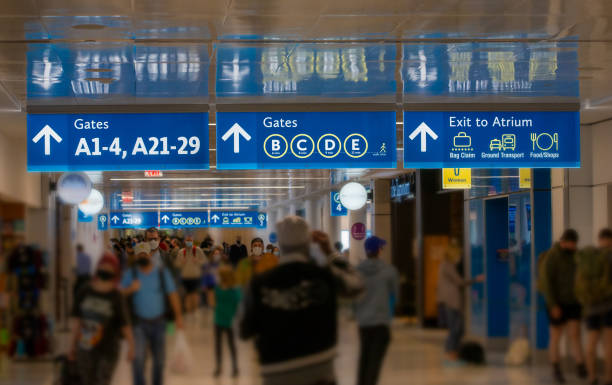
    Modern airport terminal with travelers

    Gone are the days when airports were merely transit points. Today’s best airports have evolved into destination experiences, offering world-class dining, luxury shopping, spa services, and entertainment that rival five-star resorts. Whether you’re a frequent business traveler or an adventure seeker, these top 10 airports will make you actually look forward to your layovers!
    1

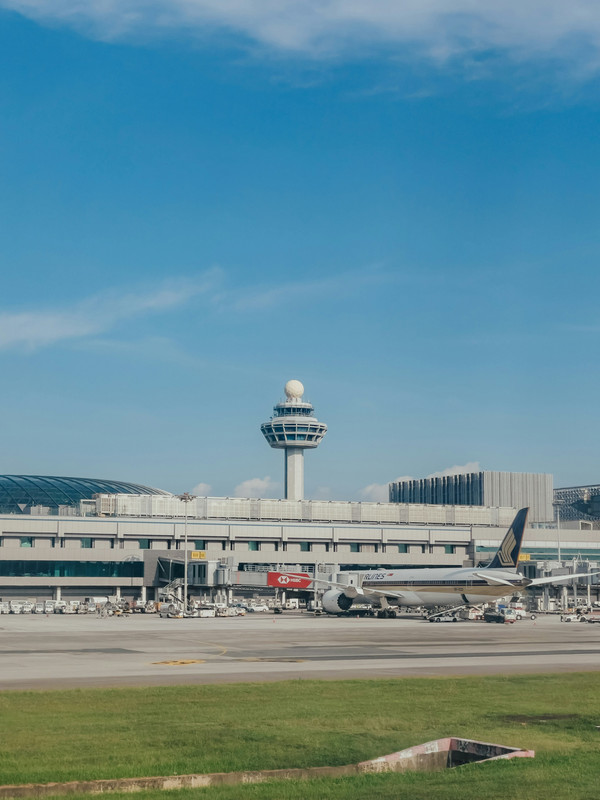
    Singapore Changi Airport (SIN) – Singapore

    Singapore Changi Airport interior with waterfall

    For the 13th time, Singapore Changi Airport has claimed the crown as the world’s best airport in 2025. This isn’t just an airport—it’s a tropical paradise suspended between destinations. With its breathtaking 40-meter Rain Vortex waterfall in Jewel Changi and over 600,000 plants creating indoor gardens, Changi redefines what an airport can be.

    🌟 Must-Experience Features:

    • Jewel Changi Airport with the world’s tallest indoor waterfall
    • Butterfly Garden with over 1,000 tropical butterflies
    • Rooftop swimming pool and movie theater
    • 24-hour spas and sleeping pods
    • Michelin-starred dining options
    • Free city tours for layovers over 5.5 hours

    ✈️ Major Airlines & Connections:

    Singapore Airlines (hub), Scoot, Jetstar Asia, plus connections to 400+ destinations worldwide including Emirates, Lufthansa, British Airways, and Qatar Airways.

    2

    Hamad International Airport (DOH) – Doha, Qatar

    Hamad International Airport modern terminal

    Qatar’s crown jewel took second place in 2025, showcasing Middle Eastern luxury at its finest. This architectural marvel combines cutting-edge design with unparalleled comfort, making it the perfect gateway between East and West.

    🌟 Must-Experience Features:

    • Al Mourjan Business Lounge – one of the world’s largest
    • Vitality Wellbeing & Fitness Centre with pool and spa
    • Art installations worth over $5 billion
    • Luxury hotel inside the airport
    • Fine dining by Gordon Ramsay and other celebrity chefs
    • Duty-free shopping across 40,000 square meters

    ✈️ Major Airlines & Connections:

    Qatar Airways (hub), connecting to 170+ destinations. Major partnerships with American Airlines, British Airways, and oneworld alliance members.

    3

    Tokyo Haneda Airport (HND) – Tokyo, Japan

    Tokyo Haneda Airport terminal

    Japan’s efficiency meets hospitality at Haneda, the airport that perfectly embodies “omotenashi” – the Japanese art of selfless service. Located just 30 minutes from downtown Tokyo, it’s a gateway to both tradition and innovation.

    🌟 Must-Experience Features:

    • Traditional Japanese gardens and cultural exhibitions
    • Edo-koji – a replica of historic Tokyo streets
    • Premium sushi restaurants and authentic ramen bars
    • Observation decks with stunning Tokyo Bay views
    • State-of-the-art technology and spotless facilities
    • 24/7 concierge services

    ✈️ Major Airlines & Connections:

    JAL (hub), ANA (hub), serving 90+ destinations. Major international carriers include Delta, American Airlines, Singapore Airlines, and Lufthansa.

    4

    Seoul Incheon International Airport (ICN) – Seoul, South Korea

    Seoul Incheon Airport modern design

    South Korea’s technological prowess shines at Incheon, where K-pop culture meets cutting-edge innovation. This award-winning airport offers a glimpse into Korea’s dynamic culture while providing world-class amenities.

    🌟 Must-Experience Features:

    • Korean Culture Museum and traditional performances
    • Ice skating rink and golf course
    • Jjimjilbang (Korean spa) with sleeping facilities
    • K-pop and Korean beauty product shopping
    • Temple and meditation areas
    • Free WiFi and charging stations throughout

    ✈️ Major Airlines & Connections:

    Korean Air (hub), Asiana Airlines (hub), connecting to 190+ destinations. Major partnerships with Delta, Air France-KLM, and SkyTeam alliance.

    5

    Dubai International Airport (DXB) – Dubai, UAE

    Dubai International Airport luxury terminal

    The epitome of luxury travel, Dubai International transforms every journey into an opulent experience. As one of the world’s busiest international airports, DXB proves that efficiency and extravagance can coexist beautifully.

    🌟 Must-Experience Features:

    • Emirates First Class Lounge with shower spas
    • Dubai Duty Free – the world’s largest airport retailer
    • Zen Gardens and sleep lounges
    • Michelin-starred dining and rooftop pools
    • Art galleries and luxury car displays
    • 24-hour concierge and personal shopping services

    ✈️ Major Airlines & Connections:

    Emirates (hub), flydubai (hub), connecting to 260+ destinations. Major carriers include British Airways, Lufthansa, Air France, and all major Middle Eastern airlines.

    6

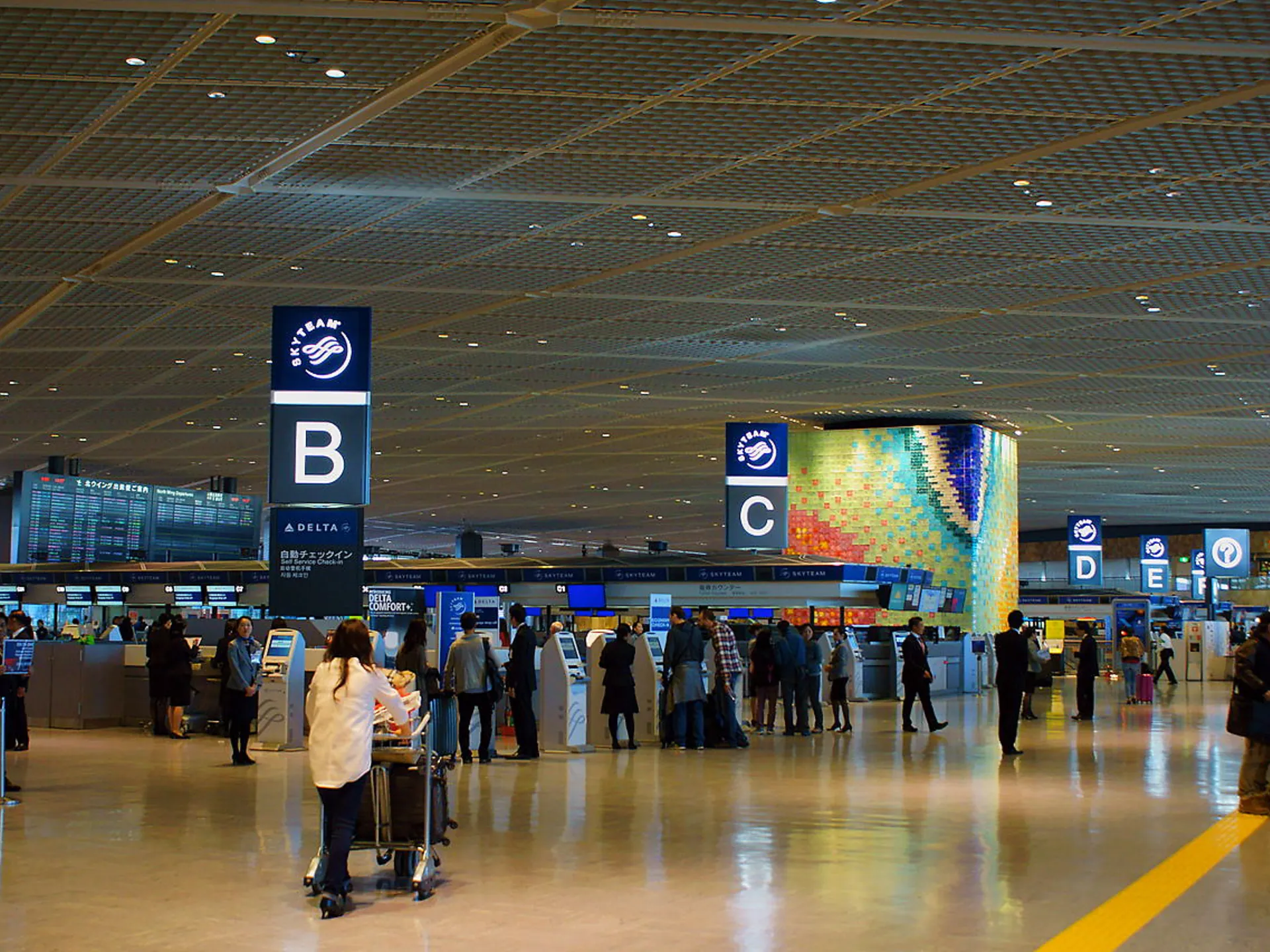
    Tokyo Narita International Airport (NRT) – Tokyo, Japan

    Tokyo Narita Airport terminal interior

    Japan’s international gateway combines traditional Japanese aesthetics with modern efficiency. Narita offers an authentic taste of Japanese culture before you even leave the airport, making it a destination in itself.

    🌟 Must-Experience Features:

    • Traditional Japanese restaurants and sake bars
    • Cultural exhibitions and tea ceremony experiences
    • Narita Express train connections to Tokyo
    • Duty-free shopping with exclusive Japanese products
    • Business lounges with tatami mat relaxation areas
    • Art installations and rotating cultural displays

    ✈️ Major Airlines & Connections:

    ANA (hub), JAL (secondary hub), connecting to 130+ destinations. Major international presence with United, Delta, Air France, British Airways, and Lufthansa.

    7

    Paris Charles de Gaulle Airport (CDG) – Paris, France

    Paris Charles de Gaulle Airport terminal

    Experience French elegance and savoir-vivre at Europe’s second-busiest airport. CDG perfectly captures Parisian sophistication, offering travelers a taste of French culture, cuisine, and luxury before they even reach the City of Light.

    🌟 Must-Experience Features:

    • Michelin-starred restaurants and French bistros
    • Luxury fashion boutiques and perfume houses
    • Art galleries and cultural exhibitions
    • Wine bars featuring French vintages
    • Spa services and relaxation lounges
    • High-speed train connections to Paris and Europe

    ✈️ Major Airlines & Connections:

    Air France (hub), serving 320+ destinations. SkyTeam alliance hub with partnerships including Delta, KLM, and major European carriers.

    8

    Munich Airport (MUC) – Munich, Germany

    Munich Airport modern terminal design

    Bavarian charm meets German efficiency at Munich Airport, consistently ranked among Europe’s best. With its blend of traditional architecture and modern amenities, MUC offers a uniquely German airport experience.

    🌟 Must-Experience Features:

    • Traditional Bavarian beer garden and restaurants
    • Christmas market during holiday season
    • Outdoor viewing areas and mini golf course
    • Premium shopping with German brands
    • Multiple airline lounges with Alpine views
    • Efficient connections throughout Europe

    ✈️ Major Airlines & Connections:

    Lufthansa (hub), serving 260+ destinations. Star Alliance hub with connections to United, Singapore Airlines, and major European carriers.

    9

    Zurich Airport (ZUR) – Zurich, Switzerland

    Zurich Airport clean modern interior

    Swiss precision and Alpine elegance define Zurich Airport’s experience. Known for its punctuality, cleanliness, and stunning mountain views, ZUR embodies everything travelers love about Switzerland.

    🌟 Must-Experience Features:

    • Panoramic terraces with Alps views
    • Swiss chocolate and watch boutiques
    • World-class business lounges
    • Efficient ground transportation to city center
    • Outdoor observation deck and play areas
    • Premium Swiss dining experiences

    ✈️ Major Airlines & Connections:

    Swiss International Air Lines (hub), serving 200+ destinations. Star Alliance connections with Lufthansa, United, and major European carriers.

    10

    London Heathrow Airport (LHR) – London, UK

    London Heathrow Airport terminal

    As Europe’s busiest airport, Heathrow combines British hospitality with global connectivity. Recent renovations have transformed it into a modern gateway that honors London’s rich history while embracing the future.

    🌟 Must-Experience Features:

    • Luxury lounges with British Airways First Class facilities
    • Harrods and luxury British brand shopping
    • Traditional British pubs and afternoon tea
    • Art installations and cultural exhibitions
    • Personal shopping and concierge services
    • Express train connections to central London

    ✈️ Major Airlines & Connections:

    British Airways (hub), Virgin Atlantic (hub), serving 350+ destinations. Major partnerships with American Airlines, Qatar Airways, and all major global carriers.

    What Makes These Airports Stand Out?

    These top 10 airports share several key characteristics that elevate them above the competition:

    🍽️ World-Class Dining

    From Michelin-starred restaurants to authentic local cuisine, these airports treat dining as an integral part of the travel experience. Whether you’re craving Japanese sushi at Haneda, French cuisine at CDG, or Middle Eastern delicacies at Hamad, you’ll find restaurant-quality meals that rival the best establishments in their respective cities.

    🛍️ Premium Shopping Experiences

    Gone are the days of overpriced airport convenience stores. These airports feature everything from luxury fashion boutiques and local artisan shops to duty-free megastores with exclusive products. Dubai’s duty-free alone spans over 90,000 square feet of retail paradise.

    🏨 Luxury Lounges and Amenities

    Business and first-class lounges at these airports rival five-star hotels, offering spa services, fine dining, sleeping facilities, and even swimming pools. Many also provide day-pass access for leisure travelers seeking comfort.

    🎨 Cultural Experiences

    These airports celebrate their local culture through art installations, museums, cultural performances, and architectural design. They serve as ambassadors for their countries, giving travelers a preview of what awaits beyond the terminal gates.

    🚀 Seamless Connectivity

    Efficient layouts, clear signage, and excellent public transport connections ensure smooth transfers and easy navigation. Many offer free WiFi, charging stations, and digital services that enhance the travel experience.

    Planning Your Airport Experience

    To make the most of these incredible airports, consider these travel tips:

    • Book Early Arrivals: Give yourself extra time to explore these airport destinations
    • Research Lounge Access: Many credit cards and airline programs offer lounge access
    • Download Airport Apps: Most airports have mobile apps with maps, dining, and shopping guides
    • Consider Layover Tours: Some airports offer free city tours for long layovers
    • Pack Light: Enjoy shopping and dining without worrying about luggage

    Ready to Transform Your Travel Experience?

    These top 10 airports prove that the journey can be just as exciting as the destination. Whether you’re a business traveler seeking efficiency and luxury or a leisure traveler looking for cultural experiences, these airports will exceed your expectations and make every trip memorable.

    From Singapore’s tropical paradise to Dubai’s opulent luxury, each airport offers a unique gateway to the world. So next time you’re planning a trip, consider routing through one of these spectacular airports – you might just find yourself hoping for a longer layover!

    Start Planning Your Airport Adventure

    Tags:

    Best Airports 2025
    Airport Lounges
    Travel Experience
    Luxury Travel
    Airport Restaurants
    Singapore Changi
    Dubai Airport
    Travel Tips
    Business Travel
    Airport Shopping


    The Value of Airline Co-Branded Credit Cards for U.S. Travelers

    📅 July 27, 2025
    ⏱️ 8 min read
    ✈️ Travel Finance

    Whether you’re a frequent flyer or an occasional vacationer, airline co-branded credit cards offer powerful benefits that can elevate your travel experience. From free checked bags to priority boarding and accelerated mileage earnings, these cards are more than just plastic—they’re tools for smarter, smoother, and more rewarding travel.

    What Is an Airline Co-Branded Credit Card?

    An airline co-branded credit card is a credit card issued in partnership between a bank (like Chase, American Express, or Citi) and an airline (such as Delta, United, or American). These cards are designed to help loyal customers earn rewards faster with that specific airline, while also enjoying perks during their travel journey.

    Why Are Airline Cards Valuable for Travelers?

    Key Benefits That Make These Cards Worth Considering:

    • Free Checked Bags: Many cards offer the first checked bag free for you and even companions on your itinerary
    • Priority Boarding: Board early to secure overhead space and settle in faster
    • Miles & Bonus Offers: Earn 2x–3x miles on purchases with the airline, and lucrative sign-up bonuses worth hundreds in travel
    • In-Flight Discounts: Save 20–25% on inflight purchases like snacks, drinks, and Wi-Fi
    • Travel Protections: Some cards include trip delay, baggage delay, and rental car insurance
    • Fast Track to Elite Status: Higher-tier cards sometimes offer elite-qualifying miles or spend-based paths to status

    Best Co-Branded Airline Credit Cards by U.S. Airline

    1
    Delta Air Lines – Delta SkyMiles® Gold American Express Card

    Annual Fee:
    $0 intro for the first year, then $150
    Key Perks:
    First checked bag free, priority boarding, 2x miles on Delta and restaurants
    Welcome Bonus:
    Often ranges from 40,000–70,000 miles after qualifying spend
    Ideal For:
    Casual to frequent Delta flyers who want value without premium fees

    2
    United Airlines – United℠ Explorer Card

    Annual Fee:
    $0 intro for the first year, then $95
    Key Perks:
    Free first bag, priority boarding, 2 United Club passes annually, 2x miles on United, hotels, and dining
    Welcome Bonus:
    Typically 50,000–70,000 miles after meeting spend requirements
    Ideal For:
    Travelers who fly United at least 1–2 times a year and want lounge access once in a while

    3
    American Airlines – AAdvantage® Aviator® Red World Elite Mastercard®

    Annual Fee:
    $99
    Key Perks:
    First bag checked free, preferred boarding, 25% off inflight purchases, earn 2x miles on American Airlines
    Welcome Bonus:
    Often 60,000+ miles after your first purchase and paying the annual fee
    Ideal For:
    Travelers who want a quick sign-up bonus with minimal initial spend

    4
    Southwest Airlines – Southwest Rapid Rewards® Priority Credit Card

    Annual Fee:
    $149
    Key Perks:
    7,500 points every card anniversary, $75 Southwest travel credit, 4 upgraded boardings per year
    Welcome Bonus:
    Usually 50,000–75,000 points after qualifying spend
    Ideal For:
    Loyal Southwest flyers who want value and perks like upgraded boarding

    5
    JetBlue Airways – JetBlue Plus Card

    Annual Fee:
    $99
    Key Perks:
    6x points on JetBlue purchases, first bag free, 5,000-point anniversary bonus, 10% point redemption rebate
    Welcome Bonus:
    Often 40,000–60,000 points after qualifying spend
    Ideal For:
    East Coast and Caribbean travelers who fly JetBlue often and love TrueBlue perks

    6
    Alaska Airlines – Alaska Airlines Visa® Credit Card

    Annual Fee:
    $95
    Key Perks:
    Famous Companion Fare, free checked bag, 3x miles on Alaska purchases
    Welcome Bonus:
    Typically 60,000+ miles and a Companion Fare after meeting spend
    Ideal For:
    West Coast travelers and those flying to Hawaii, Mexico, or international with Alaska’s partners

    Tips for Choosing the Right Airline Card

    • Stick to Your Airline: Only get an airline card if you fly that airline (or its partners) regularly
    • Evaluate the Perks: Make sure you’ll use the benefits (like checked bags or upgrades) enough to justify the fee
    • Check for Partner Benefits: Cards like Delta and American offer value on SkyTeam and Oneworld airlines respectively
    • Combine With General Travel Cards: Pair your airline card with a flexible points card like the Chase Sapphire Preferred® or Amex Gold for broader redemption options

    Are Airline Cards Worth It?

    For most travelers who fly a few times a year with one airline, co-branded cards easily pay for themselves through free bags and priority boarding alone. Frequent flyers can maximize elite benefits, companion tickets, and bonus miles to unlock even greater value.

    If you’re loyal to a carrier, having their credit card is one of the easiest ways to save money, earn faster rewards, and enjoy a smoother flying experience every time you board. Read our other blogs “Best Travel Credit Cards 2025”

    Disclaimer: Terms and sign-up offers mentioned are current as of July 2025 and may vary. Always verify details on the issuer’s official website before applying.

  • How to Choose the Best Airline for Business Class: A Smart Traveler’s Guide

    How to Choose the Best Airline for Business Class: A Smart Traveler’s Guide

    How to Choose the Best Airline for Business Class

    A Smart Traveler’s Guide

    Flying business class isn’t just about extra legroom or a glass of champagne—it’s a complete experience that can impact your productivity, comfort, and peace of mind. But with so many options out there, how do you decide which airline is truly the best fit for your next trip?

    Whether you’re flying for a crucial business meeting, a luxury getaway, or a long-haul connection, there are five key factors to consider when choosing the best airline for your business class flight: price, total travel time, airline safety, service and onboard experience, and your destination city or region.

    In this guide, we’ll walk you through each factor so you can make a confident and informed choice.

    1Price: Business Class on a Budget?

    Price is usually the first thing travelers compare—but when it comes to business class, it’s about value, not just the sticker price.

    What to look for:

    • Is it a true lie-flat seat? Some “business class” seats on short-haul flights are just wider recliners.
    • What’s included in the fare? Consider baggage allowance, lounge access, Wi-Fi, and dining.
    • Are there deals through points or upgrades? Many airlines allow economy-to-business upgrades with miles or bidding systems.
    Tip: Use tools like Google Flights, SeatGuru, and ITA Matrix to compare business class fares across multiple airlines. Also, check airline websites directly for exclusive promos and bundle deals.
    Pro tip for price-conscious flyers: Middle Eastern and Asian carriers like Qatar Airways, Turkish Airlines, or Singapore Airlines often offer premium business class experiences at surprisingly competitive prices compared to U.S. and European carriers.

    2Total Travel Time: The Real Cost of Convenience

    When you’re flying business class, a slightly longer trip might seem tolerable, but if you’re flying for business or with limited vacation time, total travel time matters just as much as comfort.

    What to consider:

    • Nonstop vs. layover: A nonstop flight in a slightly lesser business product can be better than a 2-stop itinerary with a great seat.
    • Connection duration: Some premium airlines route through hubs with long layovers, while others are more direct.
    • Airport transfers: In some cities, connecting between terminals or airports adds extra time and hassle.
    Example: Flying from New York to Bangkok? Emirates and Qatar offer top-tier service but require a connection in Dubai or Doha. Japan Airlines might have a more efficient routing with a single stop in Tokyo.

    Bottom line: Weigh comfort versus convenience. If you can save 4+ hours by switching carriers (with only a minor drop in service), it may be worth it.

    3Airline Safety: Peace of Mind at 35,000 Feet

    Business class or not, airline safety should never be an afterthought. Fortunately, most international carriers meet strict safety standards—but some are known for exceptional records and operational excellence.

    What to check:

    • Safety rankings: Look at sites like AirlineRatings.com and IATA’s Operational Safety Audit (IOSA).
    • Country of origin: Carriers from countries with strong aviation regulations (e.g., U.S., EU, Japan, Singapore, Australia) typically meet higher standards.
    • Fleet age and maintenance reputation: Newer aircraft like the A350 or Boeing 787 often come with improved safety features and comfort.
    Top-rated safe airlines for business class include: Air New Zealand, Singapore Airlines, Qatar Airways, ANA (All Nippon Airways), and Emirates.

    4Service & Business Class Experience: Not All Lie-Flat Seats Are Equal

    Let’s talk luxury. A great business class seat is only part of the equation—the service, food, amenities, and overall vibe define the experience.

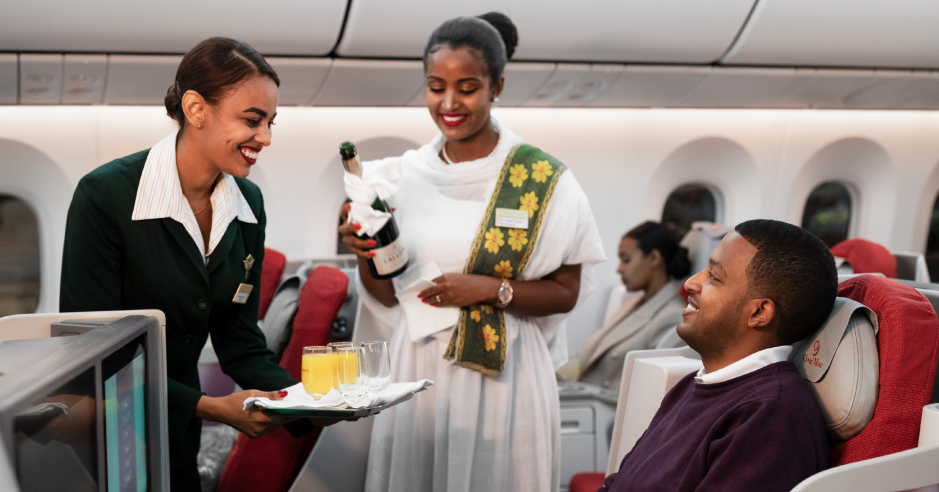
    Premium business class service experience

    What to compare:

    • Seat configuration: Is it 1-2-1 with direct aisle access, or a more cramped 2-2-2?
    • Amenity kits and bedding: Premium airlines often provide designer kits, plush duvets, and pajamas.
    • Dining: Is it a la carte, dine-on-demand, or just a reheated tray?
    • Lounges: Do they offer spa treatments, gourmet dining, or private suites?
    • Customer service and personalization: The best business class service anticipates your needs, not just responds to them.

    Top-tier business class experiences:

    • Qatar Airways Qsuite: Privacy doors, custom menus, and world-class service.
    • Singapore Airlines: Massive seats, exceptional hospitality, and champagne options.
    • ANA and JAL: Impeccable Japanese service, gourmet meals, and ultra-quiet cabins.
    • Air France La Première (select routes): A business-first hybrid that rivals many first-class products.

    Don’t overlook regional airlines: For example, JetBlue’s Mint and Aer Lingus’ business class punch well above their price range.

    5Destination-Based Airline Choice: Let Your Route Decide

    Not all airlines serve all destinations equally. Some regions have dominant carriers that offer the most direct, frequent, and comfortable service—especially in business class.

    Match your airline to your route:

    • Europe: Lufthansa, British Airways, and Air France offer extensive connectivity.
    • Asia: Singapore Airlines, Cathay Pacific, ANA, and Korean Air are standout choices.
    • Middle East: Qatar Airways, Emirates, and Etihad are known for their luxury.
    • U.S. Domestic or North America: Delta One, American Flagship, United Polaris, and Air Canada Signature Class.
    • South America: LATAM and Avianca are your best bets, with Azul offering surprise quality.
    • Africa: Ethiopian Airlines, Qatar, and Emirates are often the safest and most luxurious options with connections into the continent.
    Airport hubs matter: For example, flying Turkish Airlines through Istanbul gives you access to an ultra-modern lounge and efficient transfers to many global destinations.

    6Loyalty Program Value & Alliances

    Frequent flyers know that not all miles are created equal. The airline you choose can significantly impact your ability to earn elite status, lounge access, and future upgrades.

    What to ask:

    • Can I credit the flight to a loyalty program I already use?
    • Is the airline part of a global alliance (Star Alliance, SkyTeam, Oneworld)?
    • How valuable are the points or miles for redemptions?
    • Will this flight help me qualify for elite perks (e.g., priority boarding, free upgrades)?
    Example: If you’re a United Premier Gold member, you might prefer Star Alliance partners like Lufthansa or ANA to maximize benefits.

    7Departure and Arrival Airport Experience

    Your travel comfort starts well before you step on the plane—and ends well after you land.

    Consider:

    • Is the departure airport business traveler–friendly?
    • How good is the airline’s lounge at that airport?
    • Are there fast-track security or immigration options for business class?
    • How efficient is baggage handling and customs upon arrival?
    Example: Flying Emirates through Dubai or Singapore Airlines through Changi provides a seamless, high-end ground experience with showers, dining, and even spa access.
    Singapore Changi Airport Jewel Vortex - Premium airport experience

    8Cabin Configuration and Privacy

    Not all business class cabins are created equal—even on the same airline. Some aircraft offer staggered seats, while others have enclosed suites with doors.

    Things to research:

    • Does every seat have direct aisle access?
    • Is it a newer business class product (e.g., Qsuite, Delta One Suites)?
    • Is it a 1-2-1 or 2-2-2 layout?
    • How much privacy and space does the seat offer?
    Pro tip: Use SeatGuru or airline fleet comparison videos on YouTube to inspect exact aircraft seat maps before booking.

    9In-Flight Connectivity and Tech

    If you’re flying for work or need to stay connected, the Wi-Fi reliability and onboard tech matter.

    Key points:

    • Does the airline offer high-speed internet? Is it free or reasonably priced?
    • Are there power outlets and USB ports at every seat?
    • How good is the in-flight entertainment (IFE) selection?
    • Can you work comfortably on a laptop?
    Example: JetBlue’s Mint and Delta One are known for reliable in-flight Wi-Fi and tech-friendly cabins.

    10Meal Timing and Flexibility

    On longer flights, when you eat can be as important as what you eat—especially if you’re trying to beat jet lag or arrive ready for a meeting.

    Look for:

    • Dine-on-demand options instead of fixed meal times
    • Customizable menus (vegan, gluten-free, etc.)
    • Light meal/snack availability between main services
    Example: Qatar Airways and Singapore Airlines offer a full dine-anytime menu in business class, which helps you control your sleep and work schedule better.
    Business class dining experience

    11Availability of Stopover Programs

    Some airlines offer free or discounted stopovers in their hub cities, letting you turn a long journey into a mini vacation.

    Perks to check:

    • Complimentary hotel stays or city tours during long layovers
    • No extra cost for stopovers
    • Options for extended stays in cities like Istanbul, Doha, or Singapore
    Example: Turkish Airlines offers free hotel stays on long layovers in Istanbul for business class passengers.

    Summary: Business Class Airline Comparison Checklist

    The best business class experience is beyond just the seat, it’s a blend of comfort, convenience, consistency, and reward. To recap, here’s a complete list of all 11 key factors you should consider:

    Factor Questions to Ask Yourself
    Price Is it lie-flat? Are there upgrades or loyalty benefits?
    Travel Time Is it nonstop? Are layovers long or complex?
    Safety Does the airline have a strong safety record and modern fleet?
    Service & Experience How are the seats, meals, lounges, and service rated?
    Destination Fit Does the airline offer the best routing or hub for your final destination?
    Loyalty Program & Alliances Can you earn or redeem miles with your preferred frequent flyer program or alliance?
    Airport Experience Are the departure and arrival airports smooth, efficient, and equipped with good lounges?
    Seat Layout & Privacy Is the configuration 1-2-1 or better? Do seats offer privacy doors or direct aisle access?
    Wi-Fi & In-Flight Tech Is there high-speed internet? Are there power ports, USBs, and a strong entertainment system?
    Meal Timing & Flexibility Are meals dine-on-demand? Are menus customizable for dietary needs and timing preferences?
    Stopover Perks Can you add a city tour or hotel stay during a layover without added cost?

    Conclusion

    Choosing the right airline for business class isn’t just about luxury—it’s about making your trip smoother, smarter, and more enjoyable from takeoff to touchdown. By weighing different factors such as price, time, safety, experience, and many more, you’ll fly not only in style, but with peace of mind.

    So next time you’re booking that business class ticket, don’t just default to the cheapest option—choose the airline that aligns with your priorities and transforms your journey into something extraordinary.

    By thinking holistically and aligning your airline choice with your travel goals—whether that’s rest, productivity, perks, or sustainability—you’ll make every mile flown in business class count.

  • Top 20 Busiest Airports in the World: Traffic, Lounges, Food & Layovers

    Top 20 Busiest Airports in the World: Traffic, Lounges, Food & Layovers

    Top 20 Busiest Airports in the World

    Traffic, Lounges, Food & Layovers

    In a globally connected world, airports are more than transit points—they’re destinations in themselves. Whether you’re a frequent flyer or planning a long layover, knowing what the busiest airports offer can make your journey smoother and more enjoyable.

    From ultra-luxurious lounges in Dubai and Singapore to family-friendly play zones in Amsterdam and Tokyo, each airport has its own strengths. This comprehensive guide ranks the top 20 busiest airports worldwide by annual passenger traffic and reviews them for the ultimate traveler experience.

    Busy airport terminal with travelers

    1The World’s Busiest Airports (2024 Rankings)

    Hartsfield–Jackson Atlanta International Airport (ATL), USA
    Annual Passengers:
    ~104 million

    Known For:
    World’s busiest airport; Delta Airlines’ main hub

    Highlights: Efficient layout for connections, extensive fast food & lounge options, kids’ play zones in Concourses A & B, underground train system connecting all terminals.

    Dubai International Airport (DXB), UAE
    Annual Passengers:
    ~89 million

    Known For:
    Emirates Airlines’ hub; top for international traffic

    Highlights: Luxurious lounges, 24/7 duty-free shopping, multilingual signage, Zen Gardens for relaxation, premium spa services.

    Dallas/Fort Worth International Airport (DFW), USA
    Annual Passengers:
    ~81 million

    Known For:
    American Airlines’ main hub

    Highlights: Skylink for fast terminal transfers, yoga studio, Minute Suites for rest, solid kid-friendly dining options.

    London Heathrow Airport (LHR), UK
    Annual Passengers:
    ~78 million

    Known For:
    British Airways’ main hub

    Highlights: Award-winning lounges (BA and Virgin), Gordon Ramsay restaurants, children’s zones, well-signed terminals, extensive shopping.

    Tokyo Haneda Airport (HND), Japan
    Annual Passengers:
    ~77 million

    Known For:
    Japan’s busiest domestic and international hub

    Highlights: Exceptionally clean facilities, bilingual signage, themed stores, premium lounges, nursing rooms and indoor playgrounds.

    Los Angeles International Airport (LAX), USA
    Annual Passengers:
    ~76 million

    Known For:
    Major West Coast international hub

    Highlights: Recently renovated terminals, wide food selection, American Express Centurion Lounge, celebrity spotting opportunities.

    Denver International Airport (DEN), USA
    Annual Passengers:
    ~74 million

    Known For:
    United Airlines hub with unique tented roof

    Highlights: Easy navigation, underground train system, kid play areas, lots of local Colorado food outlets, art installations.

    Istanbul Airport (IST), Turkey
    Annual Passengers:
    ~73 million

    Known For:
    Turkish Airlines hub; largest terminal under one roof

    Highlights: Massive luxury lounges, high-end shopping, efficient immigration process, family rooms, free city tours on long layovers.

    Paris Charles de Gaulle Airport (CDG), France
    Annual Passengers:
    ~71 million

    Known For:
    Air France’s central hub

    Highlights: Art installations throughout terminals, quality French cuisine, decent lounges, luxury duty-free shopping.

    Frankfurt Airport (FRA), Germany
    Annual Passengers:
    ~69 million

    Known For:
    Lufthansa’s global hub

    Highlights: Excellent multilingual signage, premium lounges, authentic beer gardens, kids’ corners, efficient rail connections to city center.

    Singapore Changi Airport (SIN), Singapore
    Annual Passengers:
    ~68 million

    Known For:
    Widely regarded as the world’s best airport

    Highlights: Butterfly garden, cinema, rooftop pool, endless food courts, free foot massages, Jewel’s stunning waterfall, transit hotels.

    Incheon International Airport (ICN), South Korea
    Annual Passengers:
    ~67 million

    Known For:
    Asiana and Korean Air hub

    Highlights: Transit hotels, luxury spas, traditional cultural shows, world-class lounges, extensive kids’ play areas.

    Amsterdam Schiphol Airport (AMS), Netherlands
    Annual Passengers:
    ~66 million

    Known For:
    KLM hub with innovative one-terminal design

    Highlights: Easy navigation, airport library, indoor park, kids’ play zones, casino, extensive Dutch food options.

    Guangzhou Baiyun International Airport (CAN), China
    Annual Passengers:
    ~64 million

    Known For:
    Southern China’s primary gateway

    Highlights: Well-connected for international layovers, improving lounge network, solid food courts, expanding family zones.

    New Delhi Indira Gandhi International Airport (DEL), India
    Annual Passengers:
    ~63 million

    Known For:
    India’s busiest international airport

    Highlights: Clean modern terminals, excellent premium lounges, diverse authentic Indian food options, dedicated play areas in Terminal 3.

    Jakarta Soekarno-Hatta Airport (CGK), Indonesia
    Annual Passengers:
    ~62 million

    Known For:
    Garuda Indonesia’s main base

    Highlights: Significantly improved international terminals, authentic Indonesian cuisine spots, growing amenities for families.

    Beijing Capital International Airport (PEK), China
    Annual Passengers:
    ~61 million

    Known For:
    Air China’s primary hub

    Highlights: Massive terminal complex, improving transit options, growing food & lounge quality, historical Chinese design elements.

    Shanghai Pudong International Airport (PVG), China
    Annual Passengers:
    ~60 million

    Known For:
    China Eastern Airlines hub

    Highlights: Famous Maglev train connection, bilingual signage, expanding lounge network, dedicated family zones available.

    Madrid Barajas Airport (MAD), Spain
    Annual Passengers:
    ~58 million

    Known For:
    Iberia hub and Latin America gateway

    Highlights: Bright modern design, excellent Spanish tapas bars, lounges with shower facilities, kids’ areas in Terminal 4.

    Mexico City International Airport (MEX), Mexico
    Annual Passengers:
    ~57 million

    Known For:
    Aeromexico’s primary base

    Highlights: Authentic Mexican food stalls, decent lounge options, vibrant cultural displays, though can be crowded during peak times.

    Singapore Changi Airport Jewel Vortex

    2What Makes These Airports Special?

    These airports don’t just rank high in volume—they represent global travel at its finest. Each facility offers unique amenities that cater to different traveler needs, from business efficiency to family comfort and luxury experiences.

    Pro tip for layover planning: Singapore Changi and Incheon consistently rank as the best airports for long layovers, offering everything from free city tours to sleeping pods and entertainment facilities.
    Planning tip: Check terminal maps and lounge access requirements ahead of time. Many of these airports offer day passes to lounges, which can transform a long layover into a comfortable, productive experience.

    Conclusion: Choose Your Hub Wisely

    Whether you’re booking flights based on convenience, comfort, or connection opportunities, these 20 airports represent the pinnacle of global aviation infrastructure. From ultra-luxurious experiences in the Middle East and Asia to efficient transit hubs in Europe and North America, each offers distinct advantages for different types of travelers.

    Next time you’re planning international travel, consider not just your final destination, but the journey itself. The right airport choice can turn a necessary layover into a highlight of your trip—complete with gourmet dining, spa treatments, cultural experiences, and world-class lounges.

    Remember: the best airport isn’t always the busiest one, but rather the one that best serves your specific travel needs and preferences.