Category: Credit Cards & Loyalty

Travel credit cards, loyalty programs, and rewards optimization

  • Spirit Airlines Is Gone — Here’s How to Get Your Money Back

    Spirit Airlines Is Gone — Here’s How to Get Your Money Back


    ✈️ Travel News & Credit Cards

    ✈️

    Spirit Airlines · 1983 – 2026
    America’s pioneer ultra-low-cost carrier has shut down for good

    BREAKING · May 2, 2026

    🚨
    Spirit Airlines has permanently ceased operations as of 3:00 AM ET, May 2, 2026.

    All flights have been canceled. Customer service is no longer available. Do not go to the airport. This guide will walk you through your best options to get your money back — especially if you paid by credit card.

    1.8M
    Seats booked May 2–31 alone
    ~9,000
    Flights canceled this month
    17,000
    Employees affected
    72
    US airports Spirit served

    If you woke up this morning with a Spirit Airlines booking on your calendar, you’re probably feeling a mix of shock, frustration, and anxiety. The bright yellow planes that carried budget travelers across the US, Caribbean, and Latin America have made their final descent. Spirit Airlines — America’s eighth-largest carrier and the pioneer of the ultra-low-cost fare model — permanently shut down all operations on May 2, 2026, after failing to secure a last-minute rescue deal with the Trump administration.

    But here’s what we want you to hear first: if you paid with a credit card, you are almost certainly going to get your money back. This guide exists to help you understand exactly how that works, what steps to take, and how to work with the largest credit card issuers in the US to recover your funds — and get peace of mind, even as you plan your next booking on another airline.


    💳
    Not sure which travel credit card gives you the best protection?
    TravelDiari’s Card Matcher shows your wallet’s hidden perks, gaps, and the best next card — free.

    What Happened to Spirit Airlines?

    Spirit’s collapse has been years in the making. The airline lost nearly $5.9 billion between 2020 and 2025, having never fully recovered from the pandemic. A planned merger with JetBlue was blocked by the Biden administration in early 2024, and Spirit filed for Chapter 11 bankruptcy protection in November of that year. A second bankruptcy filing followed in August 2025, with the airline announcing a restructuring deal in February 2026 to shed debt and continue flying through the summer.

    Three days after that deal was announced, the war in Iran began — choking off roughly 20% of the world’s oil supply and sending jet fuel prices soaring. For a carrier whose business model depended on razor-thin margins, the shock was fatal. Spirit attempted an 11th-hour rescue package negotiation with Trump administration officials, but a key group of creditors rejected the terms. With no additional funding available, Spirit had no choice but to immediately wind down all operations.

    ⚠️
    Do Not Go to the Airport

    Transportation Secretary Sean Duffy was explicit: “If you have a flight scheduled with Spirit Airlines, don’t show up at the airport. There will be no one here to assist you.” All Spirit customer service has shut down. The path to your refund is through your credit card issuer or travel agent — not the airport.

    The Good News: Spirit Has a Refund Reserve Fund

    Here’s the piece of news that should immediately ease some of your anxiety. Before shutting down, Spirit announced that it will automatically process refunds for flights purchased directly through Spirit using a credit card or debit card. That money is being returned to your original form of payment.

    Secretary Duffy confirmed this directly: Spirit holds the money passengers paid for unflown tickets in reserve, and refunds will flow back to the original form of payment. Check your refund status at Spirit’s MyTrips page.

    Automatic Refunds for Credit & Debit Card Purchases via Spirit.com

    If you booked directly through Spirit Airlines’ website or app using a credit or debit card, Spirit has committed to automatically refunding you. Processing times may vary, but the funds should return to your original payment method. Check Spirit’s MyTrips page for status.

    However, “automatic” doesn’t always mean “instant.” Refunds can take several business days to weeks to appear. And if you booked through a third party, used travel credits, vouchers, or Free Spirit points, the situation is more complicated — which is exactly why your credit card is your backup safety net.

    If You Paid by Credit Card: You Have Extra Protection

    Even if Spirit’s automatic refund doesn’t materialize as promised, or if you’re worried about delays, your credit card gives you a powerful additional layer of protection. This is one of the most underappreciated benefits of paying for travel with a credit card — and it’s never more relevant than right now. If you want a full breakdown of what your card actually covers, our 2026 guide to travel credit card benefits is a great place to start.

    The legal foundation for this protection is the Fair Credit Billing Act (FCBA), a US federal law that requires banks to remove a charge when a supplier fails to deliver the product or service paid for. In Spirit’s case: you paid for a flight, that flight will never happen, and therefore the charge is disputable.

    When you file a dispute (also called a chargeback) with your credit card issuer, your bank initiates a reversal of the charge on your behalf. In cases of airline bankruptcy, this process has a strong historical track record. When Primera Air collapsed in 2018, when WOW Air shut down in 2019, and across dozens of other airline failures, credit card chargebacks successfully returned millions of dollars to stranded passengers.

    💡
    Expert Tip: Don’t Cancel Your Spirit Ticket First

    Travel expert Julian Kheel, founder of Points Path, advises: “Canceling your ticket now without a promise of a refund will eliminate all protections. Instead, hang on to your ticket and file a chargeback with your bank.” Keep your booking confirmation and payment receipts — these are your evidence.

    How to File a Chargeback — Step by Step

    Filing a chargeback is simpler than it sounds. Here’s the general process that applies across all major US credit card issuers:

    1
    Gather Your Evidence First

    Collect your Spirit booking confirmation email, your credit card statement showing the charge, any communication from Spirit about cancellations, and the date and amount of your original purchase. Screenshot the Spirit.com shutdown notice as additional documentation.

    2
    Log In to Your Credit Card Account

    Most major issuers have an online dispute tool under “Transactions” or “Account Services.” Look for “Dispute a Charge” or “Report a Problem.” You can also call the number on the back of your card to initiate by phone — sometimes faster for complex situations.

    3
    Select the Right Dispute Reason

    Choose “Services Not Rendered” or “Never Received What Was Paid For.” When asked about merchant contact, select “Merchant Was Out of Business” or “Other” and note that Spirit has permanently shut down with customer service unavailable. Do not select fraud — this is a service dispute.

    4
    Dispute the Full Ticket Amount

    Include the full price you paid for the unused flight(s). If you already flew one leg of a round trip, only dispute the value of the unused portion. Attach your evidence when prompted.

    5
    Receive a Provisional Credit & Wait

    Most issuers will apply a provisional (temporary) credit to your account within a few days while they investigate. The full resolution can take 30–90 days. In clear-cut airline bankruptcy cases, many chargebacks resolve quickly — sometimes within days.

    ⏱️
    The 60-Day Rule — And Why It’s Not Absolute

    The FCBA technically gives you 60 days from the original charge to file a dispute. However, many issuers apply flexibility in airline bankruptcy cases, using the scheduled flight date (not purchase date) as the starting point for the window. If your flight was months away, you likely still have time. File as soon as possible regardless — don’t wait.

    Guide for Every Major US Credit Card Issuer

    The chargeback process varies slightly by issuer. Here’s a detailed breakdown for the largest credit card companies in the United States:

    Issuer How to File What to Expect
    Chase

    Consumer Friendly

    chase.com → Account → “Dispute a transaction” or call 1-800-432-3117. Also available in the Chase app under the transaction. Chase representatives are known to be helpful with service dispute chargebacks. Note: Chase’s travel insurance does not cover airline insolvency — go directly to the chargeback route, not travel insurance. File within 60 days of the charge or flight date.
    Platinum, Gold, Green, Blue Cash, Delta, Hilton

    Strong Track Record

    americanexpress.com → Card Activity → select charge → “Dispute Charge.” Or call 1-800-528-4800. The Amex app also has a built-in dispute flow. American Express has historically been the most consumer-friendly issuer for dispute resolution. Cases are often resolved quickly with a provisional credit applied promptly. A key reason to use Amex for travel purchases.
    Citi
    Strata Premier, Double Cash, AAdvantage, Costco

    Solid Option

    citibank.com → Accounts → select charge → “Dispute” or call 1-800-950-5114. The Citi app supports dispute filing as well. Citi has a strong track record for straightforward service disputes. Clearly state the airline is permanently out of business. Cite the Fair Credit Billing Act to support your case if needed.
    Capital One
    Venture X, Venture, Quicksilver, Savor

    Online Friendly

    capitalone.com → Accounts → select transaction → “Dispute this transaction” or call 1-800-227-4825. The Capital One app has a clean dispute flow. Capital One’s online chargeback process is well-organized. Select “service” when asked about the purchase type and “merchant out of business” as the reason. Provisional credits typically applied quickly.
    Bank of America
    Travel Rewards, Premium Rewards, Cash Rewards

    Persist If Needed

    bankofamerica.com → Account Details → select transaction → “Dispute this transaction” or call 1-800-432-1000. BofA has been known to initially cite the 60-day time limit as grounds for rejection. If this happens, escalate to a supervisor and reference the Fair Credit Billing Act, noting that the flight date (not purchase date) is the relevant window. Persistence pays off.
    Wells Fargo
    Autograph, Active Cash, Bilt (via Wells Fargo)

    Phone Recommended

    wellsfargo.com → Account Activity → select charge → “Dispute Transaction,” or call 1-800-390-0533. Phone disputes often move faster for travel-related cases. File as “services not rendered” and have your booking confirmation ready. Clearly explain that Spirit Airlines permanently ceased operations on May 2, 2026. A provisional credit is typically applied during the investigation period.
    Discover
    it Card, it Miles, it Cash Back

    24/7 US-Based Support

    discover.com → Account Center → Transactions → “Dispute” or call 1-800-347-2683 (24/7 US-based). Discover is known for fast, helpful service. Discover’s US-based customer service is consistently highly rated. For a clear airline shutdown case like Spirit, representatives are typically straightforward to work with. Select “service not provided” and reference the shutdown date.

    What If You Used Vouchers, Credits, or Free Spirit Points?

    This is where the picture becomes more complicated. Spirit has stated that compensation for bookings made with vouchers, travel credits, or Free Spirit loyalty points “will be determined at a later date through the bankruptcy court process.” Free Spirit points are no longer redeemable and cannot be transferred to another program.

    ⚠️
    Free Spirit Points Are Effectively Lost (For Now)

    Aviation travel expert Henry Harteveldt of Atmosphere Research Group has noted that the odds of receiving compensation for loyalty point reservations are “slim to none” through the bankruptcy process. If you used a mix of cash and points, the cash portion may still be recoverable via chargeback. The points portion, unfortunately, is likely a write-off in the near term.

    If you applied a travel voucher or credit to a booking that also had a cash component, contact your credit card issuer and dispute the cash amount you actually paid. Document the full booking value and explain that the service was not rendered due to Spirit’s shutdown.

    For pure voucher or points bookings, you can register as a creditor in Spirit’s bankruptcy proceedings — though the practical likelihood of meaningful recovery from that route is low. Your best move is to absorb the loss on points and focus on rebooking efficiently on another carrier.

    Rebooking: Other Airlines Are Stepping Up

    Even as you pursue your refund, you’ll need to rebook your travel. The good news is that major US carriers responded quickly to Spirit’s shutdown with discounted fares specifically for affected passengers. When you choose your new carrier, it’s also worth considering which airline loyalty program offers the best value in 2026 — Spirit’s closure is a good reminder to build points with a carrier that’s built to last.

    ✈️ United
    United Airlines
    Launched a dedicated webpage with capped fares for Spirit customers. Rebooked 14,000 Spirit flyers in the first 12 hours. Provide your Spirit confirmation number at booking.

    ✈️ Delta
    Delta Air Lines
    Offering reduced “rescue fares” in markets Spirit served, with a focus on near-term travel needs. Check delta.com for availability on your route.

    ✈️ Southwest
    Southwest Airlines
    Participating in the DOT-coordinated reduced fare program. Access discounted fares with a Spirit confirmation number.

    ✈️ JetBlue
    JetBlue Airways
    Offering $200 one-way capped fares for Spirit passengers who can show a Spirit confirmation and proof of purchase.

    ✈️ American
    American Airlines
    Serving 70 of the 72 airports Spirit flew from. Reviewing capacity additions and larger aircraft on popular Spirit routes.

    ✈️ Frontier
    Frontier Airlines
    Spirit’s closest ultra-low-cost competitor. Stated it is “ready to support customers” with low-fare options on many of Spirit’s former routes.

    💡
    DOT Coordination: Fares Are Being Capped

    The US Department of Transportation coordinated with airlines to offer capped rescue fares. To access these, you’ll need to provide “at a minimum a Spirit flight confirmation number and proof of payment.” Some airlines will also continue offering reduced fares on former high-volume Spirit routes for all passengers — not just Spirit ticket holders.

    What to Do Right Now — Your Checklist

    Here’s your immediate action plan, in priority order:

    1
    Do NOT go to the airport

    There is no Spirit customer service available. Going to the airport will not help you and may cost you additional time and money.

    2
    Locate your booking confirmation

    Find your Spirit booking confirmation email and the credit card statement showing the charge. Save these — they are your evidence for the chargeback.

    3
    Check Spirit’s MyTrips page for automatic refund status

    If you booked directly with a credit/debit card on Spirit.com, check for a pending refund. This may take several days to reflect.

    4
    File a chargeback with your credit card issuer

    Don’t wait weeks for an automatic refund that may not come. File the dispute now with your credit card company. It takes 10–15 minutes online. The sooner you file, the faster it processes.

    5
    Rebook your travel on another carrier

    Use the reduced rescue fares from United, Delta, Southwest, JetBlue, American, or Frontier. Have your Spirit confirmation number ready. Book with your credit card for continued protection. Not sure which card to use? TravelDiari’s Card Matcher shows you which card in your wallet earns the most on flights right now.

    6
    Check your travel insurance (if you have it)

    If you purchased separate travel insurance and your policy includes Scheduled Airline Failure Insurance (SAFI), file a claim with your insurer. Note: most credit card travel insurance does not cover airline insolvency, so the chargeback route is typically more reliable.

    Peace of Mind: The Bottom Line

    You Are Going to Be Okay

    Spirit’s closure is genuinely disruptive — especially for travelers with near-term flights or those who relied on Spirit’s budget fares for affordability. But if you paid with a credit card, you have real, legally-backed protections that have successfully recovered money for passengers in every major airline bankruptcy in recent history.

    Spirit has committed to automatic refunds for credit and debit card purchases made directly through Spirit. The US DOT has confirmed the reserve funds exist.
    The Fair Credit Billing Act gives you the right to dispute charges for services not rendered. File a chargeback with your issuer as a backup — it costs you nothing and strengthens your position.
    Major US airlines are offering capped rescue fares right now. United alone rebooked 14,000 Spirit flyers in 12 hours. Your travel plans can be salvaged.
    Going forward, always book flights with a credit card — not cash, not points alone, not debit — for exactly this kind of protection. Our complete guide to travel credit card benefits explains all the protections you may not know you already have.
    You will need to rebook on another airline — Spirit cannot do that for you. But with reduced fares available and your money likely on its way back, this is manageable.

    Find the Best Credit Card for Your Next Trip

    One of the smartest moves after this experience? Make sure your go-to travel card has strong purchase protection, trip interruption coverage, and a track record of supporting customers when things go wrong.

    Explore Travel Rewards Cards →

    Free forever plan available · No credit card required to compare


    Disclaimer: This article is for informational purposes only and does not constitute financial or legal advice. Chargeback outcomes vary by issuer, purchase date, and individual circumstances. Always contact your credit card issuer directly for guidance specific to your account. Information is accurate as of May 2, 2026, based on Spirit Airlines’ public announcements and statements from the US Department of Transportation. Spirit’s bankruptcy proceedings may alter some details over time.

  • Travel Credit Card Benefits Explained: Save Money on Every Trip (2026 Guide) | TravelDiari

    Travel Credit Card Benefits Explained: Save Money on Every Trip (2026 Guide) | TravelDiari

    Credit Cards & Loyalty Travel Tips Travel Guides

    Travel Credit Card Benefits Explained: The Complete Guide to Saving Money on Every Trip (2026)

    You applied for your travel credit card, got approved, and started earning points — but are you actually getting everything your card offers? Studies consistently show that cardholders leave hundreds, sometimes thousands, of dollars in unused benefits on the table every single year. From airport lounge access and airline fee credits to built-in travel insurance and complimentary hotel elite status, issuers pack their premium cards with perks that most people never fully activate.

    This guide is your definitive walkthrough of every major travel credit card benefit category — with real examples from Chase, American Express, Capital One, Citi, and others — so you know exactly what you have, how to use it, and how to stop paying for things your card already covers. And when you’re ready to turn those benefits into an actual trip, TravelDiari’s AI trip planner makes it effortless.

    $1,000+ Average unused annual card value
    68% Cardholders who never use lounge access
    $500–$1,500 Typical travel credits per premium card

    Why Understanding Your Benefits Matters

    Travel credit cards are unlike any other financial product: the annual fee is often intentionally designed to be offset by built-in perks. A card with a $550 annual fee that includes a $300 travel credit, lounge access worth $200+, and a $100 Global Entry credit effectively costs you $0–$50 if you use every benefit — and pays you if you travel even moderately.

    The challenge is that issuers don’t always make benefits obvious. They’re buried in terms and conditions, scattered across multiple portal sites, and require enrollment steps most cardholders never take. This guide changes that. We’ve broken every major benefit category down so you can audit your own card and start capturing value immediately.

    Not sure which card you should hold? Our Best Travel Rewards Credit Cards guide covers the top options for every travel style in 2026.

    Benefit Category 1: Airport Lounge Access

    Airport lounges transform travel days from stressful ordeals into something approaching comfortable. Free food, drinks, Wi-Fi, showers, quiet workspaces — and sometimes spa services — all without paying the $50–$100 walk-in fee per visit. If you fly six times a year and bring a guest, lounge access alone can deliver $600–$1,200 in annual value.

    The Major Lounge Networks

    • Priority Pass Select — The world’s largest independent lounge network with 1,500+ lounges globally. Included with many premium cards, sometimes with unlimited visits, sometimes capped.
    • Amex Centurion Lounges — Often ranked the best domestic U.S. lounges, with high-end food from local chefs. Exclusive to American Express cardholders.
    • Capital One Lounges — Newer but impressive lounges in Dallas, Denver, and Washington Dulles, open to Venture X cardholders.
    • Chase Sapphire Lounges — Now open in multiple airports including Boston, Hong Kong, and New York JFK, exclusive to Sapphire Reserve holders.
    • Airline Lounges (Delta Sky Club, United Club, Admirals Club) — Some co-branded airline cards include access to their carrier’s lounge network.

    Issuer Examples

    💳 American Express Platinum Card ($695/yr)

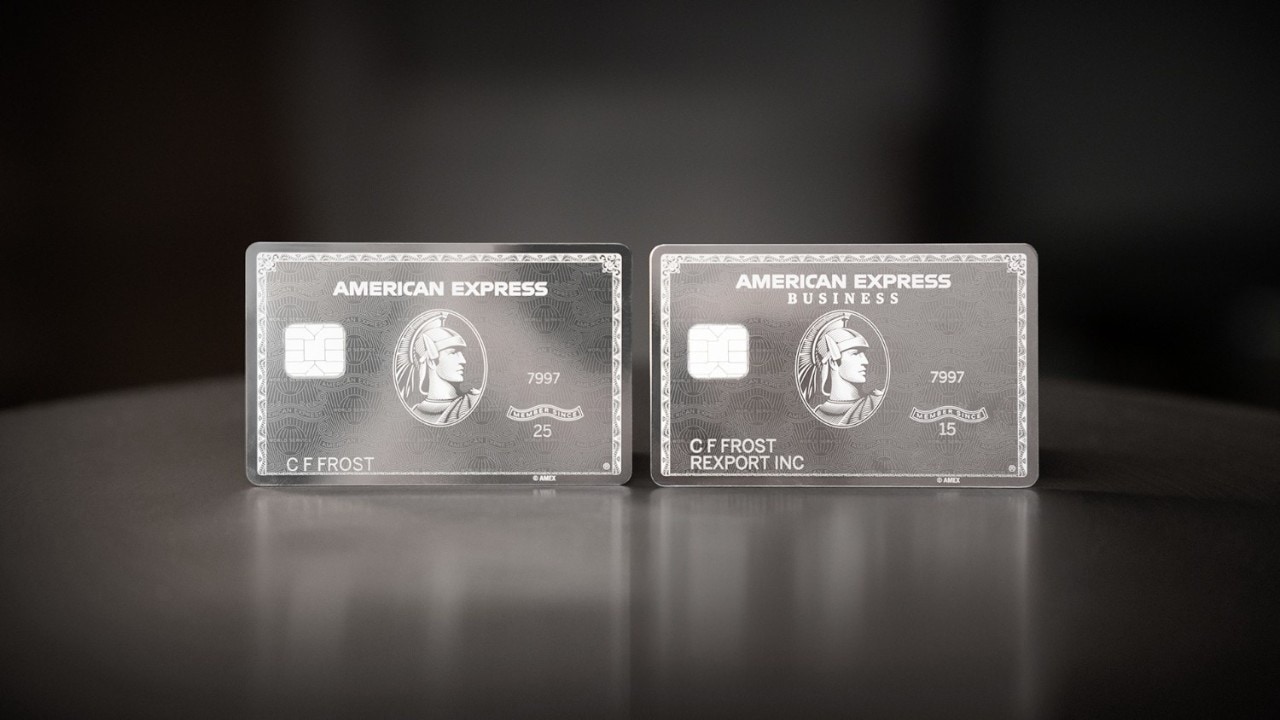
    Provides access to Amex Centurion Lounges, Priority Pass Select (with unlimited visits), Delta Sky Clubs (when flying Delta), Escape Lounges, and more — one of the broadest lounge networks available on any card. Guests can be brought in, though Amex now charges guest fees at Centurion Lounges after the first two visits per trip.

    💳 Chase Sapphire Reserve ($550/yr)

    Includes Priority Pass Select with unlimited visits plus access to the new Chase Sapphire Lounge by The Club — a rapidly expanding proprietary lounge network. Guest access included at Priority Pass lounges.

    💳 Capital One Venture X ($395/yr)

    Includes Priority Pass Select with unlimited visits for both the cardholder and up to two guests at no charge, plus access to Capital One’s own lounges. At $395, this arguably offers the best lounge-access value-to-fee ratio of any card on the market.

    💳 Delta SkyMiles Reserve Amex ($650/yr)

    Provides complimentary Delta Sky Club access on days of Delta travel, plus Amex Centurion Lounge access. Companion access to Sky Clubs when using a companion certificate is a particularly valuable add-on for couples.

    Pro tip: Before your next trip, search your departure airport on the lounge network’s app. Many travelers are surprised to find two or three eligible lounges at their home airport they’ve never visited. Use TravelDiari’s AI assistant to build layover time into itineraries specifically so you can take advantage of lounge access.

    Benefit Category 2: Annual Travel Credits & Statement Credits

    Statement credits are essentially cash back applied against specific spending categories. The key difference between a travel credit card credit and a cash back card is that these credits are targeted — airlines, hotels, dining, rideshare, streaming — but they directly offset your annual fee if you spend in those categories anyway.

    Types of Travel Credits

    • Broad travel credits — Automatically apply to any travel purchase (flights, hotels, car rentals, taxis, etc.)
    • Airline fee credits — Apply specifically to incidental fees with a selected airline (baggage fees, seat upgrades, lounge day passes)
    • Hotel credits — Apply to specific hotel brands or booking portals
    • Lifestyle credits — Dining, streaming, fitness, Uber, Lyft, Clear, etc.
    • Companion / resort credits — Benefits triggered at specific luxury properties

    Issuer Examples

    💳 Chase Sapphire Reserve ($550/yr)

    $300 annual travel credit — The broadest travel credit in the industry. Any purchase that codes as travel (flights, hotels, Airbnb, Uber, parking, tolls, trains, cruises) automatically triggers a statement credit up to $300. This single benefit effectively reduces the Sapphire Reserve’s fee to $250 for anyone who spends $300+ on travel annually — which is nearly everyone who holds a travel card.

    💳 American Express Platinum Card ($695/yr)

    Features a layered credit system: $200 airline fee credit (select one airline per calendar year), $200 hotel credit (prepaid bookings through Amex Fine Hotels + Resorts or The Hotel Collection), $200 Uber Cash, $240 digital entertainment credit, $155 Walmart+ credit, $100 Saks Fifth Avenue credit, and more. Combined, these credits total over $1,500 in potential value — but require active use of each benefit separately.

    💳 Capital One Venture X ($395/yr)

    $300 annual travel credit on bookings through Capital One Travel portal, plus 10,000 bonus miles on each card anniversary (worth ~$100 in travel). For a $395 card, these two benefits alone neutralize the fee for anyone booking even one flight per year.

    💳 Citi Strata Premier Card ($95/yr)

    $100 annual hotel savings benefit on single hotel stays of $500+ booked through thankyou.com. A rare high-value credit on a low-fee card, making it one of the best mid-tier travel options.

    💳 Amex Gold Card ($325/yr)

    $120 dining credit (monthly $10 at Grubhub, The Cheesecake Factory, Goldbelly, Wine.com, and select others) and $120 Uber Cash annually. For foodies who already spend at these merchants, that’s $240 in credits offsetting the fee before accounting for points earned.

    See our full deep-dive on the Amex Gold vs. Platinum and our analysis of whether the Amex Platinum fee is worth it for occasional travelers.

    Benefit Category 3: Built-in Travel Insurance

    This is arguably the most underappreciated category of travel credit card benefits — and the one that can save you the most money in a single transaction. Standalone travel insurance policies for a family vacation can cost $200–$500+. Many premium credit cards include comparable or superior coverage automatically when you pay for travel with the card.

    Types of Travel Insurance Coverage

    • Trip Cancellation / Trip Interruption Insurance — Reimburses non-refundable costs if your trip is cancelled or cut short due to covered reasons (illness, severe weather, death in family, etc.)
    • Trip Delay Insurance — Covers meals, hotels, and incidentals if your flight is delayed beyond a threshold (usually 6–12 hours)
    • Baggage Delay Insurance — Reimburses essential clothing and toiletries if luggage is delayed beyond a threshold
    • Lost Luggage Reimbursement — Covers lost or stolen checked/carry-on baggage
    • Primary Car Rental Insurance — Covers collision damage on rental cars WITHOUT billing your personal auto insurance first
    • Travel Accident Insurance — Coverage for accidental death or dismemberment during travel
    • Emergency Evacuation & Medical — Some cards cover emergency medical evacuation, which can cost $100,000+ out of pocket
    • Purchase Protection & Extended Warranty — Protects items purchased on the card from damage/theft and extends manufacturer warranties

    Issuer Examples

    💳 Chase Sapphire Reserve ($550/yr)

    Widely considered the gold standard for credit card travel insurance. Includes trip cancellation/interruption up to $10,000 per person ($20,000 per trip), trip delay coverage after 6 hours ($500 per ticket), primary car rental CDW coverage (no deductible, no need to file with personal auto insurance), baggage delay after 6 hours ($100/day for 5 days), and lost luggage coverage up to $3,000. Also includes emergency evacuation and transportation coverage.

    💳 Chase Sapphire Preferred ($95/yr)

    Impressive insurance for a $95 card: trip cancellation up to $10,000 per person, trip delay after 12 hours, baggage delay after 12 hours, and primary car rental CDW. Most travel insurance benefits are comparable to the Reserve — the main differences are the delay thresholds and some maximum coverage amounts.

    💳 American Express Platinum ($695/yr)

    Provides Premium Global Assist Hotline with emergency medical, legal, and financial assistance worldwide. Trip cancellation/interruption coverage up to $10,000 per covered trip. Also includes car rental loss and damage insurance (secondary by default unless you enroll in the Premium Car Rental Protection program for a small fee per rental).

    💳 Capital One Venture X ($395/yr)

    Includes trip cancellation/interruption insurance, trip delay reimbursement, lost luggage reimbursement, and primary car rental CDW coverage — with an important distinction: it covers all drivers listed on the rental agreement, not just the cardholder.

    💳 United Explorer Card ($95/yr)

    Includes primary car rental insurance when renting through United’s portal, trip cancellation/interruption coverage, baggage delay coverage, and lost luggage reimbursement — offering meaningful insurance on an entry-level co-branded airline card.

    Critical rule: You generally must pay for the trip with the card to activate insurance benefits. Booking flights with points or miles from another account may not trigger coverage — always check your specific card’s benefit guide. When building your trip with TravelDiari’s AI planner, note which card you plan to use so you can align bookings appropriately.

    Benefit Category 4: Hotel Benefits & Complimentary Elite Status

    Hotel elite status used to require 25–75 nights per year of actual hotel stays to achieve. Premium travel credit cards now offer complimentary status automatically — no nights required. Elite status delivers room upgrades, late checkout, free breakfast, bonus points on paid stays, and enhanced service that can be worth $50–$200+ per stay.

    Automatic Hotel Status from Credit Cards

    💳 American Express Platinum ($695/yr)

    Automatically confers Marriott Bonvoy Gold Elite status (normally requires 25 nights) and Hilton Honors Gold status (normally requires 40 nights). Hilton Gold includes complimentary breakfast at most properties worldwide — a benefit worth $30–$60/day for a couple, easily adding $300–$600+ of value on a 10-night vacation. Also provides access to Amex Fine Hotels + Resorts, a curated collection of 1,000+ luxury properties where cardholders receive noon check-in, 4 PM check-out, daily breakfast for two, room upgrades when available, a unique amenity worth $100 per stay, and Wi-Fi.

    💳 Hilton Honors Aspire Card ($550/yr)

    Provides Hilton Honors Diamond status — the highest tier in the Hilton program, normally requiring 60 nights per year. Diamond includes space-available suite upgrades at all full-service hotels, complimentary breakfast at most properties, executive lounge access, and bonus point multipliers. For Hilton loyalists, this single benefit justifies the annual fee.

    💳 Marriott Bonvoy Brilliant Amex ($650/yr)

    Automatically provides Marriott Bonvoy Platinum Elite status (normally 50 nights), including lounge access at hotels with executive lounges, suite night awards (certificates for suite upgrades), bonus miles, and a choice benefit at 75+ nights. Also includes a free night certificate worth up to 85,000 Marriott points annually — redeemable at hundreds of hotels worldwide.

    💳 World of Hyatt Credit Card ($95/yr)

    Provides World of Hyatt Discoverist status (normally 10 qualifying nights) automatically, plus a path to Explorist and Globalist through card spend. Hyatt Globalist is widely considered the most valuable hotel elite status in the industry, with confirmed suite upgrades and complimentary breakfast at all full-service hotels — and the credit card makes it more achievable. Also includes one free night each year and a second one after spending $15,000.

    Explore how different hotel loyalty programs compare in our guide: Marriott vs. Hyatt vs. Hilton vs. IHG — Which Hotel Program Is Best?

    Benefit Category 5: Airline-Specific Perks

    Co-branded airline credit cards and premium general travel cards both offer airline-specific perks that can transform the flying experience — and in some cases, generate hundreds in direct savings on every roundtrip.

    Free Checked Bags

    The average U.S. airline charges $35–$45 per bag, per direction. A family of four checking bags roundtrip pays $280–$360 per flight. Many co-branded airline cards waive this fee entirely for the primary cardholder and up to 8 companions on the same reservation.

    💳 United Explorer Card ($95/yr)

    First checked bag free for cardholder and one companion on the same reservation. At $35/bag each way, a couple on two roundtrip flights saves $280 — more than triple the $95 annual fee before any other benefits are counted.

    💳 Delta SkyMiles Gold Amex ($150/yr)

    First checked bag free for the cardholder and up to 8 companions on the same reservation. Also includes priority boarding and a 20% statement credit on in-flight purchases.

    💳 Citi / AAdvantage Platinum Select ($99/yr)

    First checked bag free for the cardholder and up to 4 companions. Also includes preferred boarding, 25% savings on in-flight purchases, and 2x miles on American Airlines purchases.

    Priority Boarding

    Priority boarding guarantees overhead bin space (increasingly scarce on full flights) and reduces stress. Most co-branded airline cards include this, as do cards that include complimentary airline status.

    Companion Certificates

    💳 Alaska Airlines Visa Signature ($95/yr)

    Issues a companion fare certificate each year after account anniversary: a companion flies for just $99 + taxes on any Alaska flight when you purchase a full-price ticket. On many transcontinental or Hawaii routes, this saves $400–$800 on a companion ticket — one of the highest-value anniversary benefits on any card.

    💳 Delta SkyMiles Reserve Amex ($650/yr)

    Annual companion certificate allows a companion to fly in the same cabin (including First Class) for just the cost of taxes and fees — typically $5.60–$75 depending on the route. On a First Class cross-country ticket worth $600–$1,200, this benefit alone can match or exceed the card’s annual fee.

    Our full breakdown: Best Airline Co-Brand Credit Cards for Frequent Travelers and United Airlines Credit Card Showdown.

    Benefit Category 6: Points & Miles Earning Rates

    Every dollar you spend on a travel credit card earns points or miles. But the rate at which you earn — and which categories earn bonus points — varies dramatically by card and spending pattern. Optimizing your earning structure can double or triple the points you accumulate each year without spending a single dollar more.

    Understanding Earning Structures

    Card Travel Earning Dining Earning Grocery Earning All Other
    Chase Sapphire Reserve 10x Chase Travel / 3x other travel 3x 1x 1x
    Amex Platinum 5x flights (direct/Amex Travel) / 5x prepaid hotels 1x 1x 1x
    Amex Gold 3x flights 4x 4x (U.S. supermarkets, up to $25k/yr) 1x
    Capital One Venture X 10x hotels/cars via C1 Travel / 5x flights via C1 Travel / 2x all else 2x 2x 2x
    Citi Strata Premier 3x 3x 3x 1x
    Chase Sapphire Preferred 5x Chase Travel / 2x other travel 3x 3x (online) 1x

    The Value of Transfer Partners

    Points currencies like Chase Ultimate Rewards, Amex Membership Rewards, Capital One Miles, and Citi ThankYou Points derive their power from airline and hotel transfer partners. Transferring 60,000 Chase points to Hyatt can book a night worth $600+ at a luxury property — the same 60,000 points redeemed as cash back would be worth just $600. But as a Hyatt award, that same 60,000 points could cover two nights at a Park Hyatt worth $1,200+.

    See our companion guide on mastering hotel loyalty programs for maximum value.

    Benefit Category 7: Global Entry / TSA PreCheck Credits

    Global Entry costs $120 and TSA PreCheck costs $85 for a five-year membership. Both are invaluable for frequent travelers — Global Entry members skip the regular customs and passport control line after international flights, while PreCheck allows you to use dedicated security lanes (no shoes off, no laptop out, shorter lines) at most U.S. airports.

    Dozens of credit cards now include an automatic statement credit for the Global Entry or TSA PreCheck application fee — typically every 4–4.5 years, aligned with the membership renewal cycle.

    Cards with Global Entry / PreCheck Credits

    • Chase Sapphire Reserve — $100 credit for Global Entry or $85 for TSA PreCheck, every four years
    • American Express Platinum — $100 Global Entry or $85 PreCheck credit every 4.5 years
    • Capital One Venture X — $100 Global Entry credit every four years
    • Citi Strata Premier — $100 Global Entry or $85 PreCheck credit every five years
    • United Club Infinite Card — $100 Global Entry or $85 PreCheck credit every four years
    • Delta SkyMiles Reserve Amex — $100 Global Entry or $85 PreCheck credit every four years
    • Bank of America Premium Rewards Elite — $100 Global Entry / PreCheck credit annually

    Tip: You can pay for a friend or family member’s Global Entry application with your card and still receive the credit — the benefit is tied to which card is used for payment, not who the membership belongs to. One card can effectively cover Global Entry for two household members over a four-year cycle.

    Benefit Category 8: No Foreign Transaction Fees

    Standard credit cards charge a 2.7–3% foreign transaction fee on every purchase made in a foreign currency. On a $5,000 international vacation, that’s $135–$150 in pure fees added to your bill — fees you never see itemized because they’re built into the exchange rate or tacked on as line items.

    Nearly all travel rewards credit cards waive foreign transaction fees entirely. This is a baseline expectation for any card you take abroad — if your card charges foreign transaction fees, leave it at home.

    Cards with No Foreign Transaction Fees

    All of the following cards charge $0 in foreign transaction fees: Chase Sapphire Reserve, Chase Sapphire Preferred, Amex Platinum, Amex Gold, Capital One Venture X, Capital One Venture, Citi Strata Premier, United Explorer, Delta SkyMiles Gold, and virtually every major travel card on the market today.

    Bonus: Dynamic Currency Conversion

    Even with a no-foreign-fee card, always pay in the local currency when prompted at international merchants. “Dynamic currency conversion” (paying in USD abroad) typically adds 3–7% markup — worse than any foreign transaction fee. Your card’s network (Visa, Mastercard) will always give you a better exchange rate.

    Benefit Category 9: Concierge Services & Lifestyle Benefits

    Premium travel cards include concierge services that can research and book restaurants, shows, travel experiences, and hard-to-get reservations on your behalf — saving hours of planning time. Beyond concierge, many cards layer in lifestyle benefits that provide real value for everyday spending, not just travel days.

    Concierge Highlights by Issuer

    💳 American Express Platinum — Platinum Concierge

    Available 24/7 by phone or chat. Can book restaurant reservations (including at fully-booked restaurants through relationships), arrange experiences, send gifts, research destinations, and coordinate travel logistics. For busy travelers, the time saved on a complex multi-city trip alone is worth hundreds of dollars.

    💳 Chase Sapphire Reserve — Visa Infinite Concierge

    Visa Infinite’s concierge service handles restaurant bookings, event tickets, travel research, and gift recommendations. Particularly useful for sourcing tickets to sold-out events or securing reservations at high-demand restaurants during peak travel periods.

    Other Lifestyle Benefits Worth Knowing

    • CLEAR Plus membership credit — Amex Platinum includes a CLEAR credit (normally $189/yr), allowing biometric-based security lane access at 50+ U.S. airports — dramatically faster than standard PreCheck lines
    • Streaming credits — Amex Platinum offers $20/month in statement credits for select streaming services (Disney+, Hulu, Peacock, etc.)
    • Equinox or fitness credits — Amex Platinum includes up to $300/yr for Equinox gym membership
    • Uber Cash — Both Amex Platinum ($200) and Amex Gold ($120) provide Uber Cash in monthly increments, usable for Uber rides and Uber Eats
    • DoorDash DashPass — Chase Sapphire Reserve includes complimentary DashPass membership (normally $9.99/month) through 2027
    • Instacart+ — Chase Sapphire Reserve includes free Instacart+ membership and quarterly statement credits
    • Hertz President’s Circle status — Amex Platinum includes top-tier Hertz status, giving automatic car upgrades and reserved Aisle access

    Issuer Benefit Comparison at a Glance

    Benefit Category Chase Sapphire Reserve ($550) Amex Platinum ($695) Capital One Venture X ($395) Chase Sapphire Preferred ($95) Amex Gold ($325)
    Lounge Access ✅ Priority Pass + Chase Sapphire Lounges ✅ Centurion + Priority Pass + Delta Sky Club ✅ Priority Pass + Capital One Lounges
    Annual Travel Credit $300 (any travel) $200 airline + $200 hotel $300 (via portal) $50 hotel credit None
    Trip Cancel Insurance ✅ Up to $10k/person ✅ Up to $10k/trip ✅ Yes ✅ Up to $10k/person
    Primary Car Rental Insurance ✅ Yes Secondary (upgradeable) ✅ Yes ✅ Yes Secondary
    Hotel Elite Status ✅ Marriott Gold + Hilton Gold
    Global Entry Credit ✅ $100 ✅ $100 ✅ $100
    No Foreign Fees
    Dining / Lifestyle Credits DoorDash DashPass + Instacart+ $240 entertainment + $200 Uber + more DoorDash DashPass $120 dining + $120 Uber
    Concierge ✅ Visa Infinite Concierge ✅ Platinum Concierge ✅ Visa Infinite Concierge Limited
    Est. Annual Benefit Value $800–$1,500 $1,200–$2,500 $600–$1,000 $300–$700 $400–$700

    How to Put These Benefits to Work with TravelDiari

    Understanding your benefits is step one. Step two is actually building trips that make those benefits sing. This is where TravelDiari’s AI-powered trip planner becomes uniquely valuable for credit card holders.

    Plan Layovers to Maximize Lounge Access

    TravelDiari’s AI can build itineraries that factor in which lounges you have access to at your connecting airports. A 90-minute layover at Dallas Fort Worth with access to the Amex Centurion Lounge? Worth planning around. Tell TravelDiari which cards you hold and let the AI route your trips accordingly.

    Book Hotels in Fine Hotels + Resorts or The Hotel Collection

    If you hold the Amex Platinum, booking through Amex Fine Hotels + Resorts unlocks $100+ in property credits, room upgrades, and guaranteed 4 PM checkout. TravelDiari’s AI can recommend properties within these programs that match your destination and travel style — ensuring you’re capturing the full benefit of your card.

    Identify Which Card to Use for Each Booking

    Paying for flights with the Amex Platinum earns 5x points. Booking hotels through Chase Travel earns 10x Ultimate Rewards. For car rentals, using a card with primary CDW saves you from ever paying the rental counter’s $30/day insurance. TravelDiari’s destination guides and travel blog help you understand what you’re spending at each stage of a trip — so you can match each purchase to the right card.

    Use Points Strategically for High-Value Destinations

    Business class to Asia. Park Hyatt suite nights. Maldives water villas. These are the redemptions that extract 2–5¢ of value per point — versus 1¢ for cash back. Use TravelDiari’s AI to identify aspirational destinations and see what award availability looks like, then optimize your point transfers accordingly.

    💡 TravelDiari Tip: Run an Annual Benefits Audit

    Once a year, sit down with your card’s benefits guide (usually at [cardname]benefits.com or through your card’s app) and list every benefit, its annual value, and whether you used it. Most cardholders are shocked to discover $200–$500 in credits they never activated. Set calendar reminders for monthly credits, and use the benefit total as your “real” annual fee calculation.

    Final Thoughts: The Most Expensive Card Is the One You’re Not Using

    Travel credit card benefits aren’t perks — they’re commitments from the issuer that you’ve already paid for through your annual fee. Every lounge you don’t visit, every travel credit you don’t claim, every Global Entry you don’t apply for is money you’ve left on the table.

    The best approach is a simple one: know your cards, know your benefits, and build trips that naturally activate them. A $550 annual fee card that delivers $1,400 in real value isn’t a luxury — it’s the smartest financial decision a frequent traveler can make.

    And when you’re ready to turn those rewards, credits, and elite statuses into an actual unforgettable trip, TravelDiari’s AI trip planner is ready to help you do it — free to start, no credit card required.

    Ready to plan your next adventure?

    Join thousands of travelers who are exploring the world smarter with TravelDiari’s AI-powered planning.

    Get Started Free
    Free forever plan available No credit card required
  • More Competition for High-End Credit Cards? Robinhood Launches Its All-New Invite-Only Platinum Card

    More Competition for High-End Credit Cards? Robinhood Launches Its All-New Invite-Only Platinum Card

    Robinhood — the app that democratized stock trading — is now going after one of the most elite segments in consumer finance: the premium travel credit card. Their invite-only Robinhood Platinum Card enters a fiercely competitive arena dominated by names like American Express Platinum, Chase Sapphire Reserve, and Capital One Venture X. So does the new challenger actually hold its own?

    What Is the Robinhood Platinum Card?

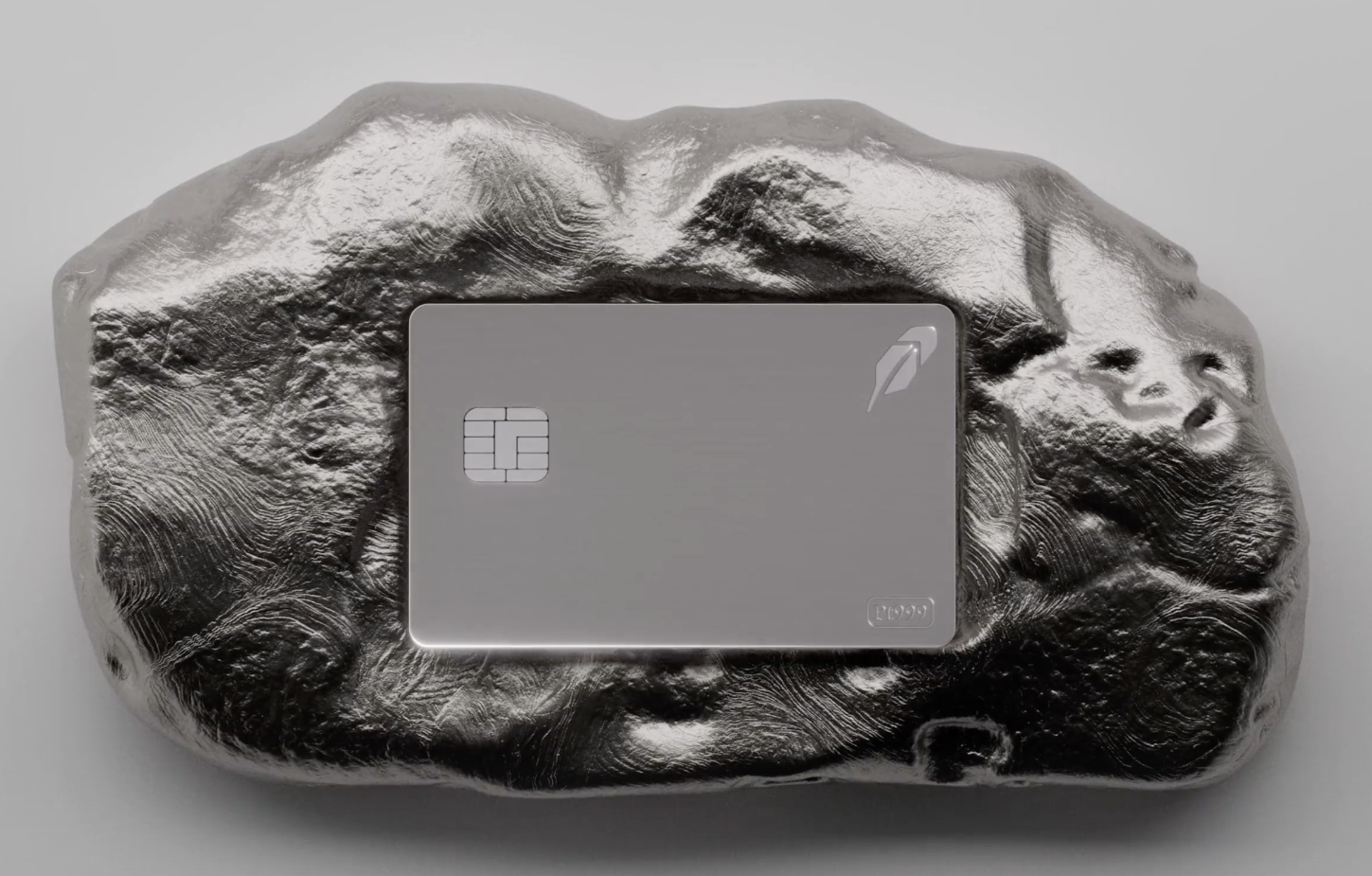
    At its Take Flight event in March 2026, Robinhood unveiled the Robinhood Platinum Card — a $695-per-year, invite-only credit card issued by Coastal Community Bank on the Visa network. Physically, the card is plated with 99.9% pure platinum, making it one of the most premium-looking pieces of plastic (well, metal) in any wallet.

    This is Robinhood’s second credit card after the Robinhood Gold Card, which launched in 2024. Where the Gold Card focused on everyday 3% flat-rate cash back for Robinhood users, the Platinum Card is aimed squarely at travelers and lifestyle spenders who want luxury perks baked into a single annual fee.

    As Deepak Rao, GM and Vice President of Robinhood Money, put it at the launch event: the Platinum Card is designed to raise the bar for what customers should expect from a premium credit card. That’s a bold claim when you’re competing against institutions that have been in the premium card game for decades. Let’s see if the card backs it up.

    $695 Annual Fee
    $3,000+ Robinhood-Claimed Annual Value
    10% Cash Back on Hotels & Cars
    1,300+ Priority Pass Lounges

    Full Benefits Breakdown: What You Actually Get

    The Robinhood Platinum Card stacks a wide range of credits and memberships. Here’s every perk in one place, so you can immediately start thinking about which ones apply to your life:

    ✈️
    Annual Travel Credit
    General travel statement credit, automatically applied when eligible travel purchases are posted — no portal required.
    $300/yr
    🏨
    Hotel Booking Credit
    Up to $250 every 6 months for hotels booked through the Robinhood Banking app. Requires a 2-night minimum stay.
    $500/yr
    🛋️
    Priority Pass Lounge Access
    Unlimited access to 1,300+ Priority Pass airport lounges worldwide for the primary cardholder.
    Unlimited
    🆔
    Global Entry / TSA PreCheck
    Statement credit for application fees. No foreign transaction fees on any international purchases.
    $120 credit
    🍽️
    DoorDash & DashPass
    Annual DoorDash discount credit plus complimentary DashPass membership (free delivery on eligible orders).
    $250 + $120
    🤖
    Autonomous Rides Credit
    Monthly credit for driverless rideshare services ($20/month, $30 in December) for those in eligible cities.
    $250/yr
    🧬
    Function Health Membership
    Complimentary Function Health membership covering 160+ advanced lab tests and custom health insights.
    $365 value
    🏥
    Amazon One Medical
    Complimentary Amazon One Medical membership for on-demand primary care, normally $199/year.
    $199 value
    💍
    Oura Ring Membership
    Complimentary Oura Ring membership for personalized sleep and health tracking. Limited-time offer.
    Included
    Health Wearables Credit
    Annual statement credit toward qualifying health wearables like smartwatches, fitness trackers, and more.
    $200/yr
    👨‍👩‍👧
    Family Cards at No Extra Cost
    Add authorized users at no extra charge. Share perks, track spending, and set limits per card.
    Free
    📈
    Robinhood Gold Membership
    Complimentary Robinhood Gold membership (normally $5/month) including 3.35% APY on brokerage cash, IRA match, and more.
    $60 value

    Travel Perks Deep Dive

    For a travel-focused audience, the Robinhood Platinum Card delivers a compelling stack of perks — though with some important caveats worth understanding before you book your next trip.

    Airport Lounge Access

    The card includes unlimited Priority Pass Select membership, giving you access to over 1,300 airport lounges worldwide. This is on par with the Chase Sapphire Reserve and Capital One Venture X, though it falls short of the American Express Platinum’s Global Lounge Collection, which additionally includes the exclusive Centurion Lounges — widely regarded as some of the best airport lounges in the world.

    Hotel Credits ($500/yr)

    Robinhood splits its hotel credit into $250 every six months, applied as a statement credit when you book through the Robinhood Banking app. For qualifying luxury hotels, the full $250 applies; standard hotel bookings get up to $100. A two-night minimum stay is required. This is a meaningful travel benefit, though it does tie you to Robinhood’s own booking portal — similar to how Amex requires Fine Hotels + Resorts bookings, or Capital One requires their travel portal.

    Annual Travel Credit ($300)

    Unlike the hotel credit, the $300 general travel credit doesn’t require portal booking — it’s automatically applied to eligible travel purchases. This matches the Chase Sapphire Reserve’s $300 credit and is actually more flexible than many competing cards’ airline-only credits.

    Global Entry / TSA PreCheck Credit

    A $120 credit every four years for Global Entry or TSA PreCheck, which is a standard perk across most premium cards. No foreign transaction fees are also included, which matters for international travelers.

    Daily Breakfast & Room Upgrades

    When booking hotels through the Robinhood Banking app, cardholders can access added perks such as daily breakfast for two and room upgrades — a nice touch that echoes the Fine Hotels + Resorts benefits offered by Amex Platinum.

    Health, Wellness & Lifestyle Perks

    Here’s where the Robinhood Platinum Card truly differentiates itself from every other premium credit card on the market. No other card in this tier bundles health and wellness perks at this scale.

    Function Health ($365 value)

    Function Health provides access to over 160 advanced lab tests — think comprehensive blood panels, hormonal analysis, metabolic markers — with personalized insights and a care team. A standalone membership costs $365 per year. Getting this included with your credit card is genuinely unusual and valuable for health-conscious cardholders.

    Amazon One Medical ($199 value)

    One Medical offers unlimited 24/7 virtual care plus in-person visits at over 200 locations nationwide. Normally priced at $199/year, this is another real-money inclusion that could easily justify a chunk of the annual fee on its own.

    Oura Ring Membership + $200 Wearables Credit

    Oura Ring tracks sleep, heart rate variability, body temperature, and activity. The card includes a complimentary membership (currently a limited-time offer), plus a $200 annual credit toward health wearables like Oura, Whoop, Apple Watch, and similar devices.

    Autonomous Rides Credit ($250/yr)

    This is the card’s most polarizing perk. If you live in a city with driverless rideshare options — think San Francisco or certain parts of Phoenix — this $250 credit ($20/month, $30 in December) is genuinely useful. If you don’t, it’s dead weight.

    🔑 Key Takeaway: The health and wellness perks alone could be worth $760+ in annual value if you’d use all three services. That almost covers the entire annual fee by itself — before accounting for any travel credits.

    Cash Back & Rewards Structure

    The earning structure for the Robinhood Platinum Card is straightforward and generous in its bonus categories, though it does come with one important catch.

    Purchase Category Cash Back Rate Notes
    Hotels & Rental Cars 10% Must book through Robinhood Banking app
    Flights 5% Must book through Robinhood Banking app
    Dining 5% Up to $50,000/year; 1% after that
    All Other Purchases 1% Flat rate

    The 10% back on hotels and cars and 5% back on flights are best-in-class when booked through Robinhood’s portal. The 5% dining rate is exceptional — very few premium cards match this. However, cash back must be redeemed into a Robinhood Financial brokerage account, which means this card is really designed for existing Robinhood users or those willing to open an account.

    Redemption options include depositing into your brokerage account, purchasing travel through Robinhood’s portal, or paying at select online merchants. Unlike Chase or Amex, there are no transferable points to airline or hotel partners — which is a real limitation for travel hackers seeking aspirational redemptions like business class to Asia.

    Side-by-Side Comparison: Robinhood vs. The Big Three

    How does the Robinhood Platinum Card actually stack up against the cards it’s competing with? Here’s a full comparison across the most important dimensions for travelers:

    Feature Robinhood Platinum Amex Platinum Chase Sapphire Reserve Capital One Venture X
    Annual Fee $695 $895 $795 $395
    Annual Travel Credit $300 $200 (airline only) $300 (broad) $300 (portal)
    Hotel Credit $500 (portal) $600 (Amex Travel) Up to $300 (The Edit) $100 bonus (anniversary)
    Airport Lounge Access Priority Pass (unlimited) Global Lounge Collection + Centurion Priority Pass (unlimited) Priority Pass + Capital One Lounges
    Global Entry/TSA PreCheck $120 $120 $120 $120
    Dining Rewards 5% cash back 5x pts on Amex Travel; 1x dining 3x pts worldwide 2x all purchases
    Hotel Booking Rate 10% cash back (portal) 5x on Amex Travel hotels 8x on Chase Travel hotels 10x on Capital One Travel
    Transferable Points No 20+ partners 13+ partners 15+ partners
    Health & Wellness Perks $760+ value Oura, Equinox credits None None
    Dining Credits (non-travel) $250 DoorDash + DashPass $400 Resy, Uber Cash $300 Sapphire Reserve Exclusive Tables None
    Complimentary Subscription Included RH Gold ($60/yr value) None DashPass, Instacart+ Hertz President’s Circle
    Foreign Transaction Fees None None None None
    Autonomous Rides Credit $250
    Est. Max Annual Value $3,000+ $2,500–$4,000 $1,500–$2,500 $900–$1,400

    The Amex Platinum ($895/yr) — The Prestige King

    Amex Platinum remains the gold standard for lounge access thanks to its Centurion Lounges, which offer a distinctly superior experience to standard Priority Pass lounges. The card’s $600 hotel credit via Fine Hotels + Resorts, the Global Lounge Collection, and a robust network of 20+ transfer partners make it unbeatable for aspirational redemptions. However, its $895 annual fee (updated from the earlier $695) is the highest of the group, and extracting full value requires juggling many separate credits and enrollment steps.

    Chase Sapphire Reserve ($795/yr) — The Travel Hacker’s Card

    Chase Sapphire Reserve’s crown jewel is its Ultimate Rewards ecosystem. Points transfer to 13+ airline and hotel partners and redeem at up to 1.5 cents each through Chase Travel℠ with Points Boost. The $300 broad travel credit is the easiest to use of any premium card. At $795, it has raised its fee recently and now sits above the Robinhood Platinum. It remains a top choice for travelers who want maximum flexibility in how they redeem.

    Capital One Venture X ($395/yr) — Best Value Play

    Capital One Venture X is the budget-friendly option that still delivers most of the core premium travel benefits: Priority Pass plus Capital One’s own lounges, a $300 travel portal credit, 10x on hotels via Capital One Travel, and 15+ transfer partners. At $395 annually, it delivers strong value for travelers who don’t need every luxury bell and whistle.

    Robinhood Platinum ($695/yr) — The Disruptor

    Robinhood positions itself between Chase and Amex on fee and offers a genuinely unique mix of travel and health perks. Its weakness is the lack of transferable points — a critical limitation for anyone who wants to book award travel. Its strength is the health and wellness bundle, which no other premium card matches.

    ROI Analysis: Can You Actually Justify $695/Year?

    The honest answer: yes — but only if you’d genuinely use the credits. Here’s a conservative estimate of what a typical traveler could extract annually:

    💰 Conservative Annual Value Estimate

    Annual Travel Credit (easily used) $300
    Hotel Credit (2 trips, portal booked) $400
    Priority Pass Lounge Access (6 visits/yr) $150
    DoorDash Credit & DashPass $250
    Amazon One Medical Membership $199
    Function Health Membership $365
    Robinhood Gold Membership $60
    Cash Back on $10K Dining @ 5% $500
    TSA PreCheck (amortized over 4 years) $30
    Total Estimated Annual Value ~$2,254

    Even conservatively, a cardholder who travels a few times a year, eats out regularly, and would actually use One Medical and Function Health could extract well over $2,000 in value — a net gain of roughly $1,559 after the $695 annual fee. The key word is “would actually use.” If you don’t use DoorDash, wouldn’t subscribe to Function Health anyway, or live outside an autonomous ride city, the math gets thinner fast.

    ⚠️ Important Caveat: Cash back must be redeemed into a Robinhood brokerage account. If you don’t already use Robinhood for investing, you’ll need to open an account. This is a real friction point for non-users.

    Who Should (and Shouldn’t) Get This Card

    ✅ Great Fit If You…

    • Already use or want to use Robinhood for investing
    • Travel 2–4+ times per year and book hotels online
    • Eat out frequently (5% on dining is excellent)
    • Would value Function Health and/or One Medical
    • Want to track health with Oura or similar wearables
    • Use DoorDash regularly for food delivery
    • Prefer simple cash back over complex points systems
    • Want to add family members without extra card fees

    ✗ Not the Best Fit If You…

    • Want to transfer points to airline/hotel programs
    • Fly frequently in premium cabins using award points
    • Already have Amex Centurion Lounge access elsewhere
    • Don’t want to maintain a Robinhood brokerage account
    • Live in a city without autonomous ride services
    • Rarely use health subscriptions like One Medical
    • Prefer cards with broader acceptance than a startup fintech
    • Are a points optimizer who values transfer flexibility

    The Ecosystem Lock-In Factor

    Perhaps the biggest strategic consideration is that the Robinhood Platinum Card is designed to deepen your engagement with the Robinhood ecosystem — brokerage accounts, banking, investing. This is the same playbook Apple has used with financial products. If you’re already a Robinhood user, this is a huge plus. If you’re not, it’s an additional commitment to evaluate.

    The Invite-Only Barrier

    At launch, Robinhood is sending a limited number of invites to existing customers. If you’re interested, you can request access via Robinhood’s site. Access is expected to expand over time, similar to how the Robinhood Gold Card initially launched with a waitlist of over 600,000 people before gradually opening up.

    Final Verdict

    The Robinhood Platinum Card is not trying to be the American Express Platinum. It’s not trying to be the Chase Sapphire Reserve. It’s doing something genuinely different: bundling premium travel perks with health and wellness benefits at a fee point that undercuts the two biggest legacy players.

    For the right person — a Robinhood investor who travels a few times a year, eats out often, and wants to prioritize their health — this card could legitimately deliver over $2,000 in annual value against a $695 annual fee. That’s a strong return.

    However, for seasoned points travelers who want to book business class with transferred miles, or for anyone who covets the Centurion Lounge experience specifically, the Amex Platinum or Chase Sapphire Reserve remain better equipped. And for budget-conscious travelers who want most of the core premium perks without the sticker shock, Capital One Venture X at $395 is still the most efficient option.

    TravelDiari Verdict

    8.3 out of 10 — for the right user profile

    A genuinely compelling disruptor with a unique health + travel perk bundle, strong cash back on dining, and a fee that undercuts Amex Platinum by $200. The lack of transferable points and brokerage account requirement limit its appeal to travel hackers and non-Robinhood users — but for everyone else, this is a card worth serious consideration.

    Quick Picks by Profile

    Amex Platinum
    Best for: Frequent luxury travelers
    $895 / year
    • Centurion Lounge access (premium)
    • 20+ transfer partners for award travel
    • $600 hotel + $200 airline credits
    • Hilton & Marriott Gold status
    Best for award travel & Centurion Lounges
    Chase Sapphire Reserve
    Best for: Flexible points optimizers
    $795 / year
    • $300 broad travel credit (easiest to use)
    • 13+ transfer partners
    • 3x on all travel & dining worldwide
    • Priority Pass unlimited access
    Best for points flexibility & simplicity
    Capital One Venture X
    Best for: Value-seekers wanting premium perks
    $395 / year
    • Lowest fee of the premium tier
    • 10x on hotels via Capital One Travel
    • 2x miles on every purchase
    • Priority Pass + Capital One Lounges
    Best fee-to-value ratio for frequent travelers

    Benefits and fees are accurate as of April 2026. Always verify current terms directly with the issuer before applying. This article is for informational purposes only and does not constitute financial advice.

  • United vs Delta vs American vs Alaska vs Southwest: Best Airline Loyalty Program in 2026 | TravelDiari

    United vs Delta vs American vs Alaska vs Southwest: Best Airline Loyalty Program in 2026 | TravelDiari


    United vs Delta vs American vs Alaska vs Southwest: Best Airline Loyalty Program in 2026 | TravelDiari


    Credit Cards & Loyalty • Flight & Airlines

    United vs Delta vs American vs Alaska vs Southwest: Which Airline Loyalty Program Is Best in 2026?

    traveldiari_admin • April 11, 2026 • 10 min read
    Airline loyalty programs comparison chart for United, Delta, American, Alaska, and Southwest

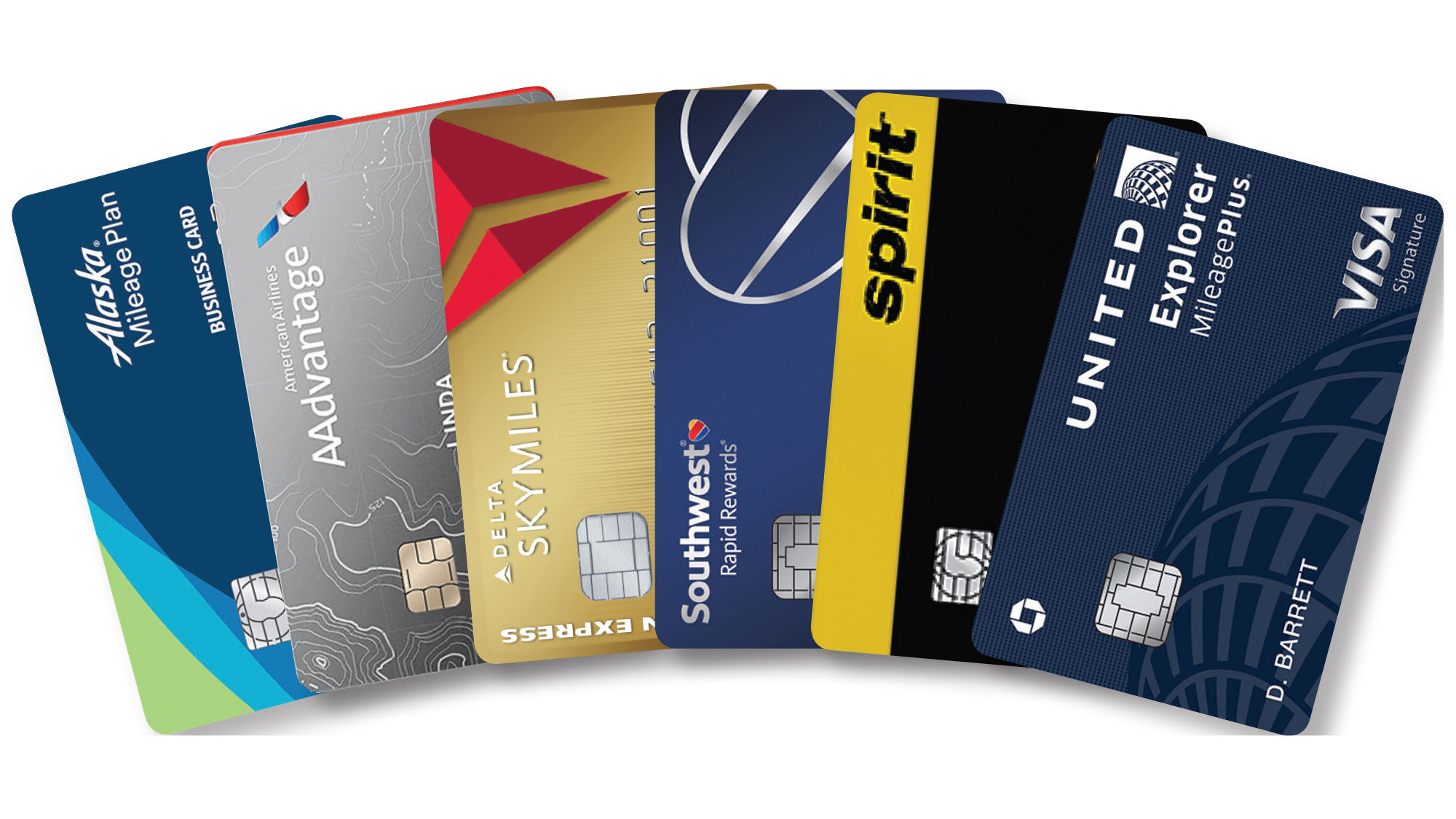
    Not all airline loyalty programs reward the same behavior. Some are best for hub-captive frequent flyers. Others are better for travelers who earn mostly through credit cards, shopping portals, dining programs, or occasional domestic trips. In this guide, we compare United MileagePlus, Delta SkyMiles, American AAdvantage, Alaska’s Atmos Rewards, and Southwest Rapid Rewards so you can decide which program deserves your loyalty and how to maximize every mile or point.

    What We’ll Cover

    • How each program earns and rewards loyalty
    • A side-by-side comparison table
    • Which airline program is best for different traveler types
    • Practical strategies to maximize rewards, status, and upgrades
    • Related TravelDiari guides for cards, upgrades, and travel rewards

    Quick Take: Which Airline Loyalty Program Wins?

    There is no universal winner. The best airline loyalty program depends on where you live, how often you fly, whether you want elite perks or easy redemptions, and whether you can leverage partner earning beyond flights. That said:

    Best for international partner awards

    United MileagePlus and American AAdvantage stand out for travelers who want broad partner access and meaningful long-haul redemption opportunities.

    Best for premium elite experience

    Delta SkyMiles is strong for travelers who value upgrades, priority treatment, and a polished airport experience.

    Best for West Coast and partner-focused travelers

    Alaska Atmos Rewards is especially compelling for Alaska and Hawaiian flyers and for travelers who want flexible partner utility.

    Best for simplicity and companion value

    Southwest Rapid Rewards remains one of the easiest programs to understand and one of the most valuable if you can earn Companion Pass.

    Airline Loyalty Programs Comparison Table

    Program Best For Status Path Redemption Strength Standout Perk Main Drawback
    United MileagePlus
    Star Alliance
    Travelers near United hubs, international flyers, upgrade-minded elites Premier Silver starts at 15 PQF + 5,000 PQP or 6,000 PQP. Top-tier Premier 1K requires 60 PQF + 22,000 PQP or 28,000 PQP. Strong partner redemption ecosystem and broad global coverage Star Alliance reach, PlusPoints at higher tiers, strong partner utility Award pricing can be unpredictable, especially on premium routes
    Delta SkyMiles
    SkyTeam
    Frequent Delta flyers who value upgrades and airport experience Medallion status is now MQD-based: Silver $5,000, Gold $10,000, Platinum $15,000, Diamond $28,000. Easy to earn, but often weaker headline redemption value than competitors Complimentary upgrades and strong Medallion travel experience SkyMiles redemptions can feel expensive on many routes
    American AAdvantage
    oneworld
    Travelers who earn through flying, cards, shopping, dining, and partner activity Gold at 40,000 Loyalty Points, Platinum at 75,000, Platinum Pro at 125,000, Executive Platinum at 200,000. Very strong for partner awards and versatile for non-flight earning Loyalty Points model makes status more accessible without constant flying Upgrade competition can be intense on major routes
    Alaska Atmos Rewards
    Alaska + Hawaiian
    West Coast travelers, Hawaii travelers, partner-focused flyers Silver, Gold, Platinum, and Titanium tiers. Atmos is adding flexible earning choices, including by distance, dollars, or segments. Excellent for travelers who value Alaska’s partner strategy and route strengths Flexible earning model and strong practical value for Alaska loyalists Smaller domestic footprint than the biggest U.S. network carriers
    Southwest Rapid Rewards
    Companion Pass Power
    Domestic leisure travelers, families, couples, simple-value seekers A-List at 20 one-way flights or 35,000 tier qualifying points; A-List Preferred at 40 flights or 70,000 points; Companion Pass at 100 one-way flights or 135,000 qualifying points. Very easy to understand; redemptions closely track cash pricing Companion Pass can deliver extraordinary value year after year No traditional international premium cabin aspirational sweet spots

    How These Programs Really Differ

    1. United MileagePlus: Best for Global Reach and Serious Flyers

    United is one of the most useful loyalty programs for travelers who fly internationally or want access to a large partner network. If you live near a United hub, MileagePlus becomes even more attractive because you can consolidate flying, card spend, and partner redemptions inside one ecosystem.

    MileagePlus also remains compelling for elites because Premier status unlocks increasingly meaningful benefits, including higher earning rates and upgrade tools like PlusPoints at the upper tiers. For travelers focused on international Star Alliance redemptions, United is often one of the easiest U.S. programs to justify.

    2. Delta SkyMiles: Best for the Traveler Who Wants a Smoother Experience

    Delta’s loyalty appeal is less about rock-bottom award pricing and more about the overall experience. Medallion members get meaningful upgrade opportunities, waived fees, better treatment at the airport, and a premium-feeling ecosystem that many travelers are willing to pay for.

    If your home airport gives you strong Delta coverage and you value consistency, Delta can still be a smart primary program even if the cents-per-mile math is not always the best on paper.

    3. American AAdvantage: Best for Flexible Status Earning

    American’s Loyalty Points model is one of the most interesting developments in airline loyalty because it rewards more than just butt-in-seat flying. Travelers can earn status through a mix of flying, shopping, dining, hotel partners, and card activity, which makes AAdvantage unusually friendly for travelers who are engaged but not always on a plane.

    For many people, this is the most realistic path to elite status among the major legacy carriers. AAdvantage is also a strong program for partner-focused travelers who want access to oneworld award options.

    4. Alaska Atmos Rewards: Best for Smart West Coast Loyalty

    Alaska has moved from Mileage Plan to Atmos Rewards, and the program is increasingly differentiated by flexibility. Alaska is introducing more earning choice, including options tied to distance, dollars, or segments, and the combined Alaska-Hawaiian ecosystem adds more relevance for West Coast and Hawaii-centric travelers.

    If you regularly fly Alaska, Hawaiian, or partner carriers and prefer a program that feels less generic than the big three, Atmos Rewards deserves close attention.

    5. Southwest Rapid Rewards: Best for Simplicity and Family Value

    Southwest does not try to be an aspirational premium-cabin program. Its strength is simplicity. Points are easy to understand, there are no major redemption mysteries, and Companion Pass remains one of the most powerful benefits in U.S. travel.

    For couples, families, and domestic travelers who prioritize practical savings over premium-cabin award hunting, Southwest can outperform programs that look more glamorous on paper.

    Best Program by Traveler Type

    • You mostly fly internationally: United or American
    • You care most about upgrades and airport treatment: Delta
    • You want to earn status without constantly flying: American
    • You live on the West Coast or fly Hawaii often: Alaska Atmos Rewards
    • You travel domestically with a partner or family: Southwest
    • You only fly a few times per year: Southwest or American often offer the easiest practical value

    How Travelers Can Maximize Rewards and Points

    Choose One Primary Airline, Not Five Half-Programs

    One of the biggest mistakes travelers make is spreading flights across too many airlines. If you want status, upgrades, and meaningful balances, concentration matters. Pick one primary airline based on your home airport, most common routes, and the partners you actually use.

    Use Shopping, Dining, and Partner Portals

    American is especially strong here, but every major program offers some version of partner earning. That means your airline points strategy should not begin and end with flights. Shopping portals, dining programs, hotel bookings, rideshare partnerships, and co-branded cards can meaningfully accelerate your balance.

    Match Your Credit Card Strategy to Your Loyalty Goal

    If you are loyalty-first, a co-branded airline card can help you earn faster and unlock benefits like free checked bags, priority boarding, or elite-qualification help. If you want more flexibility, pair airline loyalty with a transferable-points card strategy as well.

    Related reading:
    Best Airline Co-Brand Credit Cards for Frequent Travelers and
    Best Travel Rewards Credit Cards.

    Redeem for High-Value Trips, Not Just Easy Trips

    The easiest redemption is not always the best redemption. Travelers who get the most from airline programs usually compare redemptions before booking and reserve points for higher-value uses, such as expensive peak-season flights, partner awards, or premium cabins where cash prices are especially high.

    Do Not Chase Status That You Will Not Use

    Elite status can be rewarding, but it is not always worth pursuing. If you only take one or two trips per year, focus on rewards that directly reduce your real travel cost, such as free checked bags, simple redemptions, shopping portal earnings, and companion-style benefits.

    Best Loyalty Program for Occasional Travelers

    For travelers who only fly a few times per year, Southwest Rapid Rewards is often the easiest program to use well because the value is simple, transparent, and practical. American AAdvantage is also attractive because you can continue earning meaningfully through everyday partner activity. United and Delta become more compelling when you are concentrated in their hubs or when you are chasing higher-end benefits.

    Bottom Line

    The best airline loyalty program is the one that matches your actual travel pattern, not the one with the flashiest marketing. United is excellent for global reach, Delta excels at elite experience, American is one of the most flexible for status earning, Alaska Atmos Rewards is a smart choice for West Coast and partner-minded travelers, and Southwest remains one of the strongest practical-value programs in the U.S.

    If you want better results from airline loyalty, stop treating all miles as equal. Focus your activity, learn each program’s sweet spots, and build around the airline you are most likely to use consistently.

    Related TravelDiari Guides

    Official Airline Loyalty Program Links

    Frequently Asked Questions

    Which airline loyalty program is best for beginners?

    Southwest Rapid Rewards is often the easiest for beginners because points closely track fare price and the program is straightforward. American AAdvantage is also beginner-friendly for people who want to earn through shopping and dining in addition to flights.

    Which airline program is best for international travel?

    United MileagePlus and American AAdvantage are usually the strongest picks for travelers who care most about international partner awards and global alliance reach.

    Is Delta SkyMiles worth it even if redemptions are not always the cheapest?

    Yes, for many travelers Delta is worth it because the value comes from the full experience: upgrades, airport priority, service consistency, and elite treatment, not just raw cents per mile.

    What is the most valuable airline perk for families?

    Southwest Companion Pass is one of the most valuable perks for families and couples because it can reduce the cost of repeated domestic travel dramatically.

    Editor’s note: Airline loyalty rules, status thresholds, and partner benefits can change. Recheck the official airline loyalty pages before making a major booking or status strategy decision.


  • Amex Gold vs Platinum: Maximize Travel Value (2026 Guide) | TravelDiari

    Amex Gold vs Platinum: Maximize Travel Value (2026 Guide) | TravelDiari

    Back to Blogs

    Credit Cards & LoyaltyTravel TipsTravel Guides

    TravelDiariApril 9, 2026

    Amex Gold vs Platinum travel rewards comparison

    A complete guide to maximizing travel rewards with American Express Gold and Platinum cards—and whether they actually make sense if you only travel once or twice per year.

    Amex Gold vs Platinum: Quick Comparison

    FeatureAmex GoldAmex Platinum
    Annual Fee~$325~$895
    Best ForEveryday spending + points earningLuxury travel + premium perks
    Points EarningHigh (Dining, Groceries)High (Flights, Hotels)
    Airport Lounge AccessNoYes (Centurion, Priority Pass, Delta)
    Travel CreditsDining + UberAirline, Hotel, Uber, more
    Hotel StatusNoYes (Hilton, Marriott)
    Ease of Getting ValueEasyRequires optimization
    Best For 1–2 Trips/Year?✅ Yes⚠️ Only if optimized

    If you’re new to travel rewards, also read our Best Travel Rewards Credit Cards Guide .

    Why the Amex Gold Card Is Best for Most Travelers

    The Gold card provides consistent value even when you’re not traveling. With strong rewards on dining and groceries, you can build points year-round and redeem them when you actually take a trip.

    • Earn points from everyday spending
    • Lower annual fee than Platinum
    • Easy-to-use dining and Uber credits
    • Flexible points transfer options

    Why the Amex Platinum Card Is Powerful (But Risky)

    The Platinum card offers premium benefits like airport lounge access, hotel elite status, and high-value travel credits—but only if you actively use them.

    Read more in our detailed breakdown: Amex Platinum Deep Dive .

    How to Maximize Travel Value

    Use Both Cards Strategically

    Use Gold for dining and groceries, and Platinum for flights and hotels.

    Track Every Credit

    Set reminders to ensure you don’t miss valuable credits.

    Transfer Points for Maximum Value

    Transfer points to airline partners instead of redeeming for low-value options.

    Are These Cards Worth It for 1–2 Trips Per Year?

    Amex Gold: YES for Most People

    Gold is usually worth it because it earns value year-round.

    Amex Platinum: Only If You Optimize

    Platinum works if you maximize credits and premium perks.

    Final Verdict

    For most people, Amex Gold delivers better consistent value. Platinum is best for frequent or premium-focused travelers.

    Official Links

  • How to Maximize Your Chances of a United PlusPoints Upgrade | TravelDiari

    How to Maximize Your Chances of a United PlusPoints Upgrade | TravelDiari


    How to Maximize Your Chances of a United PlusPoints Upgrade — Practical Strategies for Loyal Flyers

    Your complete guide to finding routes with upgrade space, choosing the best fare classes, tracking PlusPoints clearance, and finding alternatives if your upgrade doesn’t clear.

    United Airlines aircraft in flight

    Quick primer: What are PlusPoints?

    PlusPoints are United’s upgrade currency for elite MileagePlus members. They allow you to request upgrades from Economy → Premium Plus or Polaris, and Premium Plus → Polaris on select long-haul flights. The key advantage: Points are not deducted until your upgrade clears.

    How PlusPoints Work: When you request an upgrade, PlusPoints are held but not deducted from your account. If your upgrade doesn’t clear by departure, the points are automatically returned. This means you can request upgrades risk-free on multiple future flights.

    PlusPoints are earned annually based on your Premier status level:

    • Premier Silver: 0 PlusPoints
    • Premier Gold: 0 PlusPoints
    • Premier Platinum: 40 PlusPoints
    • Premier 1K: 60 PlusPoints

    Official details: United.com – PlusPoints Overview

    Premium cabin interior

    Check upgrade availability before booking (crucial!)

    This is the single most important step many travelers skip. Before you click “buy,” check whether upgrade inventory is even available. Without available upgrade space (PZ/PN inventory codes), your chances drop to nearly zero regardless of your status or fare class.

    Essential Tools for Checking Upgrade Space

    💡 Pro Tip: If you see multiple flights on the same route, choose the flight showing PZ/PN inventory (upgrade-eligible space). That alone boosts your chances dramatically. Flights without visible upgrade inventory at booking rarely open up later.

    Which routes are easiest to upgrade?

    Upgrade clearance varies widely based on route and demand patterns. Understanding these patterns helps you choose flights where you’re most likely to succeed.

    Best Routes for Upgrades

    • Midday and weekend flights — See fewer business travelers → more empty premium seats. Saturday and Sunday departures clear significantly better than Monday/Thursday.
    • Leisure routes — Hawaii, Orlando, Caribbean destinations usually clear better than corridor business routes.
    • Off-peak travel periods — Avoid holiday weeks, Sunday evenings, Monday mornings, and Thursday afternoons when business demand peaks.
    • Premium Plus to Polaris upgrades — Often clear more reliably than deep discount economy → Polaris jumps, especially on long-haul international.

    Difficult Routes to Upgrade

    • Business corridor routes: SFO–EWR, ORD–LGA, IAH–LAX, SFO–IAD
    • Peak morning departures (6-8 AM) on business days
    • Thursday afternoon/evening “return home” flights
    • Routes during major conferences or events

    To compare seat maps and find lighter loads: FlightConnections (Route Finder)

    Business class seating United Polaris

    Fare classes that give you best upgrade priority

    Your fare class determines both eligibility and your priority on the waitlist. This is often the deciding factor between clearing and staying in economy.

    Understanding Upgrade Priority

    Within each Premier status level, United processes upgrades by fare class. A Premier Silver in Y class may clear before a Premier Gold in H class.

    Priority Tier Fare Classes Notes
    Highest Priority Y B M Full-fare and high-yield economy. Clear meaningfully more than discounted fares.
    Good Priority H Q V Mid-tier economy fares. Still upgrade-eligible with decent clear rates.
    Lower Priority W S T Discounted economy. Clear less often but cost significantly less.
    Premium Plus R A O Ideal if upgrading to Polaris at lower PlusPoints cost (20-40 points vs 40-80).
    Not Eligible N BASIC Basic Economy fares cannot be upgraded under any circumstances.
    ⚠️ Important: Avoid Basic Economy fares if you want to use PlusPoints. Even Premier 1K members cannot upgrade Basic Economy tickets. The small savings aren’t worth losing upgrade eligibility.

    Full official fare class chart: United – Upgrade Fare Class Eligibility

    💡 Strategy: If a Y-class fare is only $50-100 more than an H-class fare on a long international flight, the upgrade priority boost is often worth it. Calculate the fare difference divided by flight hours to determine value.

    When upgrades typically clear

    United processes PlusPoints upgrades as inventory opens, not on a fixed timeline. However, patterns emerge based on thousands of traveler reports.

    Typical Upgrade Clearance Timeline

    • At booking (immediate): Some upgrades clear instantly if PZ/PN seats are wide open and you’re in a high fare class. This is most common on leisure routes with light loads.
    • 5-7 days before departure: United’s revenue management system releases additional upgrade inventory as paid premium cabin sales finalize.
    • 48-72 hours out: Many upgrades clear in this window as the flight picture becomes clearer and United opens more upgrade space.
    • Check-in (24 hours): Another wave of clearances happens when check-in opens. Some upgrades auto-clear at this point.
    • At the gate: Last-minute clearances occur when no-shows free up premium seats or when agents manually process the upgrade list.

    Track your position in real-time: Open the United app → Your Trips → Select your flight → “Upgrade Standby List.” Your relative position and how many people are ahead of you are shown.

    Detailed timing guide: Upgraded Points – United Upgrade Chart & Timing

    Understanding Your Waitlist Position: The number shown (e.g., “5 of 12”) indicates your position among all upgrade requests, not just PlusPoints users. Higher status members and higher fare classes appear higher on the list within each Premier tier.

    Day-of-flight strategies to increase upgrade chances

    Don’t give up if your upgrade hasn’t cleared yet. Several tactical moves on departure day can still get you into a premium cabin.

    24 Hours Before Departure

    • Check in exactly when the window opens — Set an alarm for 24 hours before departure. Some upgrades auto-clear the moment check-in begins.
    • Verify your PlusPoints request is active — Occasionally requests drop off due to schedule changes. Re-request if needed.
    • Check the seat map — If premium cabins are still mostly full, your odds are lower. If many seats remain, you have a good chance.

    At the Airport

    • Arrive early and check the gate monitors — Upgrade lists are sometimes displayed at the gate or on airport monitors.
    • Politely ask the gate agent — About 30 minutes before boarding, you can politely inquire about your upgrade status. Don’t be pushy; agents remember difficult passengers.
    • Watch the standby list in the app — Your relative position matters. If you’re #2 and there are 3 open seats, you’re likely clearing.
    • Stay near the gate during final boarding — Late no-shows often trigger last-second seat releases. Agents sometimes call names for final upgrades.
    💡 Gate Agent Tip: Instead of asking “Will I get upgraded?”, try “I see I’m on the upgrade list—is there anything I should know about my position?” This shows you’re informed and respectful of their time.

    Traveler at airport gate

    If your PlusPoints don’t clear — use them instead of letting them expire

    PlusPoints expire 12 months after deposit. If you’re approaching expiration or simply can’t find good upgrade opportunities, United offers several alternatives.

    Alternative Uses for PlusPoints

    • Convert to TravelBank Cash
      Redeemable for future United flights at full value. Good option if you have trips planned but no upgrade opportunities.
    • Convert to MileagePlus miles
      Helpful when topping up for an award booking. Conversion rates vary but typically 1 PlusPoint = 500-1,000 miles.
    • Occasional PQP/PQF conversion offers
      During status promotions, United sometimes allows conversion to Premier Qualifying Points or Flights.
    • Gift Premier status
      Some targeted programs allow using PlusPoints to gift Silver status to family/friends.

    Official info on PlusPoints policies: United – PlusPoints Rules & Expiration

    ⚠️ Expiration Warning: Unlike miles, PlusPoints cannot be extended. Set a calendar reminder 60 days before expiration to ensure you use or convert them. Once expired, they’re gone permanently.

    Smart strategies to maximize upgrade success

    Combining all these insights into a cohesive strategy dramatically improves your upgrade success rate. Here’s your game plan:

    Before Booking

    • Pick flights with visible PZ/PN inventory — This is the #1 predictor of success. No inventory = no upgrade, regardless of your status.
    • Use Seats.aero alerts — Set alerts for your preferred routes to catch upgrade space when it opens.
    • Target off-peak times — Midday Saturday departures clear far more reliably than Monday 7 AM flights.
    • Consider Premium Plus bookings — The upgrade cost to Polaris is 50% less, and you still enjoy a premium cabin if upgrades don’t clear.

    When Booking

    • Book upgrade-friendly fare classes — If budget allows, Y/B/M classes clear significantly more often.
    • Request upgrades immediately — Submit your PlusPoints request right after booking to secure the best waitlist position.
    • Book refundable if uncertain — If upgrade availability is marginal, book a refundable fare so you can cancel if better options appear.

    After Booking

    • Monitor inventory changes — Check ExpertFlyer or Seats.aero weekly. If upgrade space opens on a better flight, change your booking.
    • Set calendar reminders — 7 days out, 3 days out, and 24 hours before to check upgrade status.
    • Have a backup plan — If the upgrade matters greatly, consider booking Premium Plus as backup.

    Strategic Route Selection

    Route Type Best Days Best Times Upgrade Success Rate
    Leisure (Hawaii, Caribbean) Tue, Wed, Sat Midday High (60-80%)
    Transcon (SFO-EWR) Sat, Sun 10am-2pm Medium (40-60%)
    Business Corridor Sat Midday only Low-Medium (30-50%)
    International Long-haul Tue-Thu Evening departures Medium-High (50-70%)

    Success rates are estimates based on community data and vary by season, fare class, and Premier status level.

    Before you book: Final pre-purchase checklist

    1. ✅ Search your route on United’s upgrade tool to verify PZ/PN inventory exists.
    2. ✅ Check Seats.aero for open upgrade space and set alerts if none currently available.
    3. ✅ Verify your ticket fare class is upgrade-eligible (avoid Basic Economy at all costs).
    4. ✅ Compare multiple flights on the same day — look for lighter loads and better inventory.
    5. ✅ If possible, book Y/B/M fare classes for highest upgrade priority.
    6. ✅ Consider booking Premium Plus if upgrade to Polaris is your goal (lower PlusPoints cost).
    7. ✅ Submit your PlusPoints upgrade request immediately after booking completes.
    8. ✅ Set calendar reminders to check upgrade status at 7 days, 3 days, and 24 hours before departure.
    9. ✅ Review your PlusPoints balance and expiration dates in your MileagePlus account.
    Final Thought: PlusPoints upgrades are part art, part science. Even with perfect execution, some routes and times simply don’t clear. The key is maximizing your odds through smart route selection, fare class choices, and timing—then being pleasantly surprised when upgrades clear, rather than disappointed when they don’t.

    Frequently Asked Questions

    Can I use PlusPoints for someone else’s ticket?

    No, PlusPoints can only upgrade your own ticket. However, if traveling with companions on the same reservation, you can use your PlusPoints to upgrade everyone, but it costs PlusPoints for each traveler.

    What happens if I cancel a flight with a pending PlusPoints upgrade?

    Your PlusPoints are immediately returned to your account. There’s no penalty for canceling upgrade requests.

    Can I combine PlusPoints with Global Premier Upgrades?

    No, you must choose one upgrade instrument per segment. However, you can use different instruments on different segments of the same trip.

    Do PlusPoints work on partner airlines like Lufthansa or ANA?

    No, PlusPoints are only valid on United-operated flights (flight numbers starting with UA).

    Is it worth holding a United co-branded credit card just for bonus PlusPoints?

    If you’re Premier Silver or Gold, the bonus PlusPoints (8-12 additional) combined with free checked bags, priority boarding, and statement credits often justify the annual fee if you take 3-4+ United flights annually.

    Ready to start upgrading? Log into your MileagePlus account to check your PlusPoints balance and browse upcoming flights with upgrade availability.

    Want help planning your next trip with optimized flight and hotel options? Visit TravelDiari.com for personalized travel planning tools.

    Last updated: November 2025 | Have upgrade tips to share? Connect with fellow travelers in our community forums.


  • Best Airline Co-Brand Credit Cards for Frequent Travelers (2025 Guide)

    Best Airline Co-Brand Credit Cards for Frequent Travelers (2025 Guide)

    Best Airline Co-Brand Credit Cards for Frequent Travelers

    2025 Complete Guide | Updated November 2025

    Frequent travelers can extract tremendous value from the right airline co-brand credit card. Whether you’re loyal to American, United, Delta, or Alaska, or you prefer the flexibility of Chase, American Express, or Capital One, this guide breaks down the best options for earning miles, unlocking perks, and maximizing travel benefits in 2025.

    How Frequent Travelers Should Choose an Airline Co-Brand Card

    • Fly mostly on one airline? A co-brand card delivers perks like free checked bags, priority boarding, and status boosts.
    • Fly across multiple airlines? Flexible cards like Chase Sapphire, Amex Platinum, or Capital One Venture X may be more valuable.
    • Chasing elite status? Choose a card that offers Loyalty Points, MQDs, MQMs, or PQPs.
    • Want lounge access? Premium co-brand and bank cards offer club access and luxury airport benefits.

    Complete Card Comparison: Co-Brand vs Flexible Travel Cards

    Card Annual Fee Key Perks Best For
    Citi® / AAdvantage® Platinum Select® $99 (often $0 first year) Free checked bag, preferred boarding, 2x AA miles Moderate AA flyers needing basic perks
    AAdvantage® Executive World Elite $595 Admirals Club access, elite-qualifying boosts High-frequency AA travelers & status seekers
    United℠ Explorer $95 (often $0 first year) Free checked bag, 2× United miles, two lounge passes Frequent United flyers wanting core benefits
    United Quest℠ $395 $200 travel credit, elite PQP boosts, 2 free bags United loyalists chasing status & credits
    Delta SkyMiles® Platinum $250 Free bag, companion certificate, MQD boosts Regular Delta flyers optimizing MQD/MQM earnings
    Delta SkyMiles® Reserve $550+ Sky Club access, upgrade priority, elite boosts Premium Delta travelers & elite chasers
    Alaska Airlines Visa Signature® $95 Companion Fare, free bags, priority boarding Alaska loyalists & West Coast travelers
    Alaska Atmos™ Summit Visa Infinite Premium fee Elite-earning boosts, premium credits Frequent Alaska travelers & partner airline flyers
    Chase Sapphire Reserve® $550–$795 $300 travel credit, lounge access, transfer partners Travelers wanting maximum flexibility
    American Express Platinum $695 Centurion lounge access, airline credits, luxury perks Premium travelers valuing lounges + hotel status
    Capital One Venture X $395 Easy earning, lounge access, travel credit Frequent travelers wanting simplicity + value

    Finding Your Perfect Card Match

    ➡ Loyal to One Airline

    Pick a co-brand card from that airline to unlock free bags, upgrades, priority boarding, and elite credits. These perks add hundreds of dollars in value per year.

    ➡ Fly Multiple Airlines

    Flexible cards like Chase Sapphire, Amex Gold/Platinum, or Venture X offer better long-term value. You can transfer points to various airline partners and aren’t locked into one carrier.

    ➡ Chasing Elite Status

    Choose cards with status accelerators such as PQPs (Premier Qualifying Points), MQDs (Medallion Qualifying Dollars), MQMs (Medallion Qualifying Miles), or Loyalty Points. These can dramatically shorten your path to elite status.

    ➡ Want Lounge Access

    Premium co-brand and bank cards offer high-value lounge memberships. Consider whether you want airline-specific clubs (Admirals Club, United Club, Sky Club) or broader access (Priority Pass, Centurion Lounges).

    Pro Tip: The best travel rewards strategy combines one airline co-brand card for perks + one flexible points card for everyday earning and maximum redemption value. This balance helps frequent travelers get the most out of flights, upgrades, and lounge access in 2025.

    Key Takeaways

    Your ideal credit card setup depends entirely on your travel patterns. If you’re committed to one airline and fly them frequently, their co-brand card will deliver immediate value through baggage fees saved, priority boarding, and potential upgrades.

    However, if you value flexibility or don’t have strong airline loyalty yet, start with a flexible travel card from Chase, Amex, or Capital One. These let you transfer points to multiple airline partners, giving you options for the best redemption values.

    The most sophisticated travelers often carry both types of cards, using co-brand cards for airline-specific benefits and flexible cards for everyday spending and point accumulation. This dual strategy maximizes both immediate perks and long-term point value.

  • Amex Platinum Card Deep Dive: Is the $895 Annual Fee Worth It for taking 2 International Trips or domestic vacations Per Year?

    Amex Platinum Card Deep Dive: Is the $895 Annual Fee Worth It for taking 2 International Trips or domestic vacations Per Year?


    Amex Platinum Card Review 2025: Complete ROI Analysis for International Travelers | TravelXP


    Amex Platinum Deep Dive: Strategic Analysis for Frequent Travelers. Is the card with new fees worth it?

    Unlock the secrets of maximizing the $895 American Express Platinum Card for couples or families taking 2 international or domestic trips annually. This comprehensive analysis reveals hidden value opportunities and strategic optimization techniques.

    📊 Annual Fee: $895
    ✈️ Target: 2 International Trips
    💰 Hotel Spend: $6K/year
    ⭐ Potential Value: $1,450-$1,800

    💎

    Premium Benefits Portfolio Analysis

    Core Value Drivers for International or Domestic Travelers

    The Amex Platinum’s strength lies in its comprehensive travel ecosystem designed for frequent international travelers. Unlike basic travel cards, the Platinum creates a premium travel experience through strategic partnerships and exclusive access programs.However, with annual card fees slowly creeping towards a $1000/year mark, are they still worth it?

    Benefit Category Annual Value Potential Strategic Notes
    Hotel Credits
    Fine Hotels & Resorts + Hotel Collection
    Up to $600 Requires booking through Amex Travel programs. Includes property credits and VIP treatment. American Express travel team brings a number of hotel properties after vetting into these programs and creates often additional perks for their card members. As everyone knows, Amex started as a travel company and became a card company later.
    Airline Incidental Credit
    Selected U.S. carrier
    $200 Covers baggage fees, seat upgrades, in-flight purchases. Strategic airline selection crucial.
    Airport Lounge Access
    Centurion + Priority Pass network
    $300-500 Premium Centurion lounges + 1,400+ Priority Pass locations worldwide. Peak value during long layovers.
    Hotel Elite Status
    Hilton Gold + Marriott Gold
    $300-400 Suite upgrades, free breakfast, late checkout. Value scales with hotel spend.
    Statement Credits Portfolio
    Uber, streaming, digital entertainment
    $200-400 Monthly credits that require active enrollment and usage tracking.

    🎯

    Strategic Value Optimization

    🔥 Pro Strategies for Maximum ROI

    • Hotel Booking Strategy: Always compare Amex Fine Hotels & Resorts rates against direct booking + FHR benefits (room upgrades, breakfast, property credits).
    • Airline Selection: Choose your incidental credit airline based on your most frequent routes and typical ancillary spending patterns.
    • Elite Status Stacking: Leverage complimentary Hilton Gold and Marriott Gold status for suite upgrades and breakfast benefits during your international stays.
    • Lounge Optimization: Plan layovers strategically to maximize Centurion Lounge access, especially at premium locations like NYC, LAX, and LHR.

    Strategic Advantages

    • Comprehensive travel ecosystem with premium partnerships
    • Hotel credits directly offset high accommodation costs
    • Elite status benefits enhance travel experience quality
    • Global lounge network provides consistent premium access
    • Strong travel protections and concierge services

    Potential Drawbacks

    • High annual fee requires disciplined benefit utilization
    • Hotel credits restricted to Amex Travel booking platform
    • Some benefits favor domestic U.S. travel
    • Credit utilization requires active management and tracking
    • Value diminishes significantly if benefits go unused

    ⚖️

    Competitive Landscape Analysis

    Chase Sapphire Reserve

    Annual Fee: $550

    Best For: Flexible Ultimate Rewards points ecosystem and broader travel credit categories. Superior if you prefer earning transferable points over curated experiences.

    Key Differentiator: Lower fee structure with more flexible travel benefits.

    Capital One Venture X

    Annual Fee: $395

    Best For: Premium travel benefits at a lower price point with simplified credit structure. Strong value for travelers seeking premium perks without ultra-high fees.

    Key Differentiator: Excellent benefit-to-fee ratio with Capital One lounges.

    Hotel Co-Branded Cards

    Examples: Hilton Aspire, Marriott Brilliant

    Best For: Travelers with strong hotel chain loyalty. Provides free night certificates and enhanced elite benefits within specific ecosystems.

    Key Differentiator: Deeper hotel benefits but narrower travel utility.

    📊

    ROI Analysis: Your Travel Profile

    Conservative Annual Value Estimate

    Based on 2 international trips, $3,000 hotel spend per trip:

    • Hotel Credits (via FHR/Hotel Collection): $600
    • Airline Incidental Credit: $200
    • Elite Status Benefits (upgrades, breakfast): $350
    • Lounge Access Value: $300
    • Statement Credits (if utilized): $300

    Total Estimated Value: $1,750
    Net Value After $895 Fee: +$855

    ⚡ Qualification Criteria for Positive ROI

    The Amex Platinum delivers positive value if you:

    • Book at least 60% of hotel nights through Amex Travel programs
    • Actively use airline incidental credits throughout the year
    • Value lounge access during international travel (minimum 4-6 lounge visits annually)
    • Consistently utilize monthly statement credits
    • Take advantage of elite status benefits at partner hotels

    Strategic Decision Framework

    The Amex Platinum represents a premium travel investment rather than a traditional credit card. For couples, individual or families taking 2 international or domestic trips annually with significant hotel spend, the card’s value proposition is compelling—IF you actively optimize its benefit portfolio.

    Review Official Benefits
    Calculate Personal ROI


  • United Airlines Credit Card Showdown: Which Card is Right for Your Travel Style?

    United Airlines Credit Card Showdown: Which Card is Right for Your Travel Style?


    United Airlines Credit Card Showdown: Which Card is Right for Your Travel Style?


    Flying United Airlines frequently? Living near a United hub like Chicago O’Hare, Denver, Houston, or San Francisco? The right United co-branded credit card can transform your travel experience, turning everyday spending into valuable miles and premium perks. But with four distinct cards in the lineup, choosing the right one depends entirely on your travel patterns and priorities.

    The United Credit Card Lineup: 2025 Edition

    United Airlines, in partnership with Chase, offers four personal co-branded credit cards, each designed for different types of travelers. Recent changes in 2025 brought new benefits alongside increased annual fees, making it crucial to understand which card delivers the best value for your specific travel style.

    United Gateway℠ Card
    Annual Fee: $0
    • 20,000 bonus miles after spending $1,000 in first 3 months
    • 2X miles on United purchases
    • 1X miles on all other purchases
    • 0% intro APR for 12 months on purchases
    • No foreign transaction fees
    United Explorer℠ Card
    Annual Fee: $0 first year, then $150
    • 65,000 bonus miles after spending $3,000 in first 3 months
    • 2X miles on United purchases
    • Free first checked bag (primary cardholder + 1 companion)
    • Priority boarding
    • Two annual United Club passes
    • 25% back on United inflight purchases
    United Quest℠ Card
    Annual Fee: $350
    • 100,000 bonus miles + 3,000 PQPs after spending $4,000 in first 3 months
    • 4X miles on United purchases
    • 2X miles on dining and select streaming
    • Free first checked bag (primary cardholder + 1 companion)
    • Priority boarding
    • $200 annual United TravelBank credit
    • 25% back on United inflight purchases and Wi-Fi
    • $120 TSA PreCheck/Global Entry credit every 4 years
    United Club℠ Card
    Annual Fee: $695
    • 100,000 bonus miles + 3,000 PQPs after spending $5,000 in first 3 months
    • 4X miles on United purchases
    • 2X miles on dining, select streaming, and hotel stays
    • Free first checked bag (primary cardholder + 1 companion)
    • Priority boarding
    • United Club membership (includes guest privileges)
    • $200 annual United TravelBank credit
    • 25% back on United inflight purchases
    • TSA PreCheck/Global Entry credit

    For Infrequent Travelers: The Gateway Advantage

    Best Choice: United Gateway℠ Card

    Perfect for occasional United flyers who want to earn miles without annual fees

    If you fly United once or twice a year, the Gateway card’s $0 annual fee makes it the obvious choice. You’ll still earn valuable miles on everyday spending, and the 20,000-mile welcome bonus is enough for a domestic round-trip award ticket.

    Why Gateway Works for Light Travelers

    • No annual fee means guaranteed value
    • 20,000 welcome bonus covers most domestic awards
    • 0% intro APR provides financing flexibility
    • Simple earning structure

    What You’ll Miss

    • No free checked bags (saves $35+ per trip)
    • No priority boarding
    • Lower earning rate on United purchases
    • No premium perks

    For Frequent Travelers: Quest vs. Club Decision

    Best Choice: United Quest℠ Card

    The sweet spot for frequent United flyers who want premium benefits without lounge access

    Frequent United travelers should focus on the Quest and Club cards. The Quest card offers exceptional value with its $200 TravelBank credit and 10,000-mile award discount, effectively reducing the annual fee to $150 while providing premium benefits.

    When to Choose Quest Over Explorer

    Math Check: If you take five United flights per year, the Quest’s additional benefits offset its $200 higher annual fee. The improved earning rate (4X vs 2X on United purchases) and $200 annual credit make the difference.

    United Club Card: For the Ultra-Frequent

    The Club card unlocks United Club lounge access and enhanced statement credits, but at $695 annually, it requires serious United commitment. Consider this card if you:

    • Take 10+ United flights annually
    • Frequently face long layovers at United hubs
    • Travel for business with expense reimbursement
    • Value lounge access over cash savings

    Key Benefits Breakdown

    Benefit Gateway Explorer Quest Club
    Annual Fee $0 $150* $350 $695
    Free Checked Bag
    Priority Boarding
    United Club Access 2 passes/year Full membership
    Annual Credit $200 TravelBank $200 TravelBank

    *$0 first year

    Making Your Decision

    Choose Gateway If You:

    • Fly United 1-2 times per year
    • Want to earn miles without annual fees
    • Don’t need premium travel perks
    • Prefer simplicity over optimization

    Choose Explorer If You:

    • Fly United 3-5 times per year
    • Want basic premium perks at a lower cost
    • Can benefit from free checked bags
    • Occasionally enjoy lounge access

    Choose Quest If You:

    • Fly United 6+ times per year
    • Want maximum earning potential
    • Can utilize the $200 annual credit
    • Don’t need regular lounge access

    Choose Club If You:

    • Fly United 10+ times per year
    • Frequently transit through United hubs
    • Value lounge access highly
    • Want the complete premium experience
    Pro Tip: United miles are valued at approximately 1.35 cents each, making the welcome bonuses particularly valuable. The Quest and Club cards’ 100,000-mile bonuses are worth roughly $1,350 in award travel.

    Current Application Strategy

    New cardholders have until August 1, 2025, to secure the current annual fee rates. If you’re considering a United card, applying sooner rather than later could save money on future renewals.

    Ready to Apply?

    Compare current offers and apply for United co-branded cards directly through Chase or United Airlines.

    View United Cards
    Chase Credit Cards

    Final Thoughts

    The right United credit card depends entirely on your travel frequency and priorities. Infrequent travelers should stick with the no-fee Gateway card, while frequent flyers will find exceptional value in the Quest card’s comprehensive benefits. The Club card remains reserved for the most dedicated United loyalists who can justify its premium price point.

    Remember that you won’t be eligible for welcome bonuses if you upgrade from a lower-tier card – it’s better to apply for your target card directly. Whether you’re based near a United hub or simply prefer their route network, the right co-branded card can significantly enhance your travel experience while maximizing your everyday spending.

    Disclaimer: Credit card terms and benefits are subject to change. Annual fees, welcome bonuses, and earning rates mentioned reflect information available as of August 2025. Always review current terms

  • Best Airline Credit Cards 2025: Complete Guide to Co-Branded Cards

    Best Airline Credit Cards 2025: Complete Guide to Co-Branded Cards


    Best Airline Credit Cards 2025: Complete Guide to Co-Branded Cards | TravelXP


    The Value of Airline Co-Branded Credit Cards for U.S. Travelers

    📅 July 27, 2025
    ⏱️ 8 min read
    ✈️ Travel Finance

    Whether you’re a frequent flyer or an occasional vacationer, airline co-branded credit cards offer powerful benefits that can elevate your travel experience. From free checked bags to priority boarding and accelerated mileage earnings, these cards are more than just plastic—they’re tools for smarter, smoother, and more rewarding travel.

    What Is an Airline Co-Branded Credit Card?

    An airline co-branded credit card is a credit card issued in partnership between a bank (like Chase, American Express, or Citi) and an airline (such as Delta, United, or American). These cards are designed to help loyal customers earn rewards faster with that specific airline, while also enjoying perks during their travel journey.

    Why Are Airline Cards Valuable for Travelers?

    Key Benefits That Make These Cards Worth Considering:

    • Free Checked Bags: Many cards offer the first checked bag free for you and even companions on your itinerary
    • Priority Boarding: Board early to secure overhead space and settle in faster
    • Miles & Bonus Offers: Earn 2x–3x miles on purchases with the airline, and lucrative sign-up bonuses worth hundreds in travel
    • In-Flight Discounts: Save 20–25% on inflight purchases like snacks, drinks, and Wi-Fi
    • Travel Protections: Some cards include trip delay, baggage delay, and rental car insurance
    • Fast Track to Elite Status: Higher-tier cards sometimes offer elite-qualifying miles or spend-based paths to status

    Best Co-Branded Airline Credit Cards by U.S. Airline

    1
    Delta Air Lines – Delta SkyMiles® Gold American Express Card

    Annual Fee:
    $0 intro for the first year, then $150
    Key Perks:
    First checked bag free, priority boarding, 2x miles on Delta and restaurants
    Welcome Bonus:
    Often ranges from 40,000–70,000 miles after qualifying spend
    Ideal For:
    Casual to frequent Delta flyers who want value without premium fees

    2
    United Airlines – United℠ Explorer Card

    Annual Fee:
    $0 intro for the first year, then $95
    Key Perks:
    Free first bag, priority boarding, 2 United Club passes annually, 2x miles on United, hotels, and dining
    Welcome Bonus:
    Typically 50,000–70,000 miles after meeting spend requirements
    Ideal For:
    Travelers who fly United at least 1–2 times a year and want lounge access once in a while

    3
    American Airlines – AAdvantage® Aviator® Red World Elite Mastercard®

    Annual Fee:
    $99
    Key Perks:
    First bag checked free, preferred boarding, 25% off inflight purchases, earn 2x miles on American Airlines
    Welcome Bonus:
    Often 60,000+ miles after your first purchase and paying the annual fee
    Ideal For:
    Travelers who want a quick sign-up bonus with minimal initial spend

    4
    Southwest Airlines – Southwest Rapid Rewards® Priority Credit Card

    Annual Fee:
    $149
    Key Perks:
    7,500 points every card anniversary, $75 Southwest travel credit, 4 upgraded boardings per year
    Welcome Bonus:
    Usually 50,000–75,000 points after qualifying spend
    Ideal For:
    Loyal Southwest flyers who want value and perks like upgraded boarding

    5
    JetBlue Airways – JetBlue Plus Card

    Annual Fee:
    $99
    Key Perks:
    6x points on JetBlue purchases, first bag free, 5,000-point anniversary bonus, 10% point redemption rebate
    Welcome Bonus:
    Often 40,000–60,000 points after qualifying spend
    Ideal For:
    East Coast and Caribbean travelers who fly JetBlue often and love TrueBlue perks

    6
    Alaska Airlines – Alaska Airlines Visa® Credit Card

    Annual Fee:
    $95
    Key Perks:
    Famous Companion Fare, free checked bag, 3x miles on Alaska purchases
    Welcome Bonus:
    Typically 60,000+ miles and a Companion Fare after meeting spend
    Ideal For:
    West Coast travelers and those flying to Hawaii, Mexico, or international with Alaska’s partners

    Tips for Choosing the Right Airline Card

    • Stick to Your Airline: Only get an airline card if you fly that airline (or its partners) regularly
    • Evaluate the Perks: Make sure you’ll use the benefits (like checked bags or upgrades) enough to justify the fee
    • Check for Partner Benefits: Cards like Delta and American offer value on SkyTeam and Oneworld airlines respectively
    • Combine With General Travel Cards: Pair your airline card with a flexible points card like the Chase Sapphire Preferred® or Amex Gold for broader redemption options

    Are Airline Cards Worth It?

    For most travelers who fly a few times a year with one airline, co-branded cards easily pay for themselves through free bags and priority boarding alone. Frequent flyers can maximize elite benefits, companion tickets, and bonus miles to unlock even greater value.

    If you’re loyal to a carrier, having their credit card is one of the easiest ways to save money, earn faster rewards, and enjoy a smoother flying experience every time you board. Read our other blogs “Best Travel Credit Cards 2025”

    Disclaimer: Terms and sign-up offers mentioned are current as of July 2025 and may vary. Always verify details on the issuer’s official website before applying.