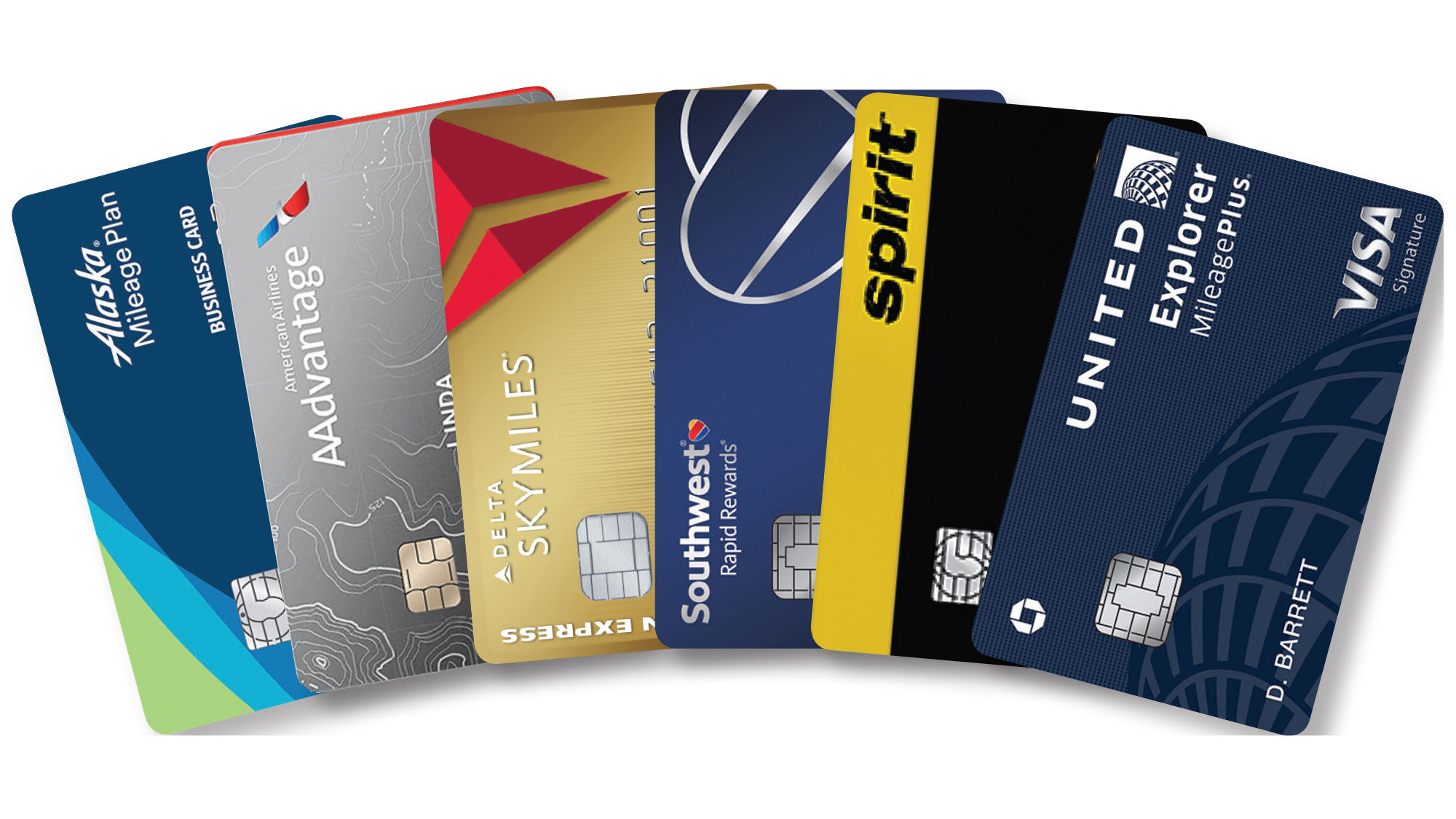
United vs Delta vs American vs Alaska vs Southwest: Which Airline Loyalty Program Is Best in 2026?

Not all airline loyalty programs reward the same behavior. Some are best for hub-captive frequent flyers. Others are better for travelers who earn mostly through credit cards, shopping portals, dining programs, or occasional domestic trips. In this guide, we compare United MileagePlus, Delta SkyMiles, American AAdvantage, Alaska’s Atmos Rewards, and Southwest Rapid Rewards so you can decide which program deserves your loyalty and how to maximize every mile or point.
What We’ll Cover
- How each program earns and rewards loyalty
- A side-by-side comparison table
- Which airline program is best for different traveler types
- Practical strategies to maximize rewards, status, and upgrades
- Related TravelDiari guides for cards, upgrades, and travel rewards
Quick Take: Which Airline Loyalty Program Wins?
There is no universal winner. The best airline loyalty program depends on where you live, how often you fly, whether you want elite perks or easy redemptions, and whether you can leverage partner earning beyond flights. That said:
Best for international partner awards
United MileagePlus and American AAdvantage stand out for travelers who want broad partner access and meaningful long-haul redemption opportunities.
Best for premium elite experience
Delta SkyMiles is strong for travelers who value upgrades, priority treatment, and a polished airport experience.
Best for West Coast and partner-focused travelers
Alaska Atmos Rewards is especially compelling for Alaska and Hawaiian flyers and for travelers who want flexible partner utility.
Best for simplicity and companion value
Southwest Rapid Rewards remains one of the easiest programs to understand and one of the most valuable if you can earn Companion Pass.
Airline Loyalty Programs Comparison Table
| Program | Best For | Status Path | Redemption Strength | Standout Perk | Main Drawback |
|---|---|---|---|---|---|
|
United MileagePlus Star Alliance |
Travelers near United hubs, international flyers, upgrade-minded elites | Premier Silver starts at 15 PQF + 5,000 PQP or 6,000 PQP. Top-tier Premier 1K requires 60 PQF + 22,000 PQP or 28,000 PQP. | Strong partner redemption ecosystem and broad global coverage | Star Alliance reach, PlusPoints at higher tiers, strong partner utility | Award pricing can be unpredictable, especially on premium routes |
|
Delta SkyMiles SkyTeam |
Frequent Delta flyers who value upgrades and airport experience | Medallion status is now MQD-based: Silver $5,000, Gold $10,000, Platinum $15,000, Diamond $28,000. | Easy to earn, but often weaker headline redemption value than competitors | Complimentary upgrades and strong Medallion travel experience | SkyMiles redemptions can feel expensive on many routes |
|
American AAdvantage oneworld |
Travelers who earn through flying, cards, shopping, dining, and partner activity | Gold at 40,000 Loyalty Points, Platinum at 75,000, Platinum Pro at 125,000, Executive Platinum at 200,000. | Very strong for partner awards and versatile for non-flight earning | Loyalty Points model makes status more accessible without constant flying | Upgrade competition can be intense on major routes |
|
Alaska Atmos Rewards Alaska + Hawaiian |
West Coast travelers, Hawaii travelers, partner-focused flyers | Silver, Gold, Platinum, and Titanium tiers. Atmos is adding flexible earning choices, including by distance, dollars, or segments. | Excellent for travelers who value Alaska’s partner strategy and route strengths | Flexible earning model and strong practical value for Alaska loyalists | Smaller domestic footprint than the biggest U.S. network carriers |
|
Southwest Rapid Rewards Companion Pass Power |
Domestic leisure travelers, families, couples, simple-value seekers | A-List at 20 one-way flights or 35,000 tier qualifying points; A-List Preferred at 40 flights or 70,000 points; Companion Pass at 100 one-way flights or 135,000 qualifying points. | Very easy to understand; redemptions closely track cash pricing | Companion Pass can deliver extraordinary value year after year | No traditional international premium cabin aspirational sweet spots |
How These Programs Really Differ
1. United MileagePlus: Best for Global Reach and Serious Flyers
United is one of the most useful loyalty programs for travelers who fly internationally or want access to a large partner network. If you live near a United hub, MileagePlus becomes even more attractive because you can consolidate flying, card spend, and partner redemptions inside one ecosystem.
MileagePlus also remains compelling for elites because Premier status unlocks increasingly meaningful benefits, including higher earning rates and upgrade tools like PlusPoints at the upper tiers. For travelers focused on international Star Alliance redemptions, United is often one of the easiest U.S. programs to justify.
2. Delta SkyMiles: Best for the Traveler Who Wants a Smoother Experience
Delta’s loyalty appeal is less about rock-bottom award pricing and more about the overall experience. Medallion members get meaningful upgrade opportunities, waived fees, better treatment at the airport, and a premium-feeling ecosystem that many travelers are willing to pay for.
If your home airport gives you strong Delta coverage and you value consistency, Delta can still be a smart primary program even if the cents-per-mile math is not always the best on paper.
3. American AAdvantage: Best for Flexible Status Earning
American’s Loyalty Points model is one of the most interesting developments in airline loyalty because it rewards more than just butt-in-seat flying. Travelers can earn status through a mix of flying, shopping, dining, hotel partners, and card activity, which makes AAdvantage unusually friendly for travelers who are engaged but not always on a plane.
For many people, this is the most realistic path to elite status among the major legacy carriers. AAdvantage is also a strong program for partner-focused travelers who want access to oneworld award options.
4. Alaska Atmos Rewards: Best for Smart West Coast Loyalty
Alaska has moved from Mileage Plan to Atmos Rewards, and the program is increasingly differentiated by flexibility. Alaska is introducing more earning choice, including options tied to distance, dollars, or segments, and the combined Alaska-Hawaiian ecosystem adds more relevance for West Coast and Hawaii-centric travelers.
If you regularly fly Alaska, Hawaiian, or partner carriers and prefer a program that feels less generic than the big three, Atmos Rewards deserves close attention.
5. Southwest Rapid Rewards: Best for Simplicity and Family Value
Southwest does not try to be an aspirational premium-cabin program. Its strength is simplicity. Points are easy to understand, there are no major redemption mysteries, and Companion Pass remains one of the most powerful benefits in U.S. travel.
For couples, families, and domestic travelers who prioritize practical savings over premium-cabin award hunting, Southwest can outperform programs that look more glamorous on paper.
Best Program by Traveler Type
- You mostly fly internationally: United or American
- You care most about upgrades and airport treatment: Delta
- You want to earn status without constantly flying: American
- You live on the West Coast or fly Hawaii often: Alaska Atmos Rewards
- You travel domestically with a partner or family: Southwest
- You only fly a few times per year: Southwest or American often offer the easiest practical value
How Travelers Can Maximize Rewards and Points
Choose One Primary Airline, Not Five Half-Programs
One of the biggest mistakes travelers make is spreading flights across too many airlines. If you want status, upgrades, and meaningful balances, concentration matters. Pick one primary airline based on your home airport, most common routes, and the partners you actually use.
Use Shopping, Dining, and Partner Portals
American is especially strong here, but every major program offers some version of partner earning. That means your airline points strategy should not begin and end with flights. Shopping portals, dining programs, hotel bookings, rideshare partnerships, and co-branded cards can meaningfully accelerate your balance.
Match Your Credit Card Strategy to Your Loyalty Goal
If you are loyalty-first, a co-branded airline card can help you earn faster and unlock benefits like free checked bags, priority boarding, or elite-qualification help. If you want more flexibility, pair airline loyalty with a transferable-points card strategy as well.
Related reading:
Best Airline Co-Brand Credit Cards for Frequent Travelers and
Best Travel Rewards Credit Cards.
Redeem for High-Value Trips, Not Just Easy Trips
The easiest redemption is not always the best redemption. Travelers who get the most from airline programs usually compare redemptions before booking and reserve points for higher-value uses, such as expensive peak-season flights, partner awards, or premium cabins where cash prices are especially high.
Do Not Chase Status That You Will Not Use
Elite status can be rewarding, but it is not always worth pursuing. If you only take one or two trips per year, focus on rewards that directly reduce your real travel cost, such as free checked bags, simple redemptions, shopping portal earnings, and companion-style benefits.
Best Loyalty Program for Occasional Travelers
For travelers who only fly a few times per year, Southwest Rapid Rewards is often the easiest program to use well because the value is simple, transparent, and practical. American AAdvantage is also attractive because you can continue earning meaningfully through everyday partner activity. United and Delta become more compelling when you are concentrated in their hubs or when you are chasing higher-end benefits.
Bottom Line
The best airline loyalty program is the one that matches your actual travel pattern, not the one with the flashiest marketing. United is excellent for global reach, Delta excels at elite experience, American is one of the most flexible for status earning, Alaska Atmos Rewards is a smart choice for West Coast and partner-minded travelers, and Southwest remains one of the strongest practical-value programs in the U.S.
If you want better results from airline loyalty, stop treating all miles as equal. Focus your activity, learn each program’s sweet spots, and build around the airline you are most likely to use consistently.
Related TravelDiari Guides
Official Airline Loyalty Program Links
Frequently Asked Questions
Which airline loyalty program is best for beginners?
Southwest Rapid Rewards is often the easiest for beginners because points closely track fare price and the program is straightforward. American AAdvantage is also beginner-friendly for people who want to earn through shopping and dining in addition to flights.
Which airline program is best for international travel?
United MileagePlus and American AAdvantage are usually the strongest picks for travelers who care most about international partner awards and global alliance reach.
Is Delta SkyMiles worth it even if redemptions are not always the cheapest?
Yes, for many travelers Delta is worth it because the value comes from the full experience: upgrades, airport priority, service consistency, and elite treatment, not just raw cents per mile.
What is the most valuable airline perk for families?
Southwest Companion Pass is one of the most valuable perks for families and couples because it can reduce the cost of repeated domestic travel dramatically.
Editor’s note: Airline loyalty rules, status thresholds, and partner benefits can change. Recheck the official airline loyalty pages before making a major booking or status strategy decision.